Baranov Maksim V, Kumar Manoj, Sacanna Stefano, Thutupalli Shashi, van den Bogaart Geert
Department of Molecular Immunology and Microbiology, Groningen Biomolecular Sciences and Biotechnology Institute, University of Groningen, Groningen, Netherlands.
Simons Center for the Study of Living Machines, National Centre for Biological Sciences, Tata Institute for Fundamental Research, Bangalore, India.
Front Immunol. 2021 Feb 12;11:607945. doi: 10.3389/fimmu.2020.607945. eCollection 2020.
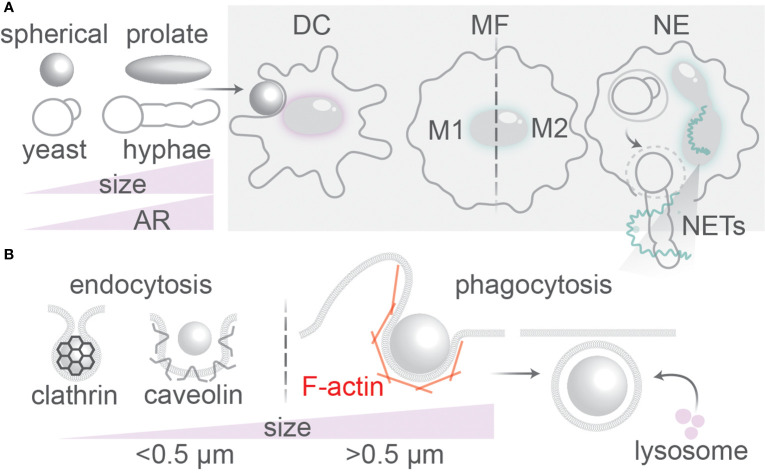
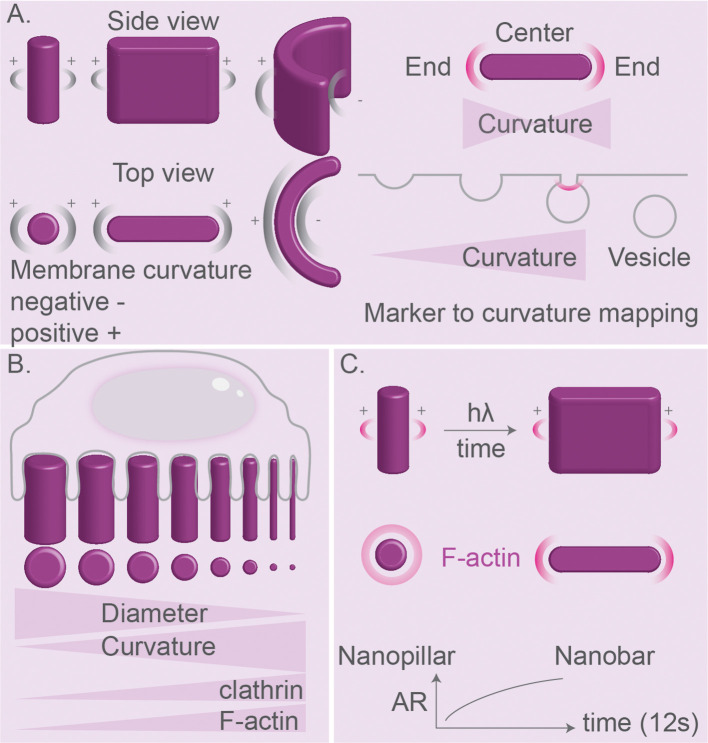
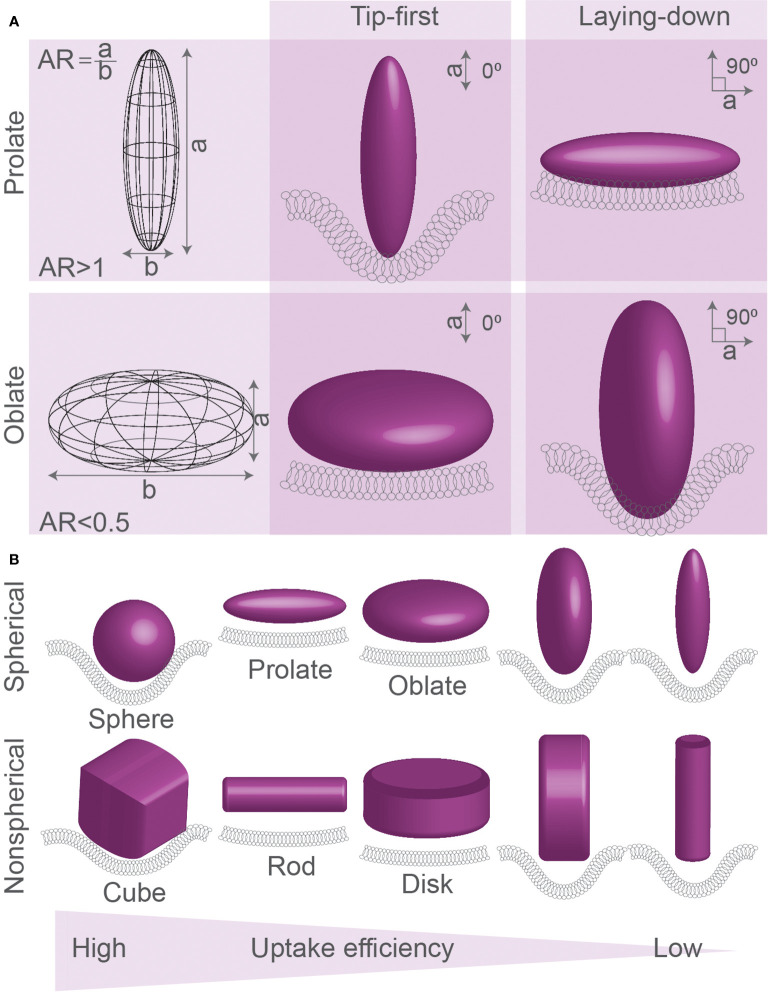
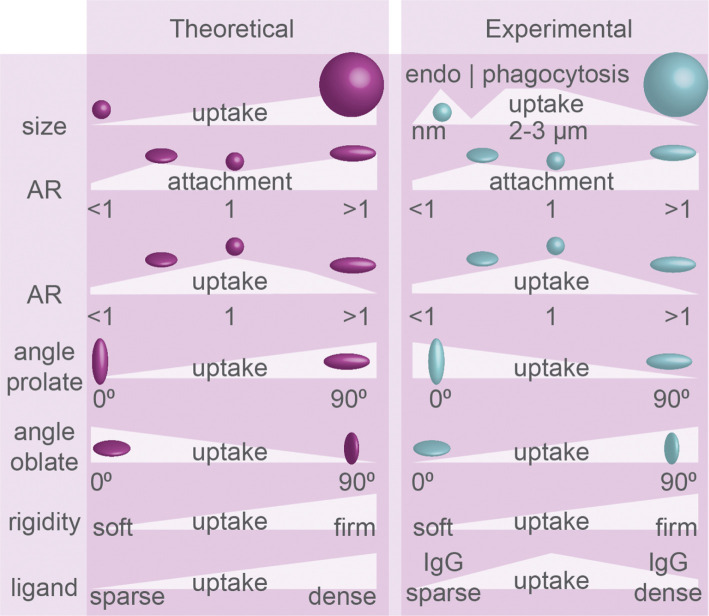
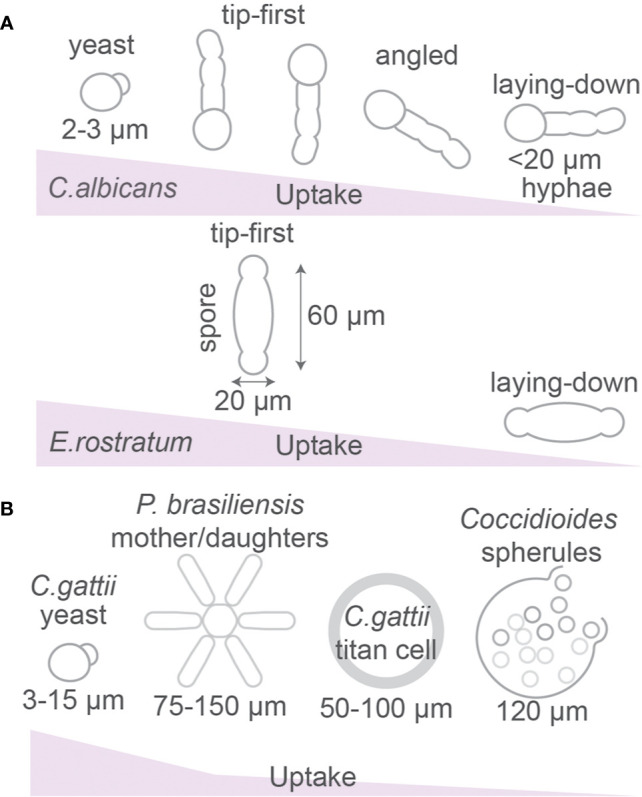
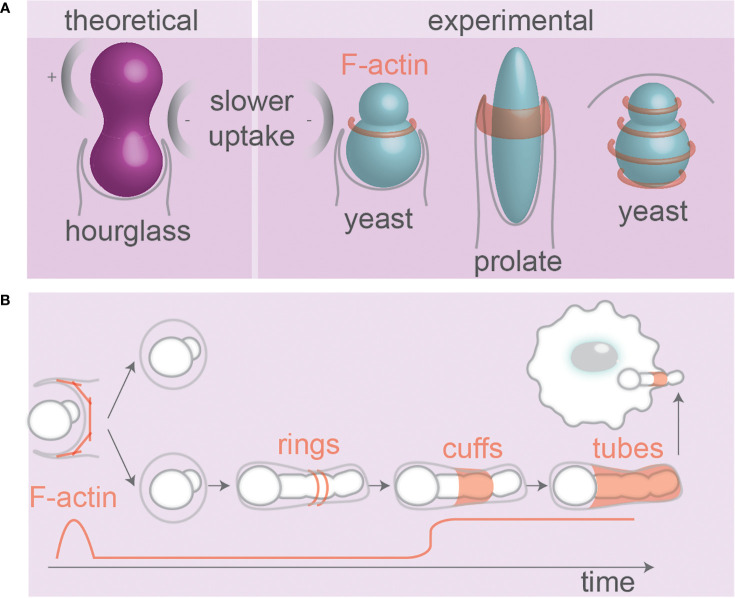
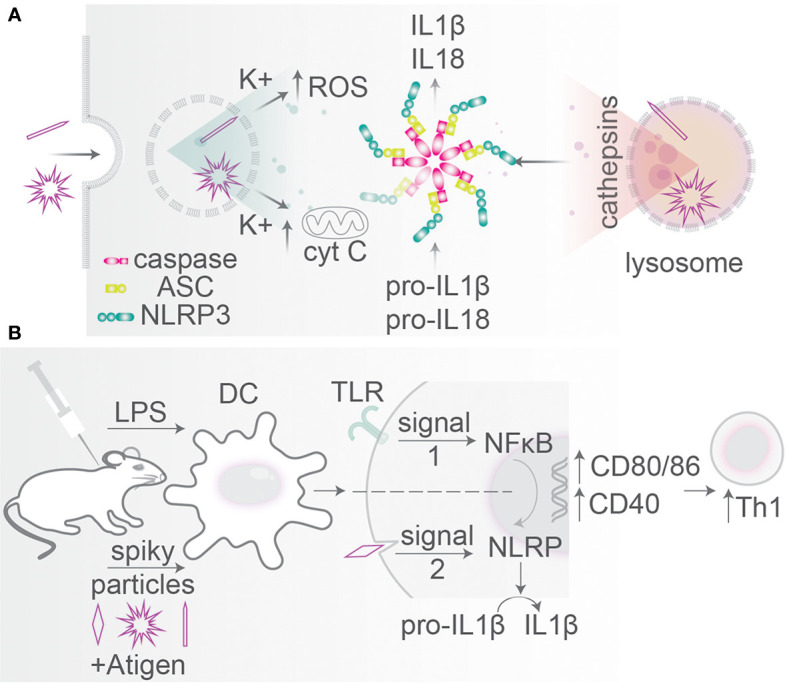
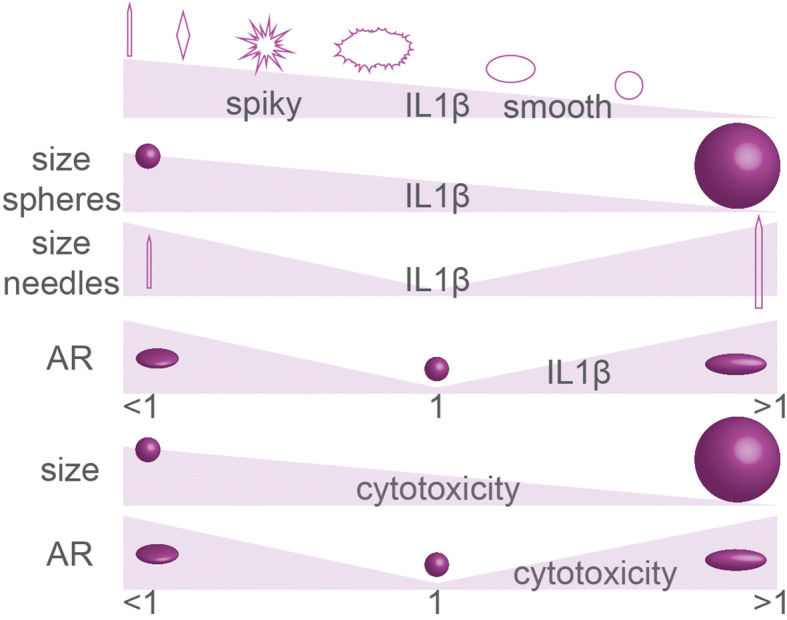
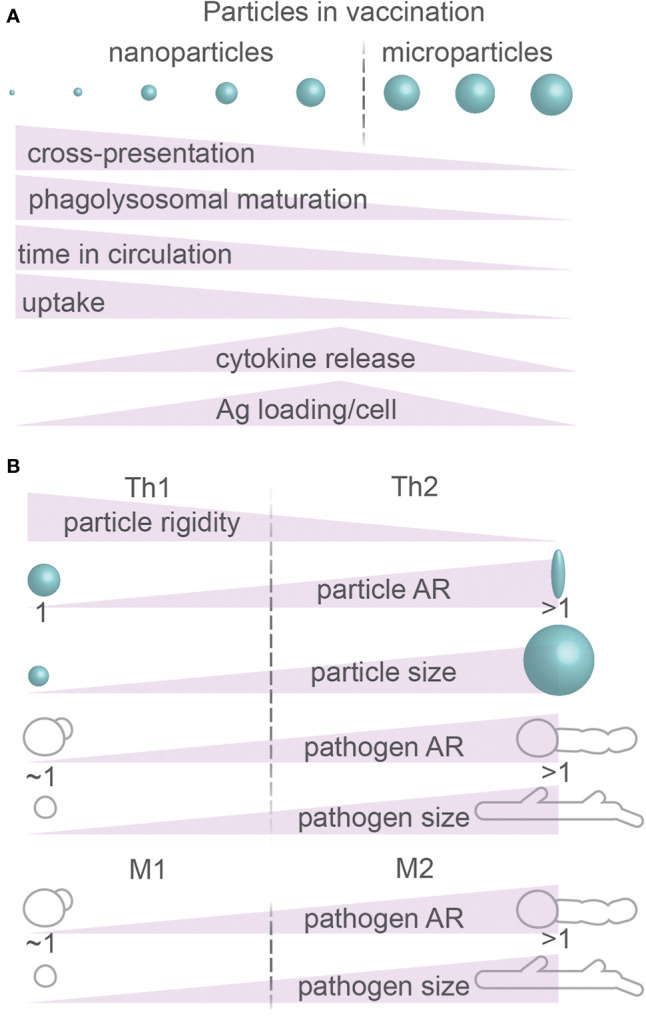
The immune system has to cope with a wide range of irregularly shaped pathogens that can actively move (e.g., by flagella) and also dynamically remodel their shape (e.g., transition from yeast-shaped to hyphal fungi). The goal of this review is to draw general conclusions of how the size and geometry of a pathogen affect its uptake and processing by phagocytes of the immune system. We compared both theoretical and experimental studies with different cells, model particles, and pathogenic microbes (particularly fungi) showing that particle size, shape, rigidity, and surface roughness are important parameters for cellular uptake and subsequent immune responses, particularly inflammasome activation and T cell activation. Understanding how the physical properties of particles affect immune responses can aid the design of better vaccines.
免疫系统必须应对各种形状不规则且能主动移动(例如通过鞭毛)、还能动态重塑其形状(例如从酵母状转变为丝状真菌)的病原体。本综述的目的是得出关于病原体的大小和几何形状如何影响其被免疫系统吞噬细胞摄取和处理的一般性结论。我们比较了针对不同细胞、模型颗粒和致病微生物(特别是真菌)的理论研究和实验研究,结果表明颗粒大小、形状、硬度和表面粗糙度是细胞摄取及后续免疫反应(尤其是炎性小体激活和T细胞激活)的重要参数。了解颗粒的物理特性如何影响免疫反应有助于设计出更好的疫苗。