Qiu Wenlin, Han Xiaoxiao, Yu Tong, Jiang Lijuan, Wang Xuefei, Feng Ruizhi, Duan Xiaoru, Teng Yao, Yin Haifeng, Bokarewa Maria I, Deng Guo-Min
Department of Rheumatology and Immunology, Union Hospital, Tongji Medical College Huazhong University of Science and Technology Wuhan China.
Department of Rheumatology and Inflammation Research, Institute of Medicine Gothenburg University Gothenburg Sweden.
Clin Transl Immunology. 2024 Oct 14;13(10):e70010. doi: 10.1002/cti2.70010. eCollection 2024.
Systemic lupus erythematosus (SLE) is a chronic and severe autoimmune disease characterised by persistent inflammation. Hydroxychloroquine (HCQ) and glucocorticoids (GCs) are the primary agents commonly used in combination as the first-line treatment for SLE. Nevertheless, the specific mechanisms responsible for the effectiveness of this combined therapy with HCQ and GCs have not been fully elucidated. This study aimed to reveal the mechanism behind combined HCQ and GC treatment in lupus.
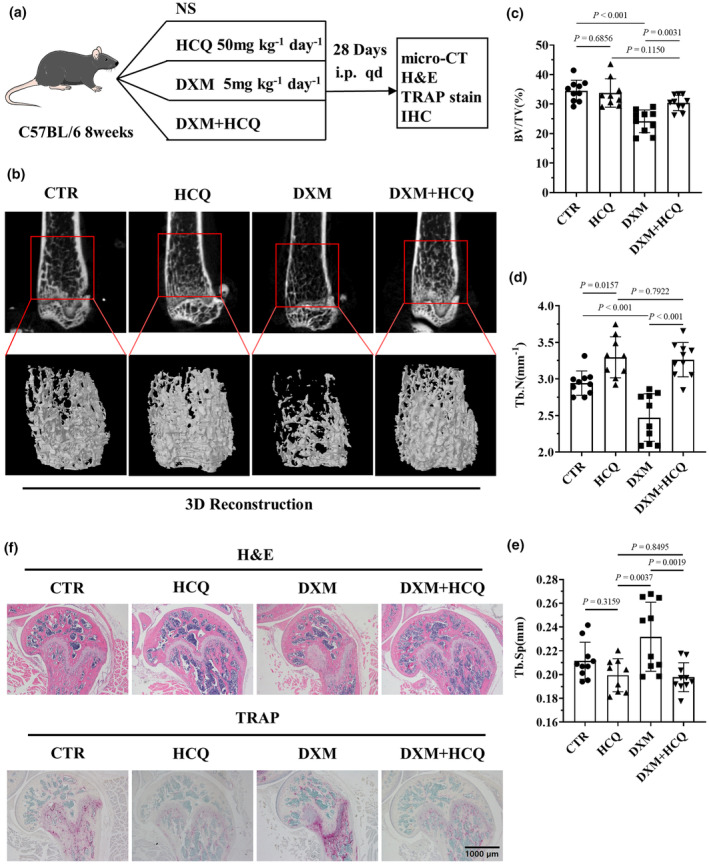
An SLE IgG-induced inflammation model was used to investigate the anti-inflammatory effects of HCQ and dexamethasone (DXM). A glucocorticoid-induced osteoporosis (GIOP) model was used to investigate the inhibitory effect of HCQ on osteoclastogenesis. Inflammation was assessed by haematoxylin and eosin staining. Bone metabolism was determined structurally via microcomputer tomography and in bone marrow-derived osteoclast cultures.
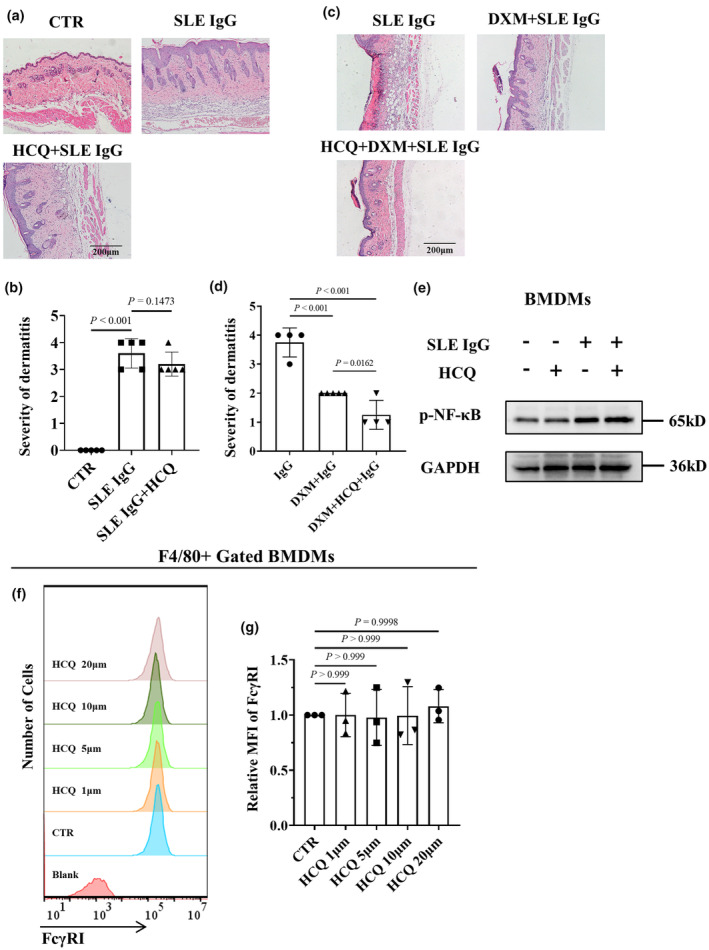
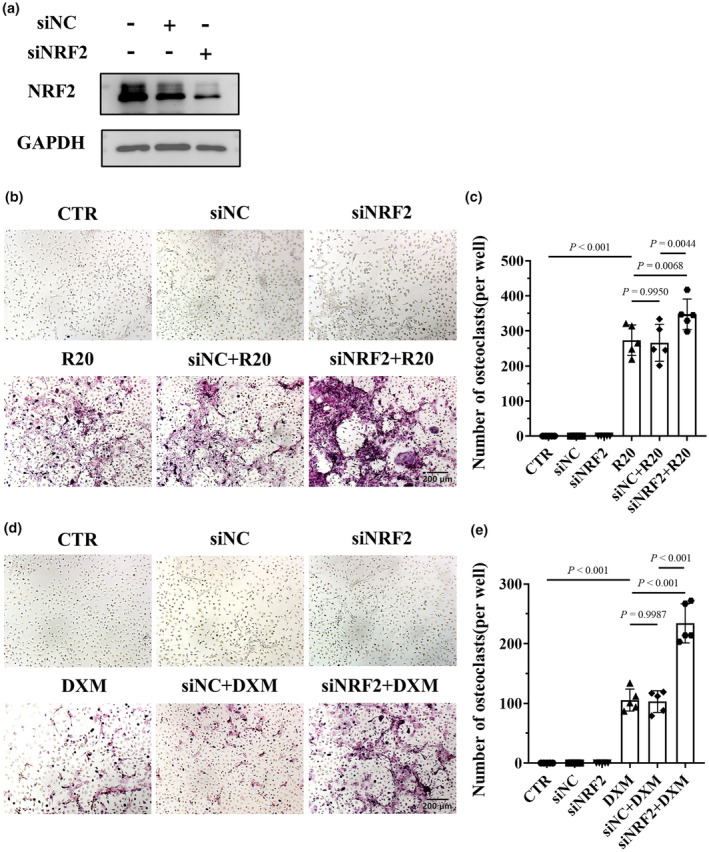
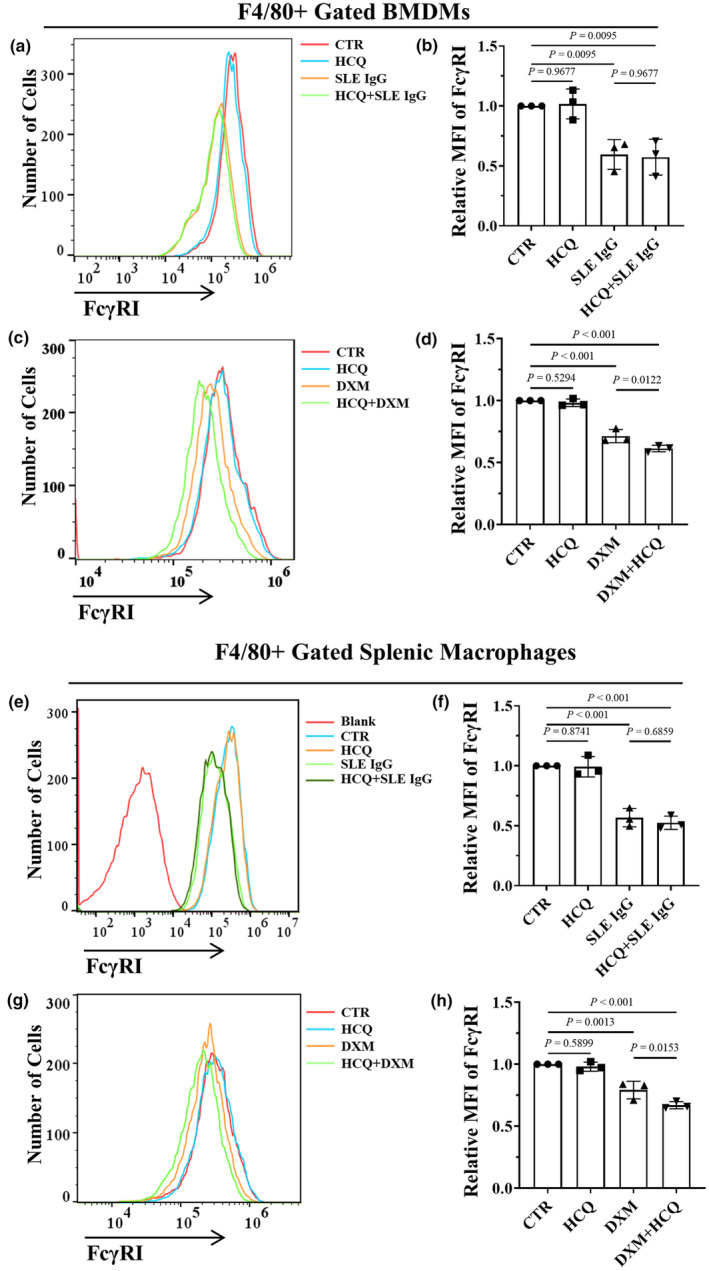
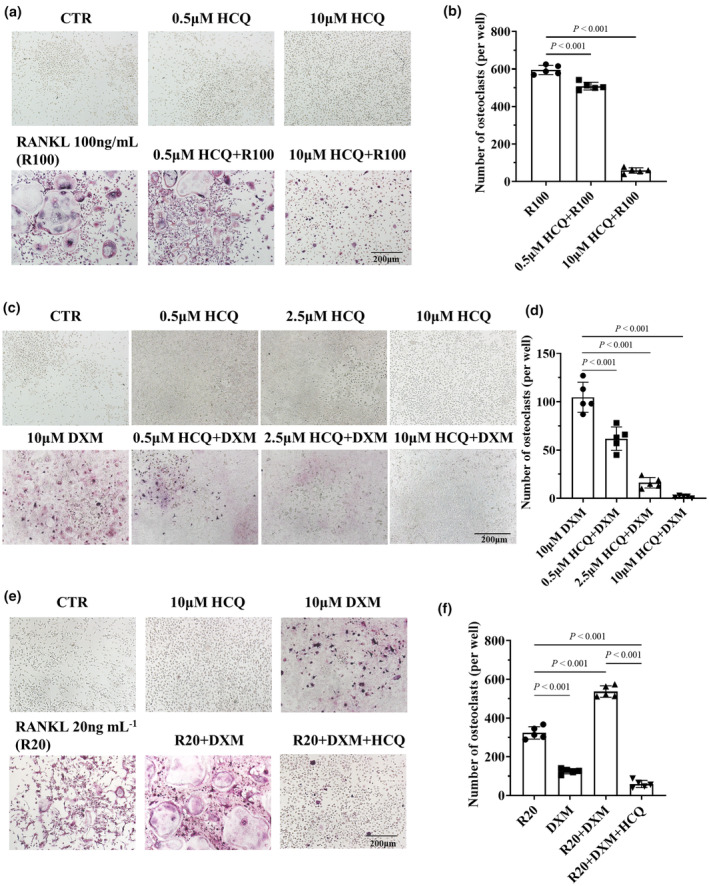
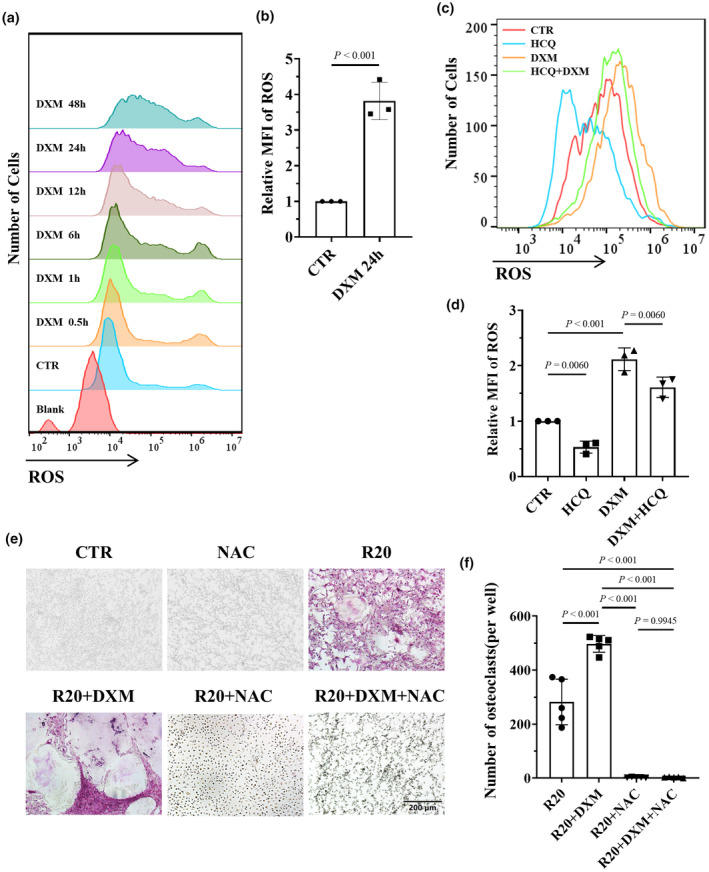
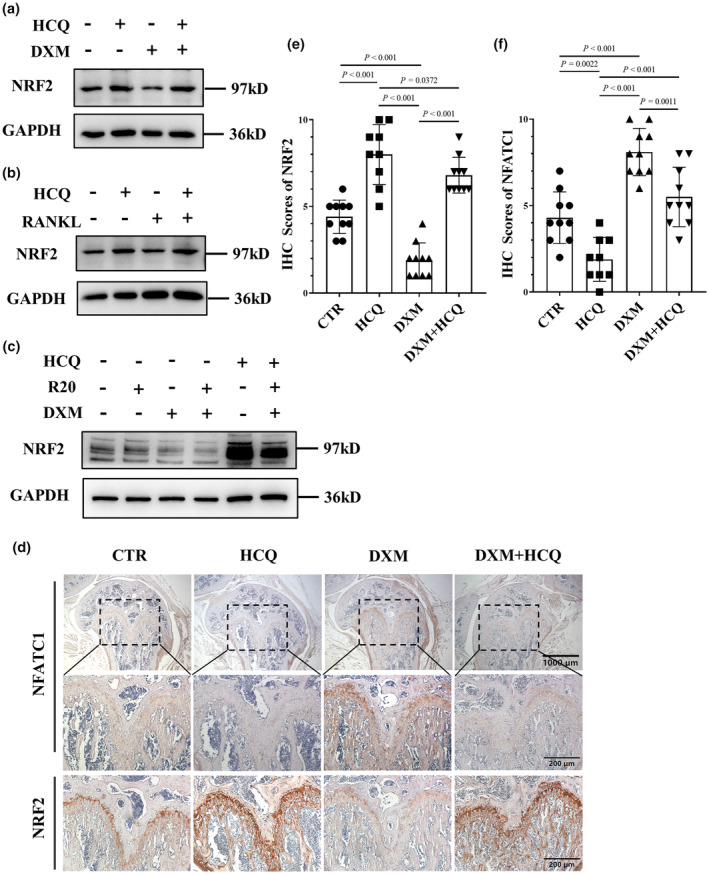
An SLE IgG-induced inflammation model demonstrated that HCQ could not ameliorate inflammation alone but could enhance the anti-inflammatory effect of GCs by decreasing the expression of FcγRI on macrophages. HCQ inhibited osteoclastogenesis induced by GCs and RANKL by upregulating nuclear factor erythroid 2-related factor 2 and limiting reactive oxygen species formation, which mitigated GC-induced bone loss.
The results indicate that HCQ improved the anti-inflammatory effects of GCs and inhibits the osteoclastogenesis in experimental lupus. This study offers valuable insights into the mechanisms underlying the combined treatment of lupus with HCQ and GCs.
系统性红斑狼疮(SLE)是一种以持续性炎症为特征的慢性重症自身免疫性疾病。羟氯喹(HCQ)和糖皮质激素(GCs)是常用于联合作为SLE一线治疗的主要药物。然而,HCQ与GCs联合治疗有效性的具体机制尚未完全阐明。本研究旨在揭示HCQ与GC联合治疗狼疮的机制。
采用SLE免疫球蛋白G(IgG)诱导的炎症模型来研究HCQ和地塞米松(DXM)的抗炎作用。采用糖皮质激素诱导的骨质疏松(GIOP)模型来研究HCQ对破骨细胞生成的抑制作用。通过苏木精和伊红染色评估炎症。通过微型计算机断层扫描在结构上测定骨代谢,并在骨髓来源的破骨细胞培养物中进行测定。
SLE IgG诱导的炎症模型表明,HCQ单独不能改善炎症,但可通过降低巨噬细胞上FcγRI的表达来增强GCs的抗炎作用。HCQ通过上调核因子红细胞2相关因子2并限制活性氧的形成来抑制GCs和核因子κB受体活化因子配体(RANKL)诱导的破骨细胞生成,从而减轻GCs诱导的骨质流失。
结果表明,HCQ改善了GCs的抗炎作用,并在实验性狼疮中抑制破骨细胞生成。本研究为HCQ与GCs联合治疗狼疮的潜在机制提供了有价值的见解。