Department of Endocrinology, Diabetes Unit, University Hospital Dr, Josep Trueta of Girona, Av. França s/n, 17007, Girona, Spain.
Biomedical Research Institute of Girona (IDIBGI), Carrer del Dr. Castany s/n, 17190, Salt, Spain.
Cardiovasc Diabetol. 2024 Oct 17;23(1):366. doi: 10.1186/s12933-024-02455-0.
Cardiovascular disease (CVD), particularly ischemic heart disease, remains the leading cause of death and morbidity in patients with type 1 diabetes. Detecting subclinical atherosclerosis could enhance cardiovascular risk stratification and enable individualised therapies. The aim of this study is to investigate the prevalence and predictors of subclinical atherosclerosis in patients with type 1 diabetes without overt cardiovascular disease (CVD) and to assess its impact on patient survival over a follow-up period of at least 5 years.
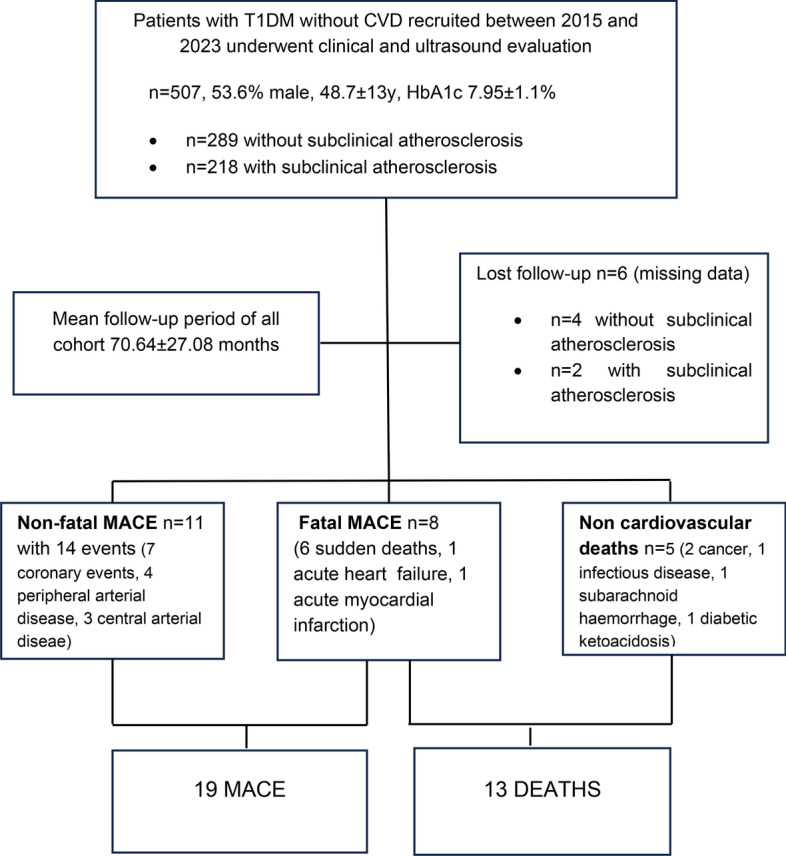
This observational study included 507 patients treated at the Diabetes Unit of the Hospital of Girona Doctor Josep Trueta between 2015 and 2023. The inclusion criteria for patients were as follows: those aged 18 and older with diabetes for a minimum of 10 years or those aged 40 and older with a diabetes for at least 5 years. Subclinical atherosclerosis was identified via ultrasound imaging of the carotid and femoral arteries. Clinical and biochemical evaluations were also conducted. Major cardiovascular events (MACE) and deaths from other causes were monitored, and survival analysis was performed using Kaplan‒Meier methods.
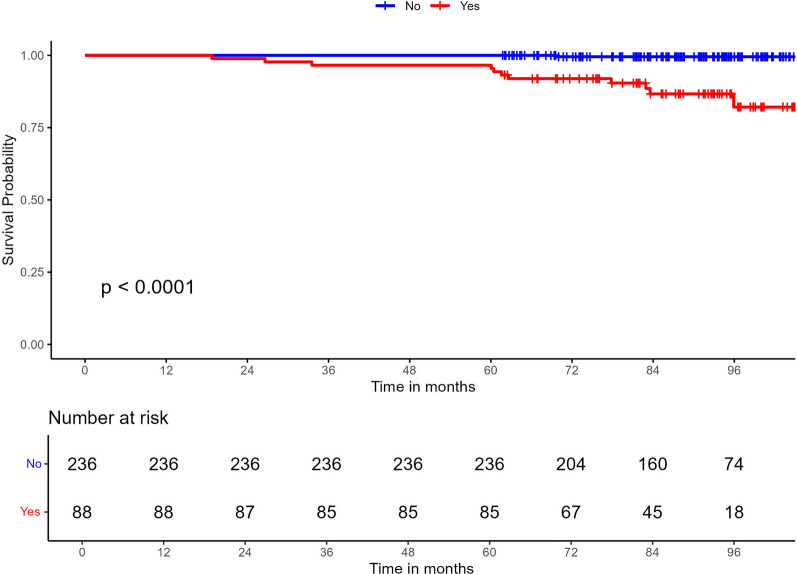
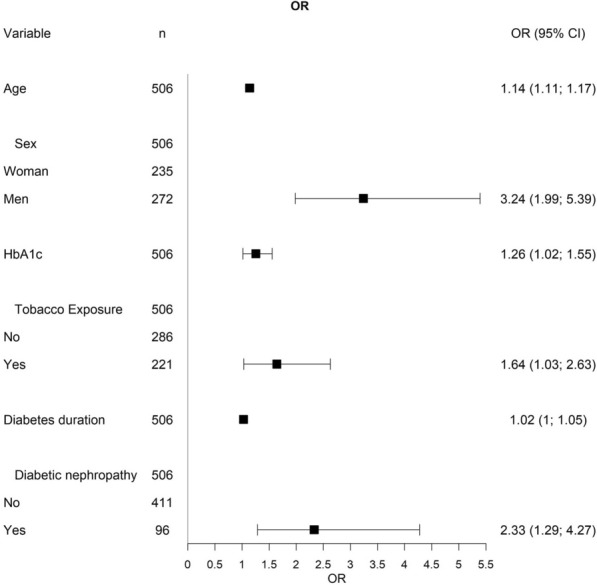
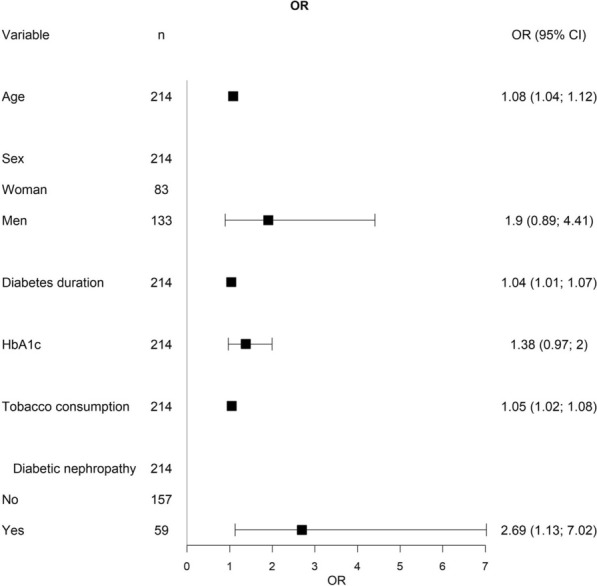
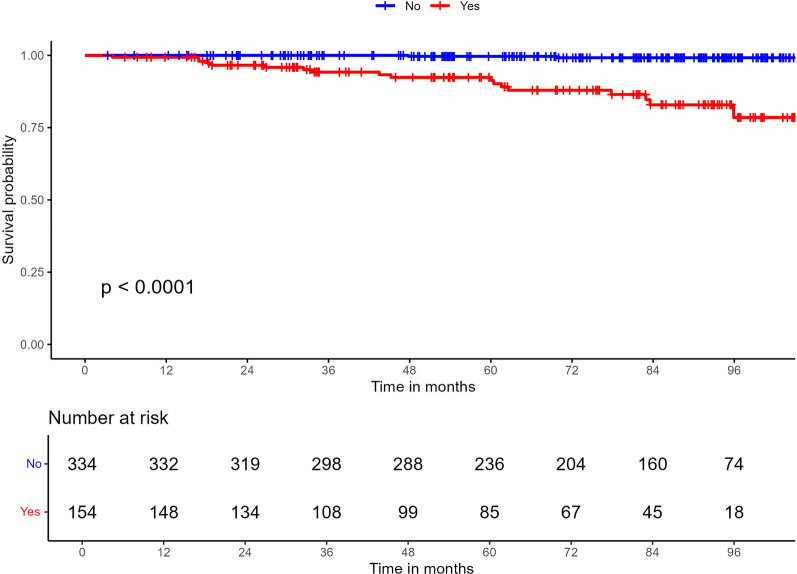
Subclinical atherosclerosis was detected in 218 patients (43%). Multivariate analysis revealed that the male sex, diabetic nephropathy, tobacco exposure, higher HbA1c levels, older age, and longer diabetes duration were significant predictors. During a mean follow-up of 70.64 ± 27.08 months, 19 patients experienced MACE, and 13 died from any cause. The probability of MACE or death was greater in patients with subclinical atherosclerosis, with a hazard ratio (HR) of 25.1 (95% CI 5.81-108, p < 0.001) for MACE and an odds ratio (OR) of 7.57 (95% CI 1.97-53.9, p = 0.004) for death.
Subclinical atherosclerosis is independently associated with increased overall mortality and MACE in patients with type 1 diabetes. Identifying clinical predictors can improve risk stratification and personalised therapeutic strategies to prevent MACEs in this high-risk population.
心血管疾病(CVD),特别是缺血性心脏病,仍然是 1 型糖尿病患者死亡和发病的主要原因。检测亚临床动脉粥样硬化可以增强心血管风险分层,并实现个体化治疗。本研究旨在探讨无明显心血管疾病(CVD)的 1 型糖尿病患者亚临床动脉粥样硬化的患病率和预测因素,并评估其在至少 5 年的随访期间对患者生存的影响。
本观察性研究纳入了 2015 年至 2023 年在赫罗纳博士何塞·特鲁埃塔医院糖尿病科治疗的 507 名患者。患者纳入标准如下:年龄 18 岁及以上,糖尿病病程至少 10 年;或年龄 40 岁及以上,糖尿病病程至少 5 年。通过颈动脉和股动脉超声成像识别亚临床动脉粥样硬化。同时进行临床和生化评估。监测主要心血管事件(MACE)和其他原因导致的死亡,并使用 Kaplan-Meier 方法进行生存分析。
218 名患者(43%)检测到亚临床动脉粥样硬化。多变量分析显示,男性、糖尿病肾病、吸烟、较高的 HbA1c 水平、年龄较大和糖尿病病程较长是显著的预测因素。在平均 70.64±27.08 个月的随访期间,19 名患者发生 MACE,13 名患者死于任何原因。亚临床动脉粥样硬化患者发生 MACE 或死亡的概率更高,MACE 的风险比(HR)为 25.1(95%CI 5.81-108,p<0.001),死亡的优势比(OR)为 7.57(95%CI 1.97-53.9,p=0.004)。
亚临床动脉粥样硬化与 1 型糖尿病患者的总死亡率和 MACE 增加独立相关。确定临床预测因素可以改善风险分层,并为这一高危人群制定个性化的治疗策略,以预防 MACE。