College of Oriental Medicine, Dongshin University, Naju, Republic of Korea.
College of Pharmacy and Research Institute of Life and Pharmaceutical Sciences, Sunchon National University, Suncheon, Republic of Korea.
Front Immunol. 2024 Oct 3;15:1429591. doi: 10.3389/fimmu.2024.1429591. eCollection 2024.
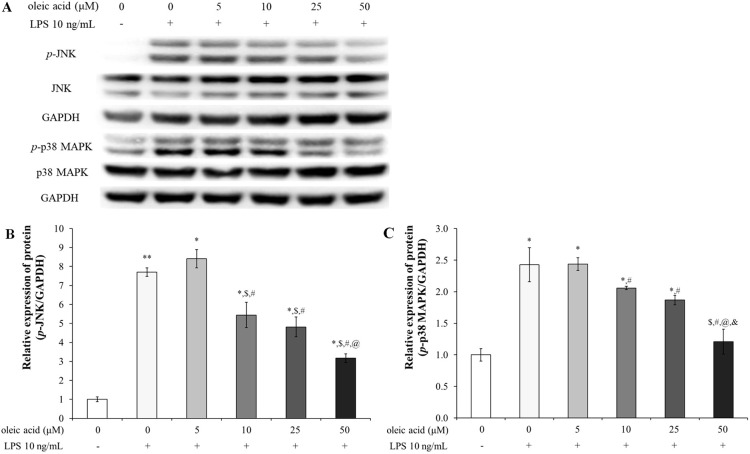
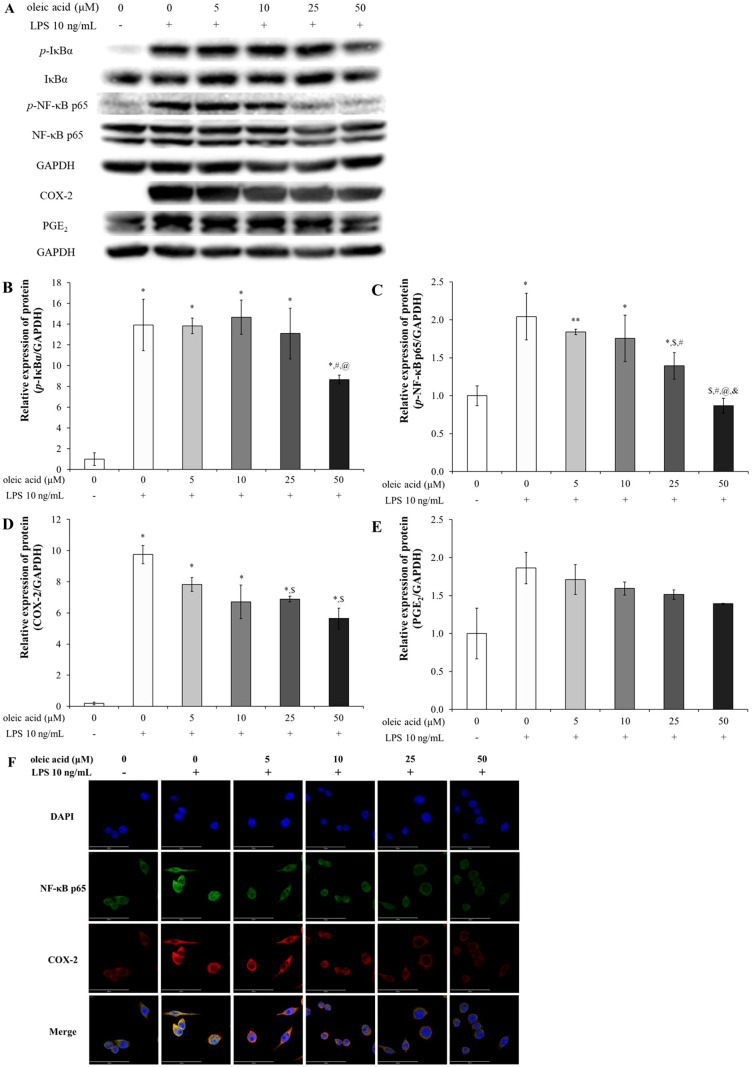
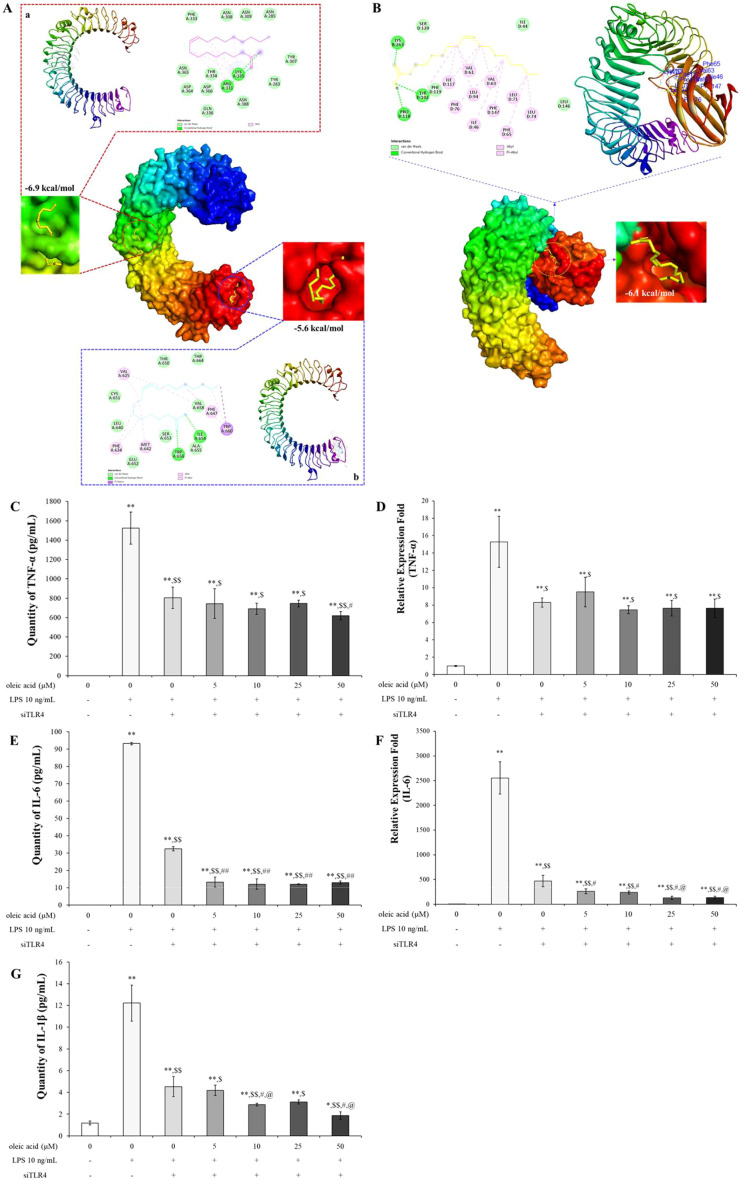
WHO reported that asthma was responsible for 455,000 deaths in 2019 and asthma patients was evaluated 262 million in May 2023. The incidence is expected to increase as the average life expectancy increases, highlighting asthma as a significant health challenge in an aging society. The etiology of asthma is linked to an imbalance of Th1 and Th2 cells, respiratory inflammation, and pulmonary cell proliferation. The purpose of this study is to investigate the anti-asthmatic effect and potential mechanism of oleic acid. The anti-inflammatory effect of oleic acid was evaluated in an LPS-induced RAW 264.7 cell model, and immune modulation and the anti-apoptotic effect were measured in an ovalbumin-induced BALB/c mouse model. A variety of analytical procedures, such as MTT, qPCR, ELISA, Western blotting, immunofluorescence, gene transfection, immunohistochemistry, and several staining methods (Diff Quik, H&E, PAS), were used to evaluate the effectiveness and mechanisms of these methods. The results from experiments showed that oleic acid could reduce the levels of inflammatory cytokines (TNF-α, IL-6, and IL-1β), and molecular docking studies suggested that oleic acid could interact with TLR3 and TLR4 proteins to form ligand-protein complexes, showing good binding affinity. Additionally, oleic acid attenuated the expression of MAPK pathway components (JNK, p38 MAPK) and NF-κB pathway constituents (IκB, NF-κB, COX-2, PGE). results indicated that oleic acid reduced the levels of inflammatory cells (WBCs and eosinophils) and IgE activity, reduced the expression of the Th2 cell transcription factor GATA-3, and decreased the levels of Th2/Th17-related cytokines (IL-4, TNF-α, and IL-6). Oleic acid also alleviated OVA-induced pathological changes in the lung, such as epithelial cell proliferation, inflammatory cell infiltration, and mucus hypersecretion. OVA restored apoptosis in lung epithelial cells by modulating the expression of Bcl-2 and Bax. In summary, oleic acid has potential as a novel candidate for asthma treatment through its ability to regulate immune cells, exert anti-inflammatory effects, and promote apoptosis, thereby ameliorating asthma manifestations.
世界卫生组织报告称,2019 年哮喘导致 45.5 万人死亡,2023 年 5 月哮喘患者评估人数为 2.62 亿。随着平均预期寿命的增加,发病率预计会增加,这凸显了哮喘在老龄化社会中是一个重大的健康挑战。哮喘的病因与 Th1 和 Th2 细胞失衡、呼吸道炎症和肺细胞增殖有关。本研究旨在探讨油酸的抗哮喘作用及其潜在机制。在 LPS 诱导的 RAW 264.7 细胞模型中评估油酸的抗炎作用,并在卵清蛋白诱导的 BALB/c 小鼠模型中测量免疫调节和抗凋亡作用。采用 MTT、qPCR、ELISA、Western blot、免疫荧光、基因转染、免疫组化和几种染色方法(Diff Quik、H&E、PAS)等多种分析程序来评估这些方法的有效性和机制。实验结果表明,油酸可以降低炎症细胞因子(TNF-α、IL-6 和 IL-1β)的水平,分子对接研究表明油酸可以与 TLR3 和 TLR4 蛋白相互作用形成配体-蛋白复合物,显示出良好的结合亲和力。此外,油酸还减弱了 MAPK 通路成分(JNK、p38 MAPK)和 NF-κB 通路成分(IκB、NF-κB、COX-2、PGE)的表达。结果表明,油酸降低了炎症细胞(WBC 和嗜酸性粒细胞)和 IgE 活性的水平,降低了 Th2 细胞转录因子 GATA-3 的表达,并降低了 Th2/Th17 相关细胞因子(IL-4、TNF-α和 IL-6)的水平。油酸还减轻了 OVA 诱导的肺组织病理学变化,如上皮细胞增殖、炎症细胞浸润和黏液高分泌。OVA 通过调节 Bcl-2 和 Bax 的表达,恢复了肺上皮细胞的凋亡。总之,油酸通过调节免疫细胞、发挥抗炎作用和促进凋亡,有可能成为一种治疗哮喘的新型候选药物,从而改善哮喘症状。