Department of Biochemistry, Microbiology and Immunology, University of Saskatchewan, Saskatoon, SK, S7N 5E5, Canada.
Department of Health Sciences, University of Saskatchewan, Saskatoon, SK, S7N 5E5, Canada.
J Nanobiotechnology. 2024 Oct 18;22(1):640. doi: 10.1186/s12951-024-02898-3.
Adoptive cell cancer therapies aim to re-engineer a patient's immune cells to mount an anti-cancer response. Chimeric antigen receptor T and natural killer cells have been engineered and proved successful in treating some cancers; however, the genetic methods for engineering are laborious, expensive, and inefficient and can cause severe toxicities when they over-proliferate.
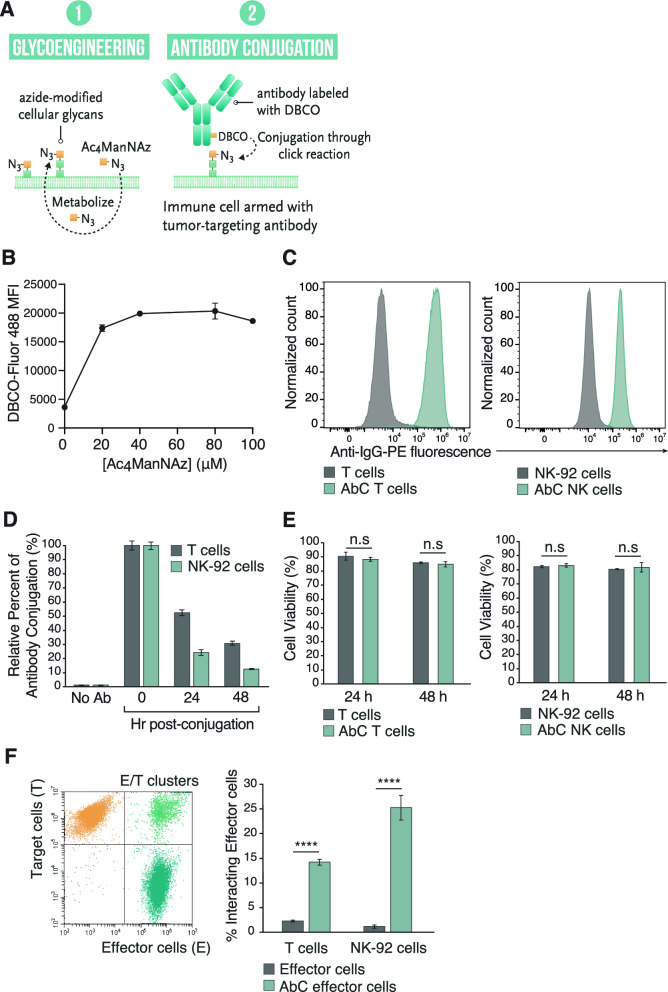
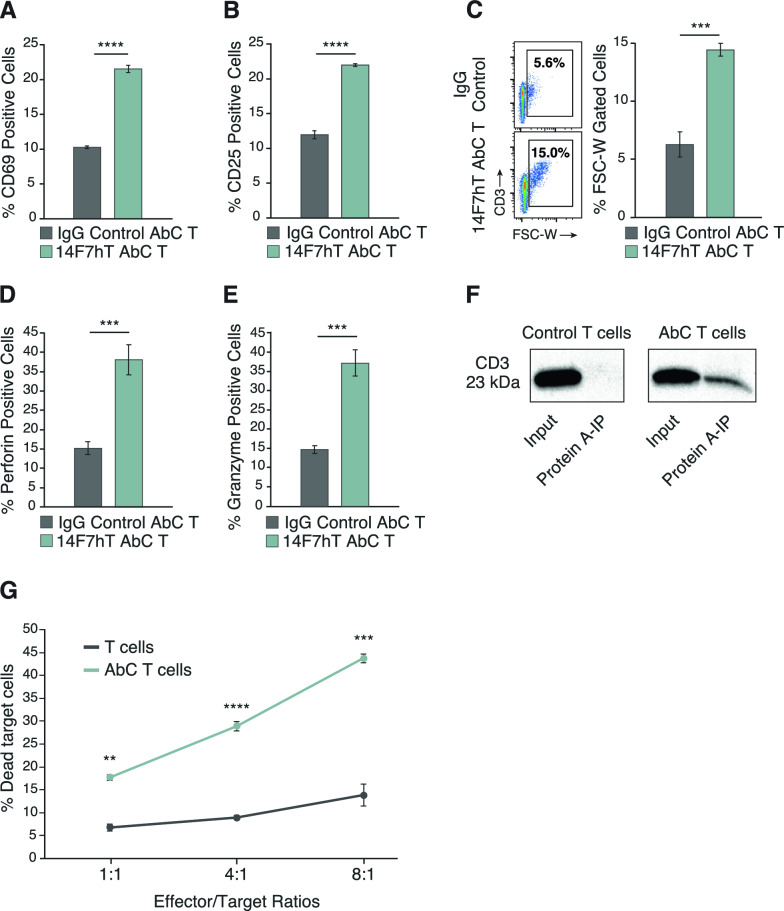
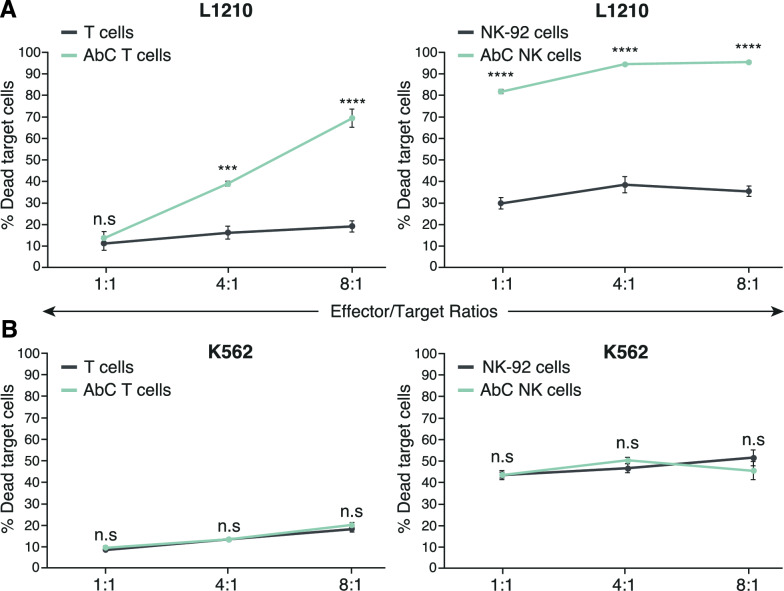
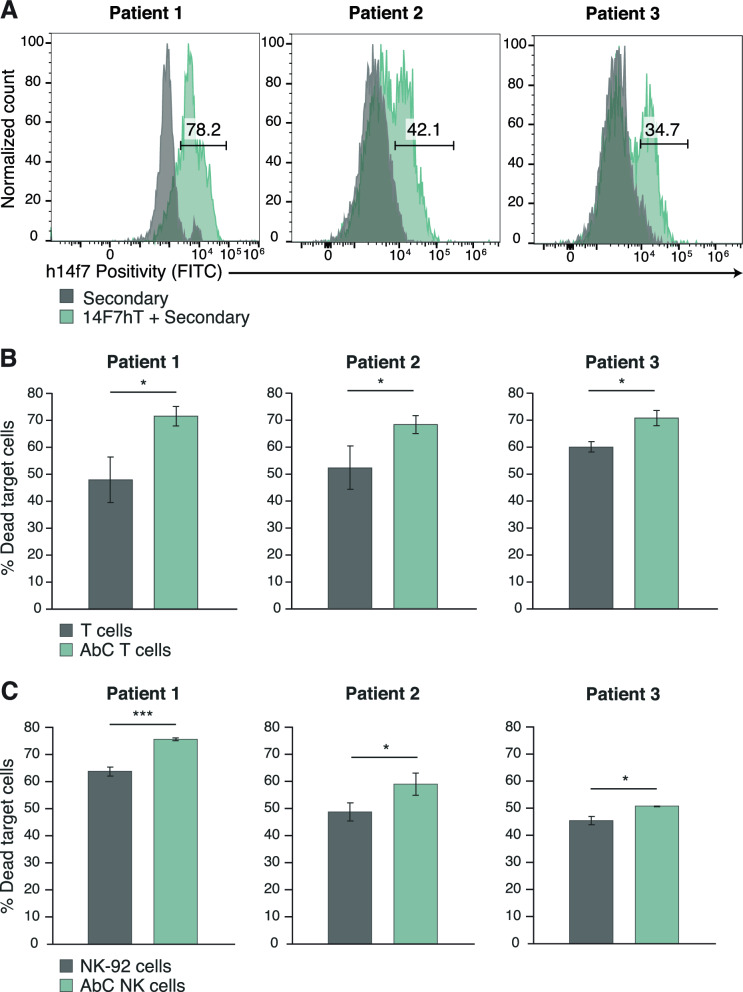
We examined whether the cell-killing capacity of activated T and NK cells could be targeted to cancer cells by anchoring antibodies to their cell surface. Using metabolic glycoengineering to introduce azide moieties to the cellular surface, we covalently attached a dibenzocyclooctyne-modified antibody using the strain-promoted alkyne azide cycloaddition reaction, creating antibody-conjugated T and NK cells. We targeted the immune cells to tumors possessing the xenoantigen, N-glycolyl neuraminic acid GM3 ganglioside, using the 14F7hT antibody. These activated T and NK cells are "armed" with tumour-homing capabilities that specifically lyses antigen-positive cancer cells without off-target toxicities. Moreover, when exposed to target cells, 14F7hT-conjugated T cells that are not preactivated exhibit increased perforin, granzyme, CD69, and CD25 expression and specific cell killing.
This research shows the potential for a non-genetic method for redirecting cytotoxic immune cells as a feasible and effective approach for tumor-targeted cell immunotherapy.
过继性细胞癌症疗法旨在对患者的免疫细胞进行重新设计,以产生抗癌反应。嵌合抗原受体 T 和自然杀伤细胞已被设计并证明在治疗某些癌症方面是成功的;然而,用于工程设计的遗传方法既繁琐、昂贵又低效,并且当它们过度增殖时会引起严重的毒性。
我们研究了通过将抗体锚定在其细胞表面是否可以靶向激活的 T 和 NK 细胞的杀伤能力以针对癌细胞。使用代谢糖基工程在细胞表面引入叠氮化物部分,我们使用应变促进的炔叠氮环加成反应将二苯并环辛炔修饰的抗体共价连接到 T 和 NK 细胞上,从而形成抗体偶联的 T 和 NK 细胞。我们使用 14F7hT 抗体将免疫细胞靶向具有异抗原 N-糖基化神经氨酸 GM3 神经节苷脂的肿瘤。这些激活的 T 和 NK 细胞“武装”有肿瘤归巢能力,可特异性裂解抗原阳性癌细胞,而无脱靶毒性。此外,当暴露于靶细胞时,未预先激活的 14F7hT 偶联 T 细胞表现出增强的穿孔素、颗粒酶、CD69 和 CD25 表达和特异性细胞杀伤。
这项研究表明,重新定向细胞毒性免疫细胞的非遗传方法具有作为肿瘤靶向细胞免疫疗法的可行和有效方法的潜力。