Matti Wamedh E, Kadhim Hussain J, Taha Ahmed M, Mustafa Maher K, Alshakarchy Rasha A, Al-Taie Rania H, Ismail Mustafa
Department of Neurosurgery, Neuroscience Hospital, Baghdad, IRQ.
Department of Neurosurgery, Neurosurgery Hospital, Baghdad, IRQ.
Cureus. 2024 Sep 18;16(9):e69636. doi: 10.7759/cureus.69636. eCollection 2024 Sep.
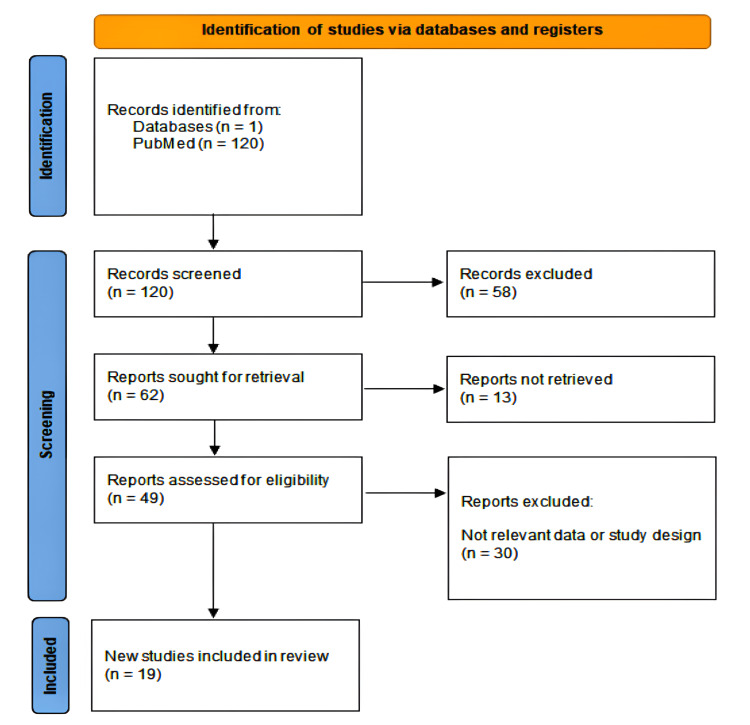
Postoperative management often demands the introduction of several strategies in an attempt to minimize complication rates. One of the routine strategies includes the use of spinal drains, which have been questioned for their efficacy in improving postoperative outcomes. However, its role in postoperative outcomes is still debated. In general, this elucidation of an extensive literature review supports the synthesis of current evidence regarding the role of spinal drains in infection rates, hematoma formation, and overall patient recovery. A comprehensive search of PubMed from 2000 to 2024 was performed, focusing on studies investigating the use of spinal drains in spinal surgeries and their associated postoperative outcomes. It followed the guidelines outlined by the Preferred Reporting Items for Systematic Reviews and Meta-Analyses (PRISMA). The inclusion criteria were studies related to spinal surgeries, excluding case reports, reviews, and editorials, and limited to articles published in English. Quality assessment was performed using the Risk Of Bias In Non-randomized Studies of Interventions (ROBINS-I) tool. A total of 19 studies were included, with different designs and varied sample sizes. The sample size was from 25 to 2,446 patients. Findings on infection rates were mixed; while one group of studies showed no significant differences in patients with and without drains, another group showed a reduced rate of reoperation for surgical site infections in patients with drains. In general, hematoma formation rates were reported to be the same across groups, while a few studies indicated that drains were more effective in managing wound exudates compared to no drains. Recovery outcomes indicated that patients who had a wound drain were more likely to stay in the hospital longer, although an improvement was noticed with time-driven wound drain removal, which resulted in shorter hospital stays and earlier ambulation. The use of spinal drains in postoperative spinal surgery presents both benefits and drawbacks. Spinal drains can assist in the management of wound exudates, and earlier detection of infection complications increases hospital stays and complications. Indeed, whether to use spinal drains or not should be an individual decision, weighing the potential benefits and risks. Future studies need to be done in order to establish clear guidelines for the use of drainage systems in various spinal surgical cases.
术后管理通常需要采用多种策略,以尽量降低并发症发生率。常规策略之一包括使用脊髓引流管,但其在改善术后结局方面的疗效一直受到质疑。然而,其在术后结局中的作用仍存在争议。总体而言,通过对大量文献综述的阐释,支持了关于脊髓引流管在感染率、血肿形成及患者整体恢复方面作用的现有证据的综合分析。对2000年至2024年的PubMed进行了全面检索,重点关注研究脊髓引流管在脊柱手术中的应用及其相关术后结局的研究。检索遵循系统评价和Meta分析的首选报告项目(PRISMA)所概述的指南。纳入标准为与脊柱手术相关的研究,排除病例报告、综述和社论,且仅限于英文发表的文章。使用干预性非随机研究的偏倚风险(ROBINS-I)工具进行质量评估。共纳入19项研究,设计各异,样本量也不同。样本量从25例至2446例患者不等。关于感染率的研究结果不一;一组研究表明使用引流管和未使用引流管的患者之间无显著差异,而另一组研究表明使用引流管的患者手术部位感染的再次手术率有所降低。总体而言,各研究组报告的血肿形成率相同,而一些研究表明与不使用引流管相比,引流管在处理伤口渗出液方面更有效。恢复结局表明,有伤口引流管的患者住院时间更可能更长,不过随着根据时间决定拔除伤口引流管,住院时间缩短且患者更早开始行走。在脊柱手术后使用脊髓引流管既有益处也有弊端。脊髓引流管有助于处理伤口渗出液,且早期发现感染并发症会增加住院时间和并发症。实际上,是否使用脊髓引流管应是一个个体化决策,需权衡潜在的益处和风险。未来需要开展研究,以便为各种脊柱手术病例中引流系统的使用制定明确的指南。