Dagher Chebly, Jailani Mohamed, Akiki Maria, Siddique Talha, Saleh Zidan, Nadler Evan
Internal Medicine, University of Connecticut, Farmington, USA.
Pulmonary and Critical Care, St. Francis Hospital, Hartford, USA.
Cureus. 2024 Sep 19;16(9):e69704. doi: 10.7759/cureus.69704. eCollection 2024 Sep.
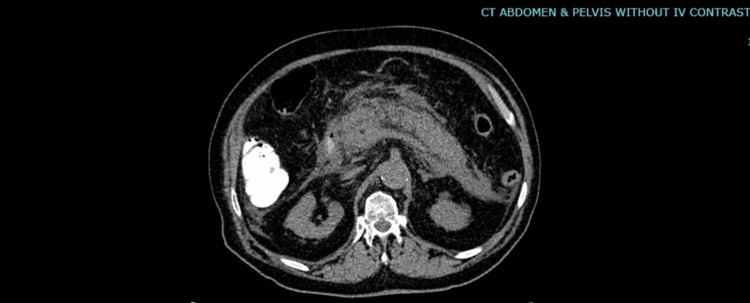
Glucagon-like peptide-1 receptor agonists (GLP-1RAs) are essential in managing type 2 diabetes mellitus, promoting glucose regulation, weight reduction, and cardiovascular protection. Here, we report a unique case of semaglutide-induced pancreatitis complicated by distributive shock and death after four years of use. A 74-year-old male with type 2 diabetes, atrial fibrillation, coronary artery disease, and obesity (BMI 31.7) presented with severe epigastric pain and was diagnosed with severe pancreatitis. He reported no recent alcohol, drug use, or abdominal trauma. His workup showed normal triglyceride and calcium levels, and abdominal ultrasound was negative for gallstones or choledocholithiasis. He had been on semaglutide for four years, with a dose increase from 0.25 to 0.5 mg weekly about four weeks prior to admission, which was associated with worsening side effects such as severe nausea and constipation. He was admitted to the intensive care unit for severe pancreatitis, which was complicated by distributive shock requiring vasopressors, renal failure requiring continuous renal replacement therapy, Acute respiratory distress syndrome (ARDS) requiring intubation, and subsequently, cardiac arrest. In this case, the patient developed severe acute pancreatitis leading to death after four years of GLP-1RA use, with a dose increase occurring four weeks prior to admission. The absence of typical risk factors suggests a potential link between long-term use and dose changes of GLP-1RAs and severe pancreatitis.
胰高血糖素样肽-1受体激动剂(GLP-1RAs)在2型糖尿病的管理中至关重要,有助于促进血糖调节、减轻体重以及保护心血管。在此,我们报告一例司美格鲁肽诱发胰腺炎的独特病例,患者在使用四年后并发分布性休克并死亡。一名74岁男性,患有2型糖尿病、心房颤动、冠状动脉疾病和肥胖症(BMI 31.7),出现严重上腹部疼痛,被诊断为重症胰腺炎。他自述近期无饮酒、药物使用或腹部外伤史。检查显示甘油三酯和钙水平正常,腹部超声未发现胆结石或胆总管结石。他已使用司美格鲁肽四年,在入院前约四周剂量从每周0.25毫克增加至0.5毫克,同时出现了如严重恶心和便秘等更严重的副作用。他因重症胰腺炎入住重症监护病房,并发分布性休克需要使用血管升压药、肾衰竭需要持续肾脏替代治疗、急性呼吸窘迫综合征(ARDS)需要插管,随后发生心脏骤停。在本病例中,患者在使用GLP-1RA四年后发生重症急性胰腺炎并导致死亡,剂量增加发生在入院前四周。典型危险因素的缺失提示GLP-1RAs的长期使用和剂量变化与重症胰腺炎之间可能存在关联。