Zhu Lei, Au Ryan, Dai Luming, Li Yanan, Xu Feng, Cui Yuan, Hu Jingyi, Shen Hong
Digestive Disease Research Institute, Affiliated Hospital of Nanjing University of Chinese Medicine, City Nanjing, People's Republic of China.
First Clinical Medical College, Nanjing University of Chinese Medicine, City Nanjing, People's Republic of China.
J Inflamm Res. 2024 Oct 14;17:7311-7324. doi: 10.2147/JIR.S472004. eCollection 2024.
Electroacupuncture (EA) exerts beneficial effects on ulcerative colitis. However, its underlying mechanisms remain elusive. In this study, we investigated the impact of high and low-frequency EA at Zusanli (ST36) on the gut microbiota and metabolite profile in the dextran sulfate sodium (DSS)-induced colitis mouse model.
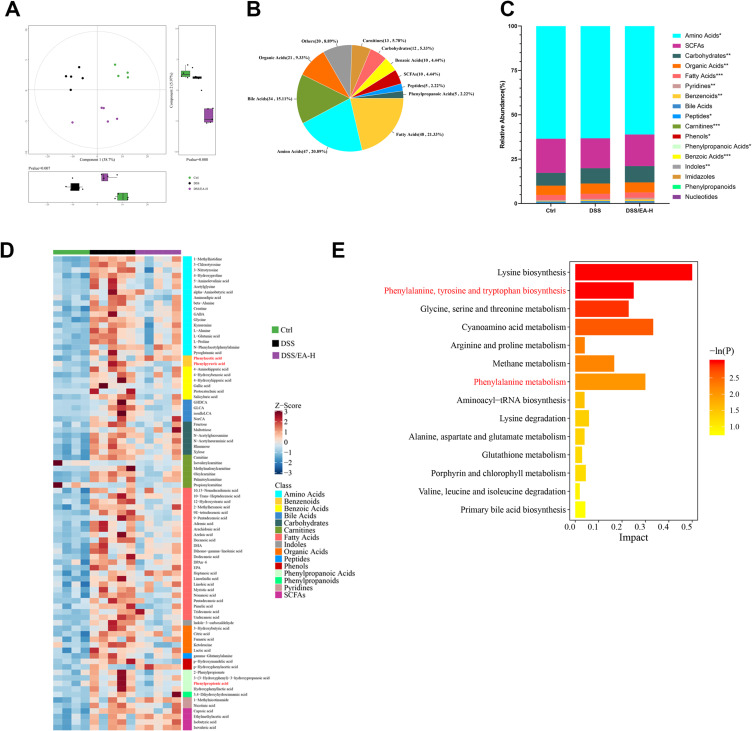
Colitis was established using DSS, and daily electroacupuncture at ST36 with varying frequencies was administered. Changes in body weight and fecal characteristics were monitored. Pro-inflammatory cytokines were detected, and the core molecule of intestinal barrier function were analyzed. The composition of intestinal flora was analyzed using 16S sRNA sequencing, while the changes of metabolites in colon tissue were detected by Ultra-performance liquid chromatography-tandem mass spectrometry (UPLC/MS/MS).
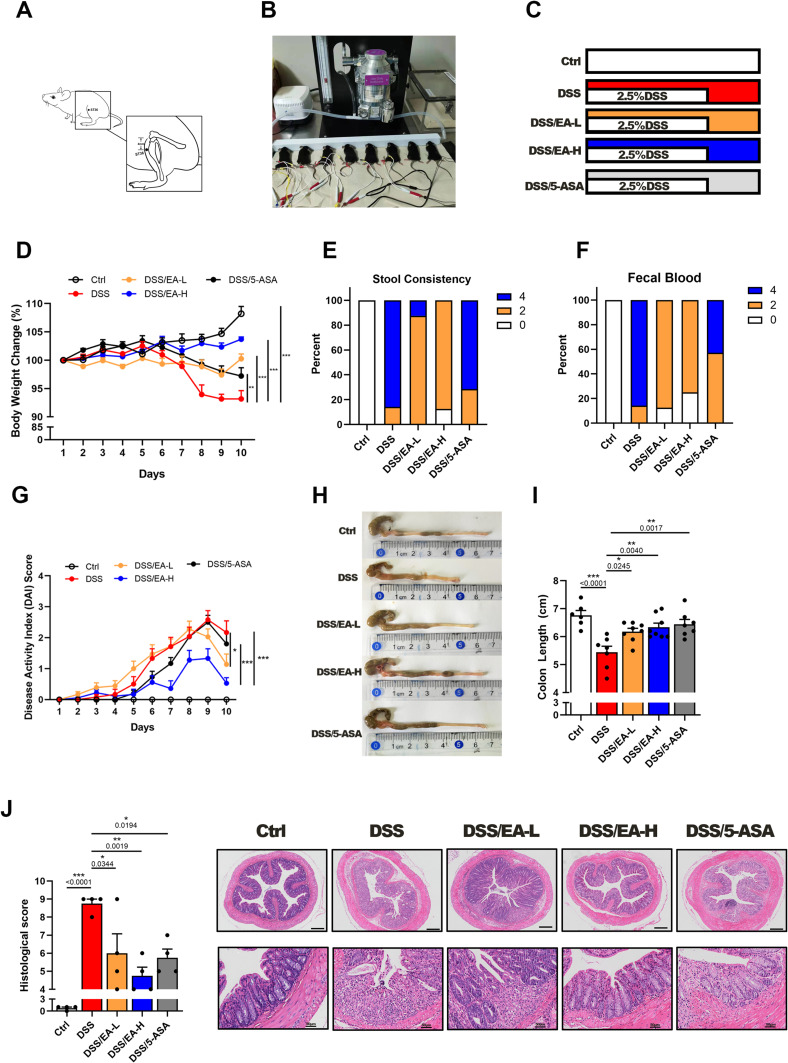
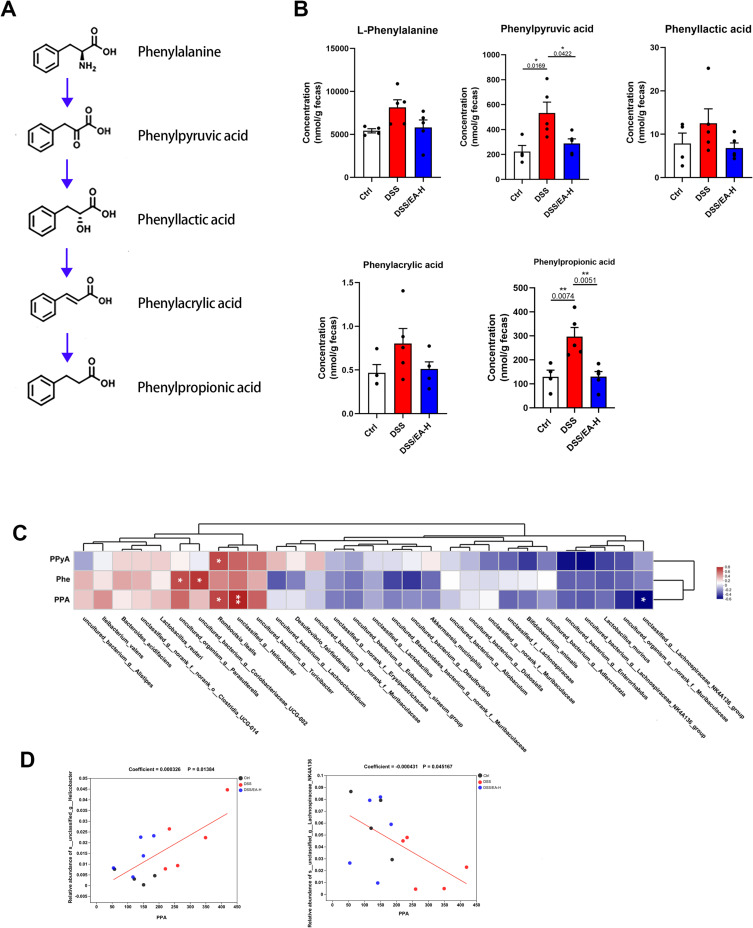
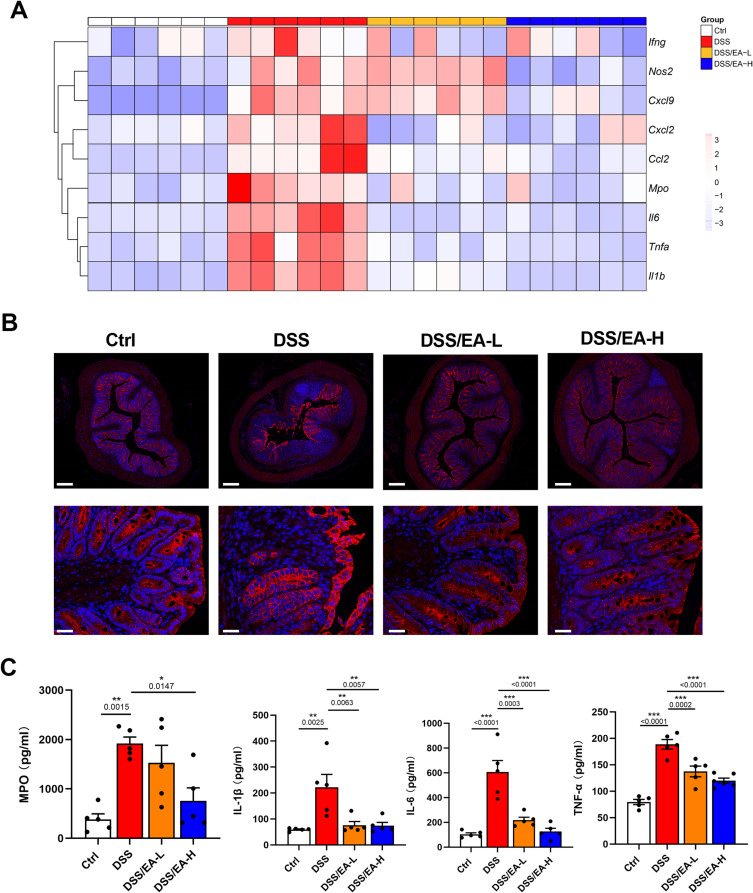
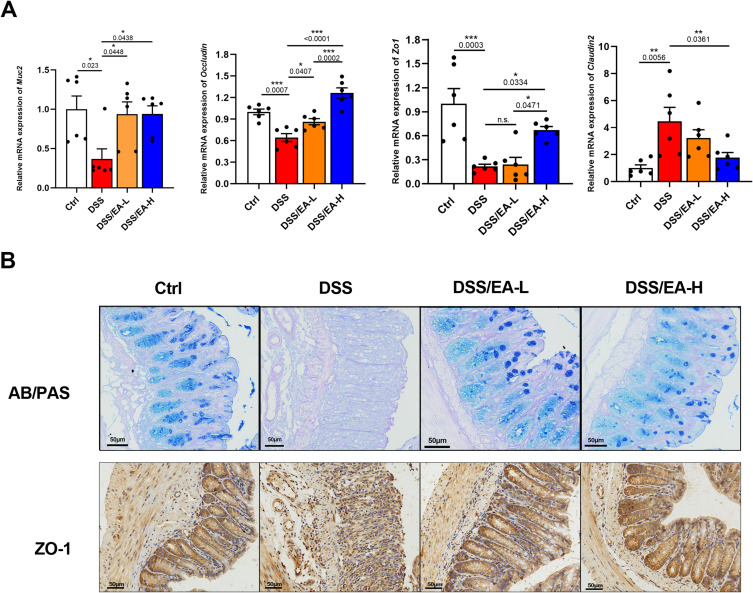
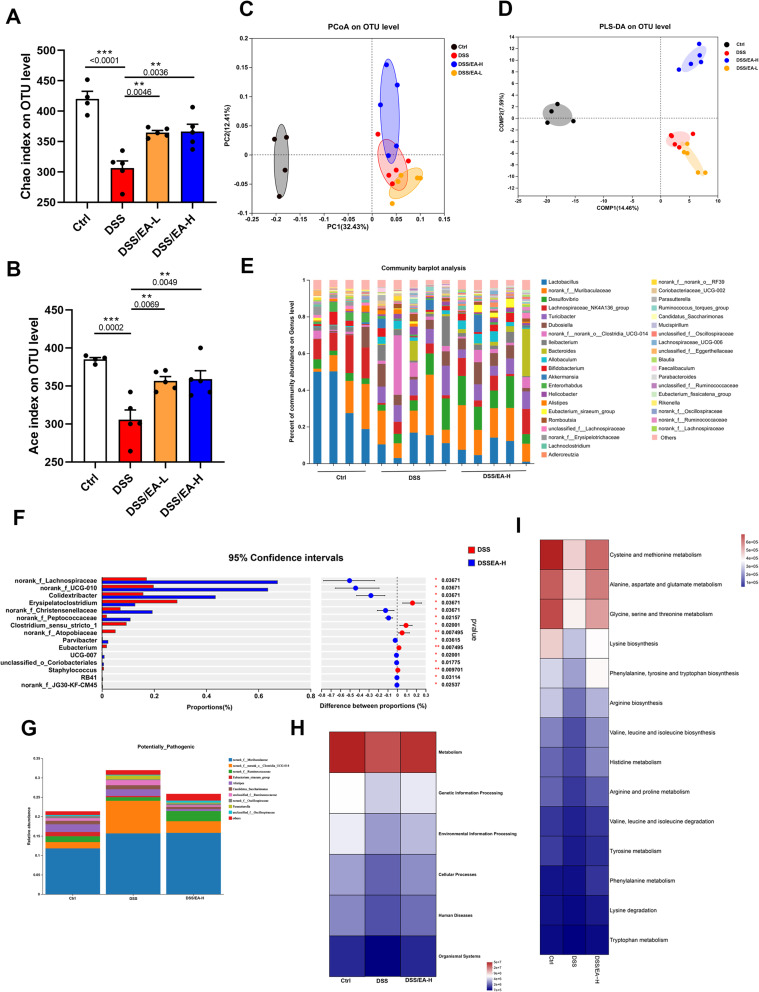
Treatment with both high and low frequencies of EA at ST36 significantly ameliorated the symptoms of colitis, while also exerting systemic and local anti-inflammatory effect by downregulating the proinflammatory cytokines, iNOS and MPO. EA at ST36 enhanced the intestinal barrier by upregulating the expression of MUC2 and ZO-1. Furthermore, high-frequency EA at ST36 remarkably restored the gut microbial composition and diversity, as well as modulated the gut microbial metabolism of phenylalanine.
Our results suggest that EA treatment may alleviate colitis by reducing colon damage through gut microbiota-phenylalanine metabolism, which provides insight into EA's underlying mechanisms in the treatment of colitis.
电针(EA)对溃疡性结肠炎具有有益作用。然而,其潜在机制仍不清楚。在本研究中,我们研究了足三里(ST36)高频和低频电针对葡聚糖硫酸钠(DSS)诱导的结肠炎小鼠模型肠道微生物群和代谢物谱的影响。
使用DSS建立结肠炎模型,并对ST36进行不同频率的每日电针治疗。监测体重和粪便特征的变化。检测促炎细胞因子,并分析肠道屏障功能的核心分子。使用16S sRNA测序分析肠道菌群的组成,同时通过超高效液相色谱-串联质谱(UPLC/MS/MS)检测结肠组织中代谢物的变化。
ST36高频和低频电针治疗均显著改善了结肠炎症状,同时通过下调促炎细胞因子、诱导型一氧化氮合酶(iNOS)和髓过氧化物酶(MPO)发挥全身和局部抗炎作用。ST36电针通过上调MUC2和紧密连接蛋白1(ZO-1)的表达增强肠道屏障。此外,ST36高频电针显著恢复了肠道微生物组成和多样性,并调节了苯丙氨酸的肠道微生物代谢。
我们的结果表明,电针治疗可能通过肠道微生物群-苯丙氨酸代谢减少结肠损伤来减轻结肠炎,这为电针治疗结肠炎的潜在机制提供了见解。