Rahmani Kheyrollahi Maryam, Mohammadnejad Javad, Eidi Akram, Jafary Hanieh
Department of Biology, Science and Research Branch, Islamic Azad University, Tehran, P.O. Box 14515/775, Iran.
Department of Life science engineering, Faculty of New Sciences and Technologies, University of Tehran, 1439957131, Tehran, Iran.
Heliyon. 2024 Oct 5;10(19):e38904. doi: 10.1016/j.heliyon.2024.e38904. eCollection 2024 Oct 15.
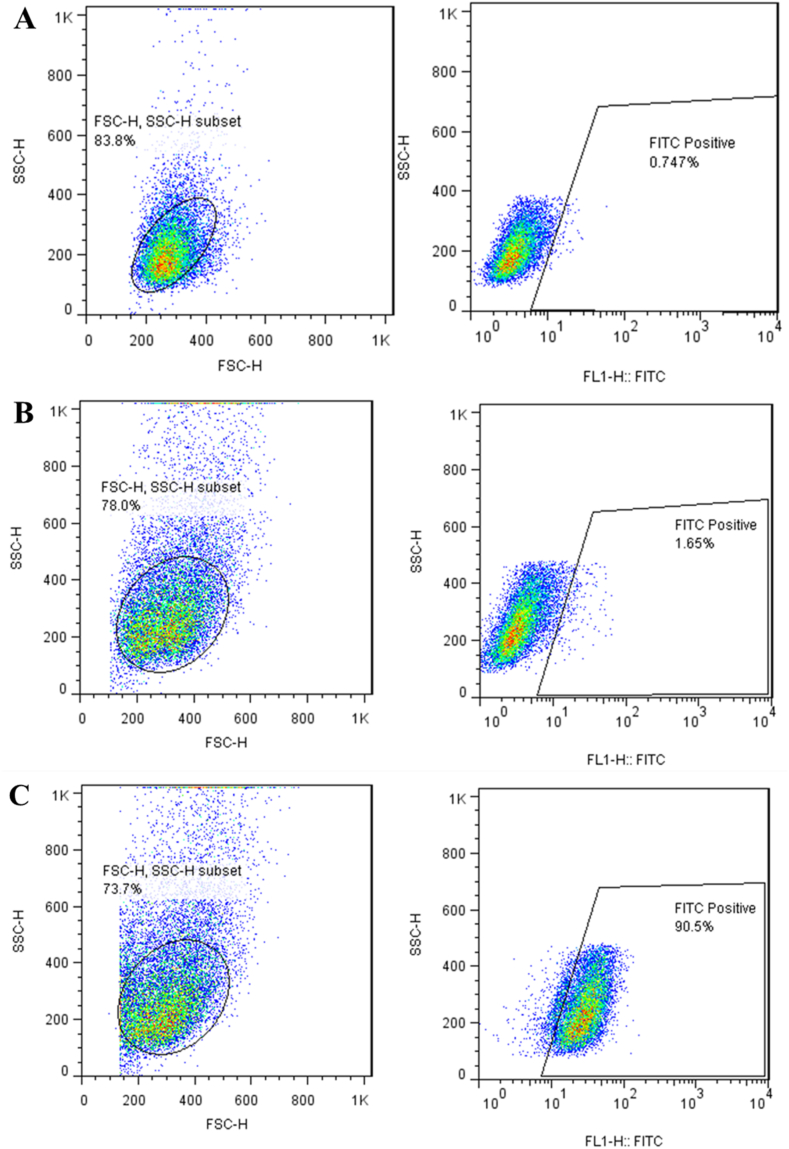
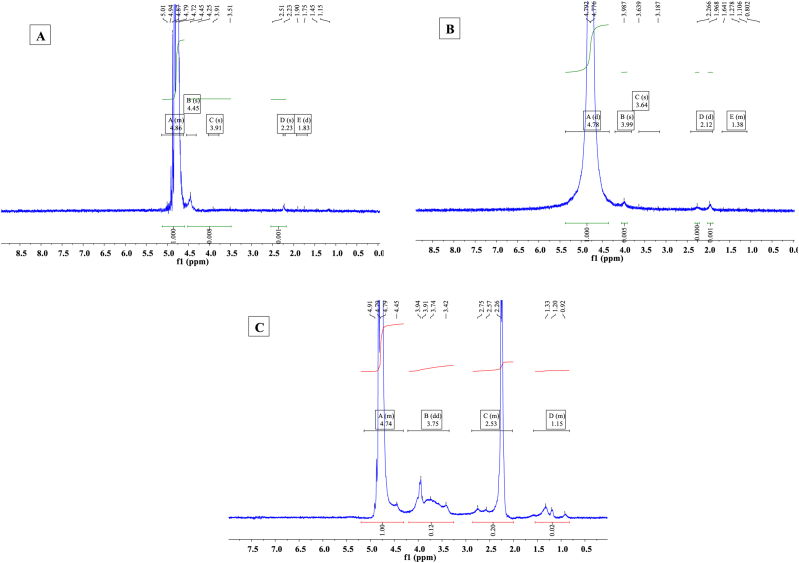
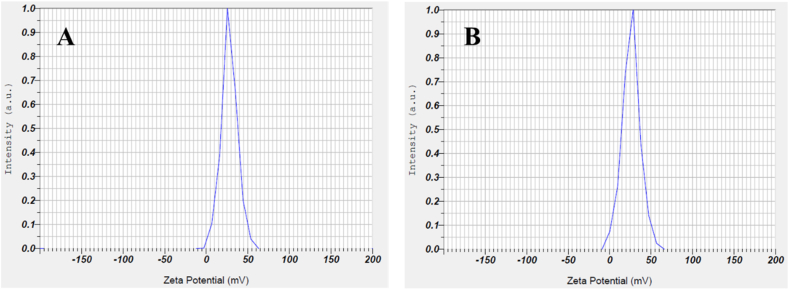
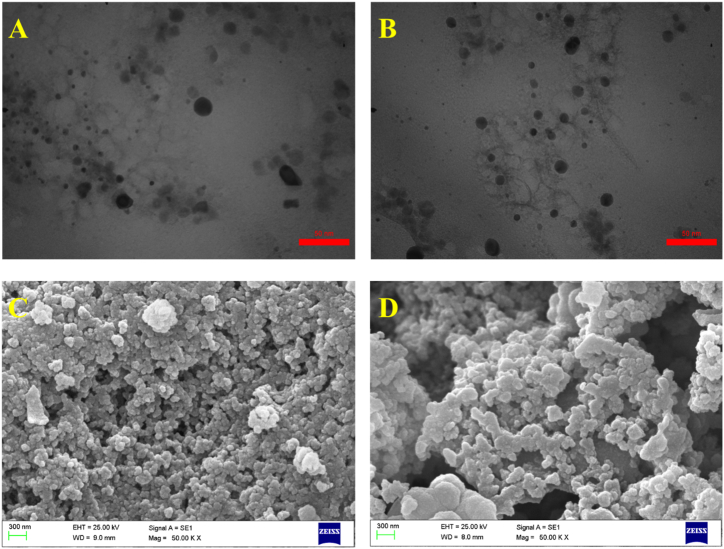
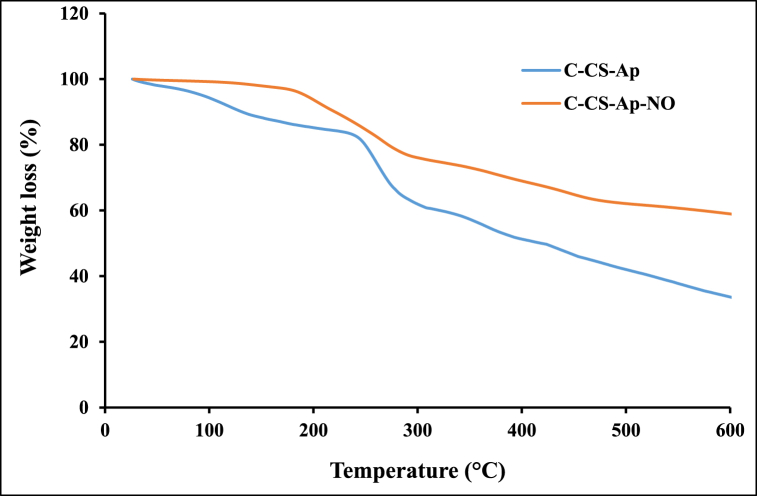
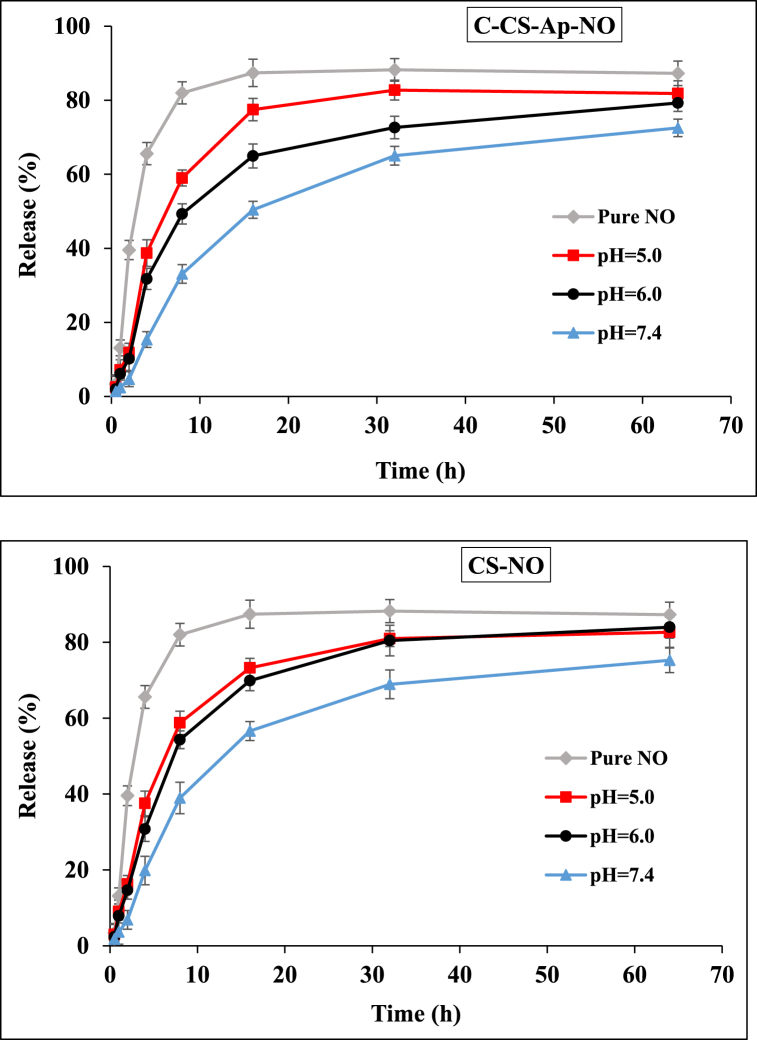
Nowadays, finding effective approaches for cancer therapy is one of the significant issues related to human health all over the world. Hence, in this research, we designed and synthesized a novel targeted DDS based on surface-modified chitosan (CS) for the effective delivery of noscapine (NO). As the surface of CS nanoparticles was firstly modified with carboxyl groups and followed by covalent conjugation of DNA-aptamer (Ap) as targeting and receptor blocker agent. Secondly, NO, as a chemotherapeutic agent, was loaded into prepared nano-complex and synthetics were effectively characterized via various analytical devices, including FT-IR, 1H NMR, DLS, Zeta potential analyzer, TGA, TEM, and SEM to verify quality and quantity of synthetics. Drug loading was obtained about 25 % and sustained drug release was observed for nano-complex at different pHs. Then, the cell viability assay was performed on MCF-7 (as breast cancer cell) and HFF-1 (as normal cell) cell lines to investigate cancer cell inhibition potency of nano-complex. Cell viability of cancer cells was 19.84 ± 1.87 % (for C-CS-Ap-NO) and 75.43 ± 2.64 % (for C-CS-Ap) after 72 h of treatment with 400 nM concentration. These results have been confirming the excellent potency of synthesized novel nano-complex as practical DDS in cancer therapy.
如今,寻找有效的癌症治疗方法是全球范围内与人类健康相关的重大问题之一。因此,在本研究中,我们设计并合成了一种基于表面修饰壳聚糖(CS)的新型靶向药物递送系统(DDS),用于有效递送那可丁(NO)。首先用羧基修饰CS纳米颗粒的表面,然后共价偶联DNA适配体(Ap)作为靶向和受体阻断剂。其次,将作为化疗药物的NO负载到制备的纳米复合物中,并通过各种分析仪器对合成物进行有效表征,包括傅里叶变换红外光谱仪(FT-IR)、核磁共振仪(1H NMR)、动态光散射仪(DLS)、Zeta电位分析仪、热重分析仪(TGA)、透射电子显微镜(TEM)和扫描电子显微镜(SEM),以验证合成物的质量和数量。纳米复合物的载药量约为25%,并在不同pH值下观察到药物的持续释放。然后,对MCF-7(乳腺癌细胞)和HFF-1(正常细胞)细胞系进行细胞活力测定,以研究纳米复合物对癌细胞的抑制能力。用400 nM浓度处理72小时后,癌细胞的细胞活力分别为19.84±1.87%(C-CS-Ap-NO组)和75.43±2.64%(C-CS-Ap组)。这些结果证实了合成的新型纳米复合物作为癌症治疗中实用的药物递送系统具有优异的效能。