Wang Ning, Yuan Yiru, Hu Tianhao, Xu Huizhe, Piao Haozhe
Department of Neurosurgery, Cancer Hospital of Dalian University of Technology, Cancer Hospital of China Medical University, Liaoning Cancer Hospital & Institute, No.44 Xiaoheyan Road, Shenyang, Dadong, 110042, P R China.
Institute of Cancer Medicine, Dalian University of Technology, No.2 Linggong Road, Dalian, Ganjingzi, 116024, P R China.
Discov Oncol. 2024 Oct 22;15(1):577. doi: 10.1007/s12672-024-01402-5.
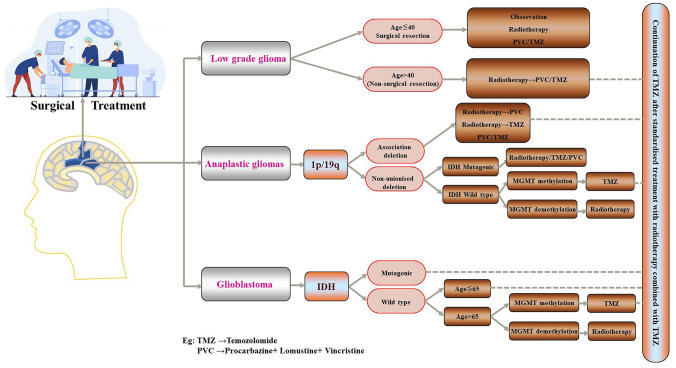
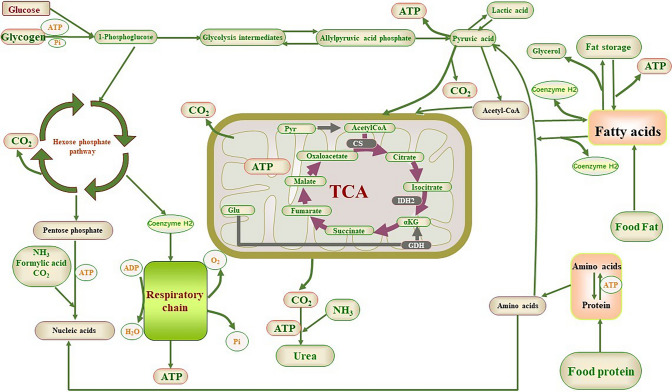
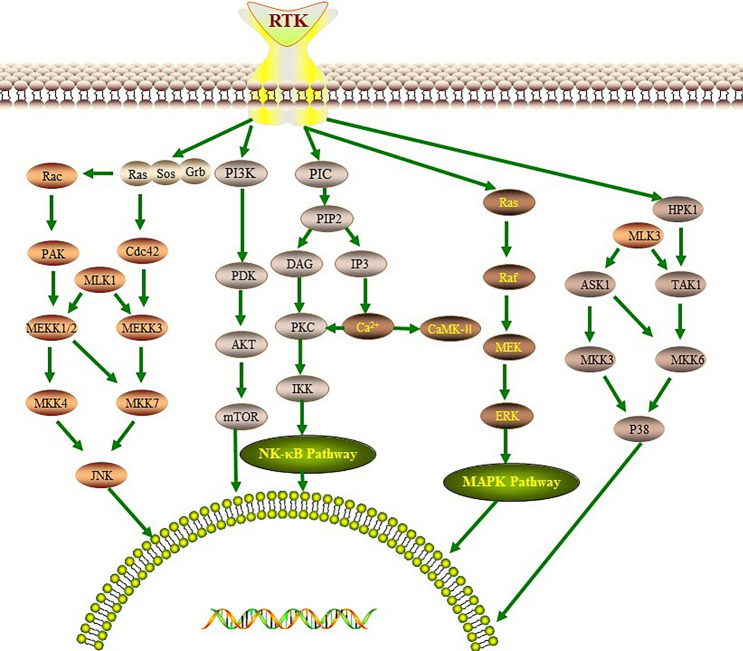
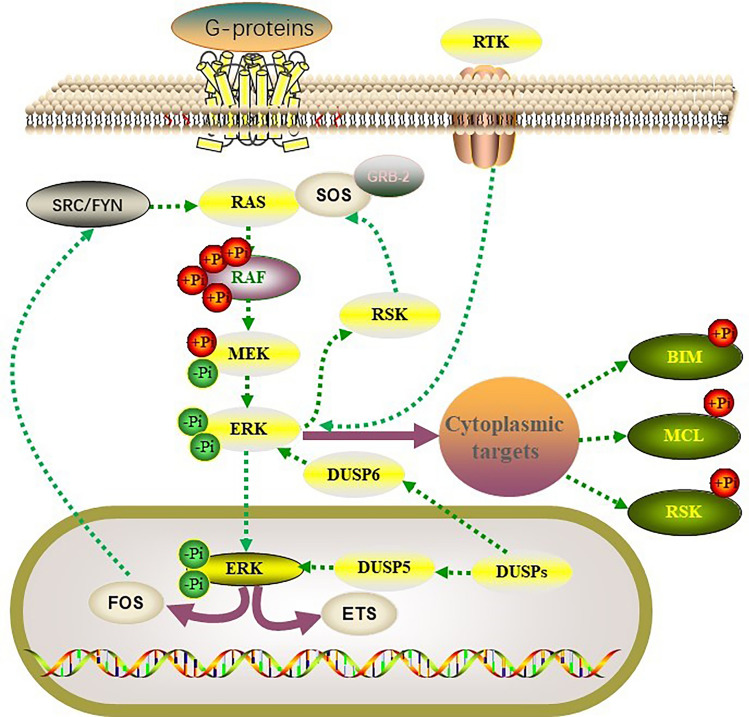
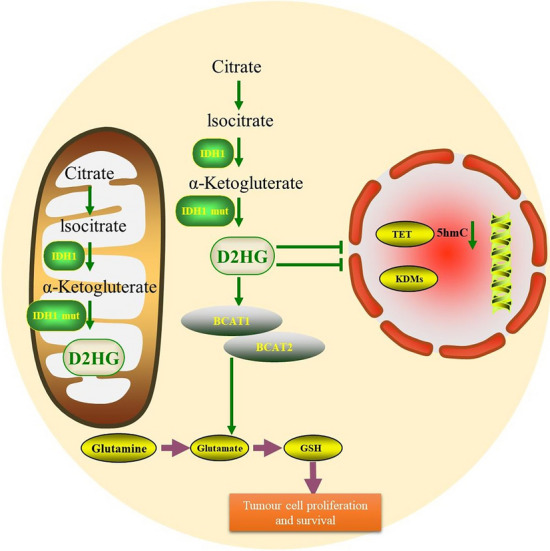
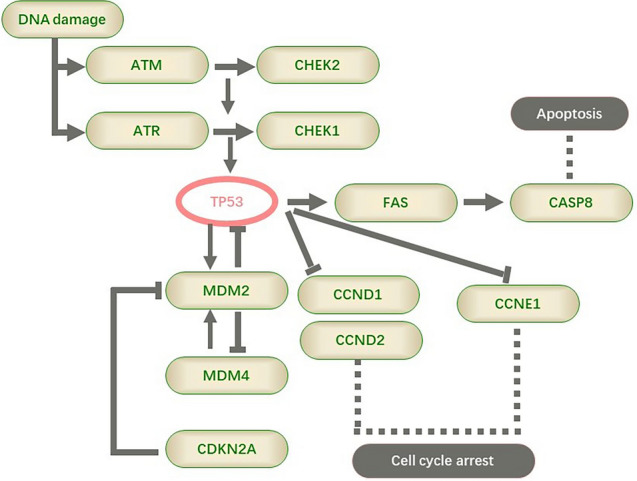
Gliomas are malignant tumors originating from both neuroglial cells and neural stem cells. The involvement of neural stem cells contributes to the tumor's heterogeneity, affecting its metabolic features, development, and response to therapy. This review provides a brief introduction to the importance of metabolism in gliomas before systematically categorizing them into specific groups based on their histological and molecular genetic markers. Metabolism plays a critical role in glioma biology, as tumor cells rely heavily on altered metabolic pathways to support their rapid growth, survival, and progression. Dysregulated metabolic processes, involving carbohydrates, lipids, and amino acids not only fuel tumor development but also contribute to therapy resistance and metastatic potential. By understanding these metabolic changes, key intervention points, such as mutations in genes like RTK, EGFR, RAS, and IDH can be identified, paving the way for novel therapeutic strategies. This review emphasizes the connection between metabolic pathways and clinical challenges, offering actionable insights for future research and therapeutic development in gliomas.
胶质瘤是起源于神经胶质细胞和神经干细胞的恶性肿瘤。神经干细胞的参与导致了肿瘤的异质性,影响其代谢特征、发展及对治疗的反应。本综述在基于组织学和分子遗传标记将胶质瘤系统分类为特定组之前,简要介绍了代谢在胶质瘤中的重要性。代谢在胶质瘤生物学中起着关键作用,因为肿瘤细胞严重依赖改变的代谢途径来支持其快速生长、存活和进展。涉及碳水化合物、脂质和氨基酸的代谢过程失调不仅为肿瘤发展提供能量,还导致治疗抗性和转移潜能。通过了解这些代谢变化,可以确定关键干预点,如RTK、EGFR、RAS和IDH等基因的突变,为新的治疗策略铺平道路。本综述强调了代谢途径与临床挑战之间的联系,为胶质瘤未来的研究和治疗发展提供了可行的见解。