Mali Matilda, Alfio Maria Rosaria, Balacco Gabriella, Ranieri Gennaro, Specchio Vito, Fidelibus Maria Dolores
Department of Civil, Environmental, Land, Building Engineering and Chemistry (DICATECh), Polytechnic University of Bari, Via Orabona 4, 70126, Bari, Italy.
SOGESID S.p.A, Via Nomentana 41, 00161, Roma, Italy.
Sci Rep. 2024 Oct 22;14(1):24859. doi: 10.1038/s41598-024-75974-1.
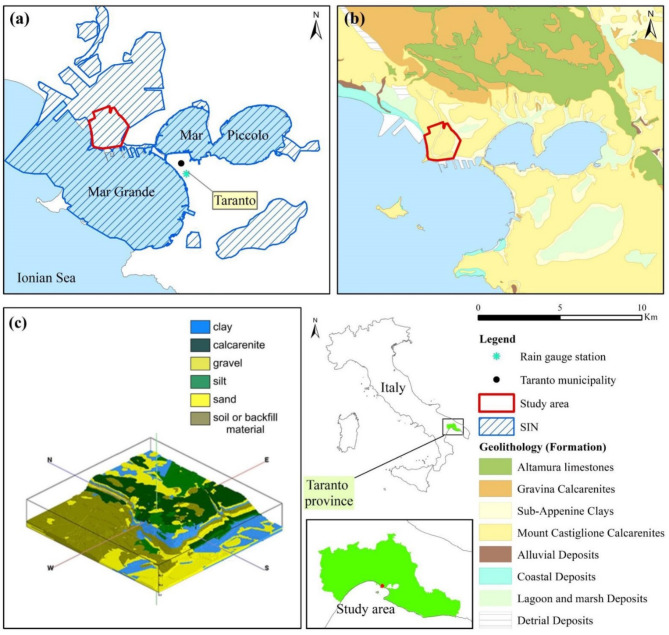
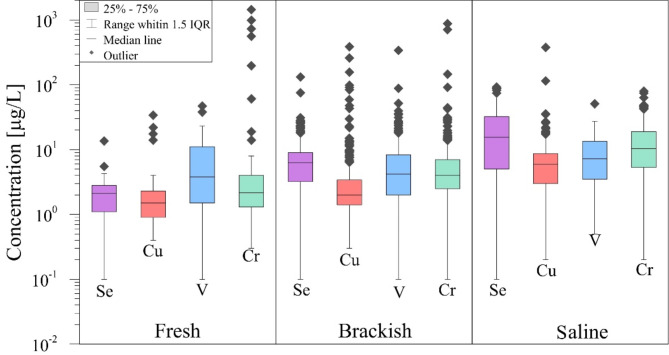
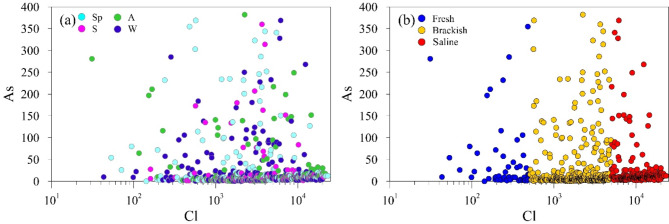
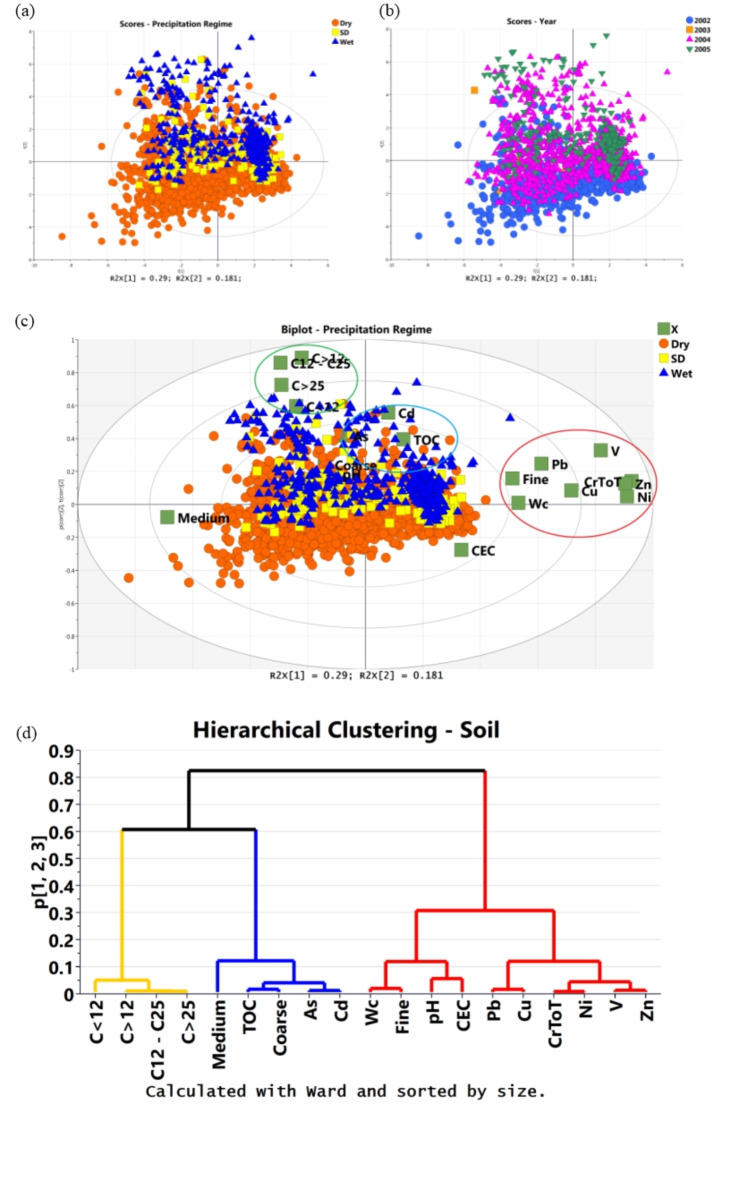
Water pollution is a significant issue resulting from past long-term actions. The remediation projects carried out under law constraints for industrial plants, which have been the major contributors to environmental and water pollution, are currently providing a significant amount of data about contaminated soil, surface waters, and groundwater. Most of such plants worldwide are in coastal zones. Based on a significant amount of chemical and environmental data for a coastal contaminated site subject to variable groundwater salinization, this study aimed to understand the mobility of some trace elements because of coastal zone dynamics. Data concerned 688 groundwater samples, including As, Hg, Cd, Cr, Cu, Ni, Pb, V, Se, Zn, pH, electrical conductivity, chlorides, total organic carbon and organic contaminants as quantitative variables, enhanced by additional qualitative variables such as groundwater salinity, season, water level, precipitation, and industrial activity type to make the dataset as representative as possible of the site under investigation. The study used robust multivariate statistical analyses to analyse the complex dataset and explain the relevant factors influencing contaminant behaviour under different environmental conditions. The Multivariate Statistical Analysis distinguished three clusters of trace elements with diverse reactivity to changes in groundwater salinization. The first includes Se, Cu, Cr, V, and Ni, showing the highest correlation with electrical conductivity and chlorides because of their high affinity to form chloride or organic chloride complexes and for ion competition. Zn and Pb cluster in the second group: they are less reactive to groundwater salinization and more influenced by cation and anion competition and organic matter. The mobility of Hg and As (third cluster) significantly correlates with Fe and Mn, underlining the dominant role of reductive dissolution of trace elements-bearing minerals (Fe/Mn/Al-oxy-hydroxides) and metal-organic complexes. The correlation between the clustering of variables in groundwater and soils shows the influence of sediment structure, mineral composition, and physical and chemical soil conditions on the distribution in soils of trace elements and their transport to groundwater. The study proposes a valuable approach for assessing the effects of salinization in contaminated coastal aquifers. It supports planning multi-purpose characterization and monitoring campaigns of contaminated coastal sites and provides guidance on the correct associated remediation projects.
水污染是过去长期行为导致的一个重大问题。在法律约束下对工业工厂开展的修复项目,这些工厂一直是环境和水污染的主要来源,目前正在提供大量有关受污染土壤、地表水和地下水的数据。全球大多数此类工厂位于沿海地区。基于一个受可变地下水盐渍化影响的沿海污染场地的大量化学和环境数据,本研究旨在了解由于沿海地区动态变化导致的一些微量元素的迁移性。数据涉及688个地下水样本,包括砷、汞、镉、铬、铜、镍、铅、钒、硒、锌、pH值、电导率、氯化物、总有机碳和有机污染物作为定量变量,并通过额外的定性变量如地下水盐度、季节、水位、降水量和工业活动类型进行补充,以使数据集尽可能代表所调查的场地。该研究使用稳健的多元统计分析来分析复杂的数据集,并解释在不同环境条件下影响污染物行为的相关因素。多元统计分析区分出了对地下水盐渍化变化具有不同反应性的三类微量元素。第一类包括硒、铜、铬、钒和镍,由于它们对形成氯化物或有机氯化物络合物具有高亲和力以及离子竞争,与电导率和氯化物显示出最高的相关性。锌和铅归为第二类:它们对地下水盐渍化的反应性较低,更多地受阳离子和阴离子竞争以及有机物的影响。汞和砷(第三类)的迁移性与铁和锰显著相关,突出了含微量元素矿物(铁/锰/铝羟基氧化物)和金属有机络合物的还原溶解的主导作用。地下水中变量聚类与土壤中变量聚类之间的相关性表明了沉积物结构、矿物成分以及土壤物理和化学条件对微量元素在土壤中的分布及其向地下水迁移的影响。该研究提出了一种评估受污染沿海含水层盐渍化影响的有价值方法。它支持规划受污染沿海场地的多用途特征描述和监测活动,并为正确的相关修复项目提供指导。