Department of General Surgery & Guangdong Provincial Key Laboratory of Precision Medicine for Gastrointestinal Tumor, Nanfang Hospital, The First School of Clinical Medicine, Southern Medical University, Guangzhou, China.
Department of General Surgery, Shenzhen Qianhai Taikang Hospital, No. 3099, Menghai Avenue, Nanshan District, Shenzhen, 518000, China.
J Transl Med. 2024 Oct 24;22(1):966. doi: 10.1186/s12967-024-05732-4.
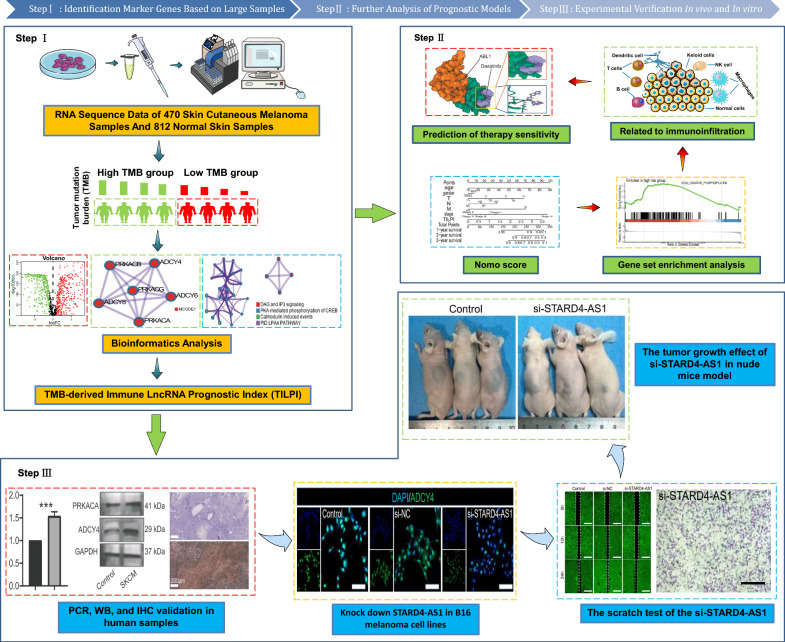
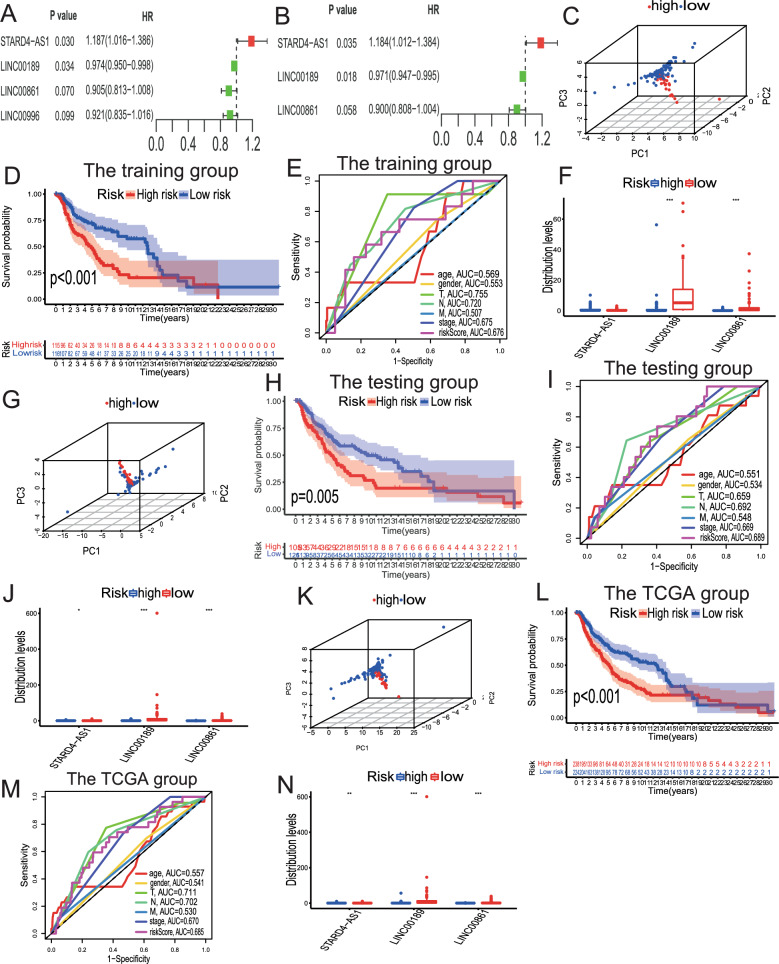
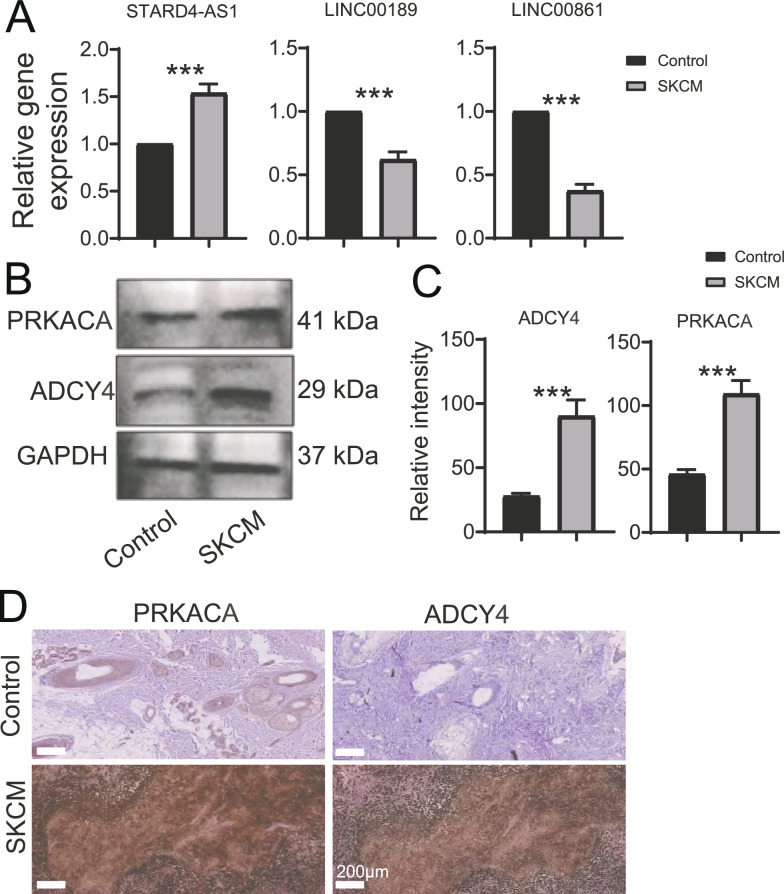
Skin cutaneous melanoma (SKCM) poses a significant public health challenge due to its aggressive nature and limited treatment options. To address this, the study introduces the Tumor Mutational Burden-Derived Immune lncRNA Prognostic Index (TILPI) as a potential prognostic tool for SKCM.
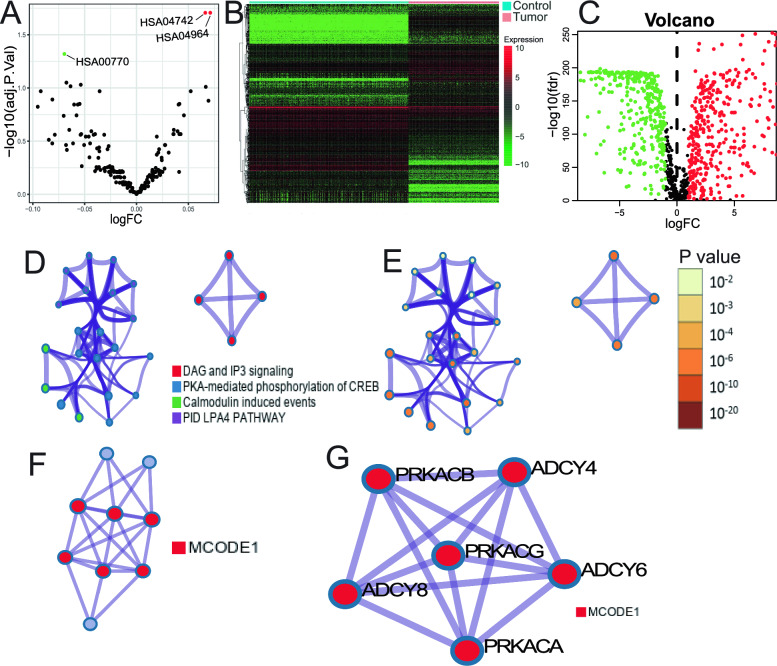
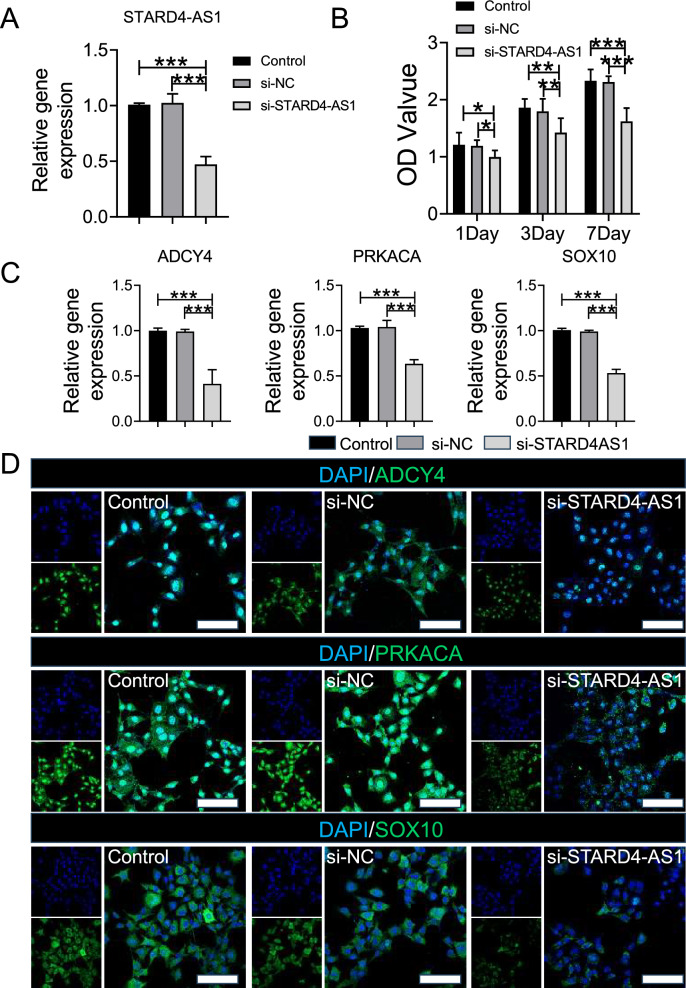
TILPI was developed using a combination of gene set variation analysis, differential expression analysis, and COX regression analysis. Additionally, functional experiments were conducted to validate the findings, focusing on the effects of STARD4-AS1 knockdown on SKCM tumor cell behavior. These experiments encompassed assessments of tumor cell proliferation, gene and protein expression, migration, invasion, and in vivo tumor growth.
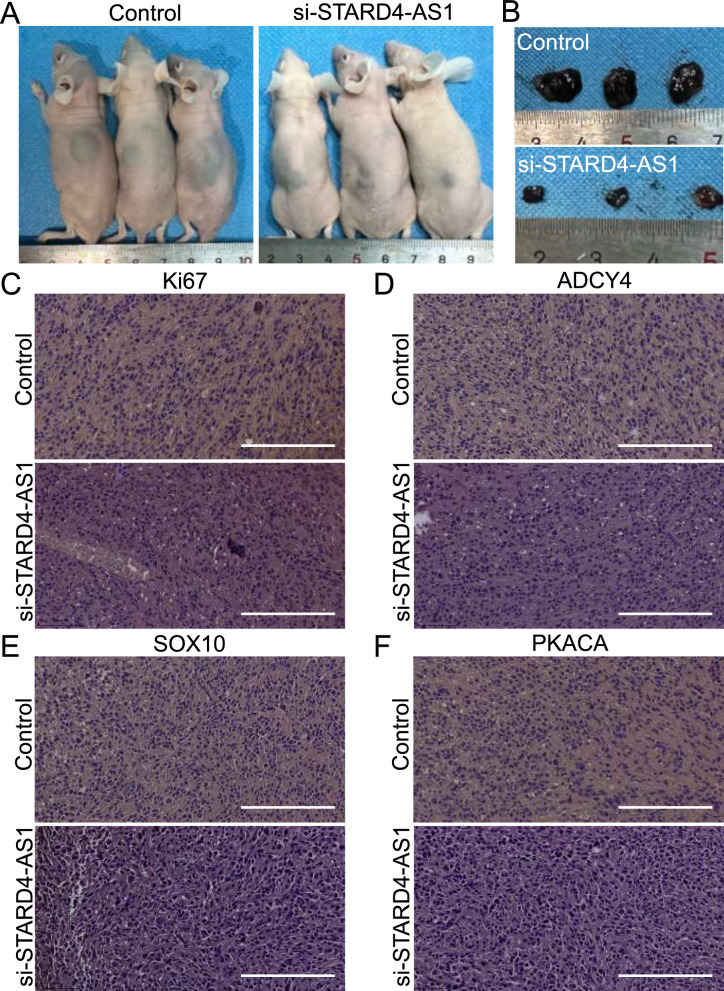
The results demonstrated that knockdown of STARD4-AS1 led to a significant reduction in tumor cell proliferation and impaired migration and invasion abilities. Moreover, it resulted in the downregulation of ADCY4, PRKACA, and SOX10 gene expression, as well as decreased protein expression of ADCY4, PRKACA, and SOX10. In vivo experiments further confirmed the efficacy of STARD4-AS1 knockdown in reducing tumor growth.
This study elucidates the mechanistic role of STARD4-AS1 and its downstream targets in SKCM progression, highlighting the importance of the ADCY4/PRKACA/SOX10 pathway. The integration of computational analysis with experimental validation enhances the understanding of TILPI and its clinical implications. Overall, the findings underscore the potential of novel computational frameworks like TILPI in predicting and managing SKCM, particularly through targeting the ADCY4/PRKACA/SOX10 pathway.
皮肤黑色素瘤(SKCM)由于其侵袭性和有限的治疗选择,对公共健康构成了重大挑战。为了解决这个问题,本研究提出了肿瘤突变负担衍生的免疫 lncRNA 预后指数(TILPI)作为 SKCM 的一种潜在预后工具。
TILPI 是通过基因集变异分析、差异表达分析和 COX 回归分析相结合开发的。此外,还进行了功能实验来验证这些发现,重点研究了 STARD4-AS1 敲低对 SKCM 肿瘤细胞行为的影响。这些实验包括评估肿瘤细胞增殖、基因和蛋白表达、迁移、侵袭和体内肿瘤生长。
结果表明,STARD4-AS1 的敲低导致肿瘤细胞增殖显著减少,迁移和侵袭能力受损。此外,它导致 ADCY4、PRKACA 和 SOX10 基因表达下调,以及 ADCY4、PRKACA 和 SOX10 蛋白表达降低。体内实验进一步证实了 STARD4-AS1 敲低在减少肿瘤生长方面的疗效。
本研究阐明了 STARD4-AS1 及其下游靶点在 SKCM 进展中的机制作用,强调了 ADCY4/PRKACA/SOX10 通路的重要性。计算分析与实验验证的结合增强了对 TILPI 及其临床意义的理解。总体而言,这些发现突显了像 TILPI 这样的新计算框架在预测和管理 SKCM 方面的潜力,特别是通过靶向 ADCY4/PRKACA/SOX10 通路。