Petrescu Stelian-Mihai-Sever, Rauten Anne-Marie, Popescu Mihai, Popescu Mihai Raul, Popa Dragoș Laurențiu, Ilie Dumitru, Duță Alina, Răcilă Laurențiu Daniel, Vintilă Daniela Doina, Buciu Gabriel
Department of Orthodontics, Faculty of Dental Medicine, University of Medicine and Pharmacy of Craiova, 200349 Craiova, Romania.
Department of Pedodontics, Faculty of Dental Medicine, University of Medicine and Pharmacy of Craiova, 200349 Craiova, Romania.
Bioengineering (Basel). 2024 Oct 7;11(10):1002. doi: 10.3390/bioengineering11101002.
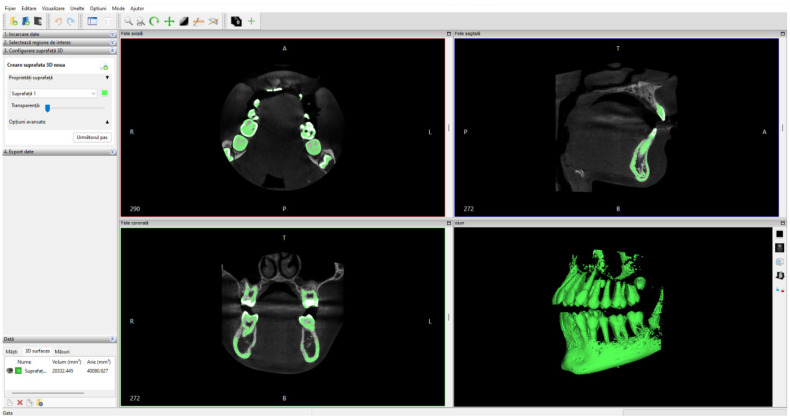
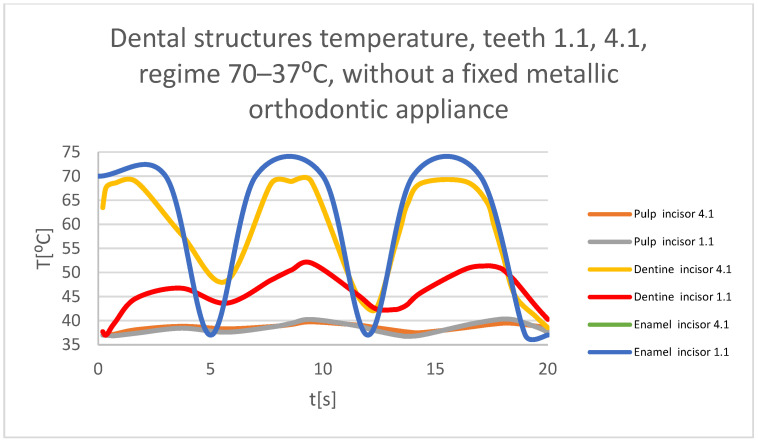
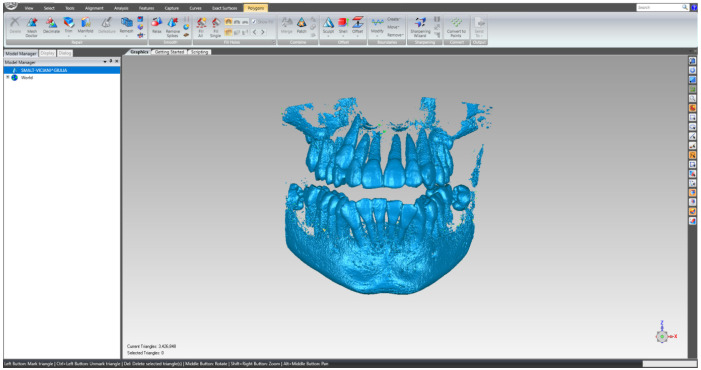
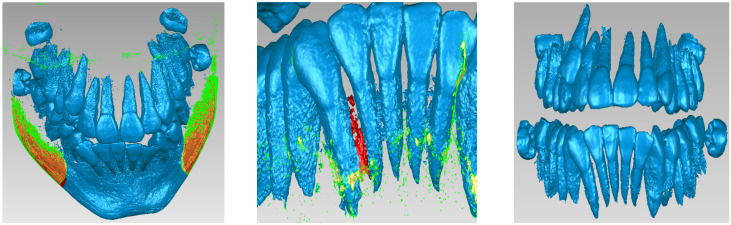
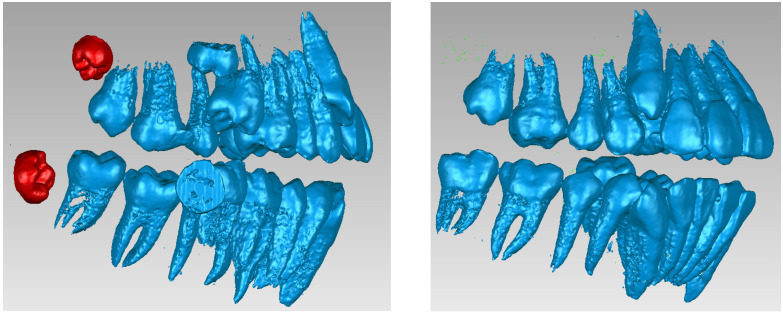
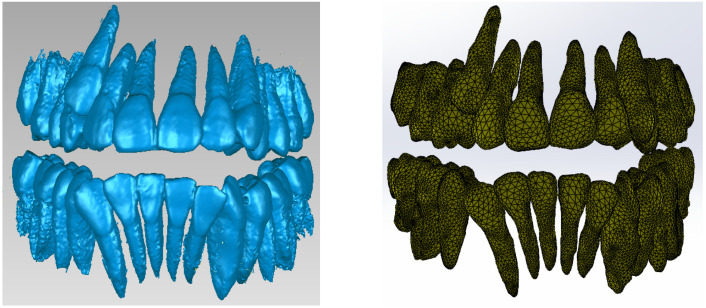
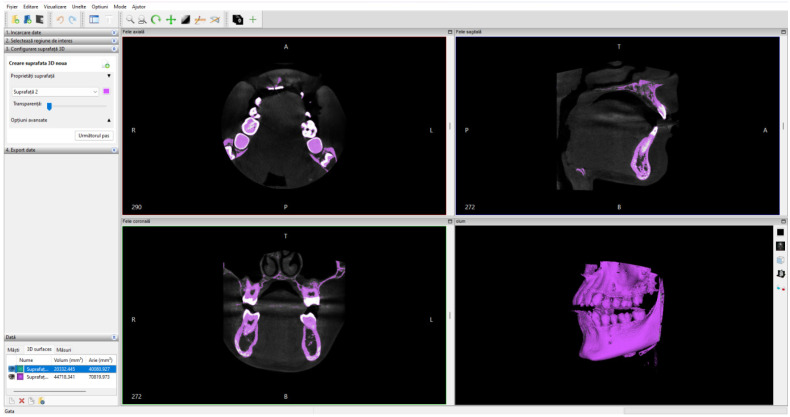
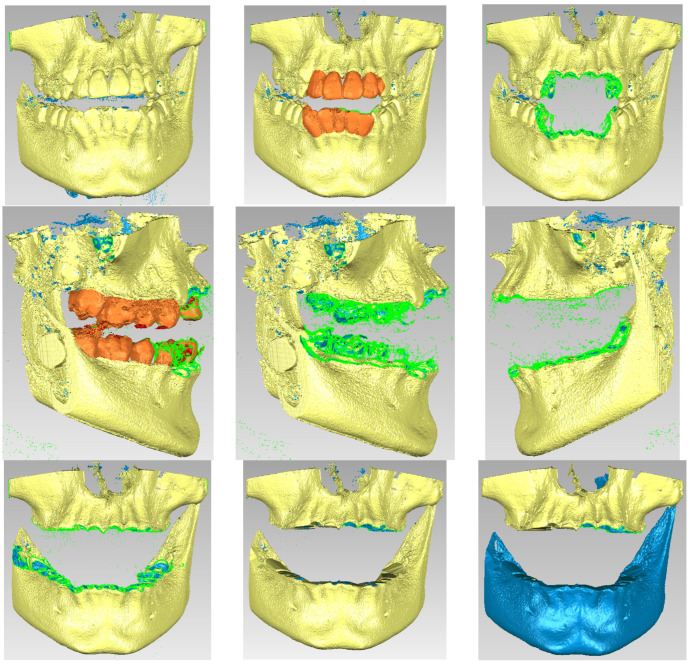
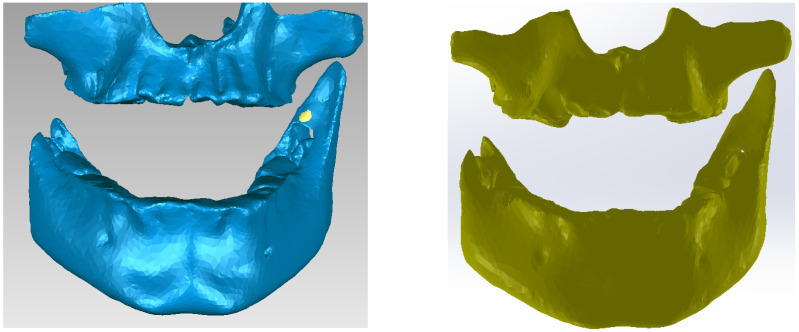
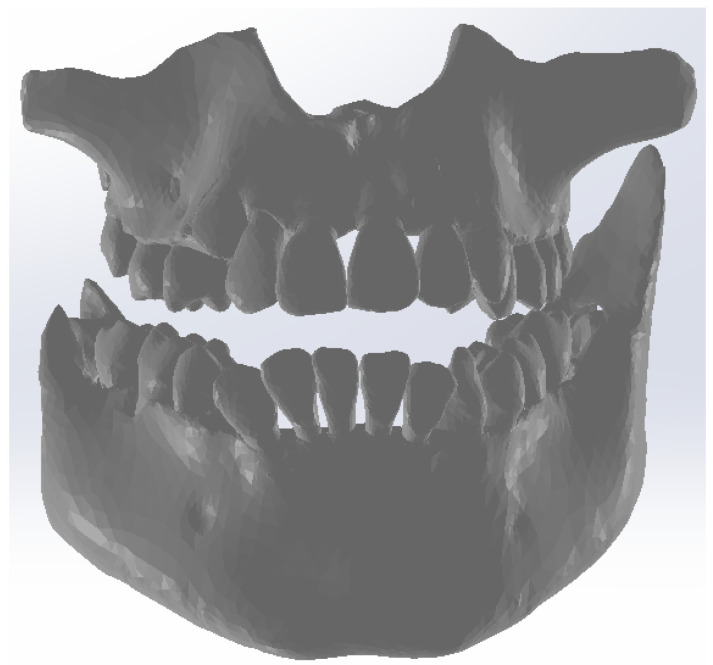
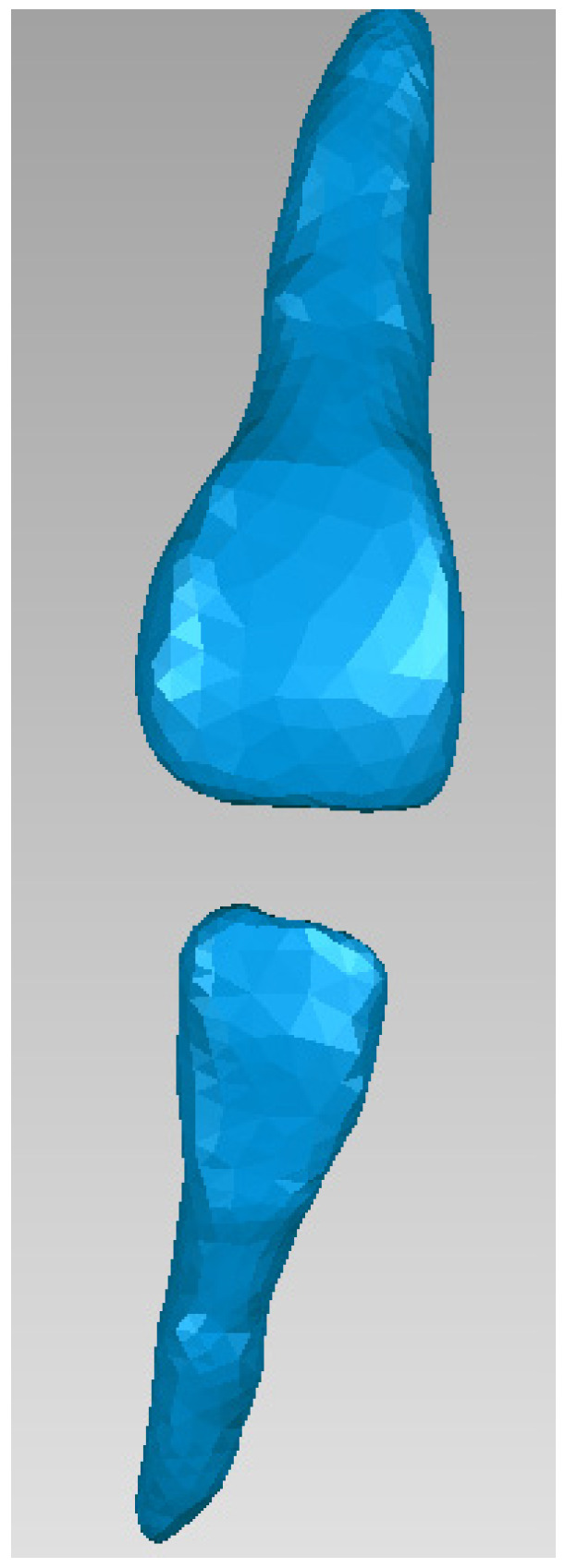
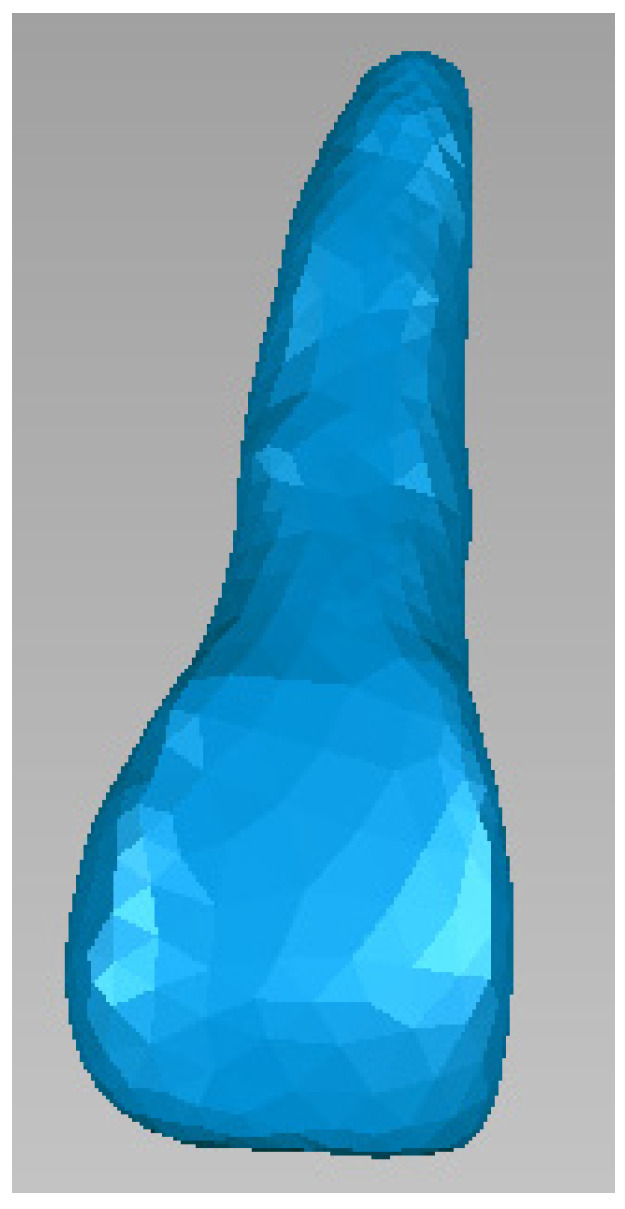
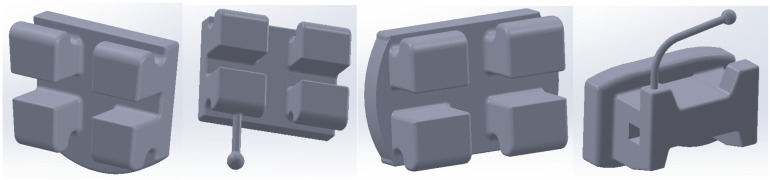
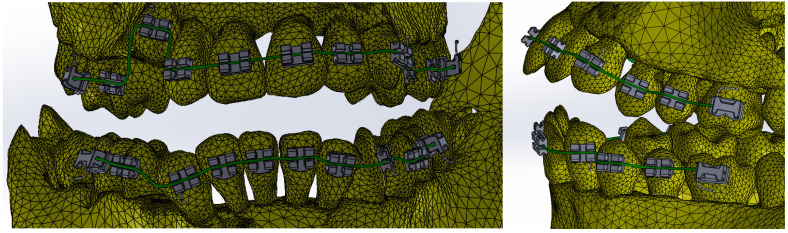
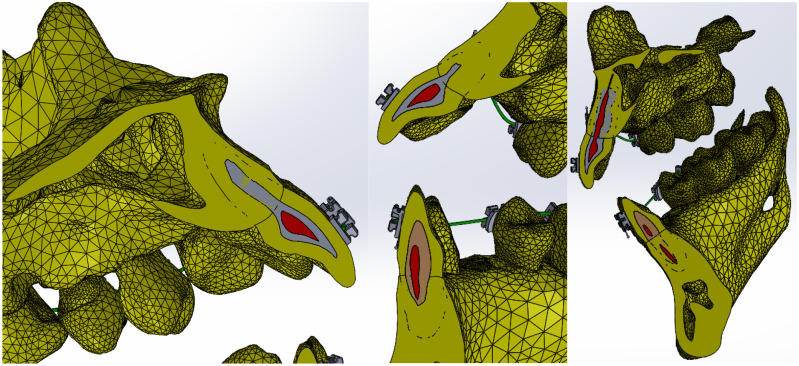
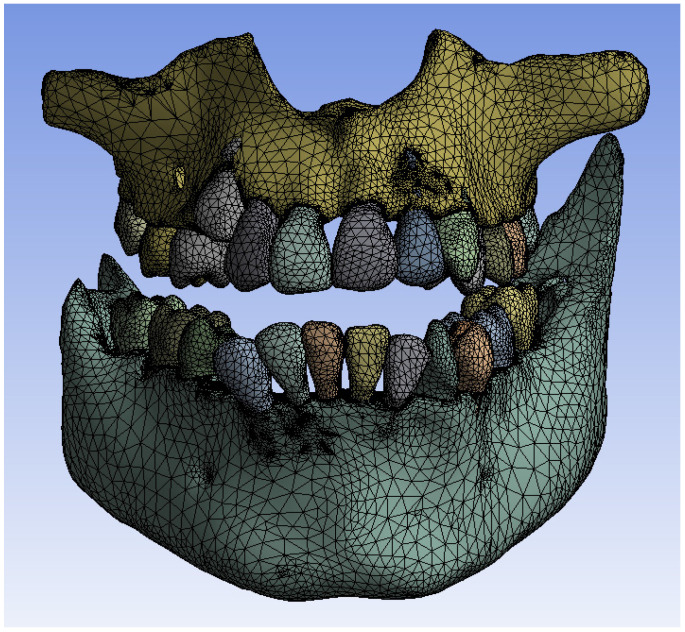
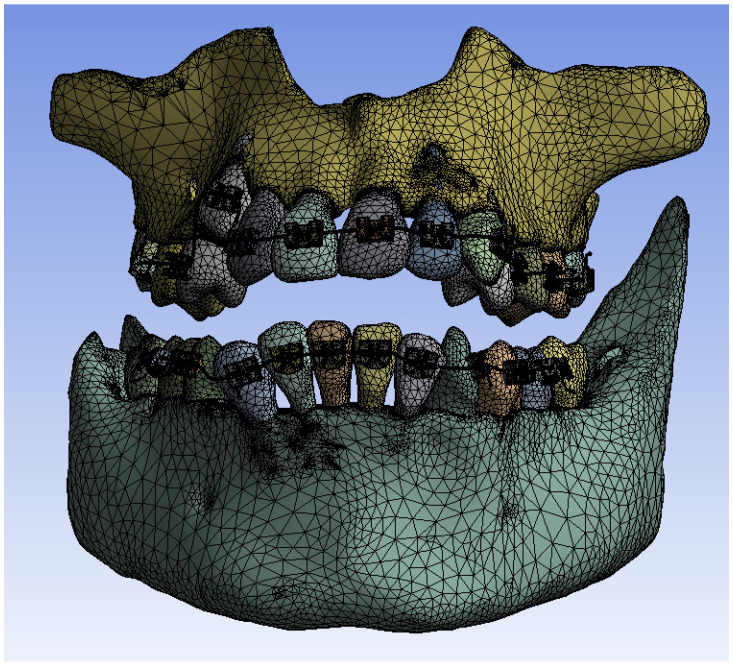
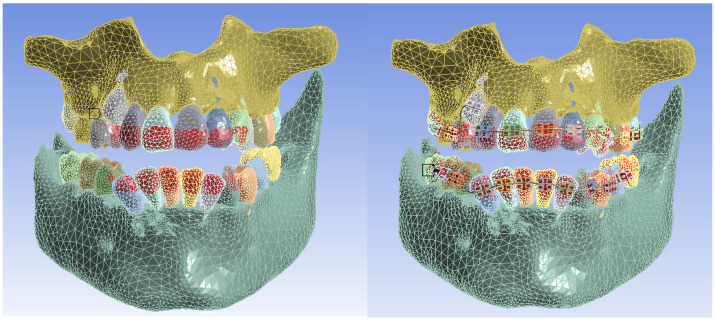
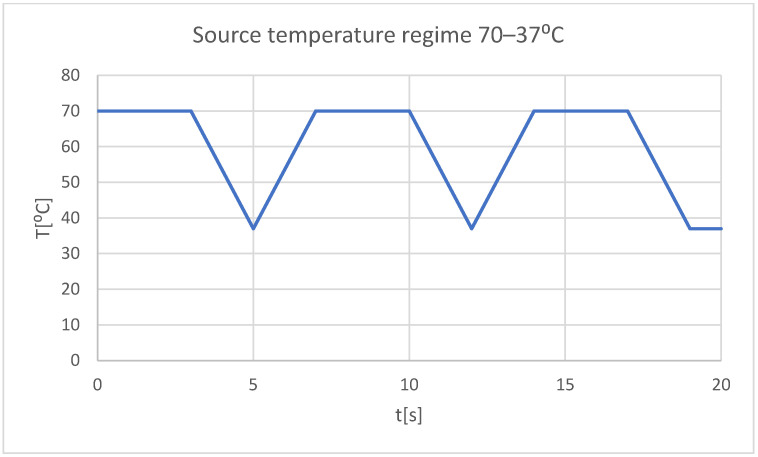
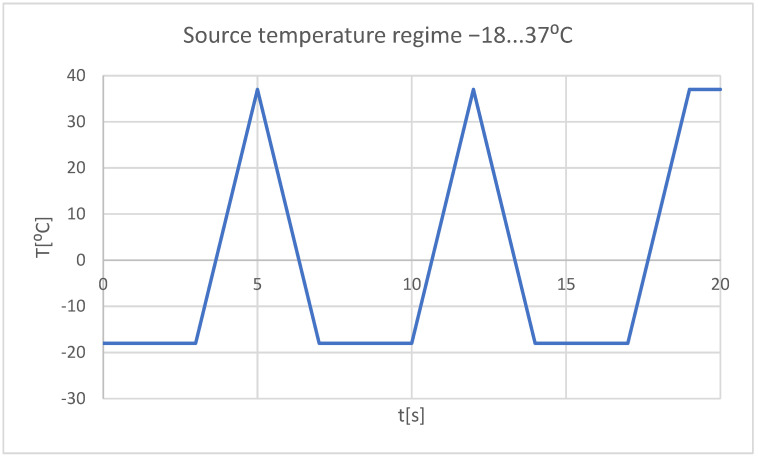
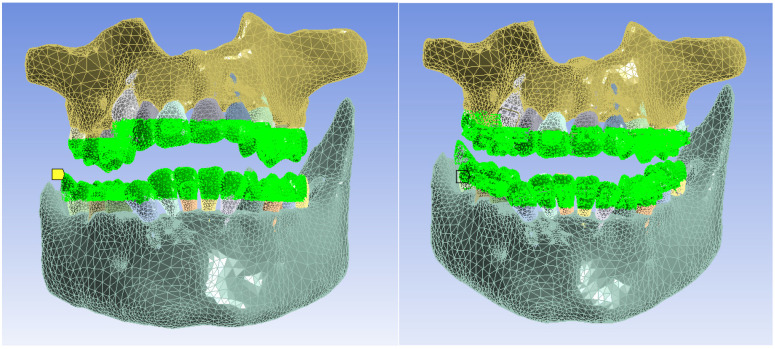
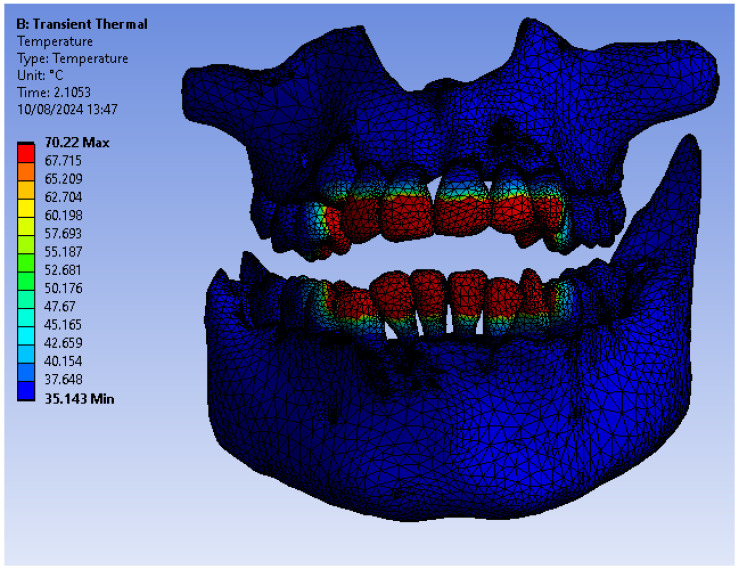
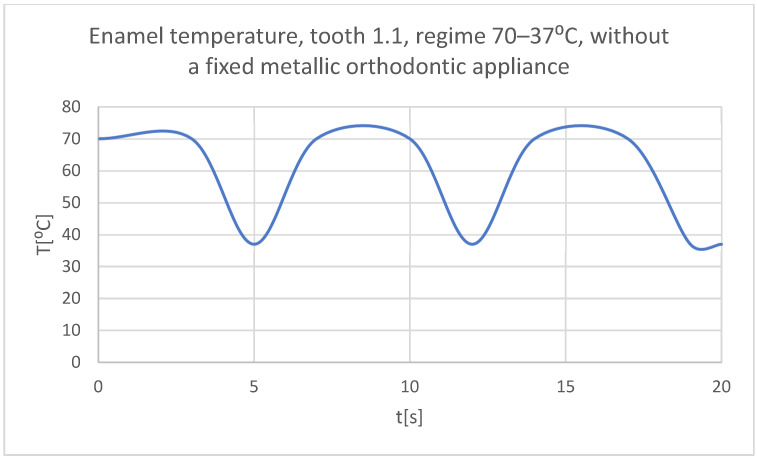
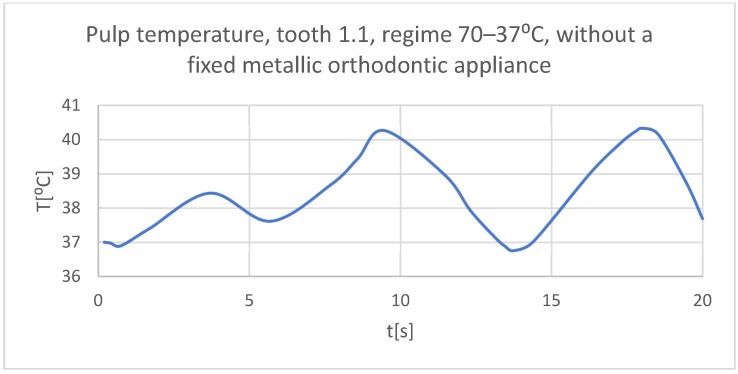
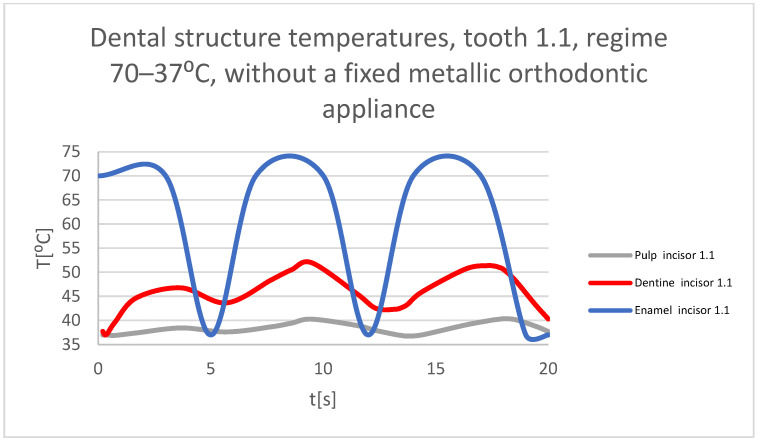
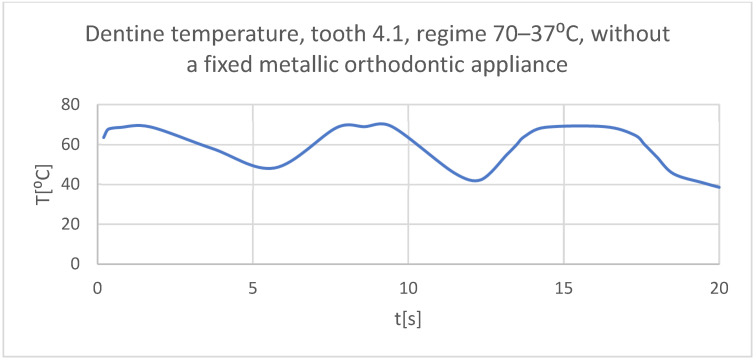
The development of the finite element method (FEM) combined block polynomial interpolation with the concepts of finite difference formats and the variation principle. Because of this combination, the FEM overcomes the shortcomings of traditional variation methods while maintaining the benefits of current variation methods and the flexibility of the finite difference method. As a result, the FEM is an advancement above the traditional variation methods. The purpose of this study is to experimentally highlight the thermal behavior of two stomatognathic systems, one a control and the other presenting orthodontic treatment by means of a fixed metallic orthodontic appliance, both being subjected to several thermal regimes. In order to sustain this experimental research, we examined the case of a female subject, who was diagnosed with Angle class I malocclusion. The patient underwent a bimaxillary CBCT investigation before initiating the orthodontic treatment. A three-dimensional model with fully closed surfaces was obtained by using the InVesalius and Geomagic programs. Like the tissues examined in the patient, bracket and tube-type elements as well as orthodontic wires can be included to the virtual models. Once it is finished and geometrically accurate, the model is exported to an FEM-using program, such as Ansys Workbench. The intention was to study the behavior of two stomatognathic systems (with and without a fixed metallic orthodontic appliance) subjected to very hot food (70 °C) and very cold food (-18 °C). From the analysis of the obtained data, it was concluded that, following the simulations carried out in the presence of the fixed metallic orthodontic appliance, significantly higher temperatures were generated in the dental pulp.
有限元方法(FEM)的发展将块多项式插值与有限差分格式的概念以及变分原理相结合。由于这种结合,有限元方法克服了传统变分方法的缺点,同时保留了当前变分方法的优点以及有限差分方法的灵活性。因此,有限元方法是对传统变分方法的一种改进。本研究的目的是通过实验突出两种口腔颌面部系统的热行为,一种是对照系统,另一种是通过固定金属正畸矫治器进行正畸治疗的系统,两者都经历了几种热状态。为了支持这项实验研究,我们研究了一名被诊断为安氏I类错牙合的女性受试者的案例。患者在开始正畸治疗前接受了全颌CBCT检查。通过使用InVesalius和Geomagic程序获得了具有完全封闭表面的三维模型。与患者体内检查的组织一样,托槽和管型元件以及正畸钢丝也可以包含在虚拟模型中。一旦模型完成且几何形状准确,就将其导出到使用有限元方法的程序中,如Ansys Workbench。目的是研究两种口腔颌面部系统(有和没有固定金属正畸矫治器)在食用非常热的食物(70°C)和非常冷的食物(-18°C)时的行为。从对所得数据的分析得出结论,在存在固定金属正畸矫治器的情况下进行模拟后,牙髓中产生的温度明显更高。