
验光师是否准备好参与中风后康复?
Are Optometrists Prepared to Be Involved in Post-Stroke Rehabilitation?
作者信息
Stalin Amritha, Leat Susan J, Labreche Tammy
机构信息
School of Optometry & Vision Science, University of Waterloo, Waterloo, ON N2L 3G1, Canada.
Centre for Eye and Vision Research (CEVR), 17W, Hong Kong Science Park, Hong Kong.
出版信息
Diagnostics (Basel). 2024 Oct 17;14(20):2307. doi: 10.3390/diagnostics14202307.
BACKGROUND/OBJECTIVES: Stroke survivors often experience various visual consequences that impact their daily life and may benefit from visual interventions. However, some of these usually go unaddressed as optometrists are rarely included in the post-stroke care pathway. Yet, optometrists are interested in contributing to the care of these patients. This survey evaluated the readiness of optometrists in diagnosing and managing visual disorders specific to stroke survivors.
METHODS
A questionnaire was developed by the researchers, pilot tested by 5 research optometrists and 15 community optometrists, and modified based on the feedback. Practicing optometrists were invited to complete the anonymous online survey through optometric organizations in Canada, the US, Hong Kong, India, and the UK.
RESULTS
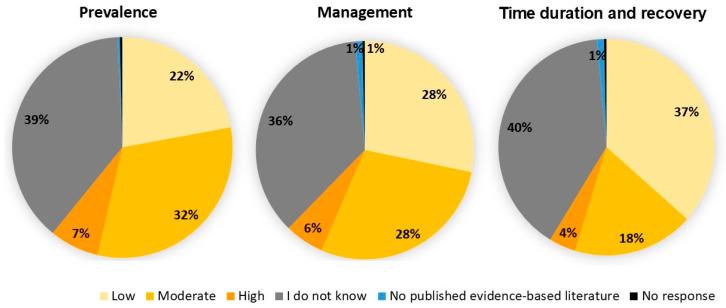
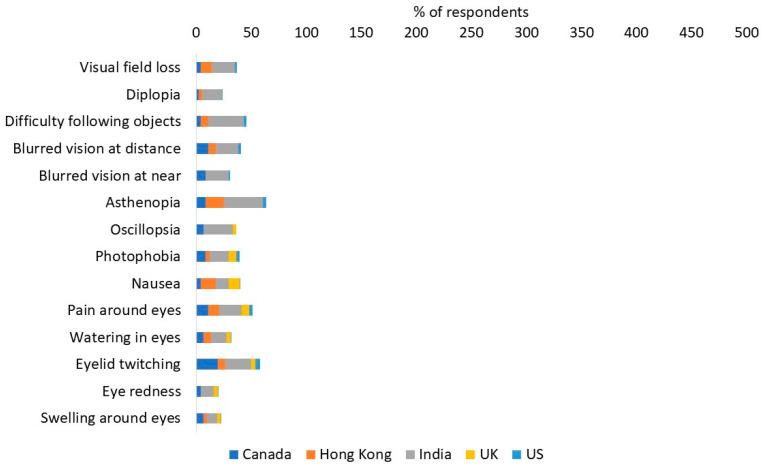
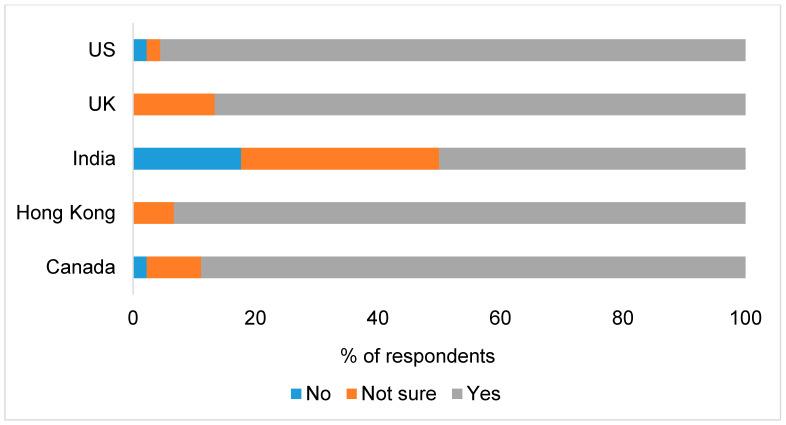
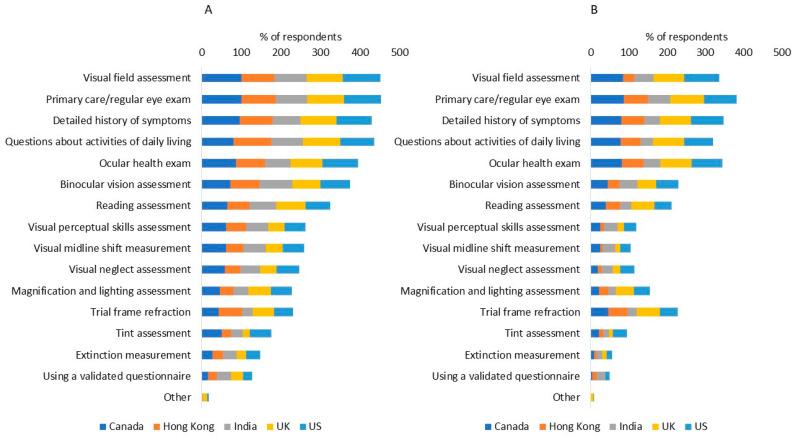
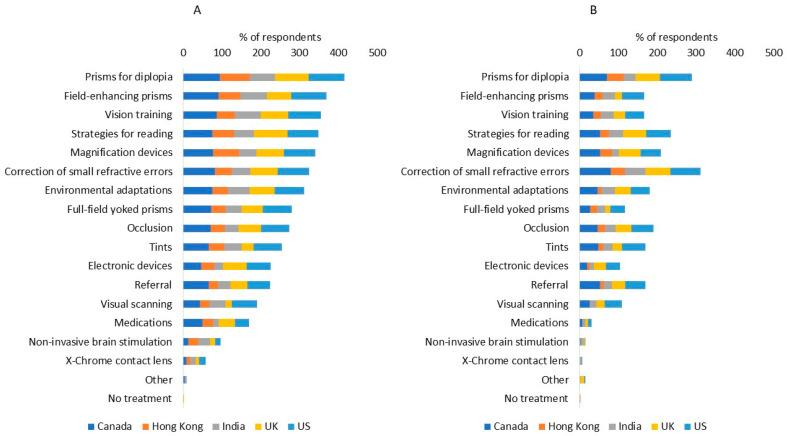
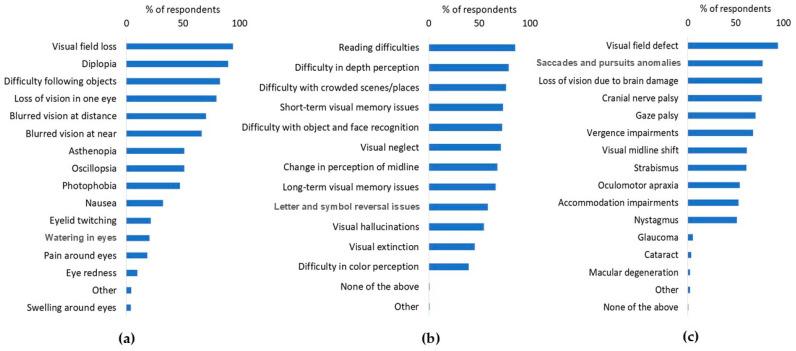
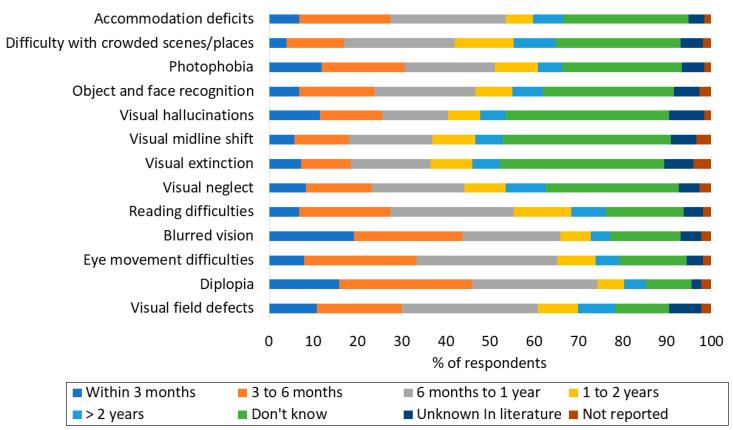
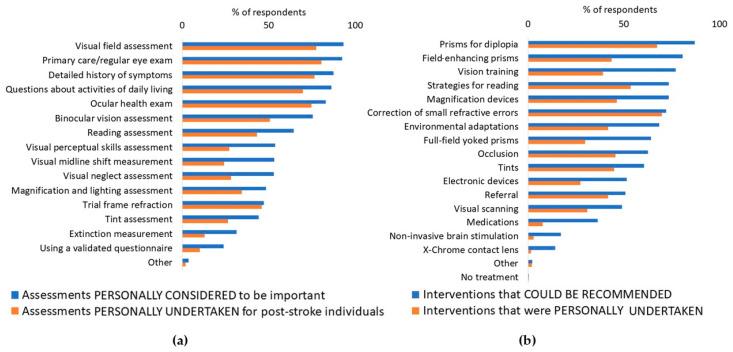
Most respondents displayed strong knowledge, but 61.6% indicated that enhancing their knowledge would be helpful. The majority (87%) agreed that stroke is related to an increased incidence of falls. Participants' knowledge regarding the natural history of post-stroke visual disorders was poorer. There were also inconsistencies regarding what optometrists considered ideal interventions and what they undertook in practice. More than 50% of respondents reported that the quality of published evidence on post-stroke visual consequences was low or nonexistent.
CONCLUSIONS
Overall, survey respondents displayed sufficient knowledge. However, there are areas of uncertainty in their knowledge, which in many cases correspond to real gaps in the available evidence. There is a need to identify and remediate these gaps to enable optometrists to deliver quality optometric care as collaborative members of the post-stroke professional team, which would eventually improve the rehabilitation of stroke survivors.
背景/目的:中风幸存者常常会经历各种视觉问题,这些问题会影响他们的日常生活,而视觉干预可能会对他们有益。然而,其中一些问题通常未得到解决,因为验光师很少被纳入中风后的护理流程。不过,验光师有兴趣为这些患者的护理做出贡献。这项调查评估了验光师对诊断和管理中风幸存者特有的视觉障碍的准备情况。
方法
研究人员设计了一份问卷,由5名研究验光师和15名社区验光师进行预测试,并根据反馈进行修改。邀请执业验光师通过加拿大、美国、中国香港、印度和英国的验光组织完成匿名在线调查。
结果
大多数受访者表现出丰富的知识,但61.6%的人表示增加知识会有所帮助。大多数人(87%)同意中风与跌倒发生率增加有关。参与者对中风后视觉障碍自然病程的了解较差。在验光师认为的理想干预措施和他们在实践中采取的措施方面也存在不一致。超过50%的受访者报告说,关于中风后视觉后果的已发表证据质量很低或不存在。
结论
总体而言,调查受访者表现出了足够的知识。然而,他们的知识存在一些不确定的领域,在许多情况下,这些领域与现有证据中的实际差距相对应。有必要识别并弥补这些差距,以使验光师能够作为中风后专业团队的协作成员提供高质量的验光护理,这最终将改善中风幸存者的康复情况。
 Zotero 插件