Yao Rong, Song Meirong, Shi Langhua, Pei Yan, Li Haifang, Tan Shuping, Wang Bin
College of Computer Science and Technology (College of Data Science), Taiyuan University of Technology, Taiyuan 030024, China.
Psychiatry Research Center, Beijing Huilongguan Hospital, Peking University Huilongguan Clinical Medical School, Beijing 100096, China.
Brain Sci. 2024 Sep 28;14(10):985. doi: 10.3390/brainsci14100985.
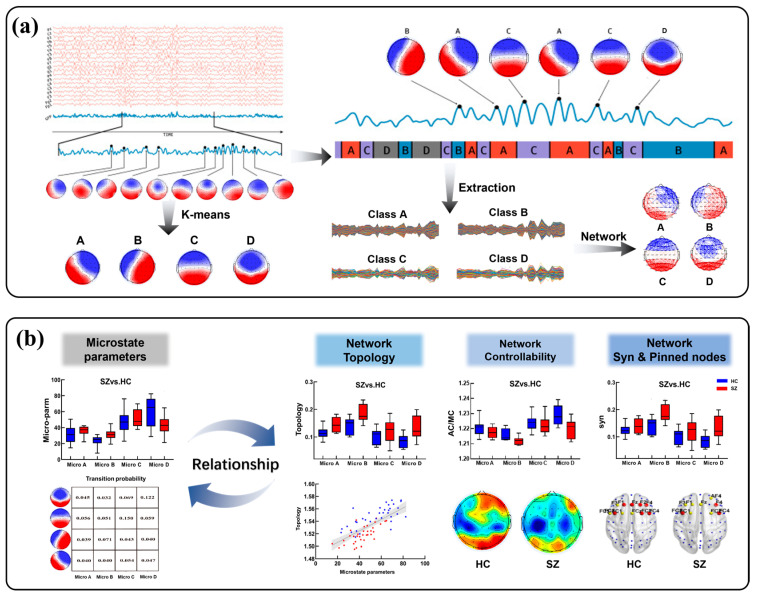
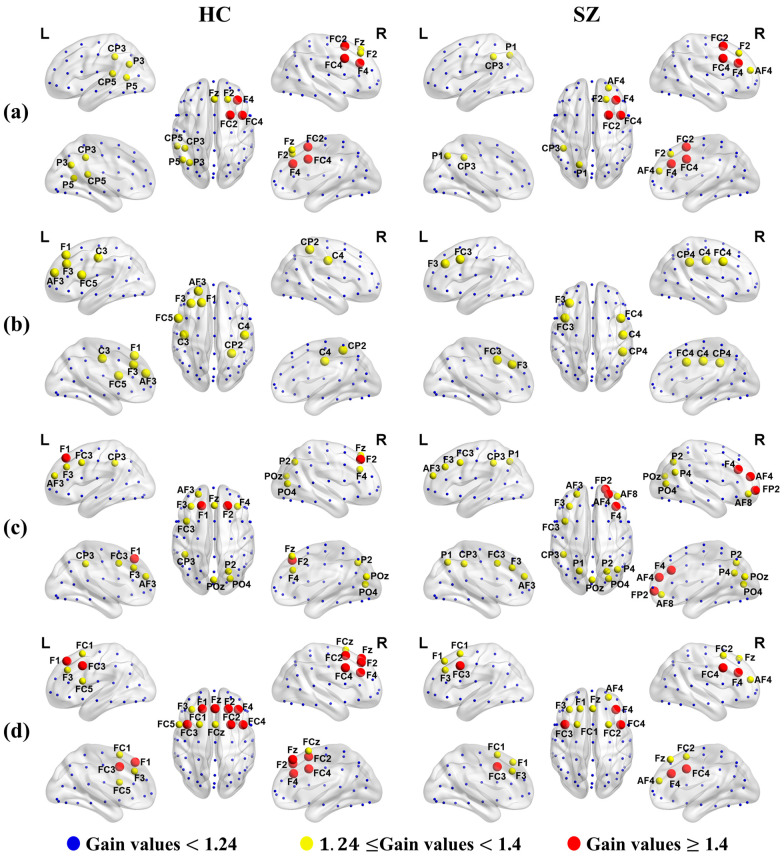
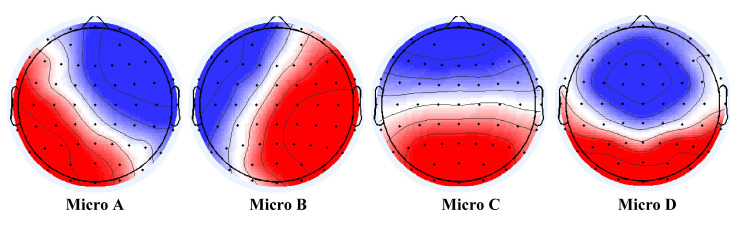
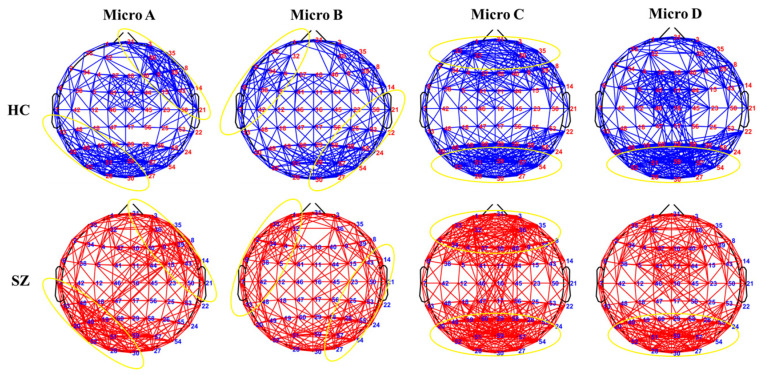
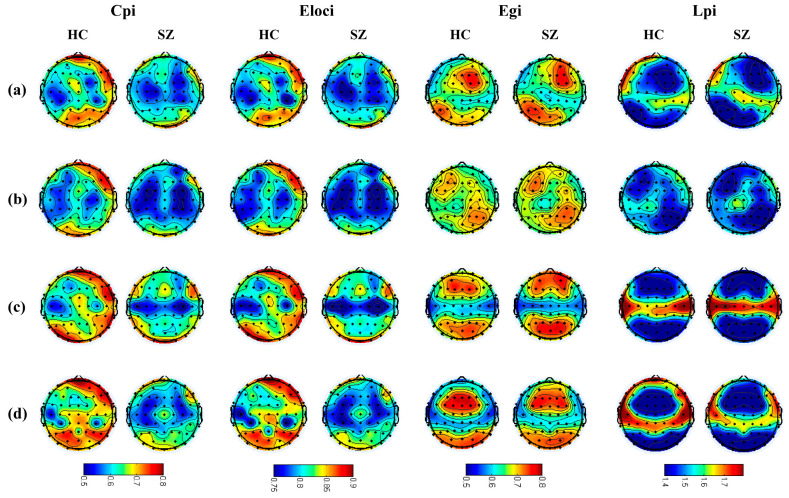
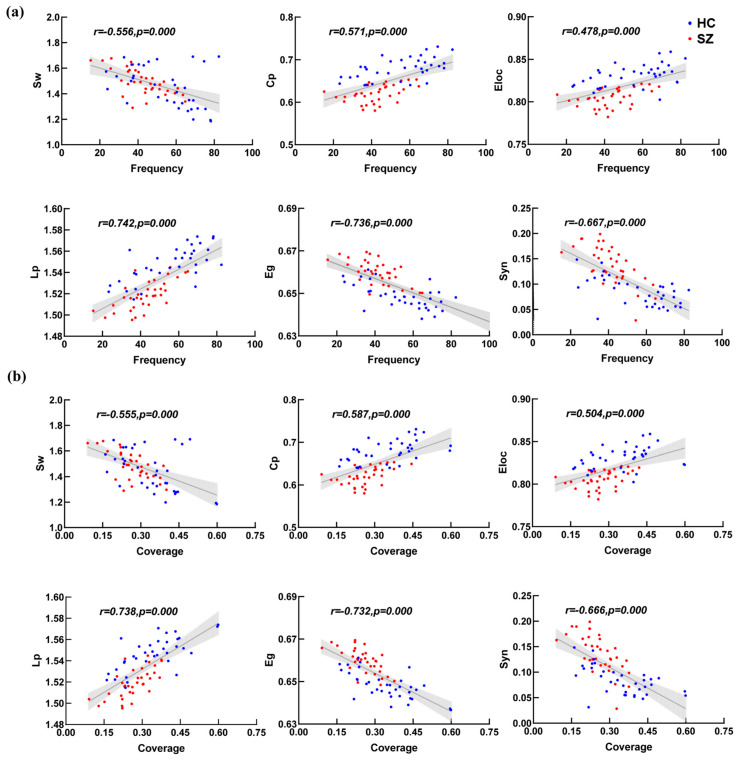
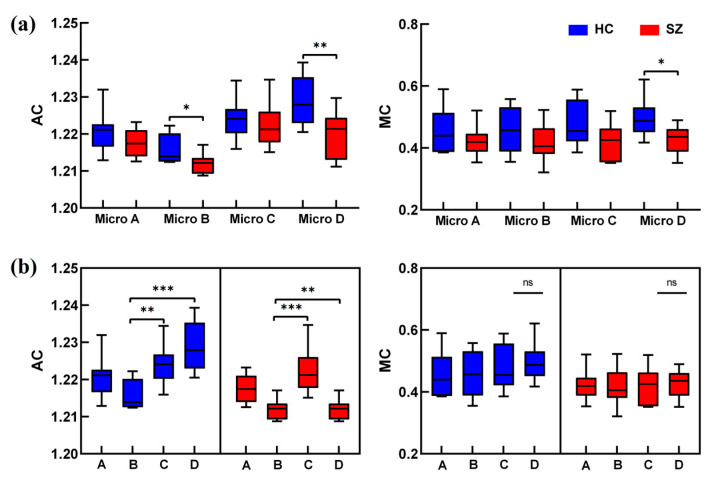
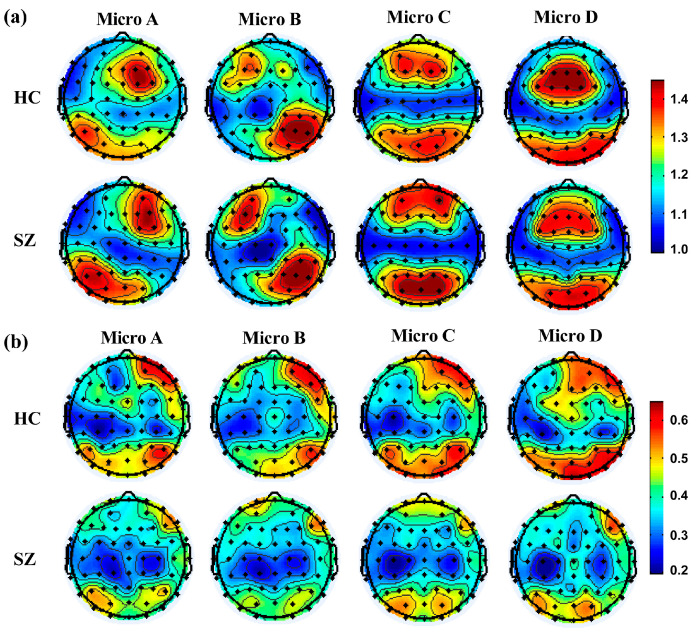
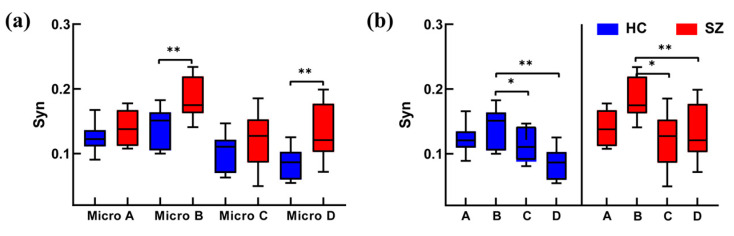
There is a significant correlation between EEG microstate and the neurophysiological basis of mental illness, brain state, and cognitive function. Given that the unclear relationship between network dynamics and different microstates, this paper utilized microstate, brain network, and control theories to understand the microstate characteristics of short-term memory task, aiming to mechanistically explain the most influential microstates and brain regions driving the abnormal changes in brain state transitions in patients with schizophrenia. We identified each microstate and analyzed the microstate abnormalities in schizophrenia patients during short-term memory tasks. Subsequently, the network dynamics underlying the primary microstates were studied to reveal the relationships between network dynamics and microstates. Finally, using control theory, we confirmed that the abnormal changes in brain state transitions in schizophrenia patients are driven by specific microstates and brain regions. The frontal-occipital lobes activity of microstate D decreased significantly, but the left frontal lobe of microstate B increased significantly in schizophrenia, when the brain was moving toward the easy-to-reach states. However, the frontal-occipital lobes activity of microstate D decreased significantly in schizophrenia, when the brain was moving toward the hard-to-reach states. Microstate D showed that the right-frontal activity had a higher priority than the left-frontal, but microstate B showed that the left-frontal priority decreased significantly in schizophrenia, when changes occur in the synchronization state of the brain. In conclusion, microstate D may be a biomarker candidate of brain abnormal activity during the states transitions in schizophrenia, and microstate B may represent a compensatory mechanism that maintains brain function and exchanges information with other brain regions. Microstate and brain network provide complementary perspectives on the neurodynamics, offering potential insights into brain function in health and disease.
脑电图微状态与精神疾病的神经生理基础、脑状态及认知功能之间存在显著相关性。鉴于网络动力学与不同微状态之间的关系尚不明确,本文运用微状态、脑网络及控制理论来理解短期记忆任务的微状态特征,旨在从机制上解释精神分裂症患者脑状态转换异常变化中最具影响力的微状态和脑区。我们识别了每个微状态,并分析了精神分裂症患者在短期记忆任务期间的微状态异常。随后,研究了主要微状态背后的网络动力学,以揭示网络动力学与微状态之间的关系。最后,运用控制理论,我们证实精神分裂症患者脑状态转换的异常变化是由特定的微状态和脑区驱动的。当大脑趋向于易于达到的状态时,精神分裂症患者微状态D的额枕叶活动显著降低,但微状态B的左额叶活动显著增加。然而,当大脑趋向于难以达到的状态时,精神分裂症患者微状态D的额枕叶活动显著降低。微状态D显示右额叶活动比左额叶具有更高的优先级,但当大脑同步状态发生变化时,微状态B显示精神分裂症患者左额叶的优先级显著降低。总之,微状态D可能是精神分裂症患者状态转换期间脑异常活动的候选生物标志物,而微状态B可能代表一种维持脑功能并与其他脑区交换信息的代偿机制。微状态和脑网络为神经动力学提供了互补的视角,为健康和疾病状态下的脑功能提供了潜在的见解。