Department of Pediatrics, Kyoto University Graduate School of Medicine, 54 Shogoin-Kawahara-Cho, Sakyo-Ku, Kyoto, 606-8507, Japan.
Department of Applied Genomics, Kazusa DNA Research Institute, 2-5-23 Kazusa-Kamatari, Kisarazu, 292-0818, Japan.
J Clin Immunol. 2024 Oct 25;45(1):33. doi: 10.1007/s10875-024-01821-7.
Newborn screening using dried blood spot (DBS) samples for the targeted measurement of metabolites and nucleic acids has made a substantial contribution to public healthcare by facilitating the detection of neonates with genetic disorders. Here, we investigated the applicability of non-targeted quantitative proteomics analysis to newborn screening for inborn errors of immunity (IEIs).
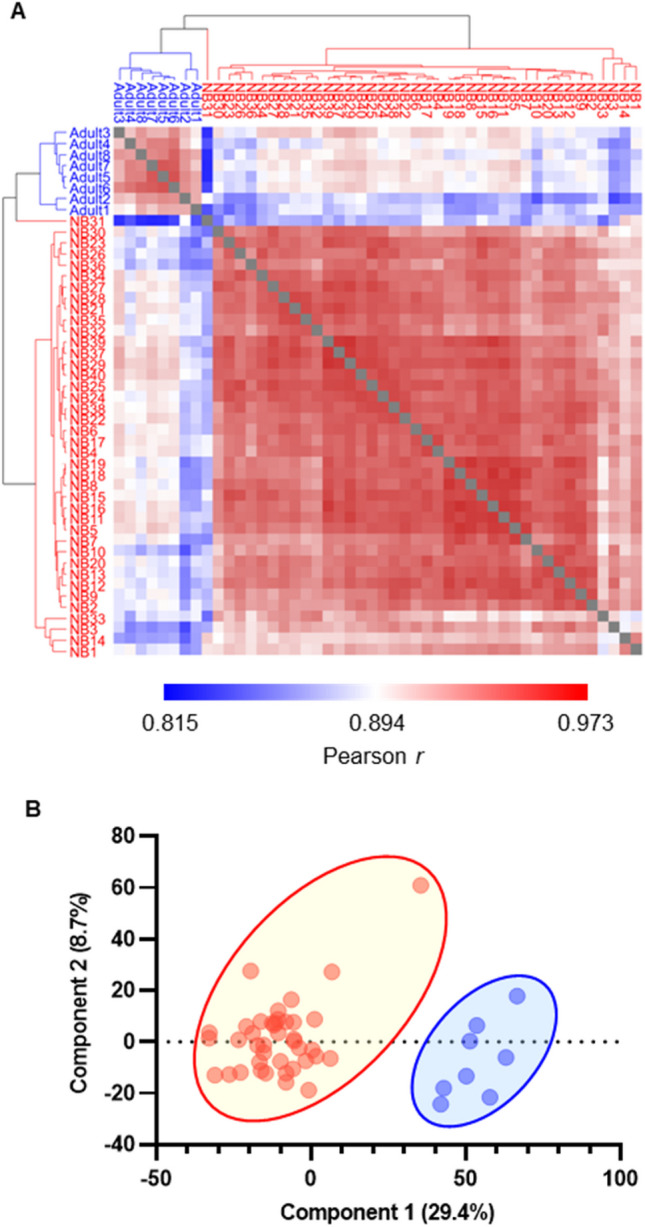
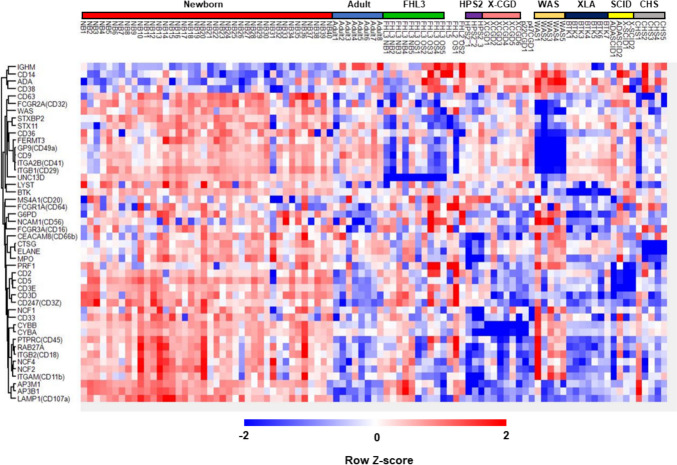
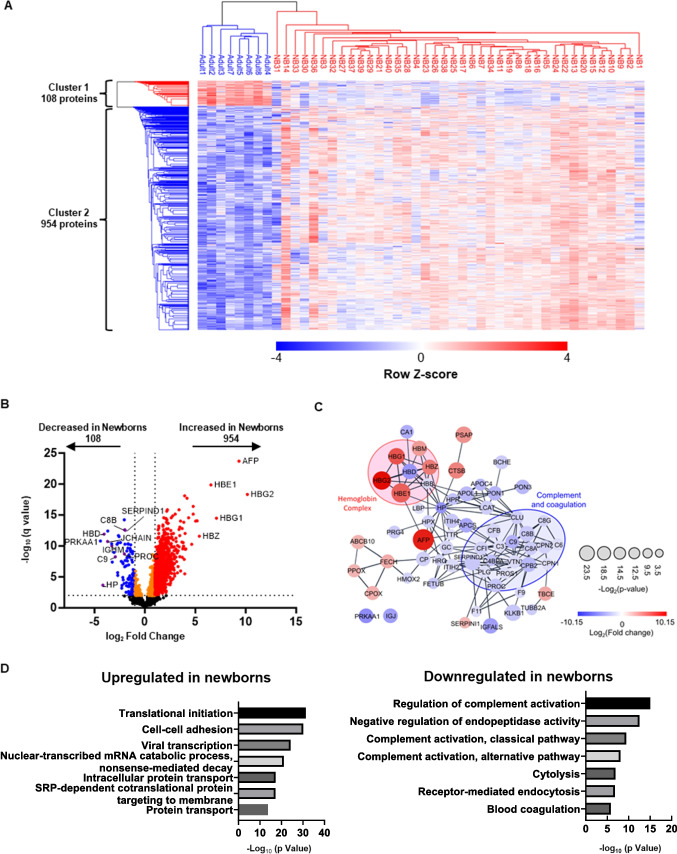
DBS samples from 40 healthy newborns and eight healthy adults were subjected to non-targeted proteomics analysis using liquid chromatography-mass spectrometry after removal of the hydrophilic fraction. Subsequently, DBS samples from 43 IEI patients were analyzed to determine whether patients can be identified by reduced expression of disease-associated proteins.
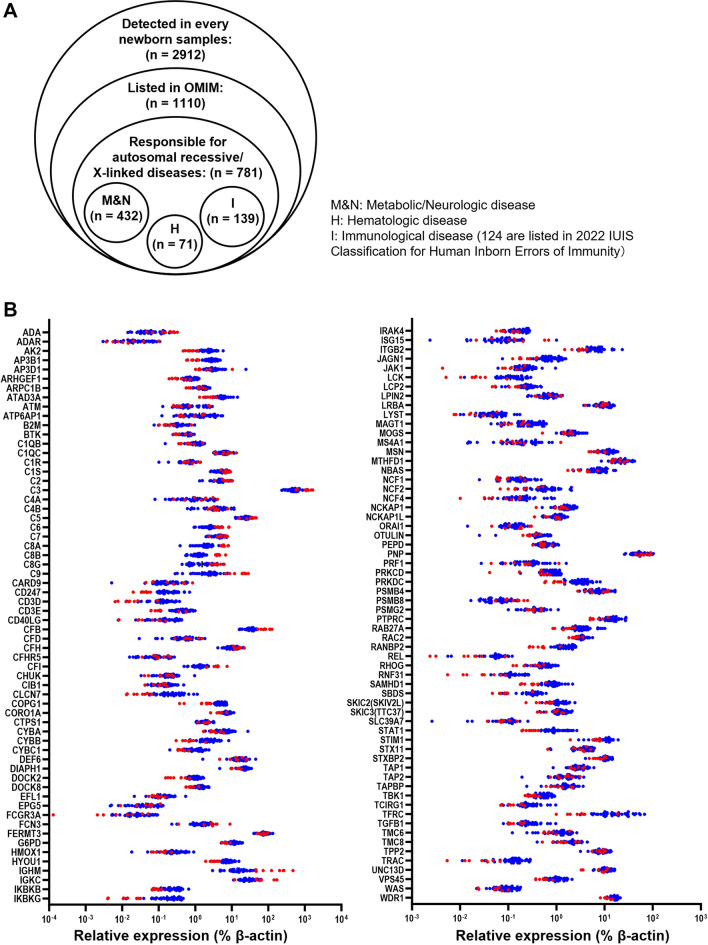
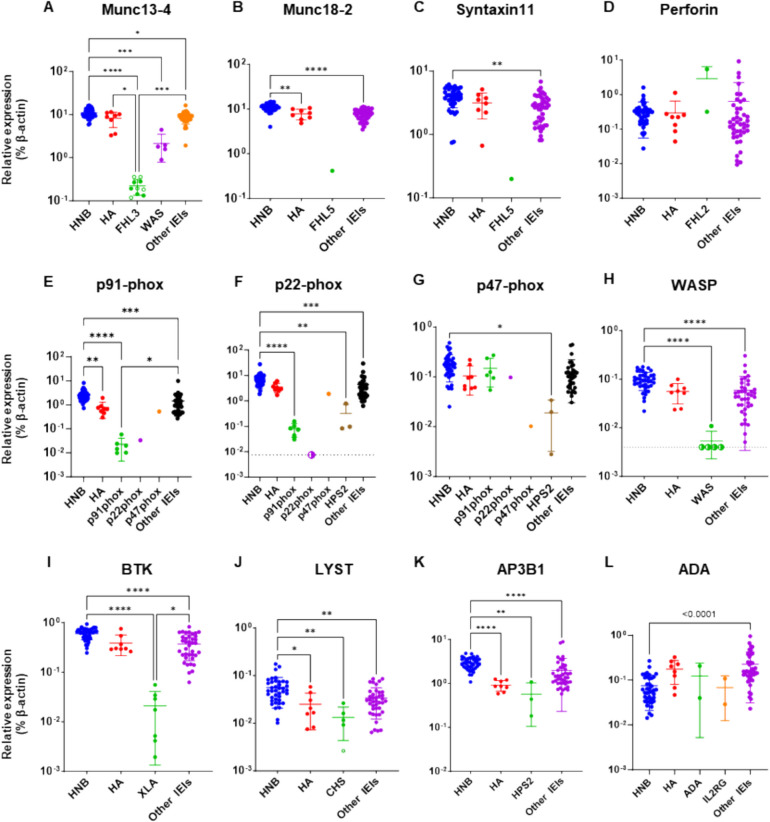
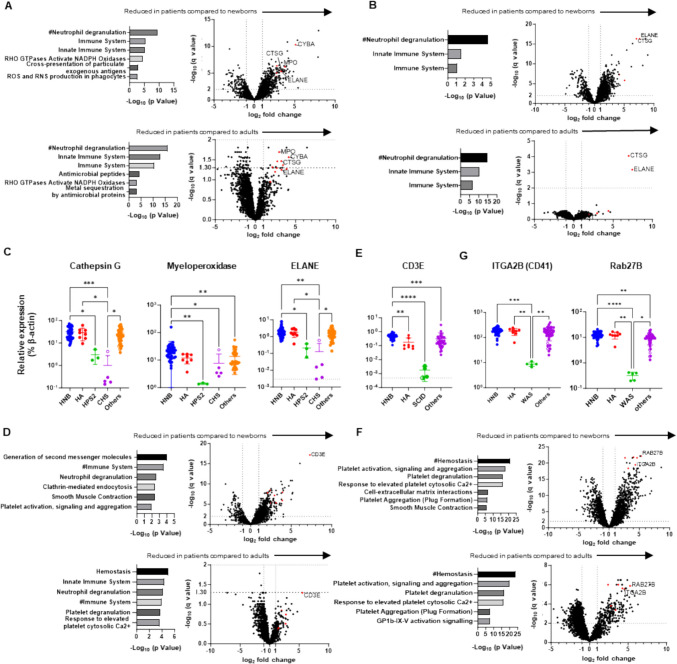
DBS protein profiling allowed monitoring of levels of proteins encoded by 2912 genes, including 1110 listed in the Online Mendelian Inheritance in Man database, in healthy newborn samples, and was useful in identifying patients with IEIs by detecting reduced levels of disease causative proteins and their interacting proteins, as well as cell-phenotypical alterations.
Our results indicate that non-targeted quantitative protein profiling of DBS samples can be used to identify patients with IEIs and develop a novel newborn screening platform for genetic disorders.
通过对新生儿干血斑(DBS)样本中代谢物和核酸的靶向测量进行新生儿筛查,为公共医疗保健做出了重大贡献,有助于发现患有遗传疾病的新生儿。在这里,我们研究了非靶向定量蛋白质组学分析在先天性免疫缺陷(IEI)新生儿筛查中的适用性。
使用液相色谱-质谱法从 40 名健康新生儿和 8 名健康成年人的 DBS 样本中去除亲水性部分后,进行非靶向蛋白质组学分析。随后,分析了 43 名 IEI 患者的 DBS 样本,以确定通过减少疾病相关蛋白的表达是否可以识别患者。
DBS 蛋白质谱分析可监测 2912 个基因编码的蛋白质水平,包括在线孟德尔遗传数据库中的 1110 个基因,在健康新生儿样本中有用,并通过检测疾病相关蛋白及其相互作用蛋白以及细胞表型改变的水平降低,有助于识别 IEI 患者。
我们的研究结果表明,DBS 样本的非靶向定量蛋白质谱分析可用于识别 IEI 患者,并开发用于遗传疾病的新型新生儿筛查平台。