Lin Jieru, Yuan Yi, Huang Chunhuan, Zi Jiayu, Li Lu, Liu Jiamiao, Wu Xiaoting, Li Wei, Zhao Qing, Li Yuyin, Liu Zhenxing, Diao Aipo
School of Biotechnology, Tianjin University of Science and Technology, Tianjin, China.
School of Basic Medical Science, Inner Mongolia Medical University, Hohhot, Inner Mongolia, China.
J Biol Chem. 2024 Dec;300(12):107929. doi: 10.1016/j.jbc.2024.107929. Epub 2024 Oct 24.
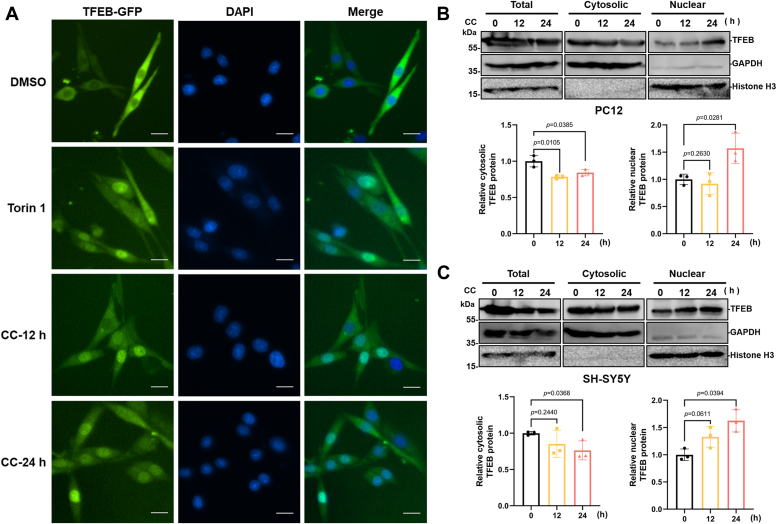
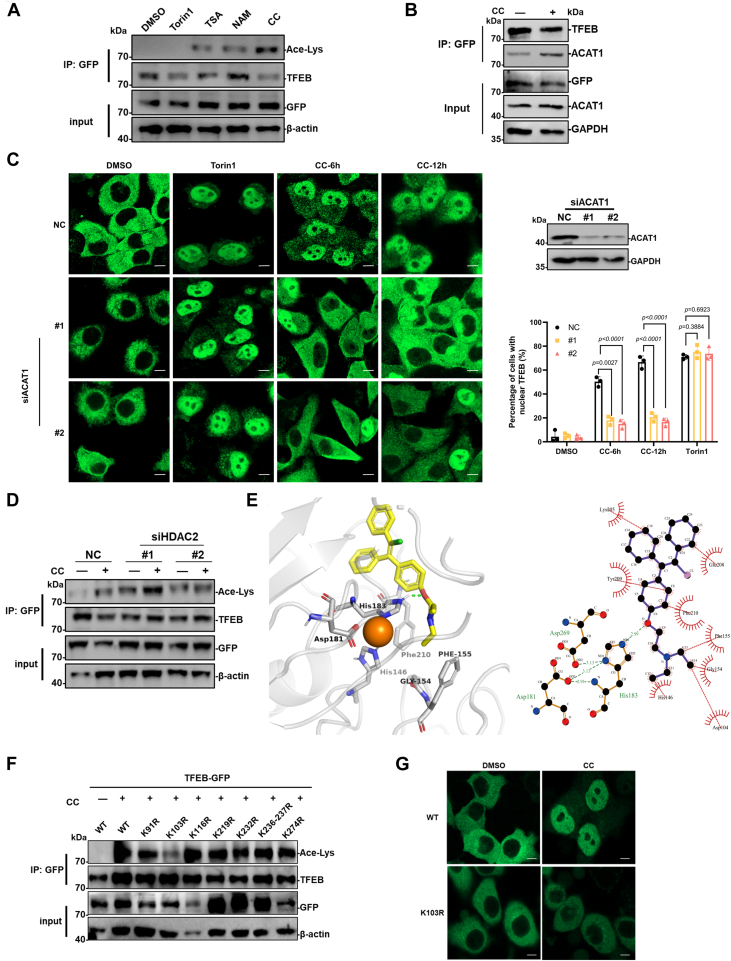
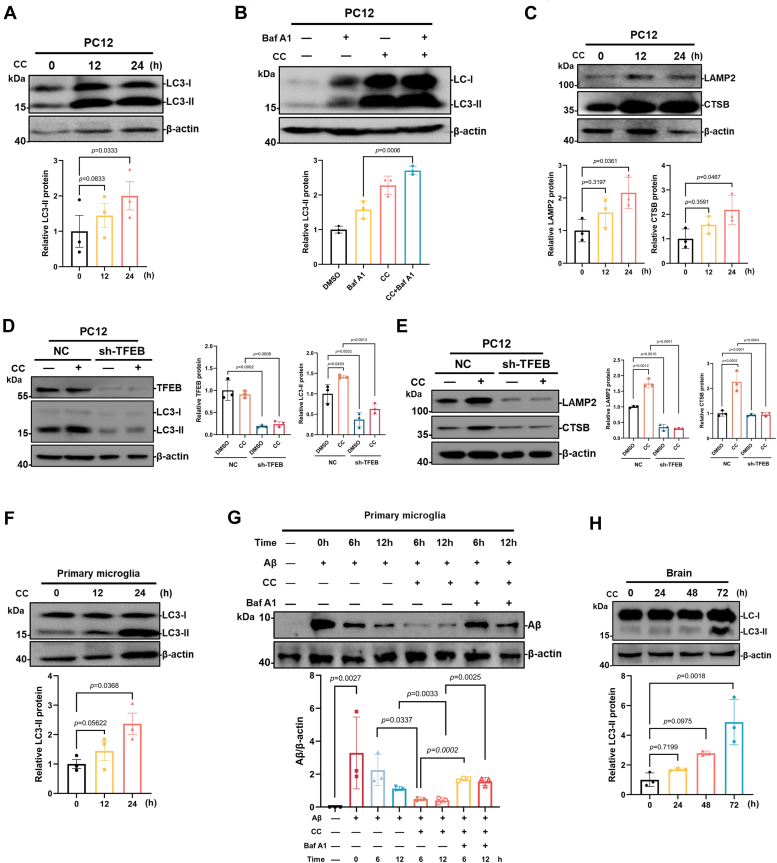
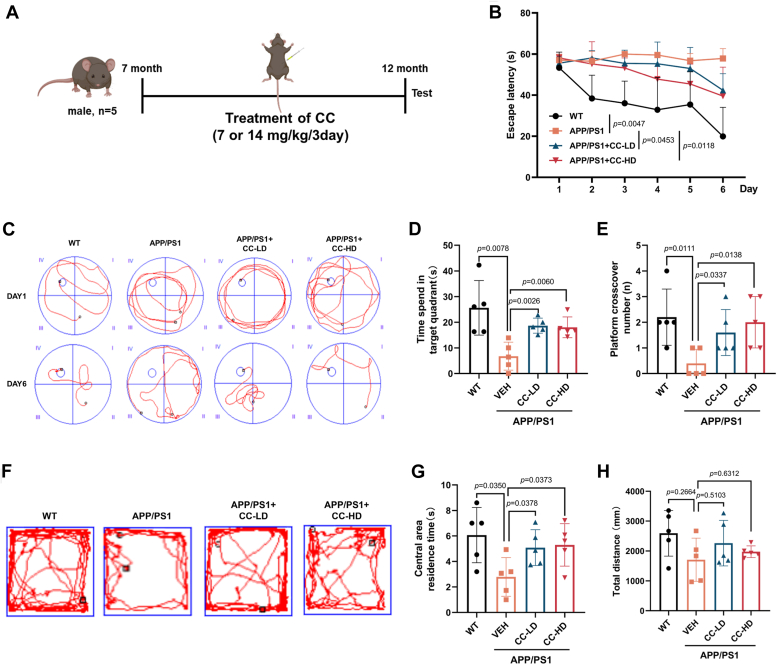
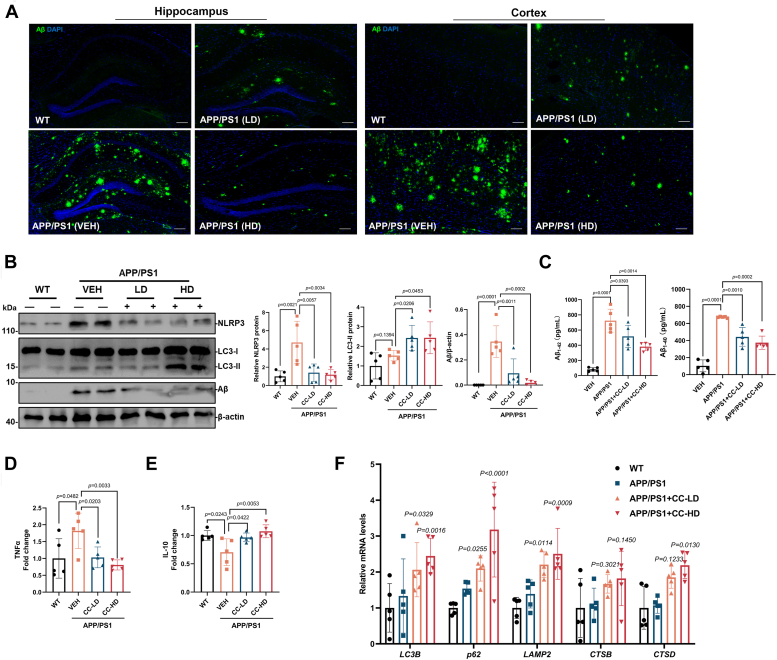
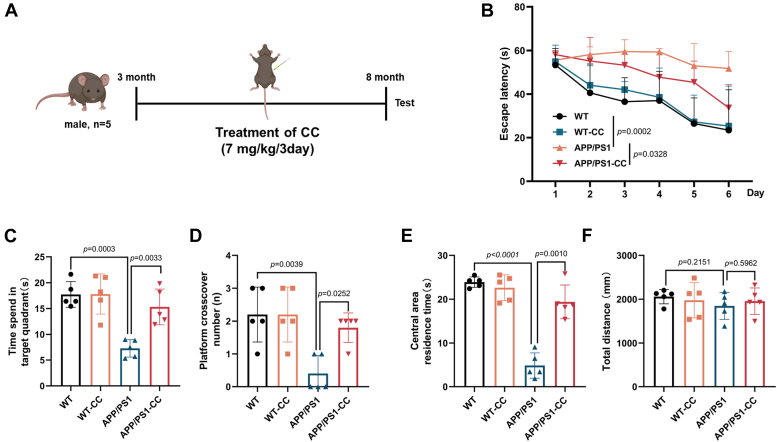
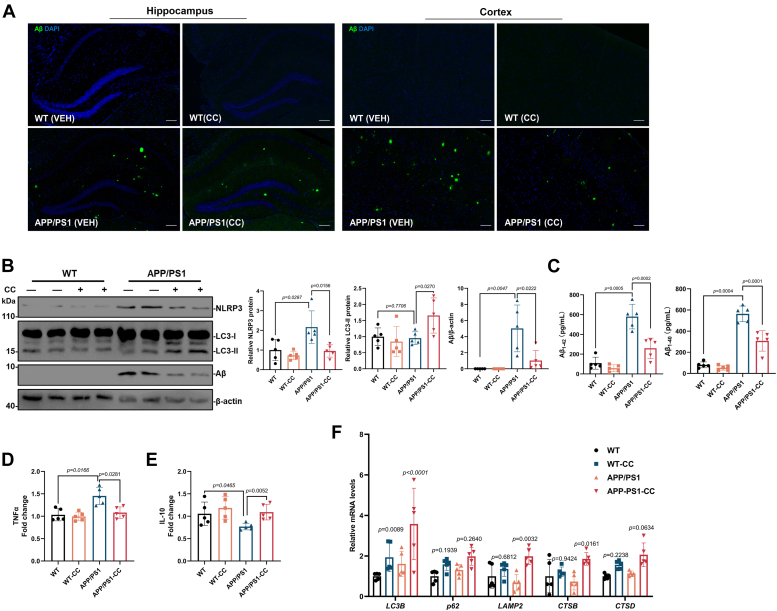
Autophagy is a conserved eukaryotic cellular clearance and recycling process through the lysosome-mediated degradation of damaged organelles and protein aggregates to maintain homeostasis. Impairment of the autophagy-lysosomal pathway is implicated in the pathogenesis of Alzheimer's disease (AD). Transcription factor EB (TFEB) is a master regulator of autophagy and lysosomal biogenesis. Therefore, activating TFEB and autophagy provides a novel strategy for AD treatment. We previously described that clomiphene citrate (CC) promotes nuclear translocation of TFEB and increases autophagy and lysosomal biogenesis. In this study, 7- and 3-month-old APP/PS1 mice were treated with TFEB agonist CC and assessed. The behavioral tests were performed using Morris water maze and open field test. Additional changes in amyloid-β pathology, autophagy, and inflammatory response were determined. We found that CC activated TFEB and the autophagy-lysosomal pathway in neuronal cells. Moreover, using mouse model of Alzheimer's disease, CC treatment promoted clearance of amyloid-β plaques and ameliorated cognitive function in both 7- and 3-month-old APP/PS1 mice. The CC-induced activation of TFEB occurs by promoting acetylation of TFEB for nuclear translocation. These findings provide a molecular mechanism for the TFEB-mediated activation of the autophagy-lysosome pathway by CC, which has the potential to be repurposed and applied in the treatment or prevention of AD.
自噬是一种保守的真核细胞清除和再循环过程,通过溶酶体介导对受损细胞器和蛋白质聚集体的降解来维持体内平衡。自噬-溶酶体途径的损伤与阿尔茨海默病(AD)的发病机制有关。转录因子EB(TFEB)是自噬和溶酶体生物发生的主要调节因子。因此,激活TFEB和自噬为AD治疗提供了一种新策略。我们之前描述过,枸橼酸氯米芬(CC)可促进TFEB的核转位,并增加自噬和溶酶体生物发生。在本研究中,对7月龄和3月龄的APP/PS1小鼠用TFEB激动剂CC进行处理并评估。使用莫里斯水迷宫和旷场试验进行行为测试。还测定了淀粉样β病理、自噬和炎症反应的其他变化。我们发现CC可激活神经元细胞中的TFEB和自噬-溶酶体途径。此外,使用阿尔茨海默病小鼠模型,CC处理促进了7月龄和3月龄APP/PS1小鼠淀粉样β斑块的清除并改善了认知功能。CC诱导的TFEB激活是通过促进TFEB乙酰化以实现核转位而发生的。这些发现为CC通过TFEB介导激活自噬-溶酶体途径提供了一种分子机制,这有可能被重新利用并应用于AD的治疗或预防。