Department of Basic and Applied Sciences, University of Basilicata, Via dell'Ateneo Lucano 10, 85100 Potenza, Italy.
Spinoff XFlies s.r.l, University of Basilicata, Via dell'Ateneo Lucano 10, 85100 Potenza, Italy.
Biomolecules. 2024 Oct 19;14(10):1332. doi: 10.3390/biom14101332.
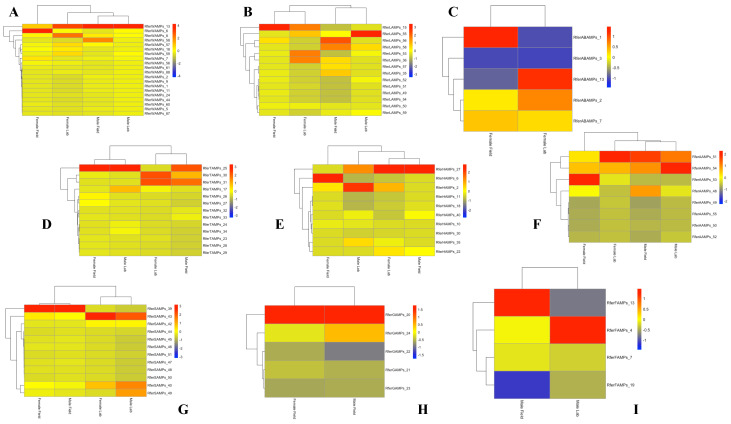
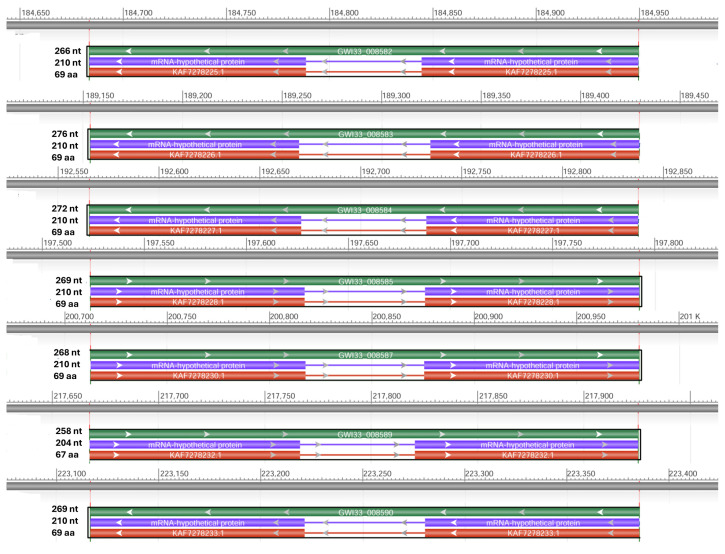
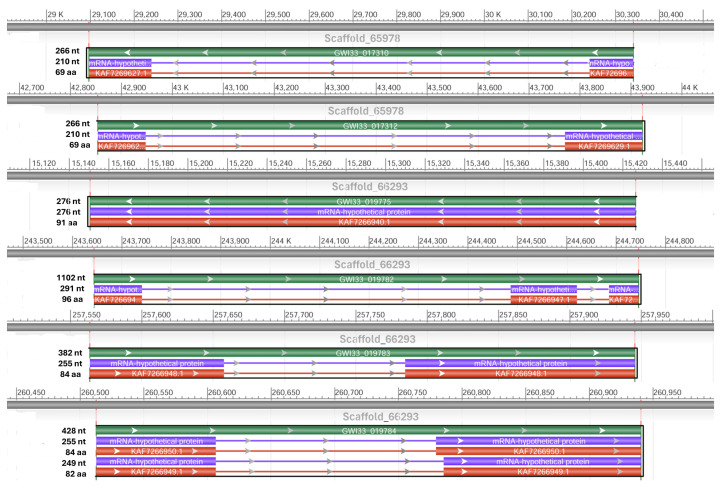
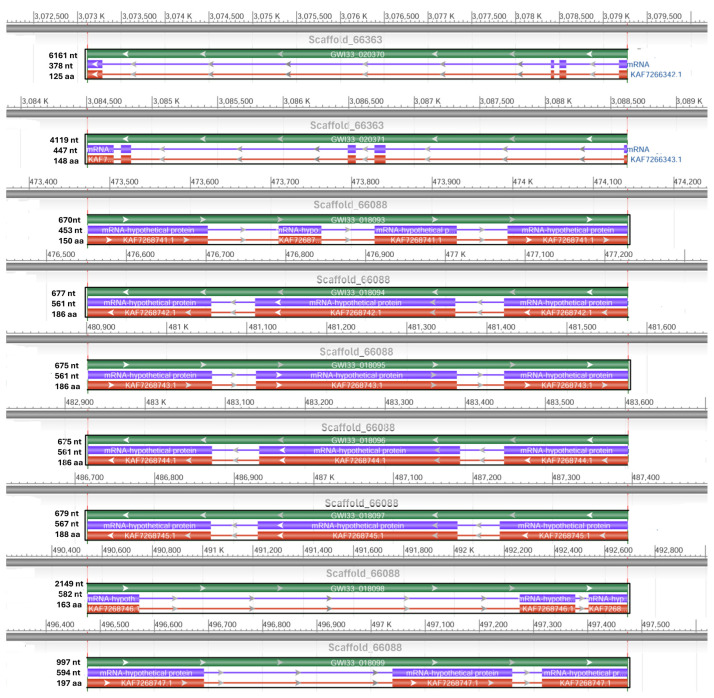
Innate immunity, the body's initial defense against bacteria, fungi, and viruses, heavily depends on antimicrobial peptides (AMPs), which are small molecules produced by all living organisms. Insects, with their vast biodiversity, are one of the most abundant and innovative sources of AMPs. In this study, AMPs from the red palm weevil (RPW) (Coleoptera: Curculionidae), a known invasive pest of palm species, were examined. The AMPs were identified in the transcriptomes from different body parts of male and female adults, under different experimental conditions, including specimens collected from the field and those reared in the laboratory. The RPW transcriptomes were examined to predict antimicrobial activity, and all sequences putatively encoding AMPs were analyzed using several machine learning algorithms available in the CAMP database. Additionally, anticancer, antiviral, and antifungal activity of the peptides were predicted using iACP, AVPpred, and Antifp server tools, respectively. Physicochemical parameters were assessed using the Antimicrobial Peptide Database Calculator and Predictor. From these analyses, 198 putatively active peptides were identified, which can be tested in future studies to validate the predictions. Genome-wide analysis revealed that several AMPs have predominantly emerged through gene duplication. Noticeably, we detect a newly originated defensin allele from an ancestral defensin via the deletion of two amino acids following gene duplication in RPW, which may confer an enhanced resilience to microbial infection. Our study shed light on AMP gene families and shows that high duplication and deletion rates are essential to achieve a diversity of antimicrobial mechanisms; hence, we propose the RPW AMPs as a model for exploring gene duplication and functional variations against microbial infection.
先天免疫系统是人体抵御细菌、真菌和病毒的第一道防线,它在很大程度上依赖于抗菌肽(AMPs),这些小分子由所有生物产生。昆虫作为生物多样性最丰富的生物之一,是 AMP 的最丰富和最具创新性的来源之一。在这项研究中,研究了红棕榈象(Coleoptera:Curculionidae)(一种已知的棕榈物种入侵害虫)的 AMPs。在不同实验条件下,从雄性和雌性成虫的不同身体部位的转录组中鉴定出 AMPs,包括从野外采集的标本和在实验室中饲养的标本。检查了 RPW 转录组以预测抗菌活性,并使用 CAMP 数据库中提供的几种机器学习算法分析了所有推定编码 AMP 的序列。此外,使用 iACP、AVPpred 和 Antifp 服务器工具分别预测了肽的抗癌、抗病毒和抗真菌活性。使用 Antimicrobial Peptide Database Calculator 和 Predictor 评估了理化参数。通过这些分析,鉴定出 198 种推定活性肽,这些肽可以在未来的研究中进行测试以验证预测。全基因组分析表明,几种 AMP 主要通过基因复制出现。值得注意的是,我们在 RPW 中通过基因复制后的两个氨基酸缺失检测到一个新起源的防御素等位基因,这可能赋予了对微生物感染更强的抵抗力。我们的研究揭示了 AMP 基因家族,并表明高复制和删除率对于实现多种抗菌机制至关重要;因此,我们提出 RPW AMP 作为探索针对微生物感染的基因复制和功能变异的模型。