Cheng Chak-Kwong, Ye Lianwei, Zuo Yuanyuan, Wang Yaling, Wang Li, Li Fuyong, Chen Sheng, Huang Yu
Department of Biomedical Sciences, City University of Hong Kong, Hong Kong SAR, China.
Department of Infectious Diseases and Public Health, Jockey Club College of Veterinary Medicine and Life Sciences, City University of Hong Kong, Hong Kong SAR, China.
Antioxidants (Basel). 2024 Oct 17;13(10):1250. doi: 10.3390/antiox13101250.
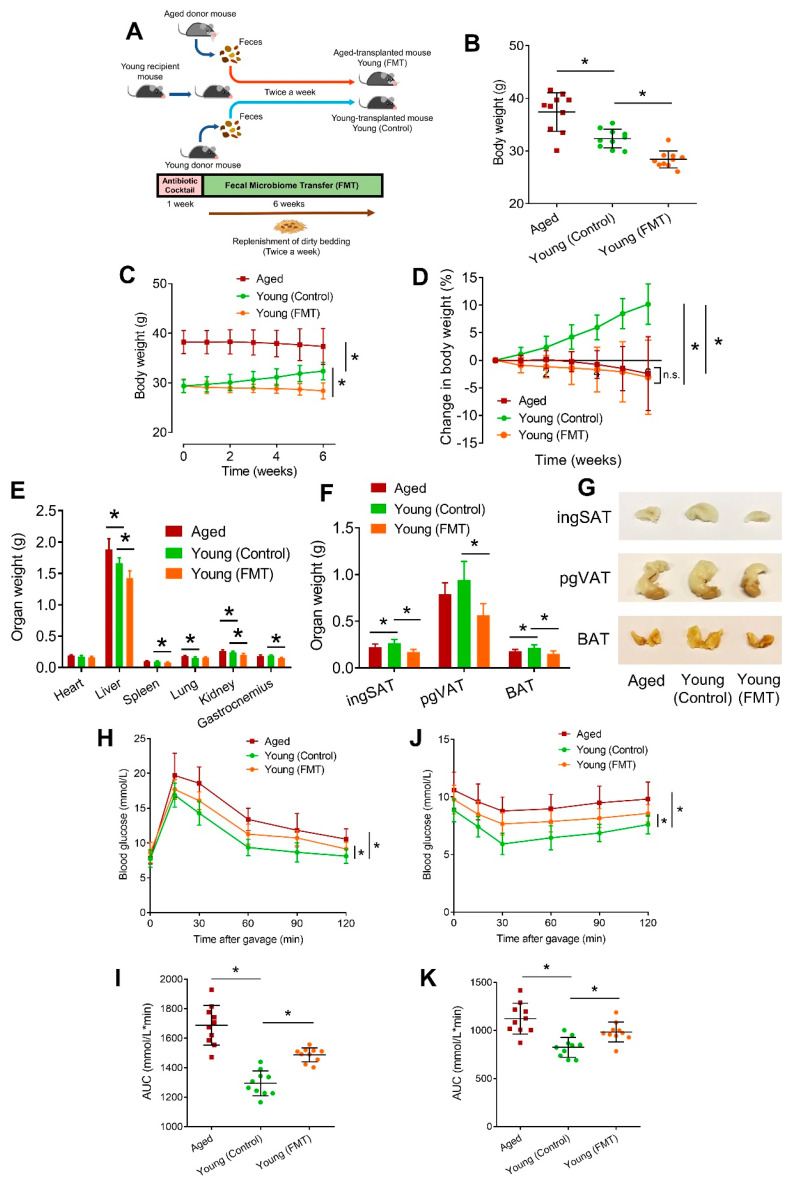
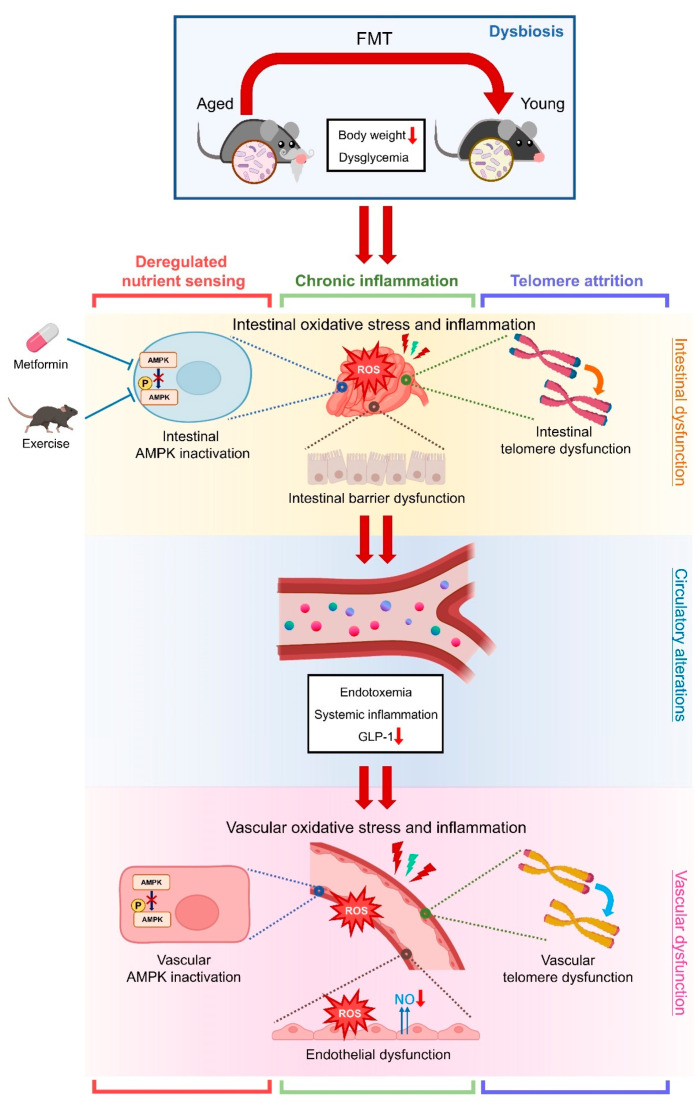
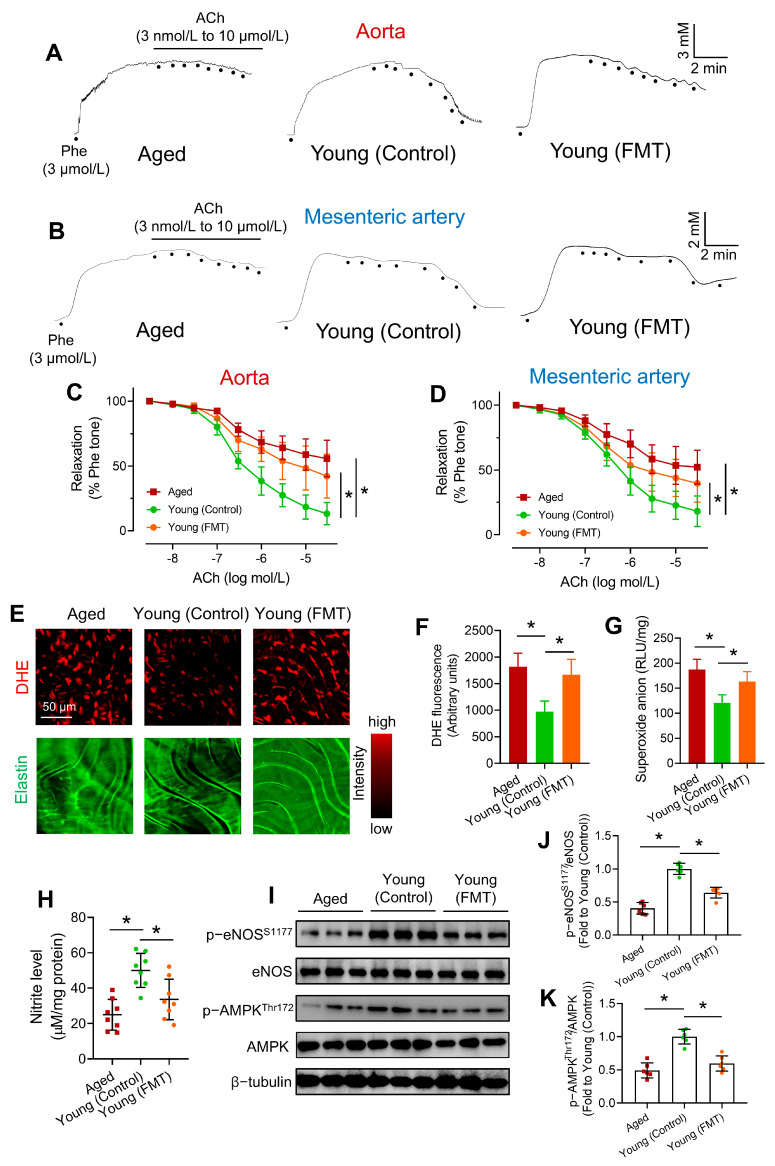
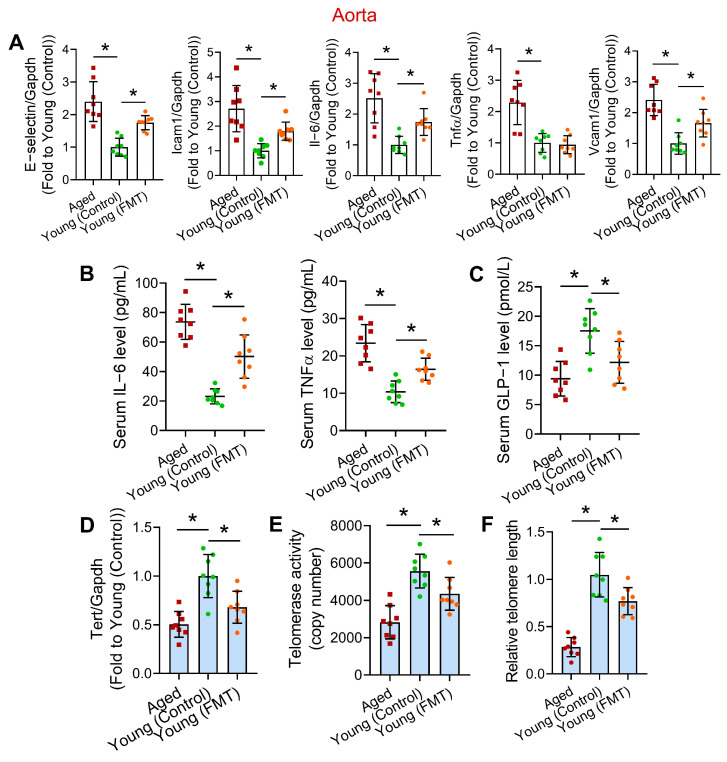
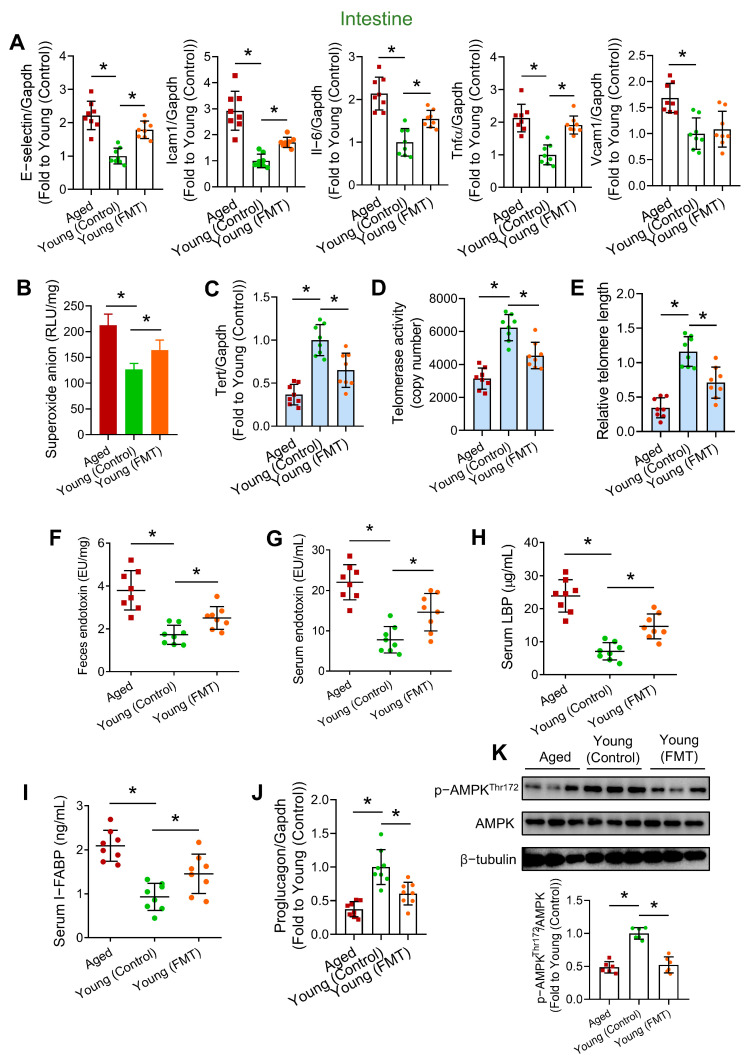
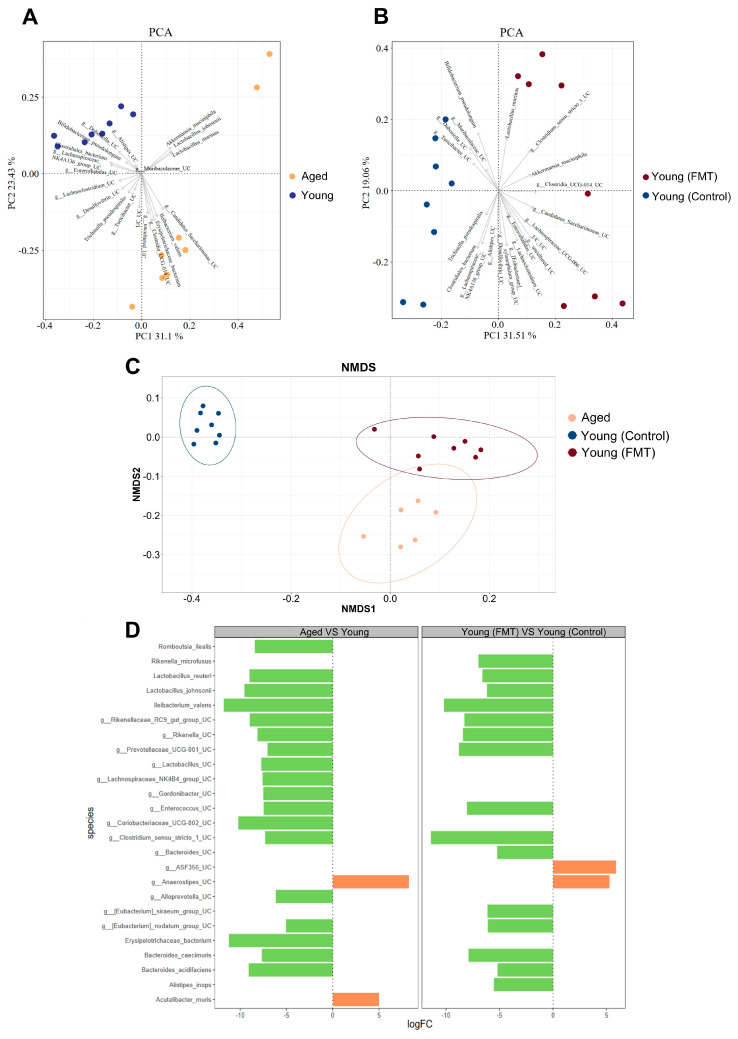
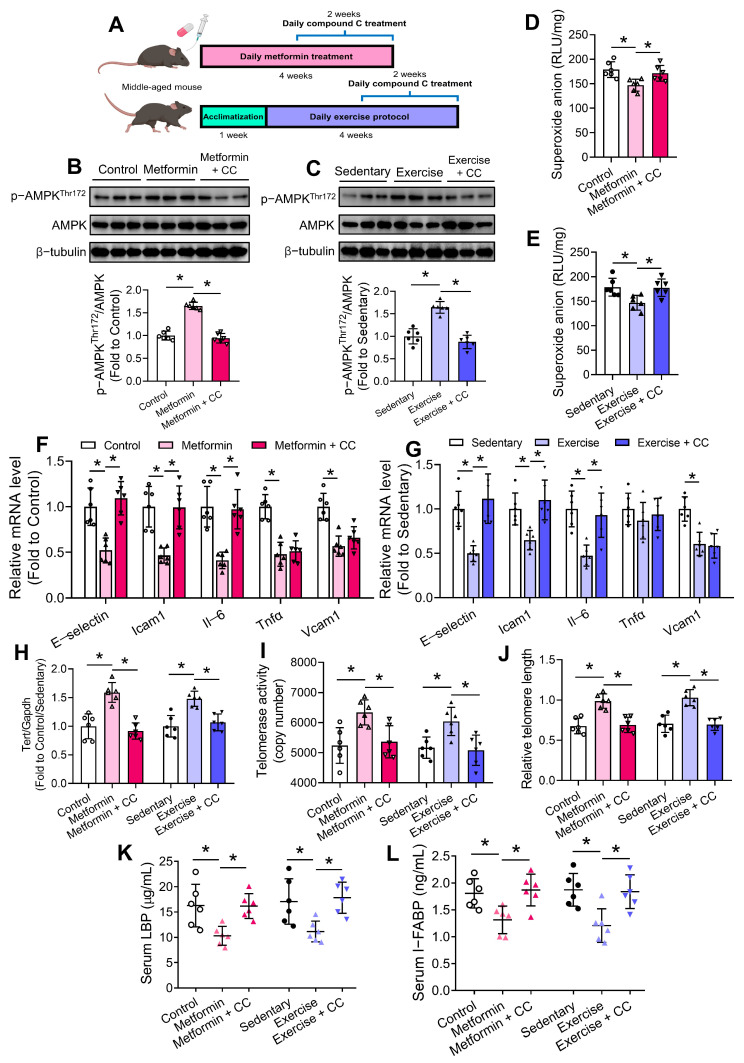
Aging, an independent risk factor for cardiometabolic diseases, refers to a progressive deterioration in physiological function, characterized by 12 established hallmarks. Vascular aging is driven by endothelial dysfunction, telomere dysfunction, oxidative stress, and vascular inflammation. This study investigated whether aged gut microbiome promotes vascular aging and metabolic impairment. Fecal microbiome transfer (FMT) was conducted from aged (>75 weeks old) to young C57BL/6 mice (8 weeks old) for 6 weeks. Wire myography was used to evaluate endothelial function in aortas and mesenteric arteries. ROS levels were measured by dihydroethidium (DHE) staining and lucigenin-enhanced chemiluminescence. Vascular and intestinal telomere function, in terms of relative telomere length, telomerase reverse transcriptase expression and telomerase activity, were measured. Systemic inflammation, endotoxemia and intestinal integrity of mice were assessed. Gut microbiome profiles were studied by 16S rRNA sequencing. Some middle-aged mice (40-42 weeks old) were subjected to chronic metformin treatment and exercise training for 4 weeks to evaluate their anti-aging benefits. Six-week FMT impaired glucose homeostasis and caused vascular dysfunction in aortas and mesenteric arteries in young mice. FMT triggered vascular inflammation and oxidative stress, along with declined telomerase activity and shorter telomere length in aortas. Additionally, FMT impaired intestinal integrity, and triggered AMPK inactivation and telomere dysfunction in intestines, potentially attributed to the altered gut microbial profiles. Metformin treatment and moderate exercise improved integrity, AMPK activation and telomere function in mouse intestines. Our data highlight aged microbiome as a mechanism that accelerates intestinal and vascular aging, suggesting the gut-vascular connection as a potential intervention target against cardiovascular aging and complications.
衰老作为心脏代谢疾病的一个独立风险因素,是指生理功能的逐渐衰退,其特征为12个已明确的标志。血管衰老由内皮功能障碍、端粒功能障碍、氧化应激和血管炎症驱动。本研究调查了衰老的肠道微生物群是否会促进血管衰老和代谢损伤。将老年(>75周龄)C57BL/6小鼠的粪便微生物群移植到年轻(8周龄)C57BL/6小鼠体内,持续6周。采用线式肌张力测定法评估主动脉和肠系膜动脉的内皮功能。通过二氢乙锭(DHE)染色和光泽精增强化学发光法测量活性氧水平。测量血管和肠道端粒功能,包括相对端粒长度、端粒酶逆转录酶表达和端粒酶活性。评估小鼠的全身炎症、内毒素血症和肠道完整性。通过16S rRNA测序研究肠道微生物群谱。对一些中年(40 - 42周龄)小鼠进行为期4周的慢性二甲双胍治疗和运动训练,以评估其抗衰老益处。6周的粪便微生物群移植损害了年轻小鼠的葡萄糖稳态,并导致主动脉和肠系膜动脉的血管功能障碍。粪便微生物群移植引发了血管炎症和氧化应激,同时主动脉中的端粒酶活性下降和端粒长度缩短。此外,粪便微生物群移植损害了肠道完整性,并引发肠道中AMPK失活和端粒功能障碍,这可能归因于肠道微生物谱的改变。二甲双胍治疗和适度运动改善了小鼠肠道的完整性、AMPK激活和端粒功能。我们的数据突出了衰老的微生物群作为加速肠道和血管衰老的一种机制,表明肠 - 血管联系是对抗心血管衰老及其并发症的一个潜在干预靶点。