
一种捕捉透明细胞肾细胞癌肿瘤干性和免疫微环境的多组学预后模型。
A Multi-Omics Prognostic Model Capturing Tumor Stemness and the Immune Microenvironment in Clear Cell Renal Cell Carcinoma.
作者信息
Xiong Beibei, Liu Wenqiang, Liu Ying, Chen Tong, Lin Anqi, Song Jiaao, Qu Le, Luo Peng, Jiang Aimin, Wang Linhui
机构信息
Department of Oncology, The First People's Hospital of Shuangliu District, Chengdu 610200, China.
Department of Urology, Changhai Hospital, Navel Medical University (Second Military Medical University), Shanghai 200433, China.
出版信息
Biomedicines. 2024 Sep 24;12(10):2171. doi: 10.3390/biomedicines12102171.
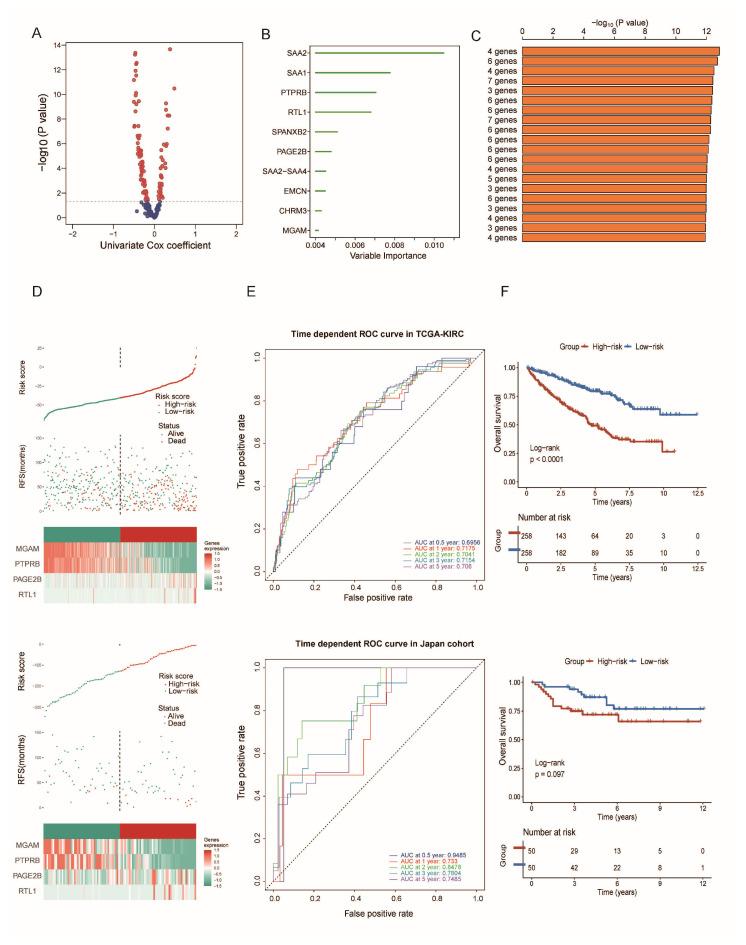
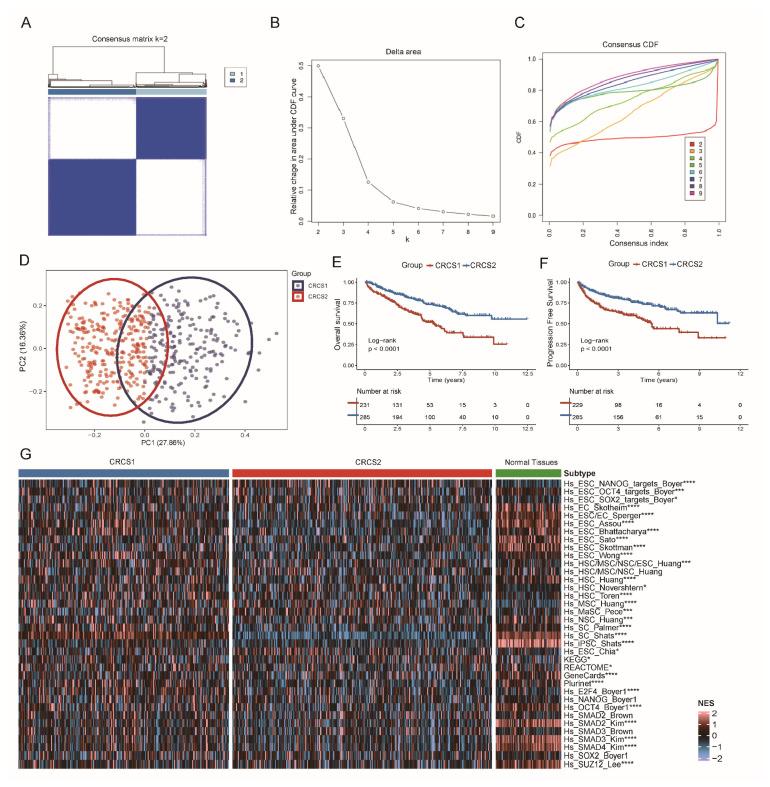
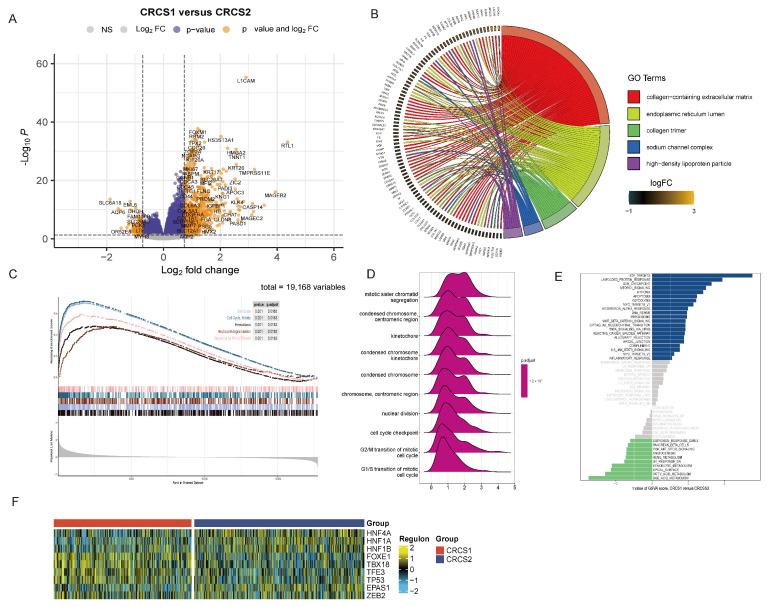
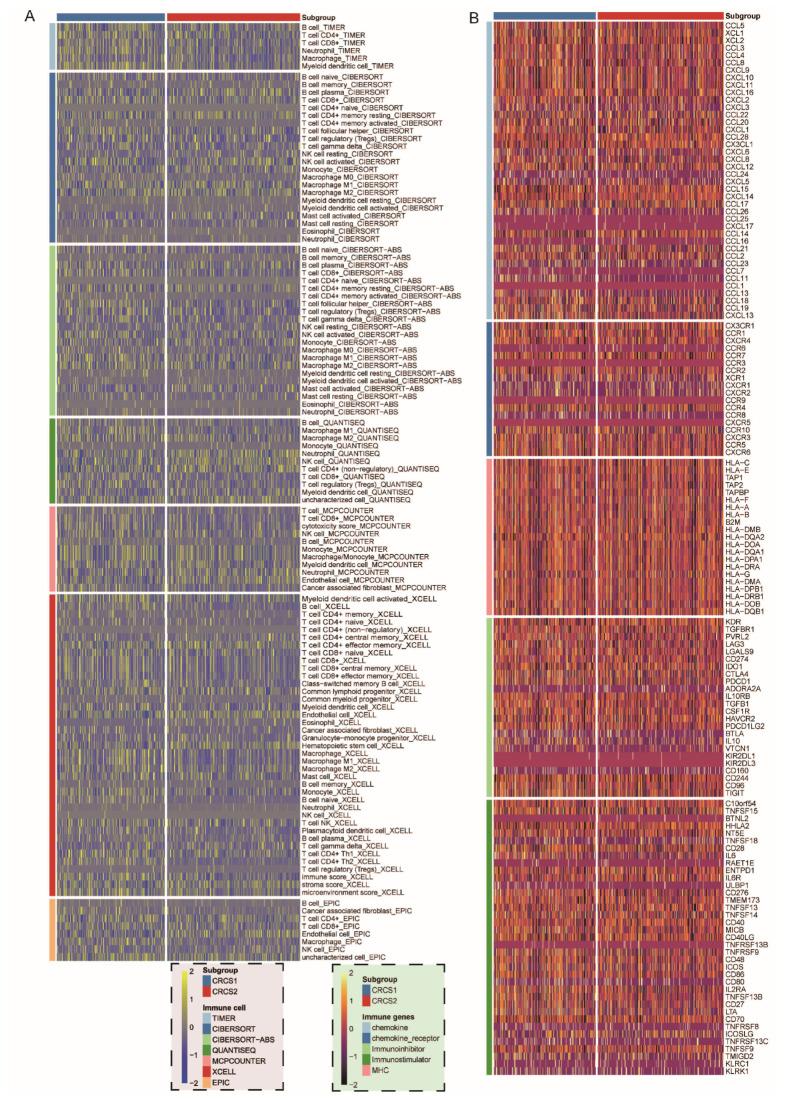
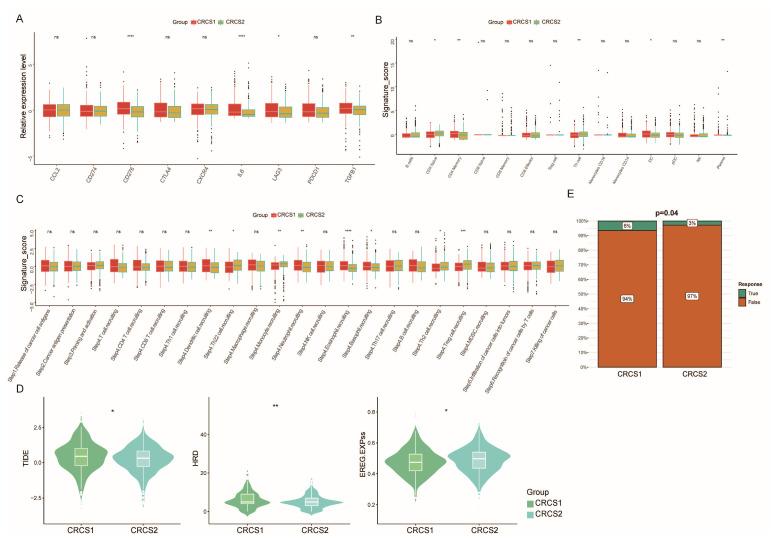
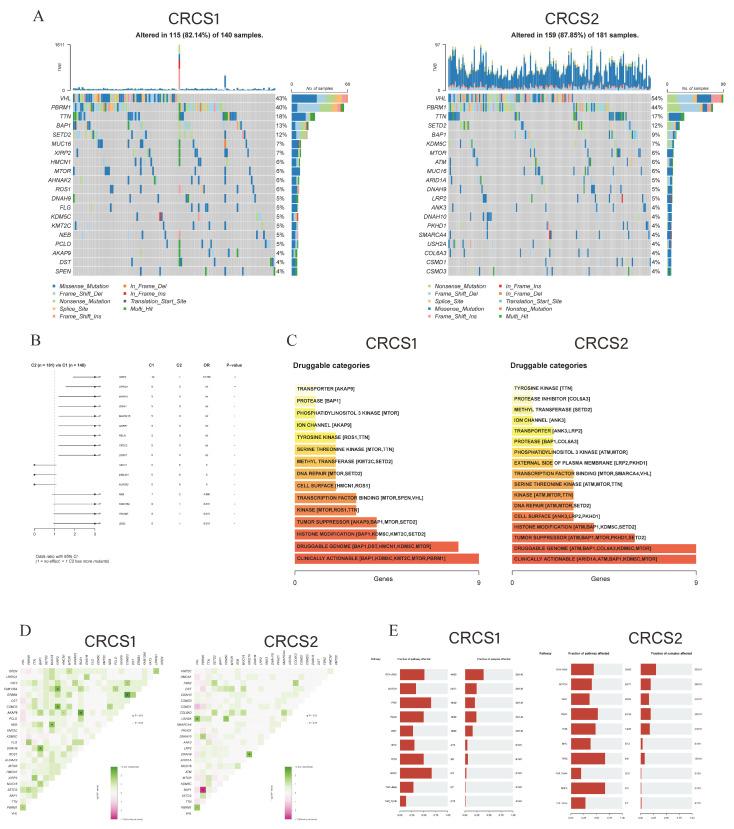
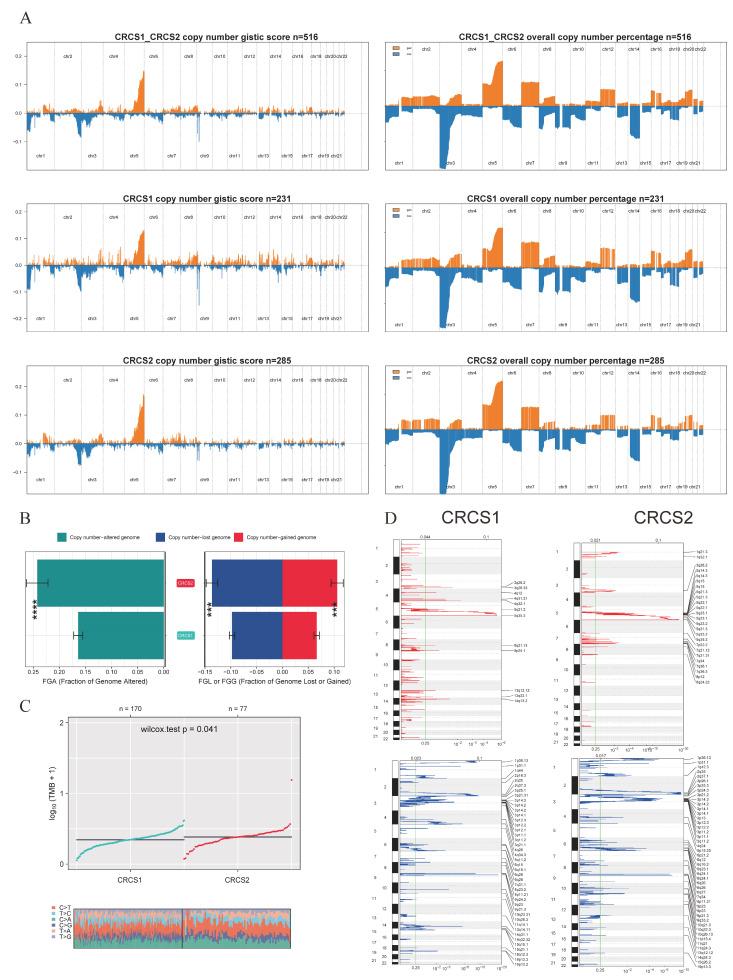
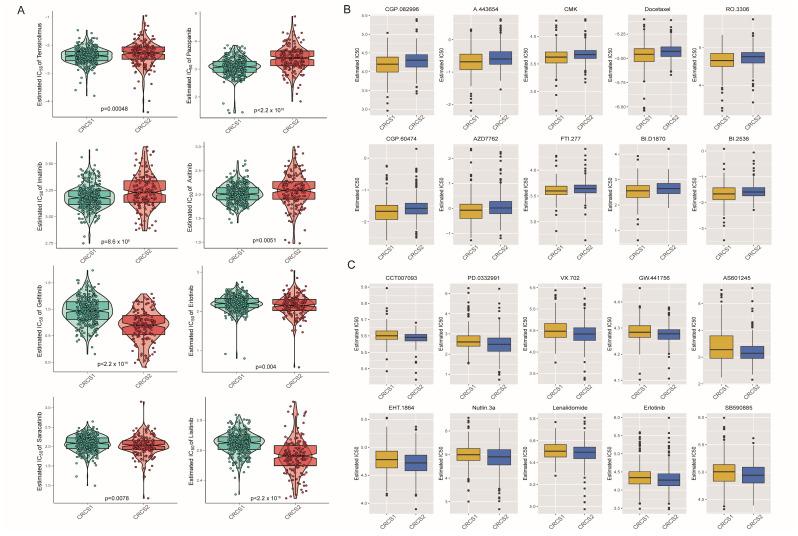
Cancer stem-like cells (CSCs), a distinct subset recognized for their stem cell-like abilities, are intimately linked to the resistance to radiotherapy, metastatic behaviors, and self-renewal capacities in tumors. Despite their relevance, the definitive traits and importance of CSCs in the realm of oncology are still not fully comprehended, particularly in the context of clear cell renal cell carcinoma (ccRCC). A comprehensive understanding of these CSCs' properties in relation to stemness, and their impact on the efficacy of treatment and resistance to medication, is of paramount importance. In a meticulous research effort, we have identified new molecular categories designated as CRCS1 and CRCS2 through the application of an unsupervised clustering algorithm. The analysis of these subtypes included a comprehensive examination of the tumor immune environment, patterns of metabolic activity, progression of the disease, and its response to immunotherapy. In addition, we have delved into understanding these subtypes' distinctive clinical presentations, the landscape of their genomic alterations, and the likelihood of their response to various pharmacological interventions. Proceeding from these insights, prognostic models were developed that could potentially forecast the outcomes for patients with ccRCC, as well as inform strategies for the surveillance of recurrence after treatment and the handling of drug-resistant scenarios. Compared with CRCS1, CRCS2 patients had a lower clinical stage/grading and a better prognosis. The CRCS2 subtype was in a hypoxic state and was characterized by suppression and exclusion of immune function, which was sensitive to gefitinib, erlotinib, and saracatinib. The constructed prognostic risk model performed well in both training and validation cohorts, helping to identify patients who may benefit from specific treatments or who are at risk of recurrence and drug resistance. A novel therapeutic target, SAA2, regulating neutrophil and fibroblast infiltration, and, thus promoting ccRCC progression, was identified. Our findings highlight the key role of CSCs in shaping the ccRCC tumor microenvironment, crucial for therapy research and clinical guidance. Recognizing tumor stemness helps to predict treatment efficacy, recurrence, and drug resistance, informing treatment strategies and enhancing ccRCC patient outcomes.
癌症干细胞(CSCs)是一类因其具有类似干细胞的能力而被识别出的独特亚群,与肿瘤的放疗抗性、转移行为和自我更新能力密切相关。尽管它们具有相关性,但CSCs在肿瘤学领域的确切特征和重要性仍未被完全理解,尤其是在透明细胞肾细胞癌(ccRCC)的背景下。全面了解这些CSCs与干性相关的特性,以及它们对治疗效果和药物抗性的影响,至关重要。在一项细致的研究工作中,我们通过应用无监督聚类算法,识别出了新的分子类别,命名为CRCS1和CRCS2。对这些亚型的分析包括对肿瘤免疫环境、代谢活动模式、疾病进展及其对免疫治疗反应的全面检查。此外,我们深入了解了这些亚型独特的临床表现、基因组改变情况以及它们对各种药物干预反应的可能性。基于这些见解,我们开发了预后模型,该模型有可能预测ccRCC患者的预后,同时为治疗后复发监测策略和耐药情况处理提供依据。与CRCS1相比,CRCS2患者的临床分期/分级较低,预后较好。CRCS2亚型处于低氧状态,其特征是免疫功能受到抑制和排斥,对吉非替尼、厄洛替尼和萨拉替尼敏感。构建的预后风险模型在训练和验证队列中均表现良好,有助于识别可能从特定治疗中获益或有复发和耐药风险的患者。我们确定了一个新的治疗靶点SAA2,它调节中性粒细胞和成纤维细胞浸润,从而促进ccRCC进展。我们的研究结果突出了CSCs在塑造ccRCC肿瘤微环境中的关键作用,这对治疗研究和临床指导至关重要。认识肿瘤干性有助于预测治疗效果、复发和耐药情况,为治疗策略提供依据并改善ccRCC患者的预后。
 Zotero 插件