Division of Life Sciences and Medicine, University of Science and Technology of China, Hefei 230026, China.
Anhui Provincial Key Laboratory of Tumor Immunotherapy and Nutrition Therapy, Hefei 230001, China.
Nutrients. 2024 Oct 20;16(20):3558. doi: 10.3390/nu16203558.
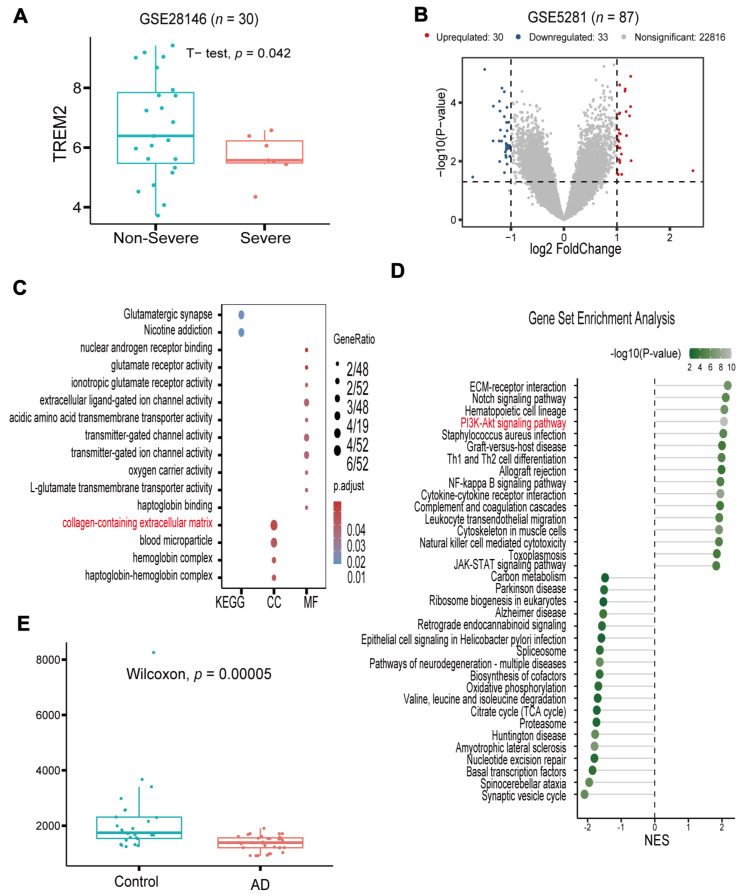
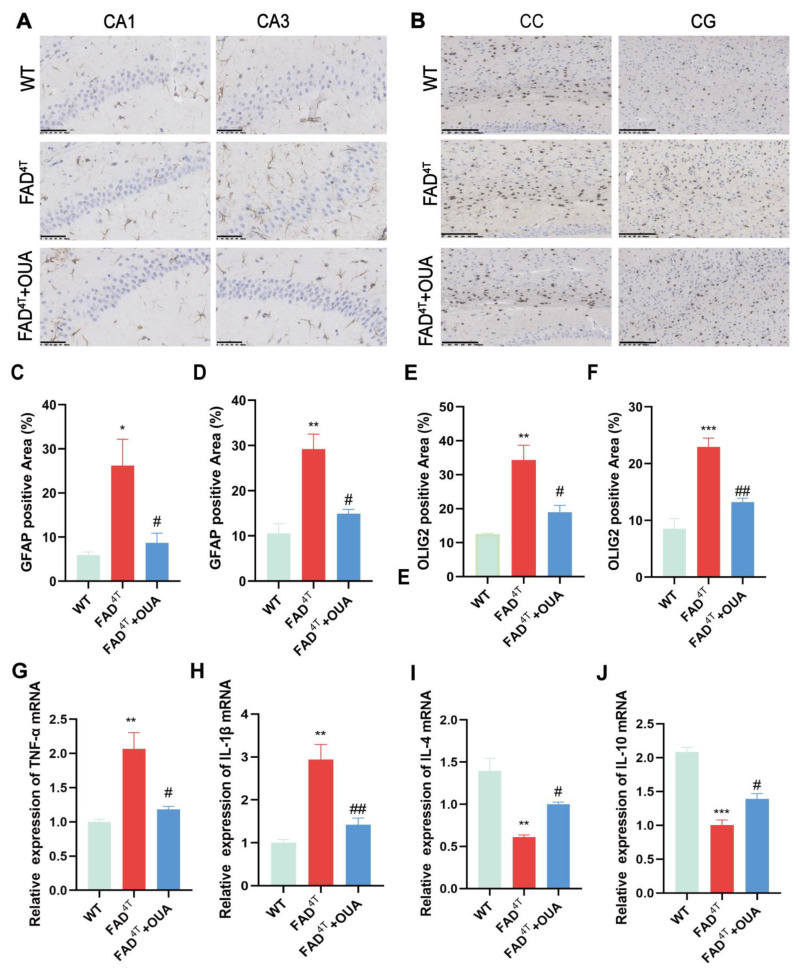
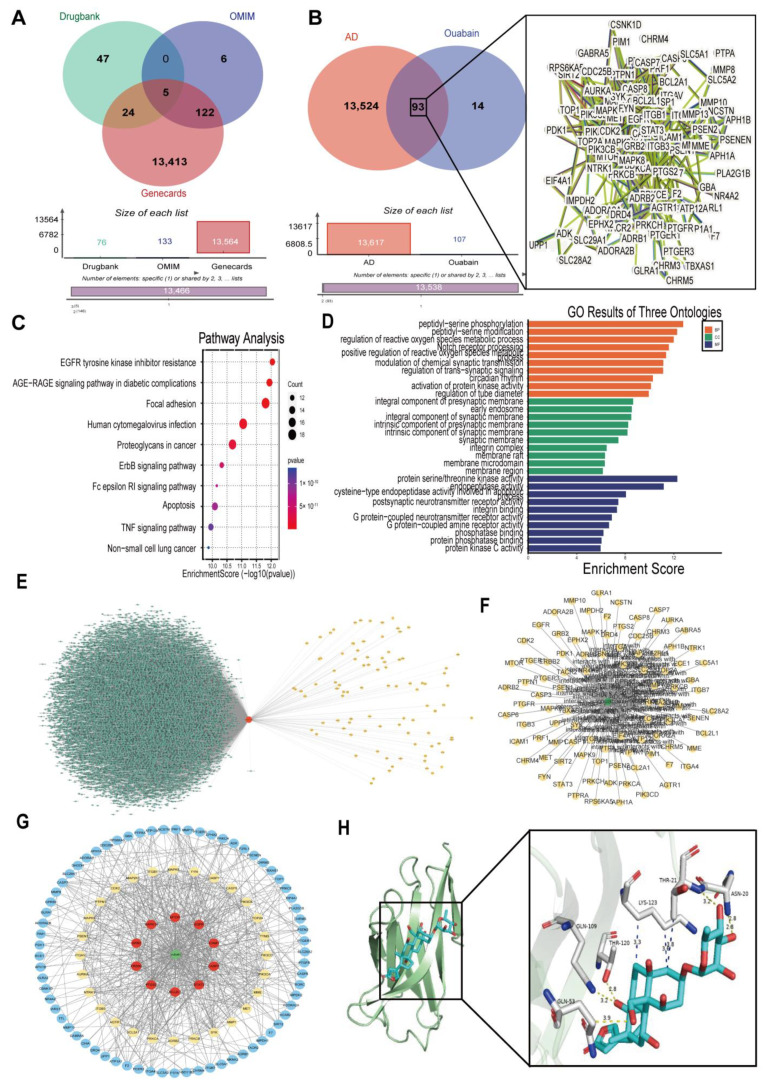
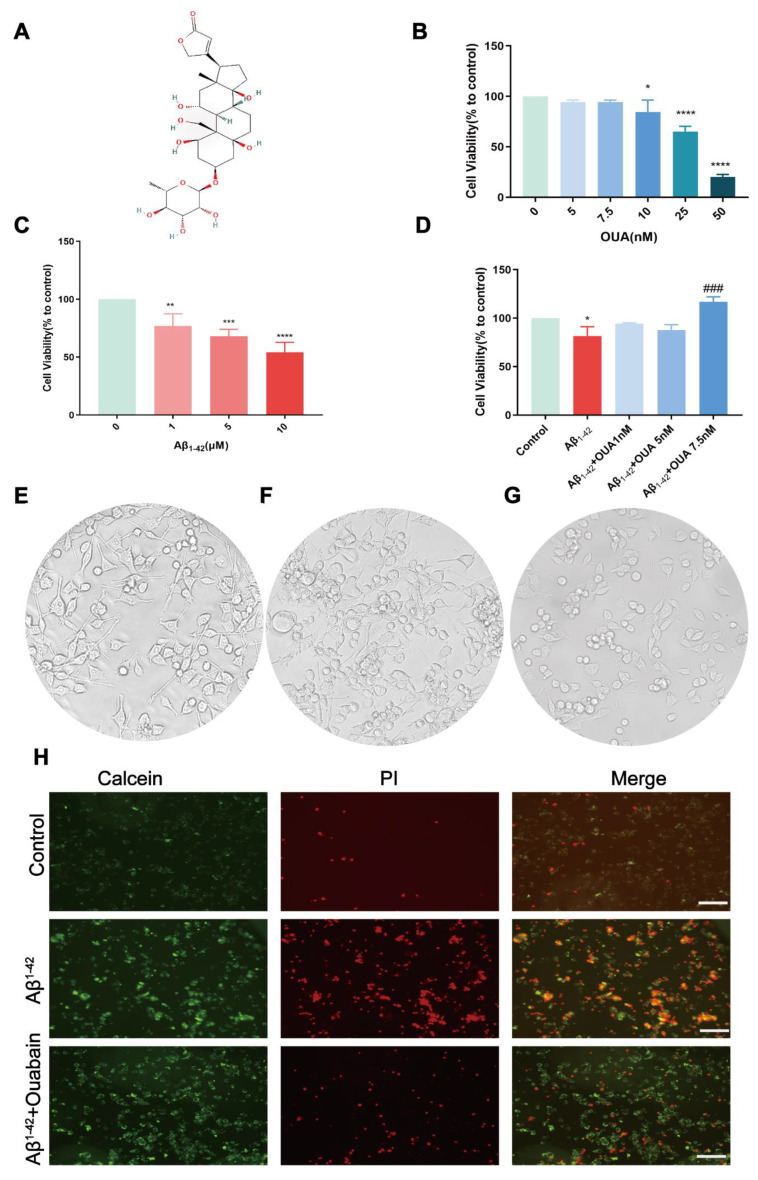
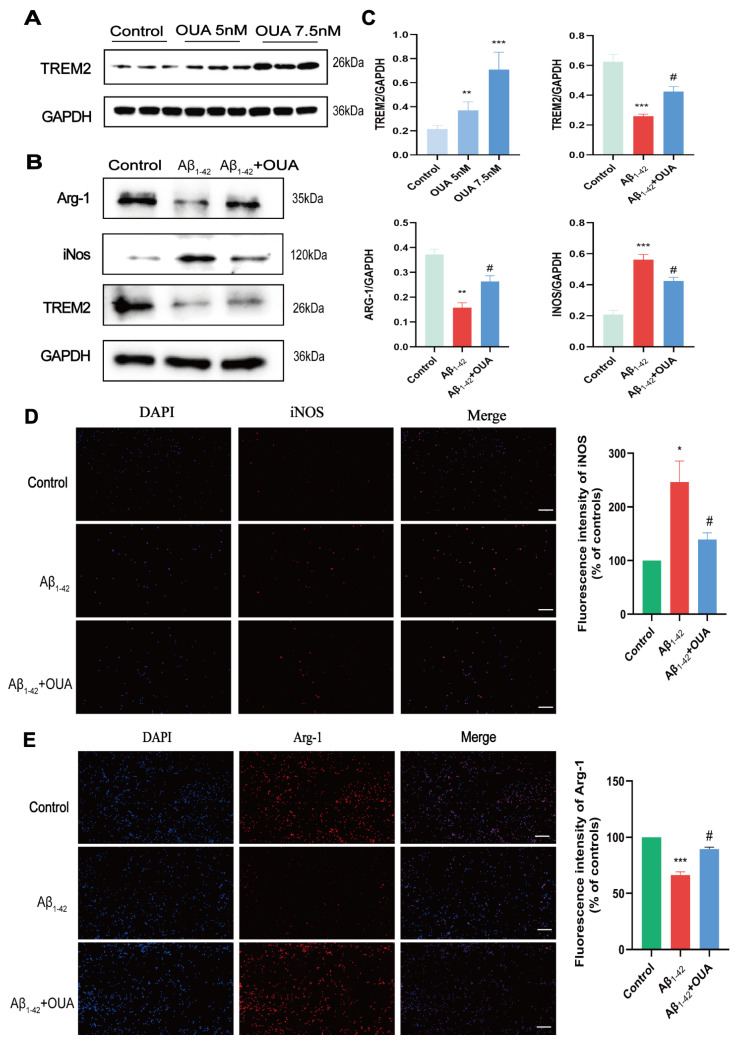
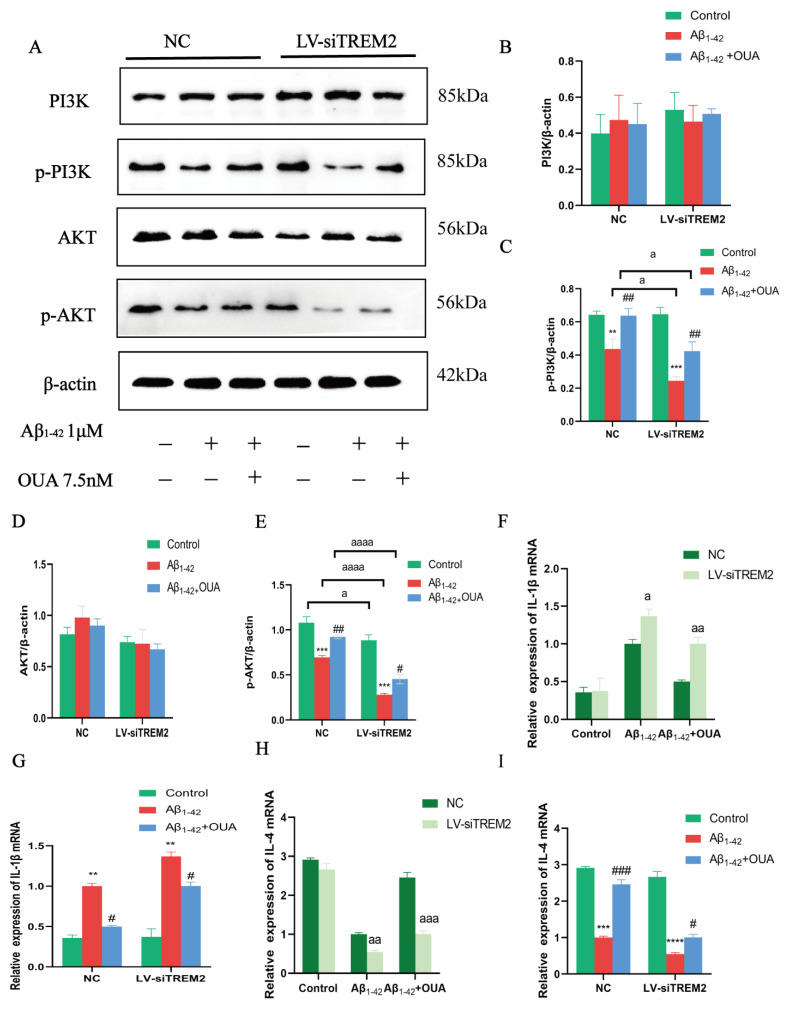
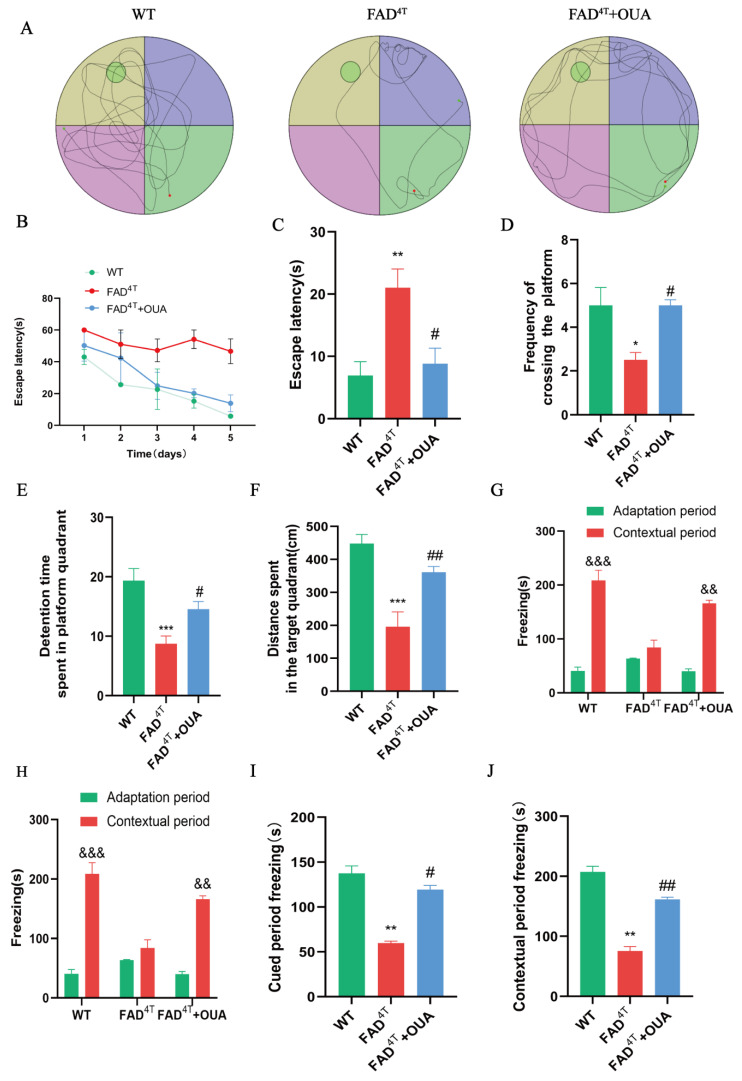
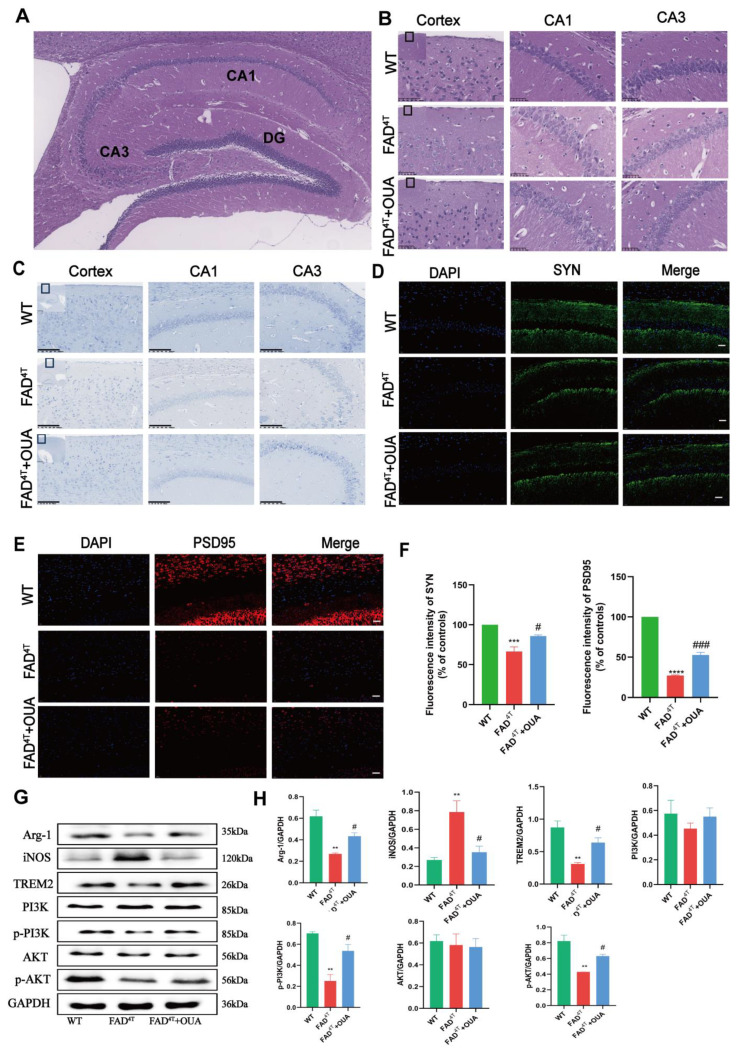
Alzheimer's disease (AD) is a common clinical neurodegenerative disorder, primarily characterized by progressive cognitive decline and behavioral abnormalities. The hallmark pathological changes of AD include widespread neuronal degeneration, plaques formed by the deposition of amyloid β-protein (Aβ), and neurofibrillary tangles (NFTs). With the acceleration of global aging, the incidence of AD is rising year by year, making it a major global public health concern. Due to the complex pathology of AD, finding effective interventions has become a key focus of research. Ouabain (OUA), a cardiac glycoside, is well-known for its efficacy in treating heart disease. Recent studies have also indicated its potential in AD therapy, although its exact mechanism of action remains unclear. This study integrates bioinformatics, multi-omics technologies, and in vivo and in vitro experiments to investigate the effects of OUA on the pathophysiological changes of AD and its underlying molecular mechanisms. This study analyzed the expression of the triggering receptor expressed on myeloid cells 2 (TREM2) across different stages of AD using bioinformatics. Serum samples from patients were used to validate soluble TREM2 (sTREM2) levels. Using an Aβ-induced microglial cell model, we confirmed that OUA enhances the PI3K/AKT signaling pathway activation by upregulating TREM2, which reduces neuroinflammation and promotes the transition of microglia from an M1 proinflammatory state to an M2 anti-inflammatory state. To evaluate the in vivo effects of OUA, we assessed the learning and memory capacity of FAD transgenic mice using the Morris water maze and contextual fear conditioning tests. We used real-time quantitative PCR, immunohistochemistry, and Western blotting to measure the expression of inflammation-associated cytokines and to assess microglia polarization. OUA enhances cognitive function in FAD mice and has been confirmed to modulate microglial M1/M2 phenotypes both in vitro and in vivo. Furthermore, through bioinformatics analysis, molecular docking, and experimental validation, TREM2 was identified as a potential target for OUA. It regulates PI3K/Akt signaling pathway activation, playing a crucial role in OUA-mediated M2 microglial polarization and its anti-inflammatory effects in models involving Aβ-stimulated BV-2 cells and FAD mice. These findings indicate that OUA exerts anti-neuroinflammatory effects by regulating microglial polarization, reducing the production of inflammatory mediators, and activating the PI3K/Akt signaling pathway. Given its natural origin and dual effects on microglial polarization and neuroinflammation, OUA emerges as a promising therapeutic candidate for neuroinflammatory diseases such as AD.
阿尔茨海默病(AD)是一种常见的临床神经退行性疾病,主要表现为进行性认知功能下降和行为异常。AD 的标志性病理变化包括广泛的神经元变性、由淀粉样β蛋白(Aβ)沉积形成的斑块和神经纤维缠结(NFTs)。随着全球老龄化的加速,AD 的发病率逐年上升,成为全球主要的公共卫生关注点。由于 AD 的复杂病理学,寻找有效的干预措施已成为研究的重点。哇巴因(OUA)是一种心脏糖苷,以治疗心脏病的疗效而闻名。最近的研究还表明它在 AD 治疗中的潜力,尽管其确切的作用机制尚不清楚。本研究整合了生物信息学、多组学技术以及体内和体外实验,研究了 OUA 对 AD 病理生理变化及其潜在分子机制的影响。本研究通过生物信息学分析了不同 AD 阶段触发受体表达在髓样细胞 2(TREM2)的表达。使用来自患者的血清样本验证了可溶性 TREM2(sTREM2)水平。使用 Aβ诱导的小胶质细胞模型,我们证实 OUA 通过上调 TREM2增强 PI3K/AKT 信号通路的激活,从而减少神经炎症并促进小胶质细胞从 M1 促炎状态向 M2 抗炎状态的转变。为了评估 OUA 的体内作用,我们使用 Morris 水迷宫和情境恐惧条件反射测试评估 FAD 转基因小鼠的学习和记忆能力。我们使用实时定量 PCR、免疫组织化学和 Western blot 来测量炎症相关细胞因子的表达,并评估小胶质细胞极化。OUA 增强了 FAD 小鼠的认知功能,并在体外和体内均证实了对小胶质细胞 M1/M2 表型的调节。此外,通过生物信息学分析、分子对接和实验验证,确定 TREM2 是 OUA 的潜在靶标。它调节 PI3K/Akt 信号通路的激活,在 OUA 介导的 Aβ刺激的 BV-2 细胞和 FAD 小鼠模型中的 M2 小胶质细胞极化及其抗炎作用中发挥关键作用。这些发现表明,OUA 通过调节小胶质细胞极化、减少炎症介质的产生和激活 PI3K/Akt 信号通路来发挥抗神经炎症作用。鉴于其天然来源和对小胶质细胞极化和神经炎症的双重作用,OUA 成为 AD 等神经炎症性疾病有希望的治疗候选药物。