Nascimento Roberto de Paula do, Rizzato Julia Soto, Polezi Gabriele, Boughanem Hatim, Williams Non Gwenllian, Borguini Renata Galhardo, Santiago Manuela Cristina Pessanha de Araujo, Marostica Junior Mario Roberto, Parry Lee
Laboratório de Nutrição e Metabolismo, Departamento de Ciência de Alimentos e Nutrição, Faculdade de Engenharia de Alimentos, Universidade Estadual de Campinas, Campinas 13083-862, SP, Brazil.
Prevention and Early Detection Laboratory, European Cancer Stem Cell Research Institute, School of Biosciences, Cardiff University, Cardiff CF24 4HQ, UK.
Plants (Basel). 2024 Oct 17;13(20):2907. doi: 10.3390/plants13202907.
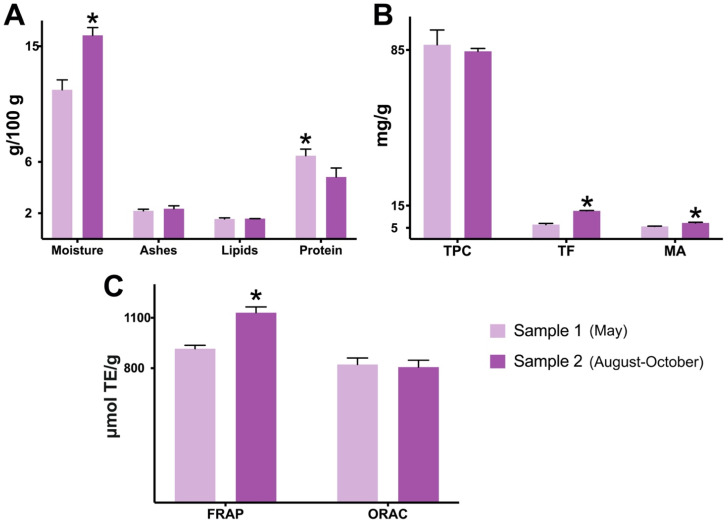
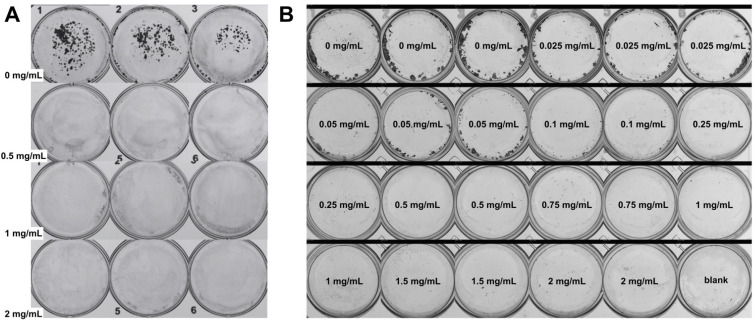
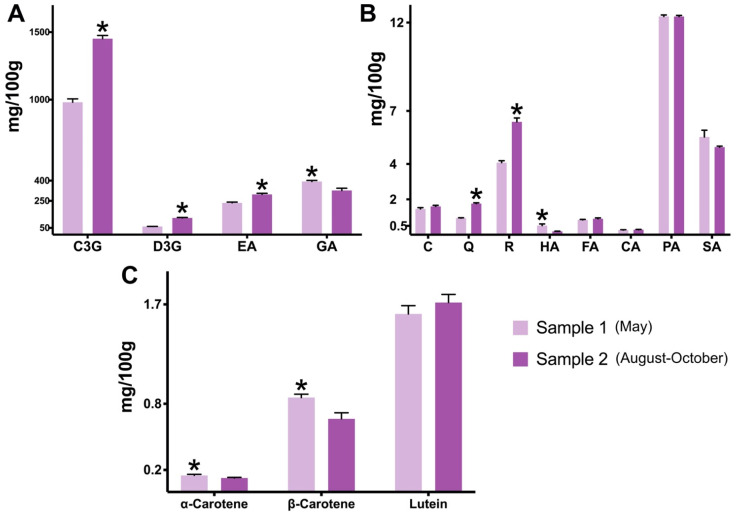
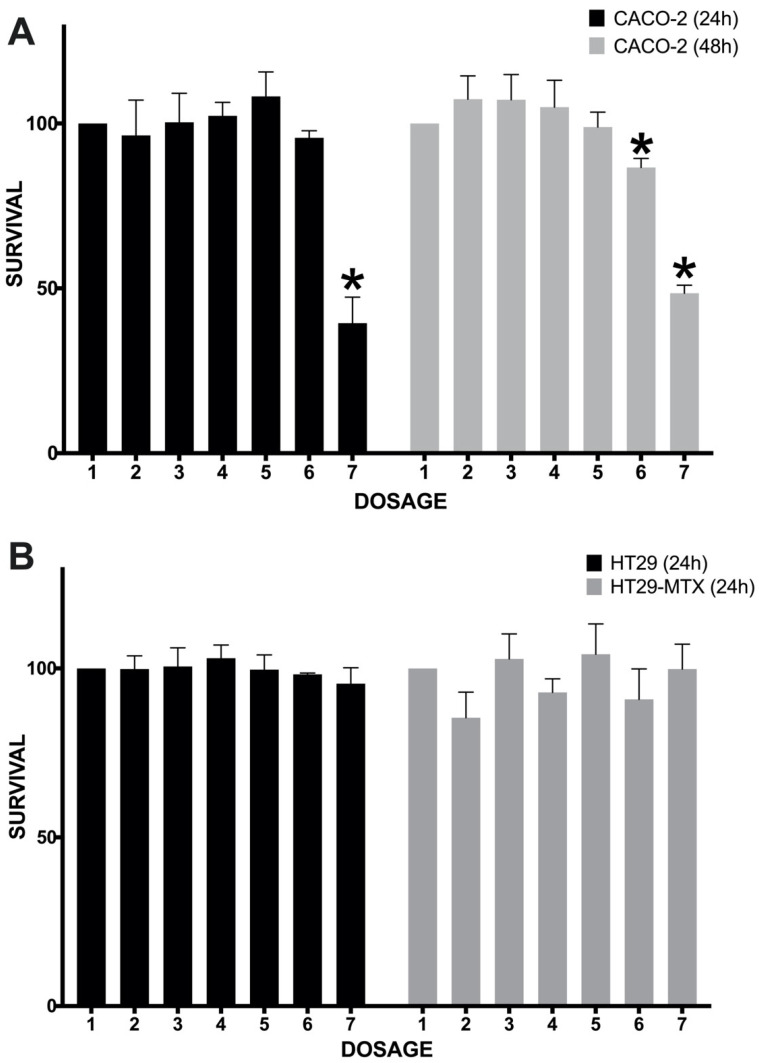
Jaboticaba () is a recognizable and unique crop from Brazil. The fruit's byproducts are currently being studied, given their bioactive composition and promising anti-cancer potential. It is not evident, however, if different harvesting seasons can modify the chemical profile and antioxidant capacity of jaboticaba fruit fractions. Furthermore, as there is limited data for jaboticaba's anti-proliferative effects, additional assessments are required to improve the robustness of these findings. Therefore, this study aimed to determine the composition of the peel of jaboticaba collected in two periods (May-off-season, sample 1-and August-October-peak season, sample 2) and test the peel's richest anthocyanin sample against colorectal cancer (CRC) cell lines. To accomplish this, proximate, spectrophotometric, and chromatographic analyses were performed in two freeze-dried samples; and anti-proliferative and/or colony-forming assays were carried out in Caco-2, HT29, and HT29-MTX cells. As a result, sample 2 showed the highest levels of polyphenols overall, including flavonoids and anthocyanins. This sample displayed significative higher contents of cyanidin-3--glucoside (48%) and delphinidin-3--glucoside (105%), in addition to a superior antioxidant capacity (23% higher). Sample 1 showed higher amounts of total protein, gallic acid (20% higher), and specific carotenoids. An aqueous extract from sample 2 was tested against CRC, showing anti-proliferative effects for Caco-2 cells at 1 and 2 mg/mL concentrations, with IC50 values of 1.2-1.3 mg/mL. Additionally, the extract was able to inhibit cell colony formation when tested at both low and high concentrations. In conclusion, jaboticaba collected in the main season stands out regarding its polyphenol composition and holds potential against cancer cell growth.
嘉宝果()是一种源自巴西的易于辨认且独特的作物。鉴于其生物活性成分和颇具前景的抗癌潜力,目前正在对该水果的副产品进行研究。然而,不同的收获季节是否会改变嘉宝果果实各部分的化学特征和抗氧化能力尚不清楚。此外,由于关于嘉宝果抗增殖作用的数据有限,需要进行更多评估以增强这些研究结果的可靠性。因此,本研究旨在确定在两个时期(5月非旺季,样本1 - 和8月至10月旺季,样本2)采集的嘉宝果果皮成分,并针对结肠直肠癌(CRC)细胞系测试果皮中花青素含量最高的样本。为此,对两个冻干样本进行了近似分析、分光光度分析和色谱分析;并在Caco - 2、HT29和HT29 - MTX细胞中进行了抗增殖和/或集落形成试验。结果显示,样本2总体上多酚含量最高,包括黄酮类化合物和花青素。该样本中矢车菊素 - 3 - 葡萄糖苷(48%)和飞燕草素 - 3 - 葡萄糖苷(105%)的含量显著更高,此外抗氧化能力也更强(高23%)。样本1的总蛋白、没食子酸(高20%)和特定类胡萝卜素含量更高。对样本2的水提取物进行了针对CRC的测试,结果表明该提取物在1和2 mg/mL浓度下对Caco - 2细胞具有抗增殖作用,IC50值为1.2 - 1.3 mg/mL。此外,该提取物在低浓度和高浓度测试时均能抑制细胞集落形成。总之,在主要季节采集的嘉宝果在多酚成分方面表现突出,对癌细胞生长具有潜在抑制作用。