Yang Weihong, Peng Jiaxin, Chen Qiulin, Zhao Sicheng, Zhuo Ran, Luo Yan, Gao Lingxiao
China Southern Power Grid Research Institute Co., Ltd., National Engineering Research Center of UHV Technology, New Electrical Equipment Basis of China Southern Power Grid Research Institute Co., Ltd., Guangzhou 510080, China.
School of Mechanical Engineering, Hebei University of Technology, Tianjin 300401, China.
Micromachines (Basel). 2024 Sep 27;15(10):1199. doi: 10.3390/mi15101199.
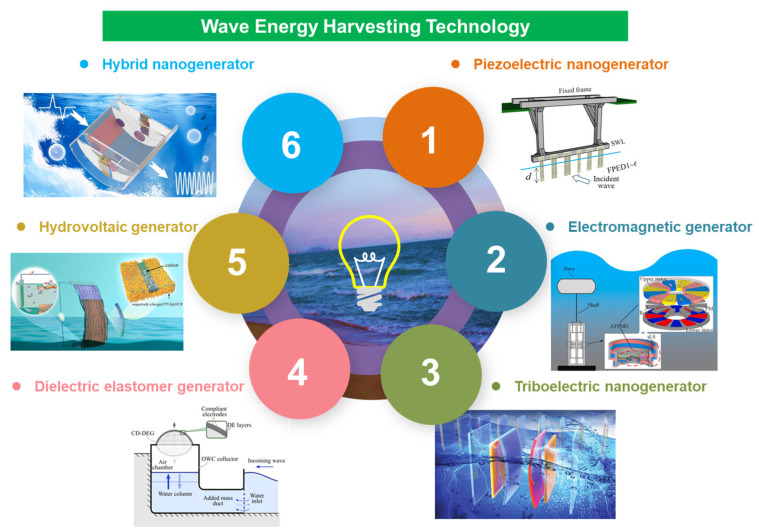
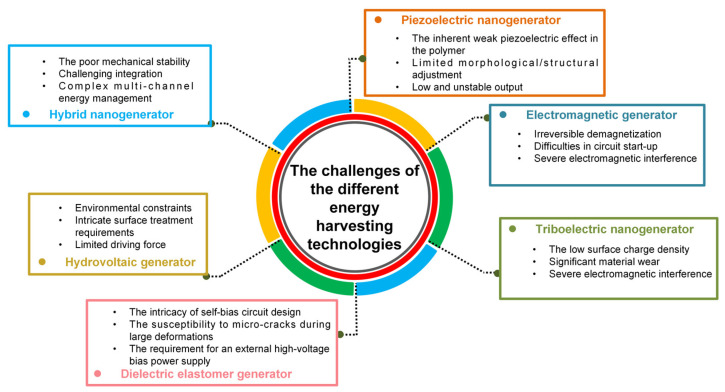
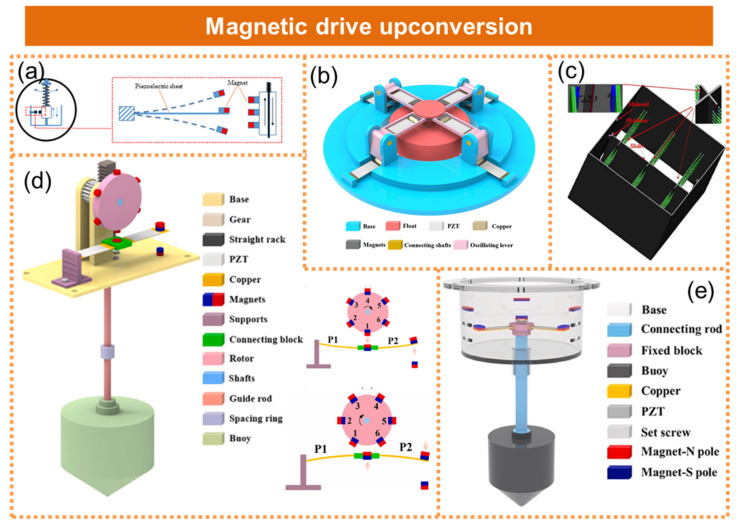
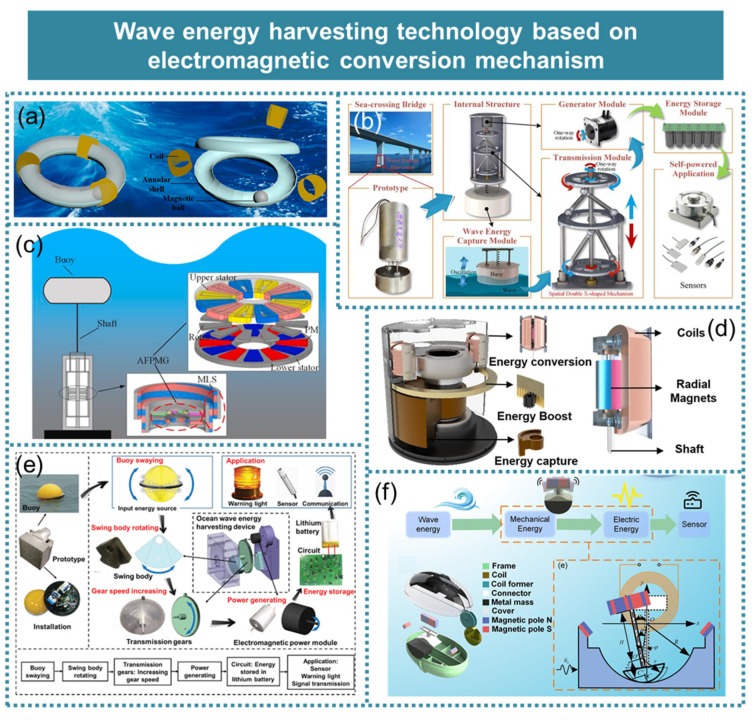
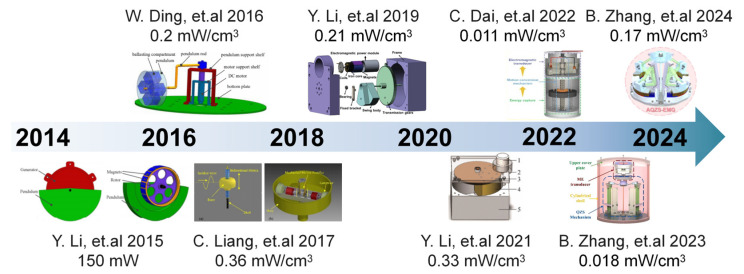
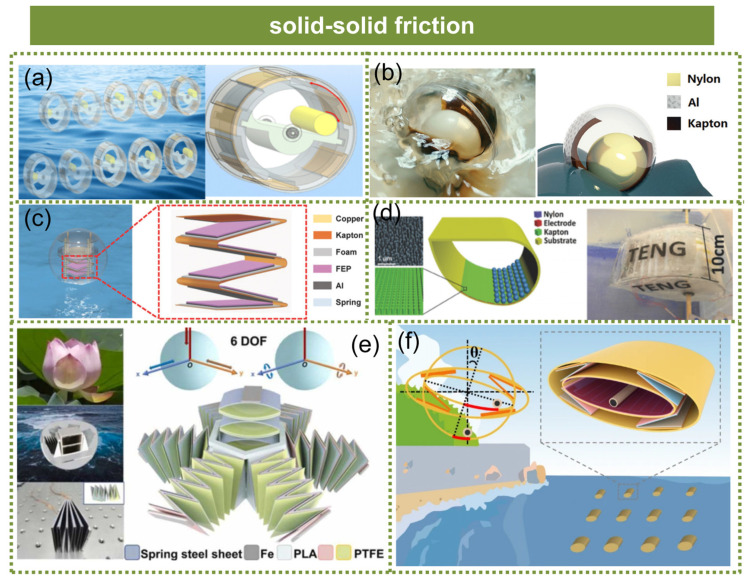
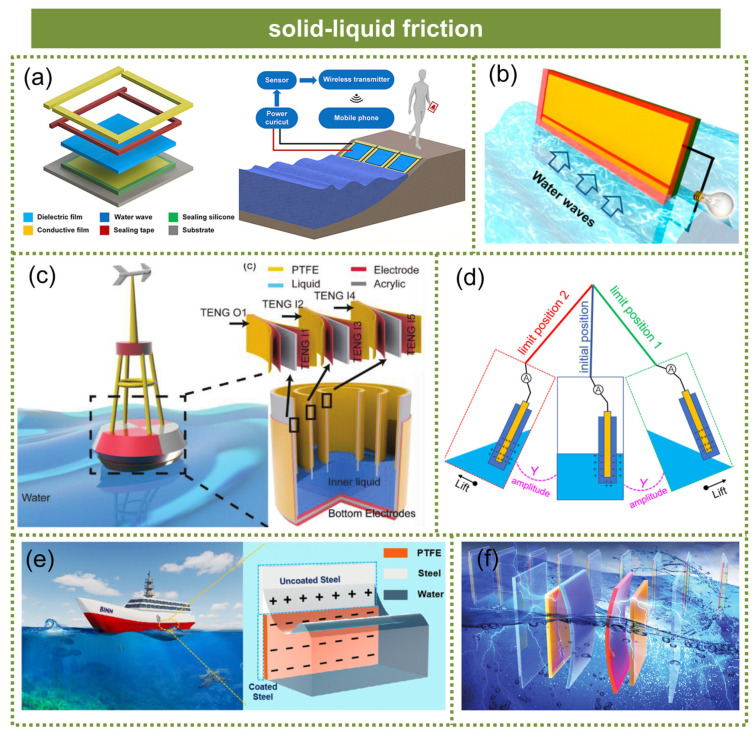
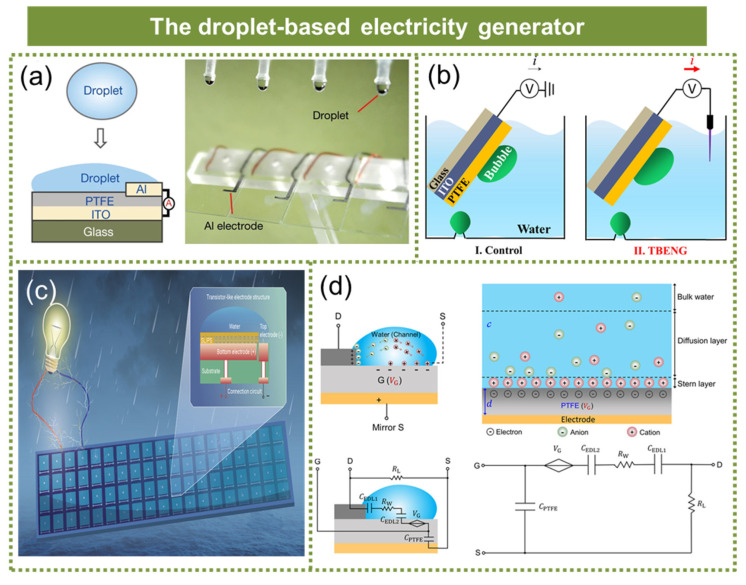
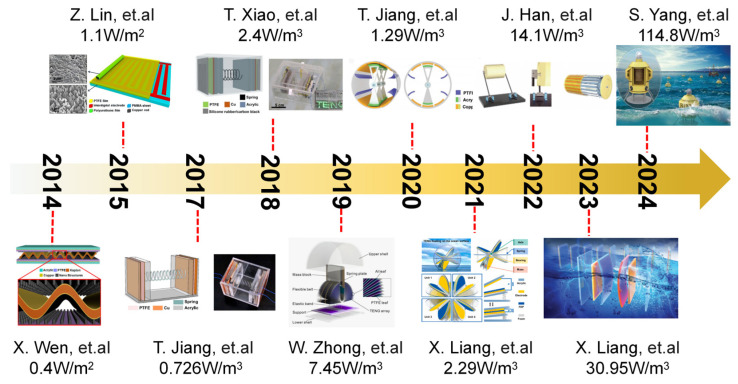
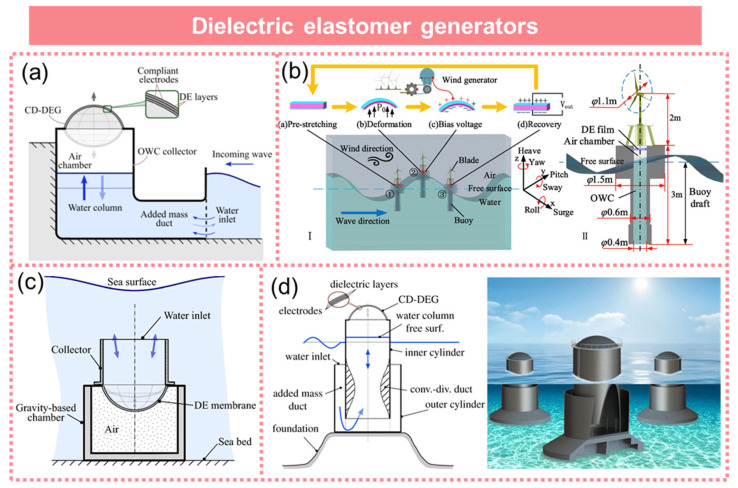
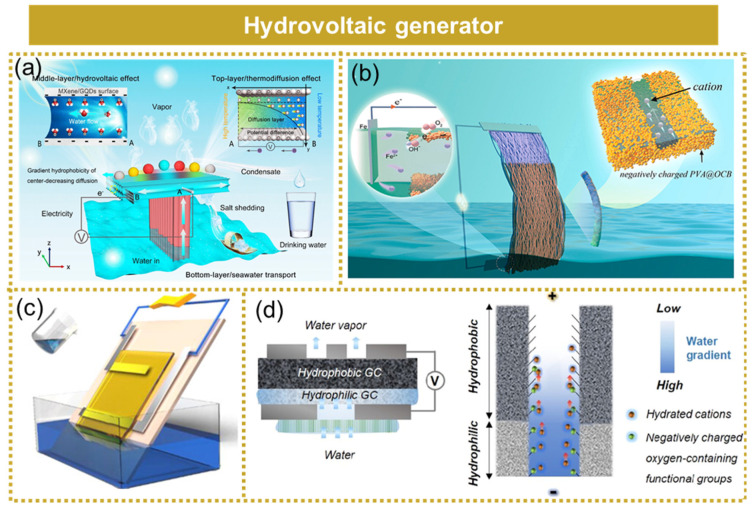
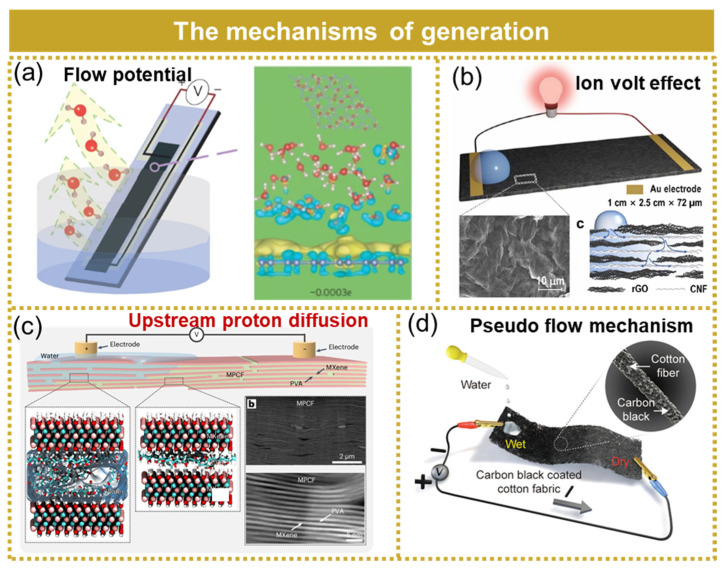
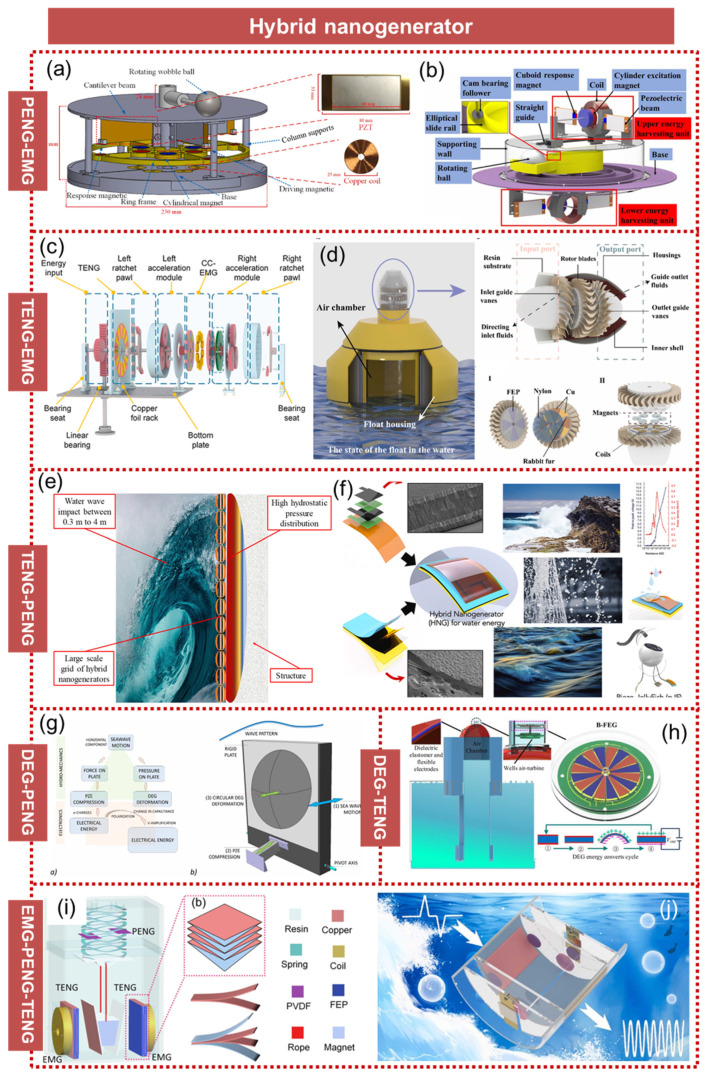
Marine wave energy exhibits significant potential as a renewable resource due to its substantial energy storage capacity and high energy density. However, conventional wave power generation technologies often suffer from drawbacks such as high maintenance costs, cumbersome structures, and suboptimal conversion efficiencies, thereby limiting their potential. The wave power generation technologies based on micro-energy technology have emerged as promising new approaches in recent years, owing to their inherent advantages of cost-effectiveness, simplistic structure, and ease of manufacturing. This paper provides a comprehensive overview of the current research status in wave energy harvesting through micro-energy technologies, including detailed descriptions of piezoelectric nanogenerators, electromagnetic generators, triboelectric nanogenerators, dielectric elastomer generators, hydrovoltaic generators, and hybrid nanogenerators. Finally, we provide a comprehensive overview of the prevailing issues and challenges associated with these technologies, while also offering insights into the future development trajectory of wave energy harvesting technology.
由于具有巨大的能量存储能力和高能量密度,海浪能作为一种可再生资源展现出巨大潜力。然而,传统的波浪发电技术常常存在诸如维护成本高、结构笨重以及转换效率欠佳等缺点,从而限制了它们的潜力。近年来,基于微能源技术的波浪发电技术作为有前景的新方法应运而生,这得益于其具有成本效益、结构简单和易于制造等固有优势。本文全面概述了通过微能源技术进行波浪能收集的当前研究现状,包括对压电纳米发电机、电磁发电机、摩擦电纳米发电机、介电弹性体发电机、水力伏特发电机和混合纳米发电机的详细描述。最后,我们全面概述了与这些技术相关的主要问题和挑战,同时也对波浪能收集技术的未来发展轨迹提供了见解。