AinShams University, Cairo, Egypt.
Periodontology and Oral diagnosis, Faculty of Dentistry, AinShams University, Cairo, Egypt.
BMC Oral Health. 2024 Oct 28;24(1):1306. doi: 10.1186/s12903-024-04964-6.
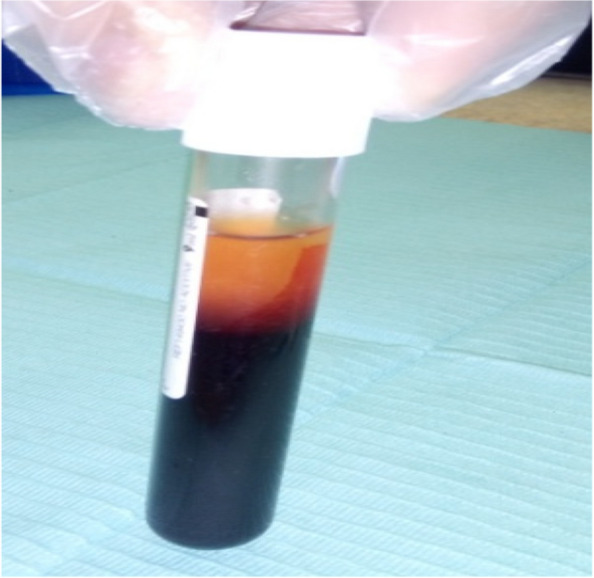
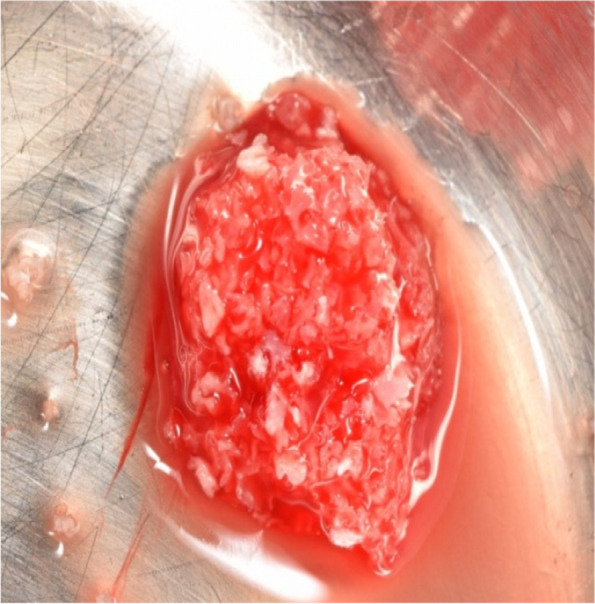
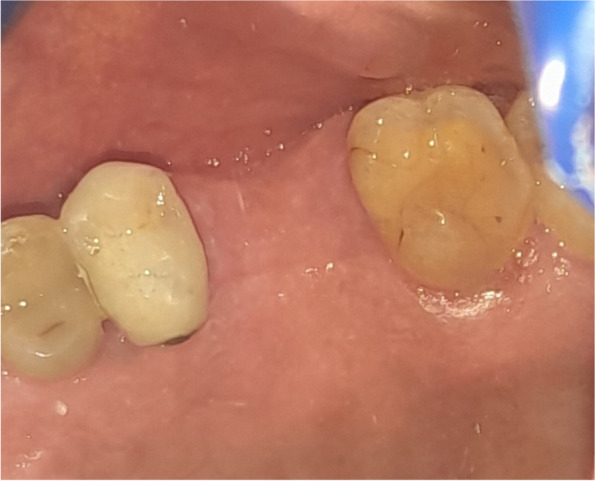
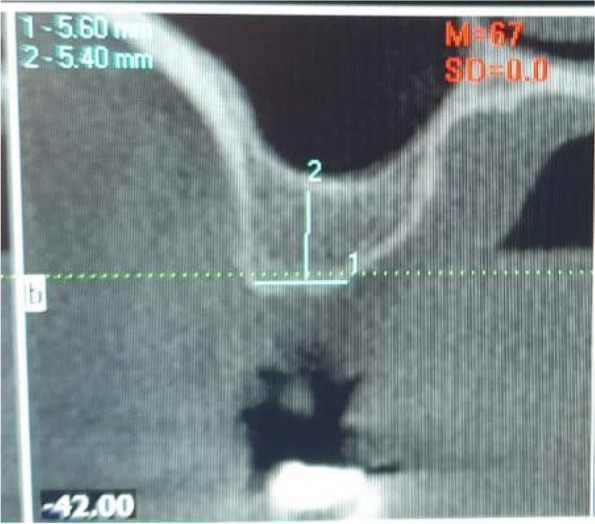
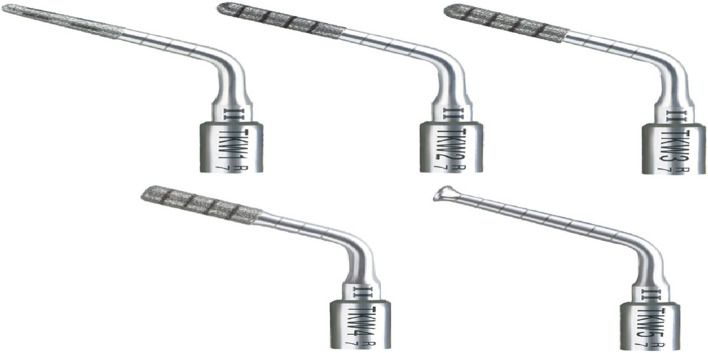
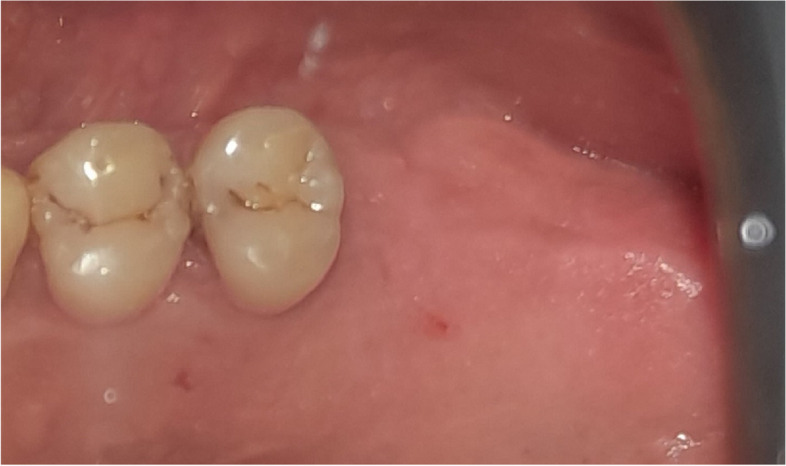
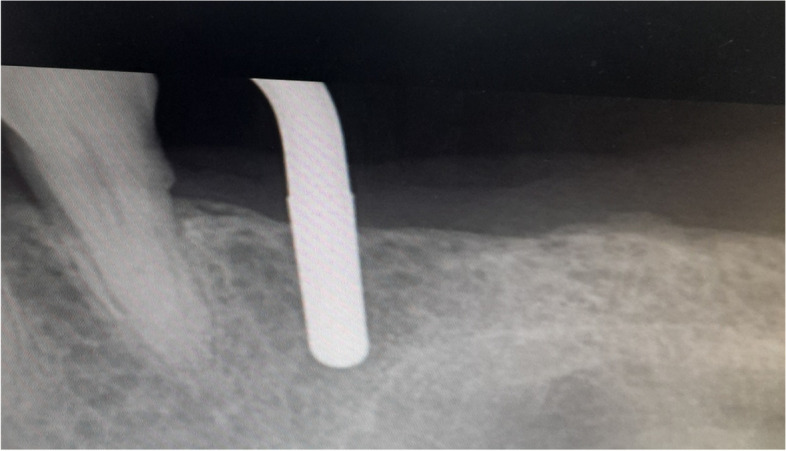
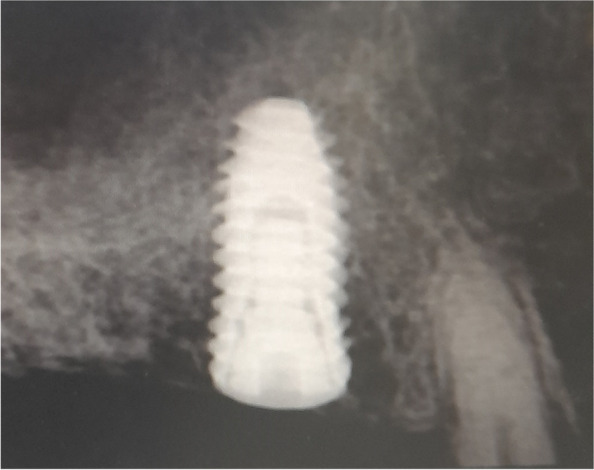
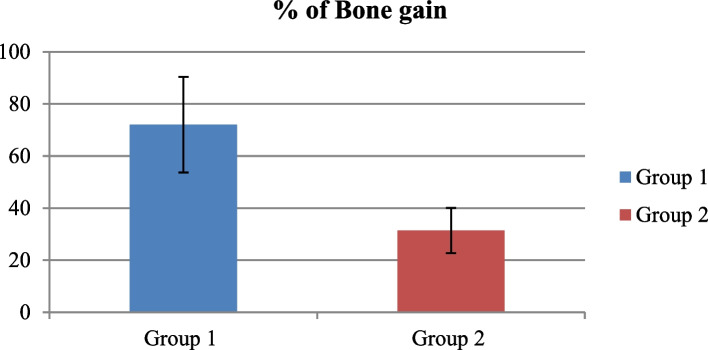
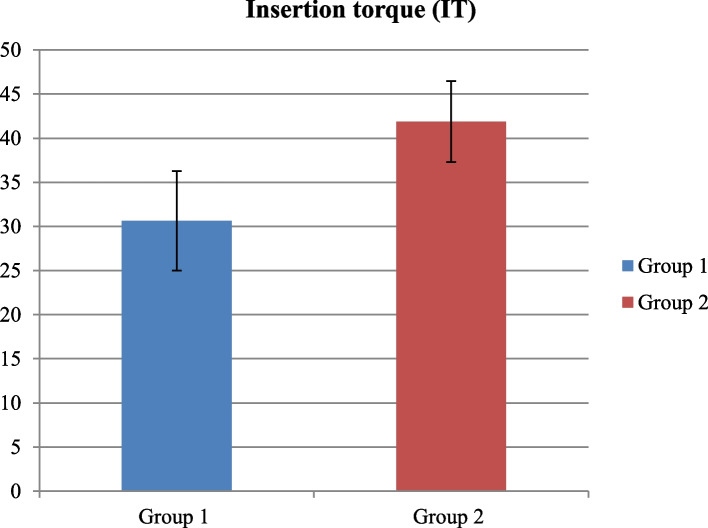
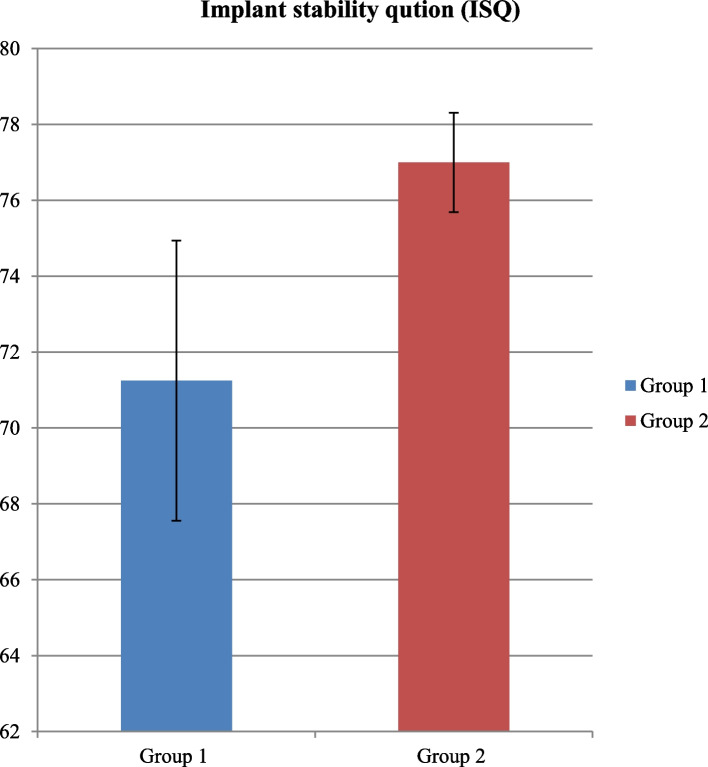
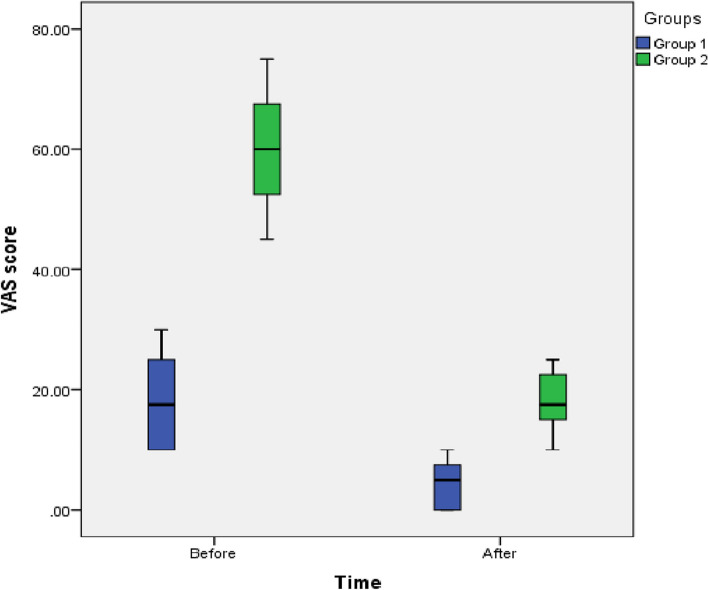
Transalveolar sinus elevation is a minimally invasive technique aimed at augmenting the vertical bone height in the posterior maxilla, facilitating successful implant placement in areas with insufficient bone volume. This study compares the efficacy of osseodensification and piezoelectric internal sinus elevation (PISE) techniques in delayed implant placement. The primary objective was to radiographically assess vertical bone gain and bone density, while secondary objectives included clinical assessment of primary implant stability and post-operative satisfaction of both patients and operators. The study population of a total of 16 patients was randomly divided into two groups. Group 1 underwent osseodensification sinus lift using sticky bone as a graft material, whereas Group 2 received PISE with the same graft material. Results indicated that the osseodensification technique led to greater bone gain, improved bone density, and shorter surgical duration. Additionally, osseodensification was associated with enhanced rapid healing and higher patient satisfaction. Conversely, the PISE technique demonstrated superior primary stability of implants on the day of surgery. These findings suggest that while both techniques are effective, osseodensification may offer advantages in terms of bone gain, density, and patient satisfaction, making it a reliable method for enhancing rapid healing in delayed implant placement. the study was registered on clinicaltrials.gov at 26 September 2023 and clinical trials ID is NCT06055127.
经牙槽嵴窦底提升术是一种微创技术,旨在增加上颌后牙区垂直骨高度,为骨量不足区域的种植体植入提供保障。本研究比较了骨密化和压电内窦提升(PISE)技术在延迟种植体植入中的效果。主要目的是通过影像学评估垂直骨增量和骨密度,次要目标包括评估主要种植体稳定性和患者及操作者对术后满意度的临床评估。共有 16 名患者的研究人群被随机分为两组。第 1 组采用粘性骨作为移植材料进行骨密化窦提升,第 2 组采用相同的移植材料进行 PISE。结果表明,骨密化技术导致了更大的骨增量、改善了骨密度,并缩短了手术时间。此外,骨密化与更快的愈合和更高的患者满意度相关。相反,PISE 技术在手术当天显示出更高的种植体初始稳定性。这些发现表明,虽然两种技术都有效,但骨密化在骨增量、密度和患者满意度方面可能具有优势,使其成为增强延迟种植体植入快速愈合的可靠方法。该研究于 2023 年 9 月 26 日在 clinicaltrials.gov 上注册,临床试验 ID 为 NCT06055127。