Liu Bao-Qun, Bai Yi, Chen Da-Peng, Zhang Ya-Min, Wang Tian-Ze, Chen Jing-Rui, Liu Xiang-Yu, Zheng Bin, Cui Zi-Lin
First Central Clinical College, Tianjin Medical University, Tianjin 300070, China.
Department of Hepatobiliary Surgery, Tianjin First Central Hospital, School of Medicine, Nankai University, Tianjin 300192, China.
World J Gastrointest Oncol. 2024 Oct 15;16(10):4232-4243. doi: 10.4251/wjgo.v16.i10.4232.
Several recent studies have confirmed that intratumoural microorganisms can affect the occurrence and development of hepatocellular carcinoma (HCC); however, their role in tumor progression remains unclear. Hence, there is a need for further research on the role of intratumoural microorganisms in HCC.
To investigate the changes in intratumoural microorganisms in HCC and the effect of on HCC progression.
HCC and normal liver tissue specimens were subjected to fluorescence hybridization (FISH). After performing 16S rRNA sequencing on HCC and peritumoral tissues to analyze the differences between the two groups. was cocultured with HCC cells . Changes in cell proliferation and migration capacity were evaluated. The expression of NF-κB pathway related proteins in tumor cells was compared. The orthotopic liver implantation model and the subcutaneous xenograft model were constructed. liver tissues and subcutaneous tumors were collected 2 weeks later.
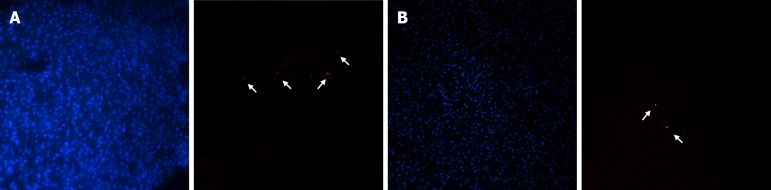
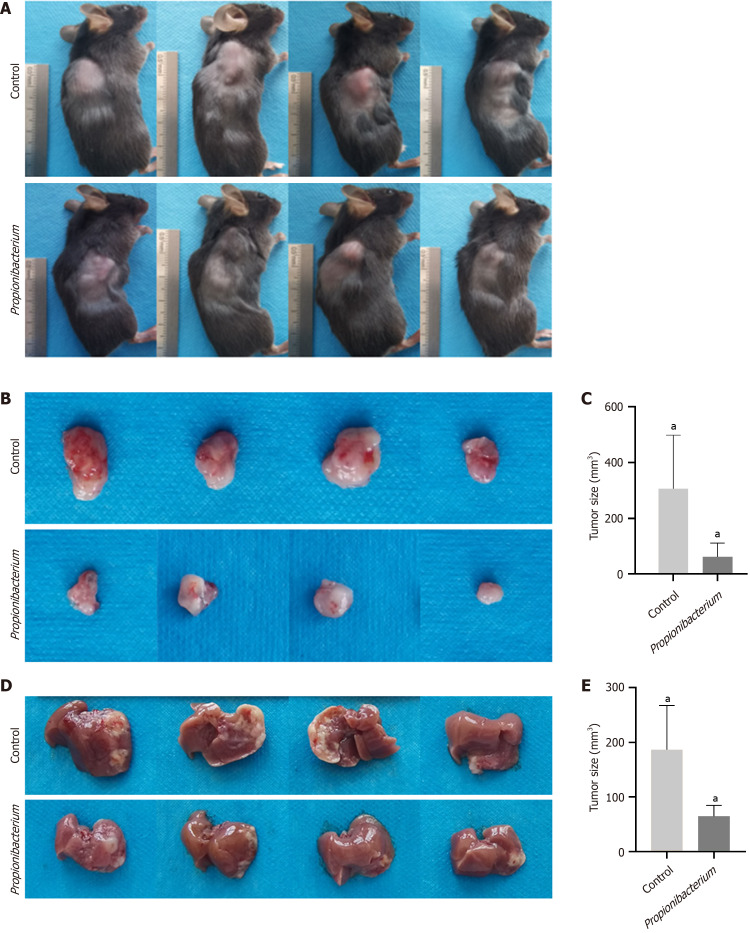
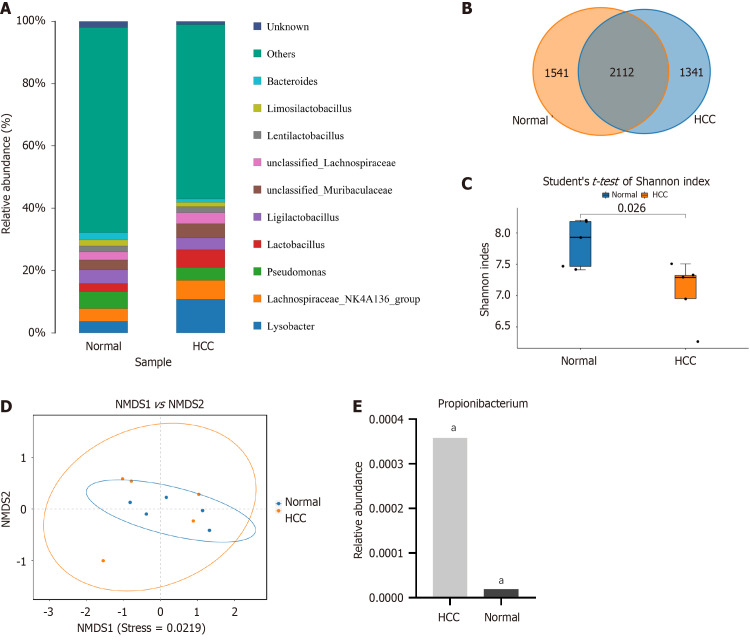
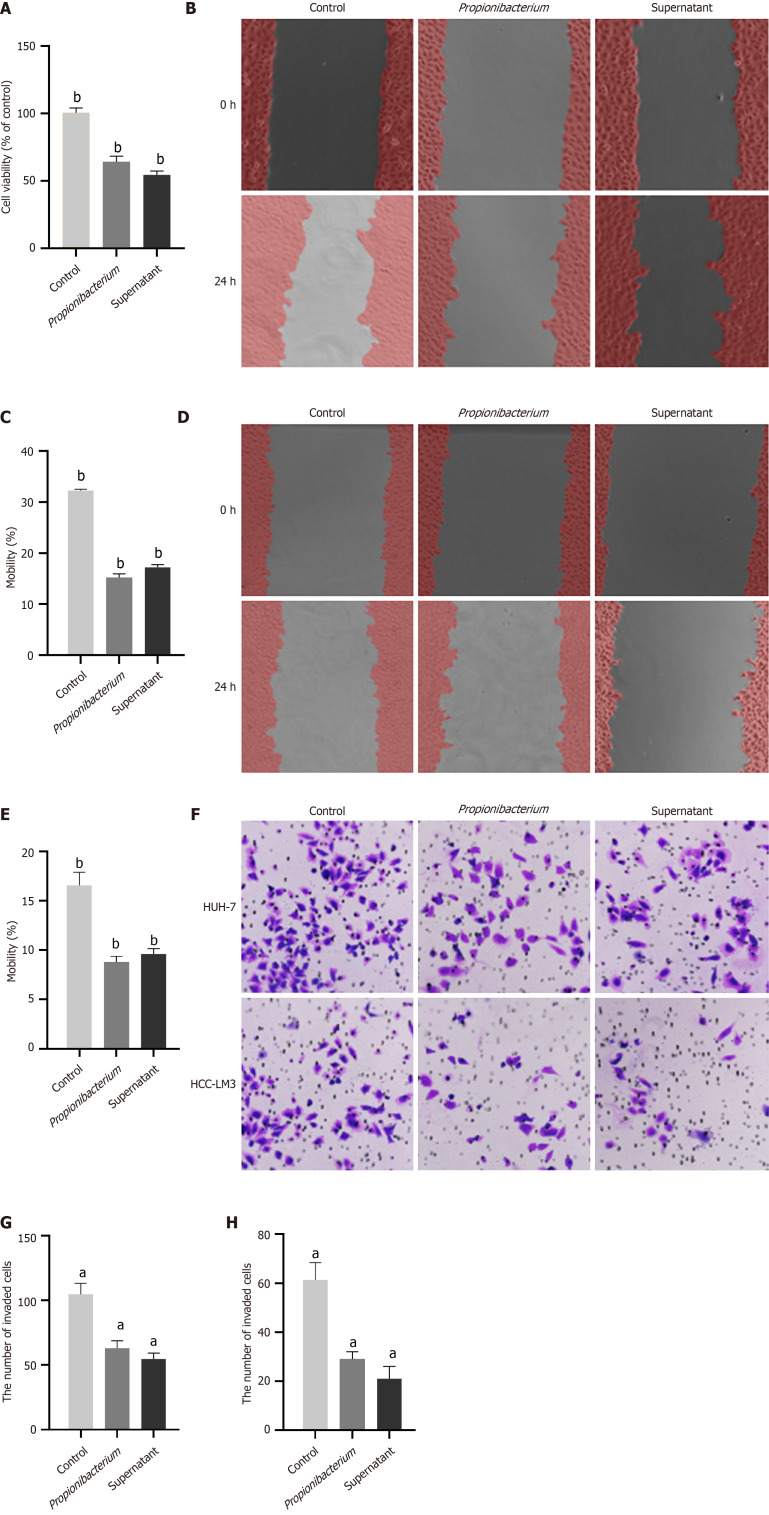
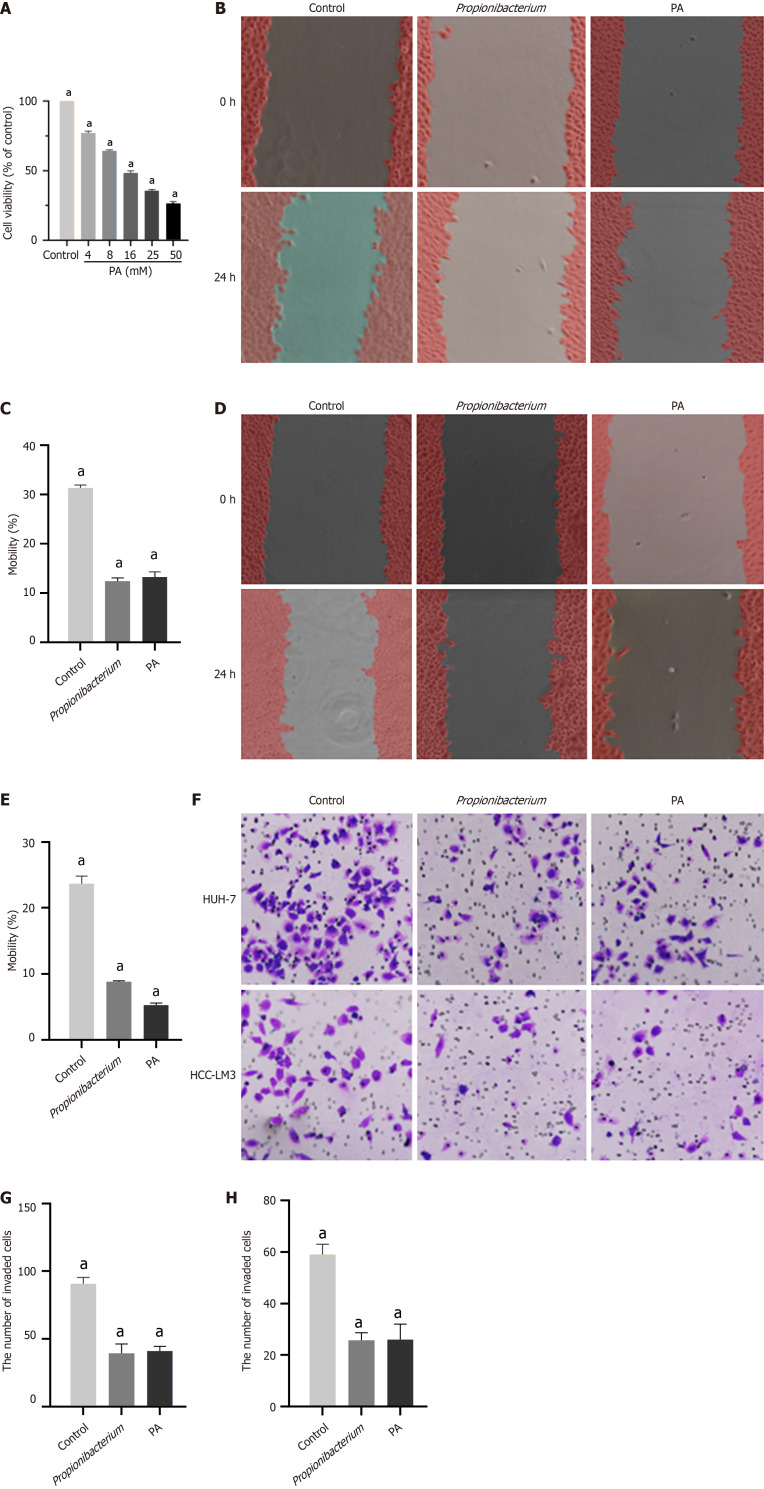
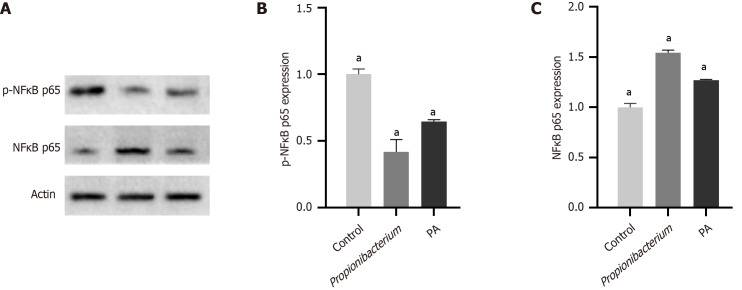
FISH demonstrated the presence of microorganisms in HCC and normal liver tissues. 16S rRNA sequencing revealed an abundance of , , , and in HCC tissues. The distribution and abundance of showed differences between HCC and peritumoral tissues ( < 0.05). studies demonstrated that and its metabolite propionic acid (PA) inhibited the proliferation and migration of HCC cells ( < 0.05). The expression of the proteins in NF-κB signaling pathway also decreased in HCC cells ( < 0.05).
Microorganisms in HCC and normal liver tissues displayed significant disparities. The PA-producing bacterium in HCC exerts an effect on the NF-κB pathway, thereby affecting the biological behavior of HCC.
最近的几项研究证实,肿瘤内微生物可影响肝细胞癌(HCC)的发生和发展;然而,它们在肿瘤进展中的作用仍不清楚。因此,需要进一步研究肿瘤内微生物在HCC中的作用。
研究HCC中肿瘤内微生物的变化及其对HCC进展的影响。
对HCC和正常肝组织标本进行荧光原位杂交(FISH)。对HCC和瘤周组织进行16S rRNA测序,分析两组之间的差异。将[具体细菌名称]与HCC细胞[具体细胞系名称]共培养。评估细胞增殖和迁移能力的变化。比较肿瘤细胞中NF-κB通路相关蛋白的表达。构建原位肝移植模型和皮下异种移植模型。2周后收集肝脏组织和皮下肿瘤。
FISH显示HCC和正常肝组织中存在微生物。16S rRNA测序显示HCC组织中[具体细菌名称1]、[具体细菌名称2]、[具体细菌名称3]和[具体细菌名称4]丰富。[具体细菌名称]的分布和丰度在HCC和瘤周组织之间存在差异(P<0.05)。共培养研究表明,[具体细菌名称]及其代谢产物丙酸(PA)抑制HCC细胞的增殖和迁移(P<0.05)。HCC细胞中NF-κB信号通路蛋白的表达也降低(P<0.05)。
HCC和正常肝组织中的微生物存在显著差异。HCC中产生PA的[具体细菌名称]对NF-κB通路产生影响,从而影响HCC的生物学行为。