Keene Alexandra H, Stenglein Mark D
Center for Vector-Borne and Infectious Diseases, Department of Microbiology, Immunology, and Pathology, College of Veterinary Medicine and Biomedical Sciences, Colorado State University, Fort Collins, CO, USA.
Quantitative Cell and Molecular Biology Graduate Program.
bioRxiv. 2024 Oct 24:2024.10.03.616531. doi: 10.1101/2024.10.03.616531.
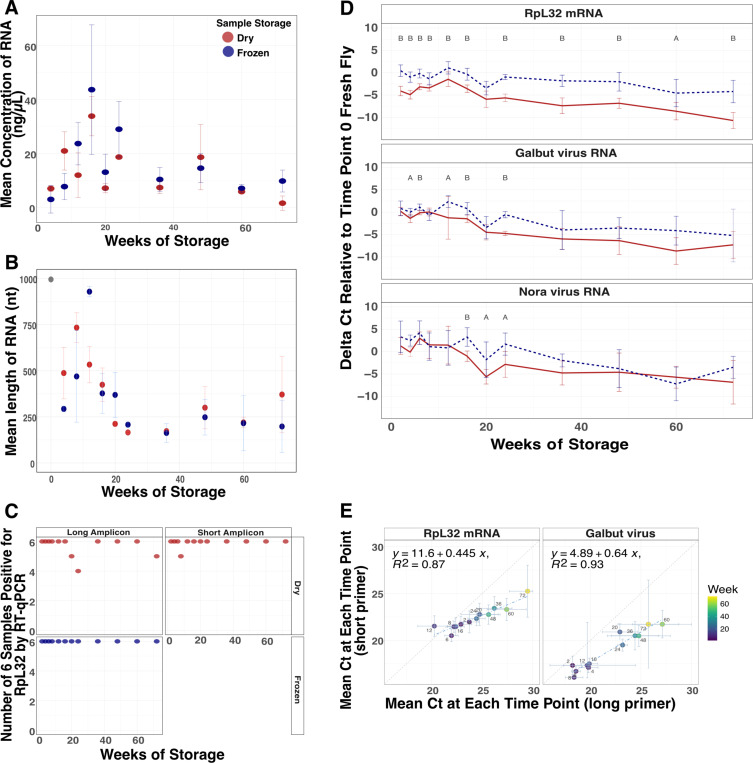
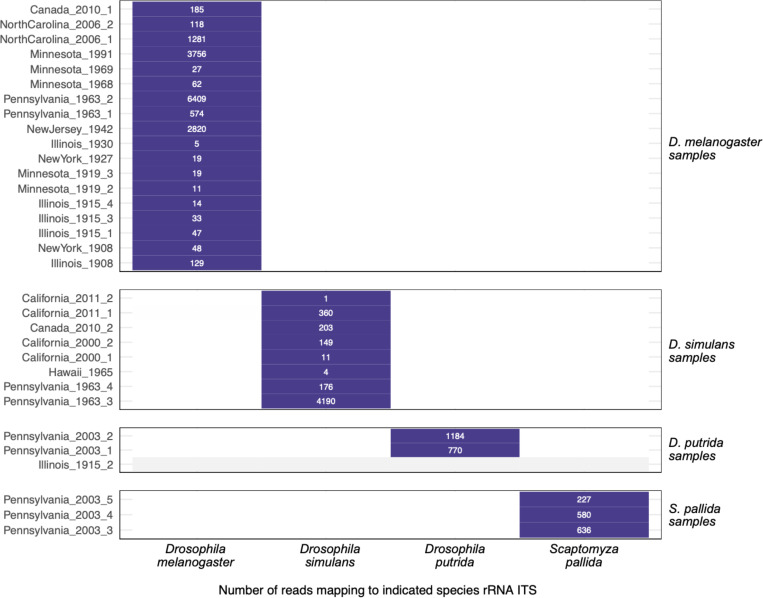
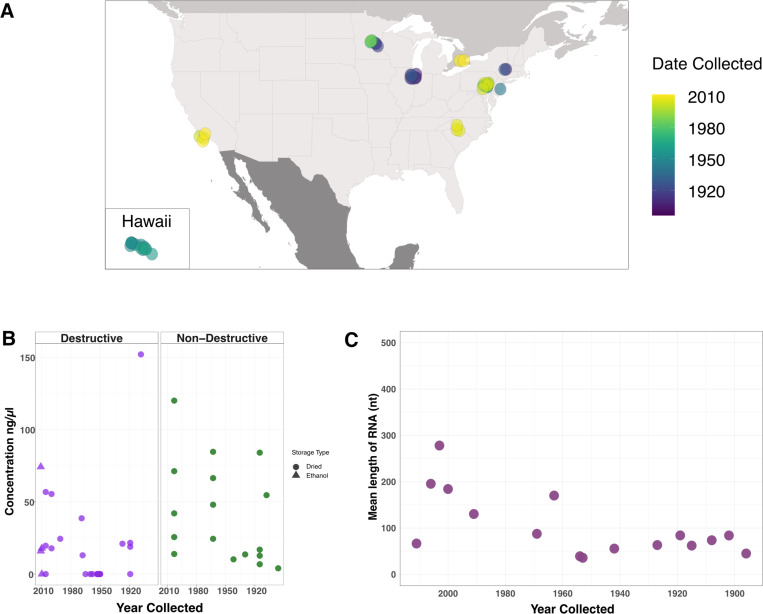
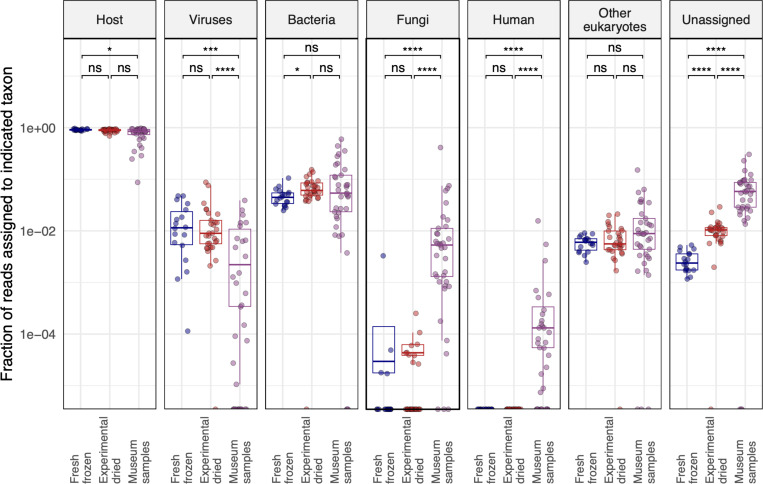
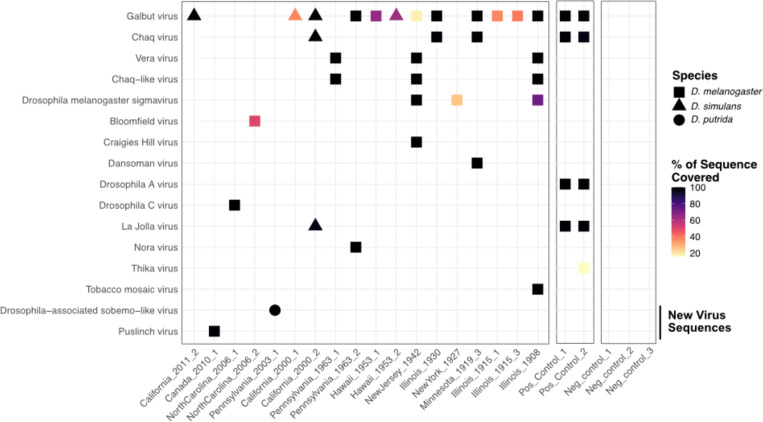
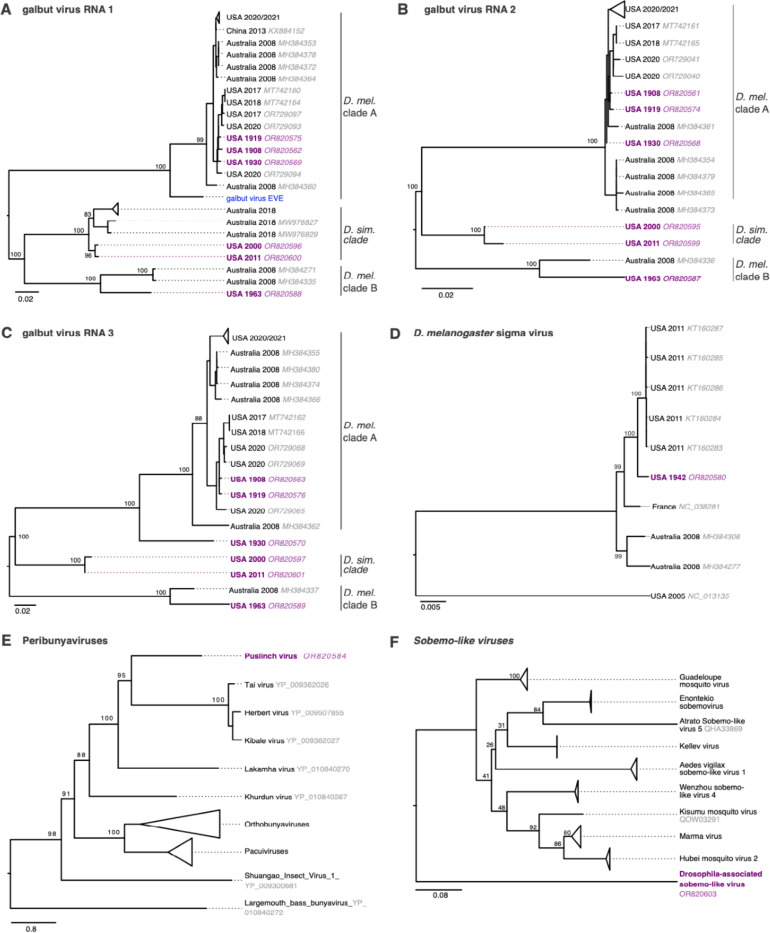
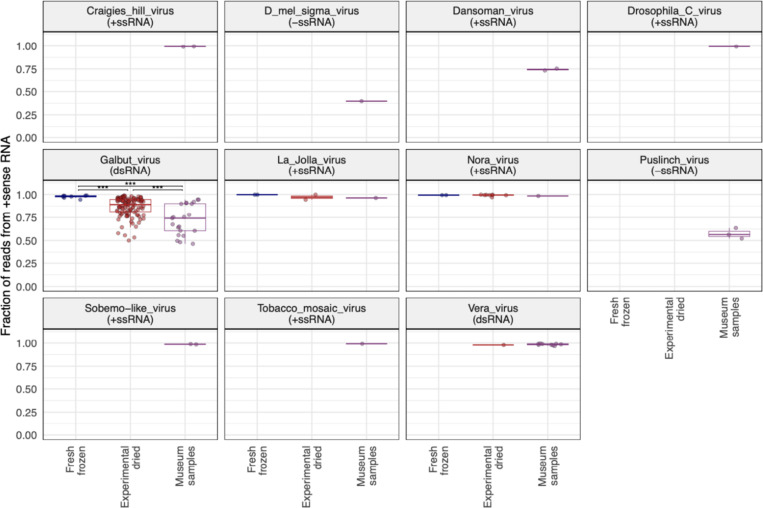
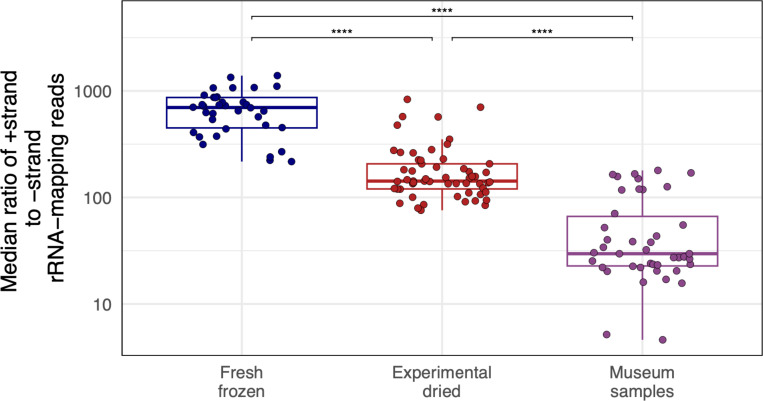
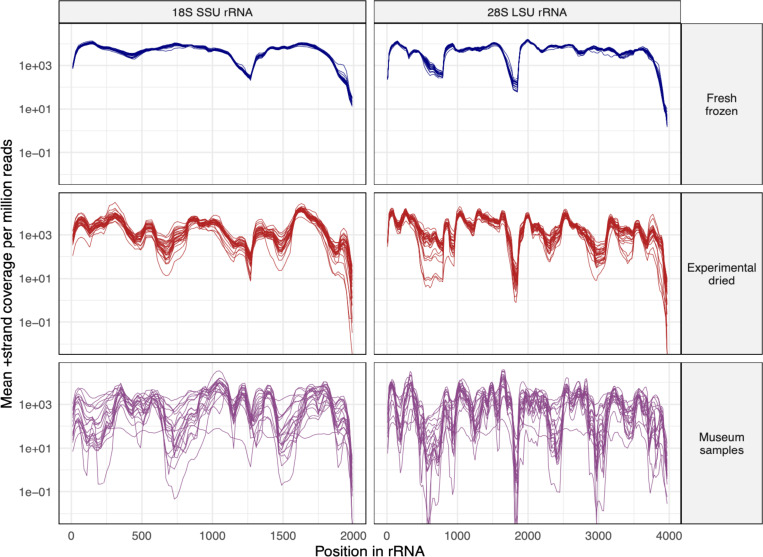
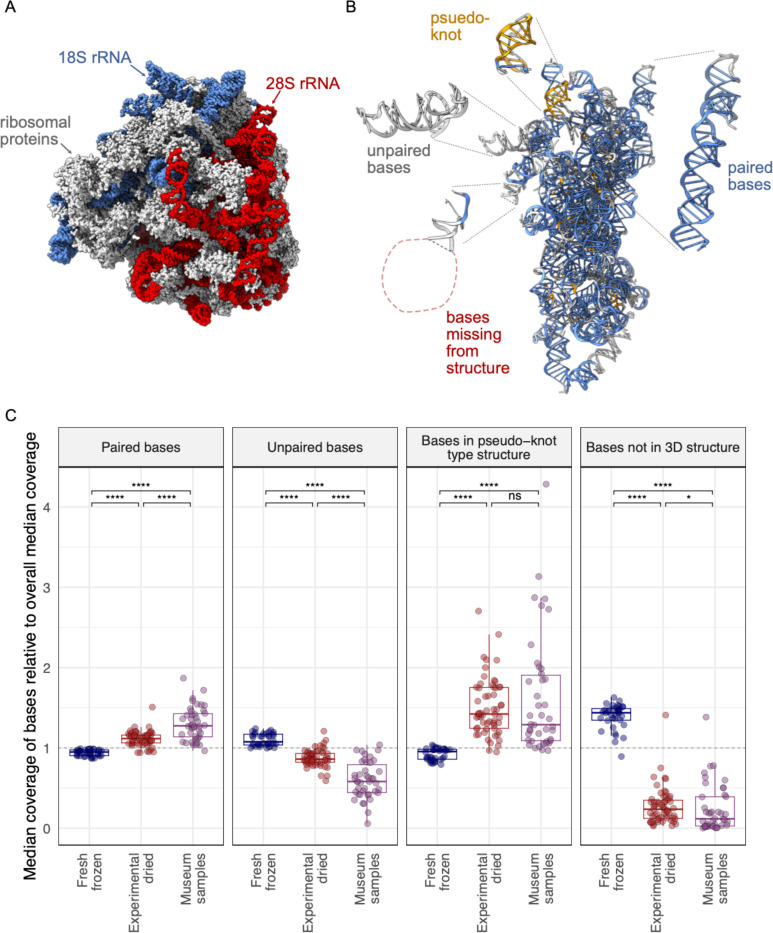
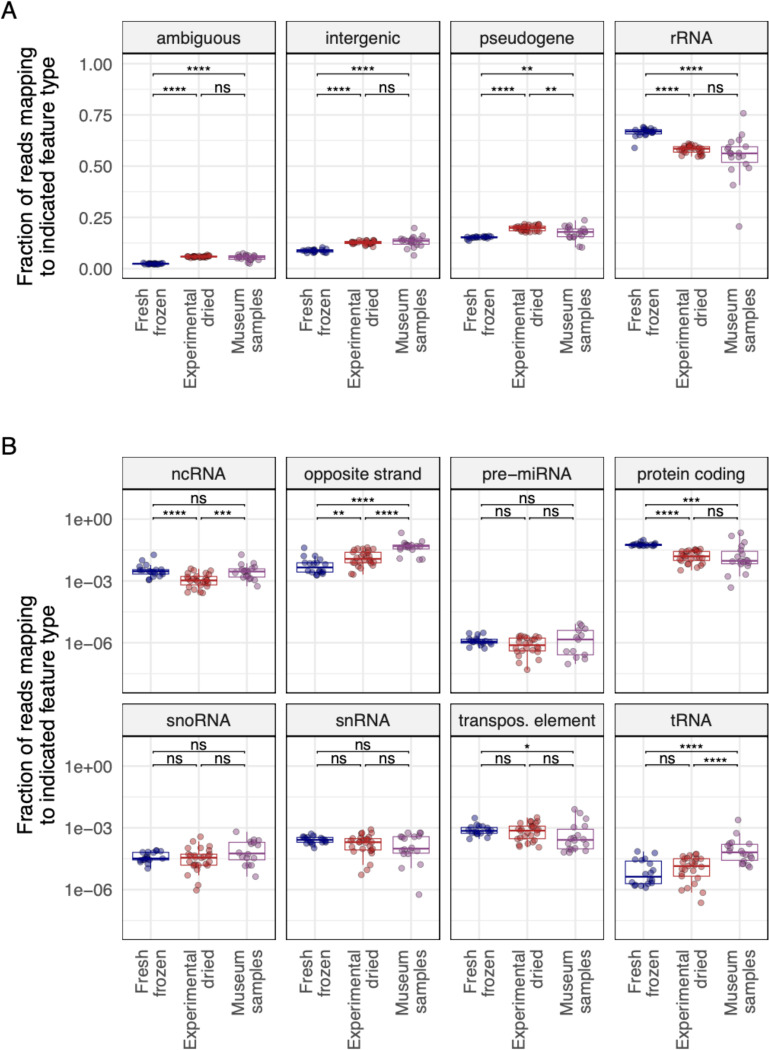
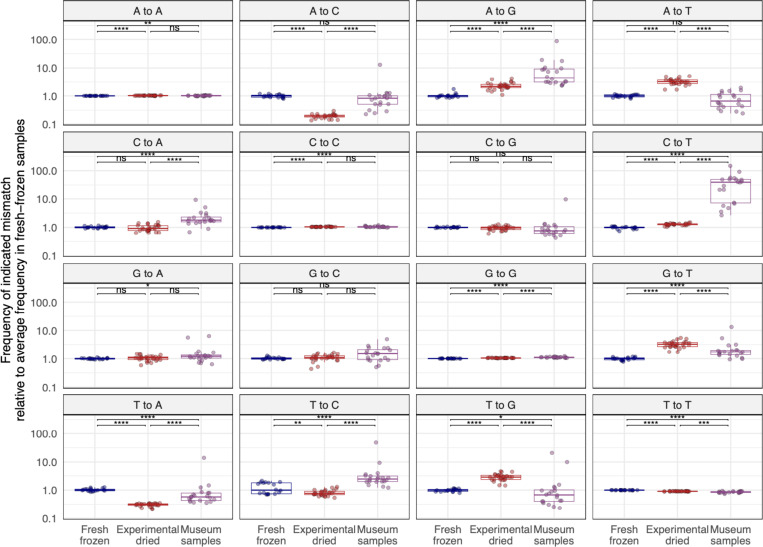
Recovery of virus sequences from old samples provides an opportunity to study virus evolution and reconstruct historic virus-host interactions. Studies of old virus sequences have mainly relied on DNA or on RNA from fixed or frozen samples. The millions of specimens in natural history museums represent a potential treasure trove of old virus sequences, but it is not clear how well RNA survives in old samples. We experimentally assessed the stability of RNA in insects stored dry at room temperature over 72 weeks. Although RNA molecules grew fragmented, RNA yields remained surprisingly constant. RT-qPCR of host and virus RNA showed minimal differences between dried and frozen specimens. To assess RNA survival in much older samples we acquired specimens from North American entomological collections. We recovered sequences from known and novel viruses including several coding complete virus genomes from a fly collected in 1908. We found that the virome of has changed little over the past century. Galbut virus, the most prevalent virus infection in contemporary , was also the most common in historic samples. Finally, we investigated the genomic and physical features of surviving RNA. RNA that survived was fragmented, chemically damaged, and preferentially double stranded or contained in ribonucleoprotein complexes. This showed that RNA - especially certain types of RNA - can survive in biological specimens over extended periods in the absence of fixation or freezing and confirms the utility of dried specimens to provide a clearer understanding of virus evolution.
从旧样本中恢复病毒序列为研究病毒进化和重建历史上的病毒-宿主相互作用提供了契机。对旧病毒序列的研究主要依赖于来自固定或冷冻样本的DNA或RNA。自然历史博物馆中的数百万标本代表了旧病毒序列的潜在宝库,但尚不清楚RNA在旧样本中的保存情况如何。我们通过实验评估了在室温下干燥保存72周的昆虫样本中RNA的稳定性。尽管RNA分子发生了片段化,但RNA产量仍惊人地保持恒定。对宿主和病毒RNA进行的RT-qPCR显示,干燥样本和冷冻样本之间的差异极小。为了评估更古老样本中RNA的保存情况,我们从北美昆虫学收藏中获取了标本。我们从已知和新型病毒中恢复了序列,包括从1908年采集的一只苍蝇中获得了几个编码完整病毒基因组的序列。我们发现,在过去的一个世纪里,该病毒群落变化很小。加尔布特病毒是当代最普遍的病毒感染类型,在历史样本中也是最常见的。最后,我们研究了存活RNA的基因组和物理特征。存活下来的RNA发生了片段化、化学损伤,并且优先为双链或包含在核糖核蛋白复合物中。这表明RNA——尤其是某些类型的RNA——在没有固定或冷冻的情况下,可以在生物标本中长时间存活,并证实了干燥标本对于更清晰地理解病毒进化的实用性。