Lacinski Ryan A, Dziadowicz Sebastian A, Roth Clark A, Ma Li, Melemai Vincent K, Fitzpatrick Brody, Chaharbakhshi Edwin, Heim Tanya, Lohse Ines, Schoedel Karen E, Hu Gangqing, Llosa Nicolas J, Weiss Kurt R, Lindsey Brock A
Department of Orthopaedics, West Virginia University School of Medicine, Morgantown, WV, United States.
West Virginia University Cancer Institute, West Virginia University School of Medicine, Morgantown, WV, United States.
Front Oncol. 2024 Oct 18;14:1417459. doi: 10.3389/fonc.2024.1417459. eCollection 2024.
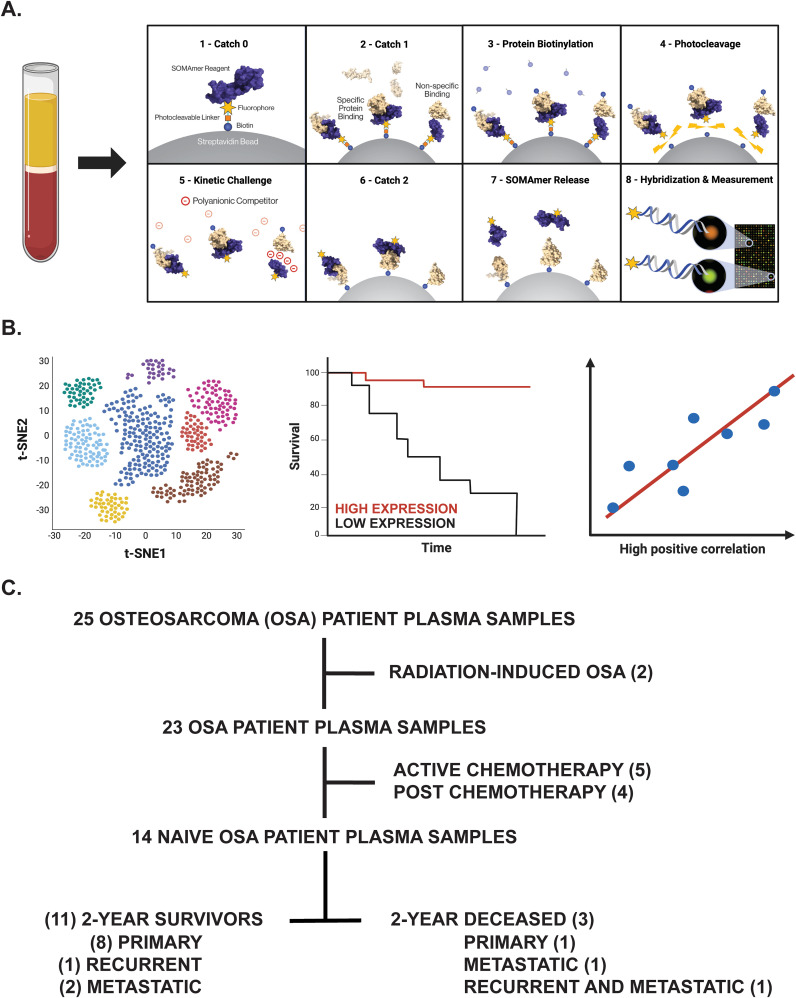
The large-scale proteomic platform known as the SomaScan® assay is capable of simultaneously measuring thousands of proteins in patient specimens through next-generation aptamer-based multiplexed technology. While previous studies have utilized patient peripheral blood to suggest serum biomarkers of prognostic or diagnostic value in osteosarcoma (OSA), the most common primary pediatric bone cancer, they have ultimately been limited in the robustness of their analyses. We propose utilizing this aptamer-based technology to describe the systemic proteomic milieu in patients diagnosed with this disease.
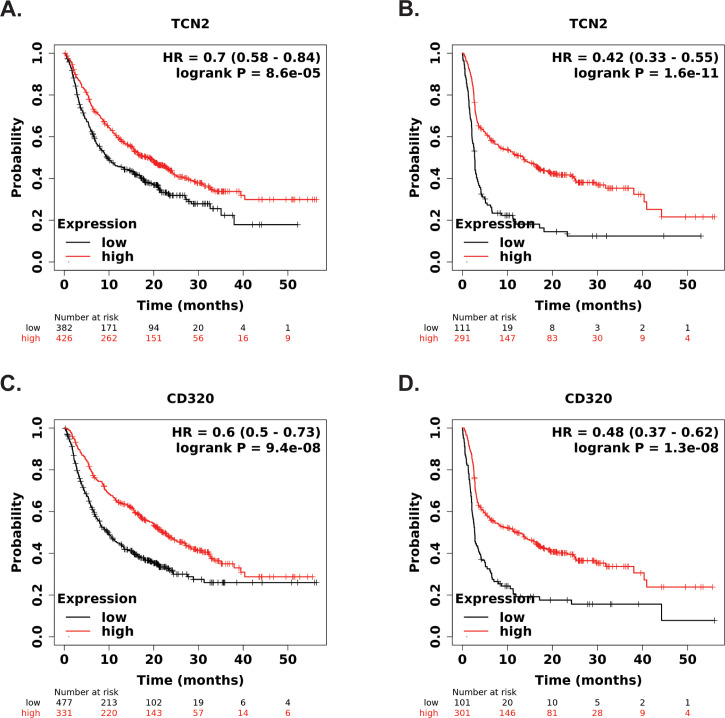
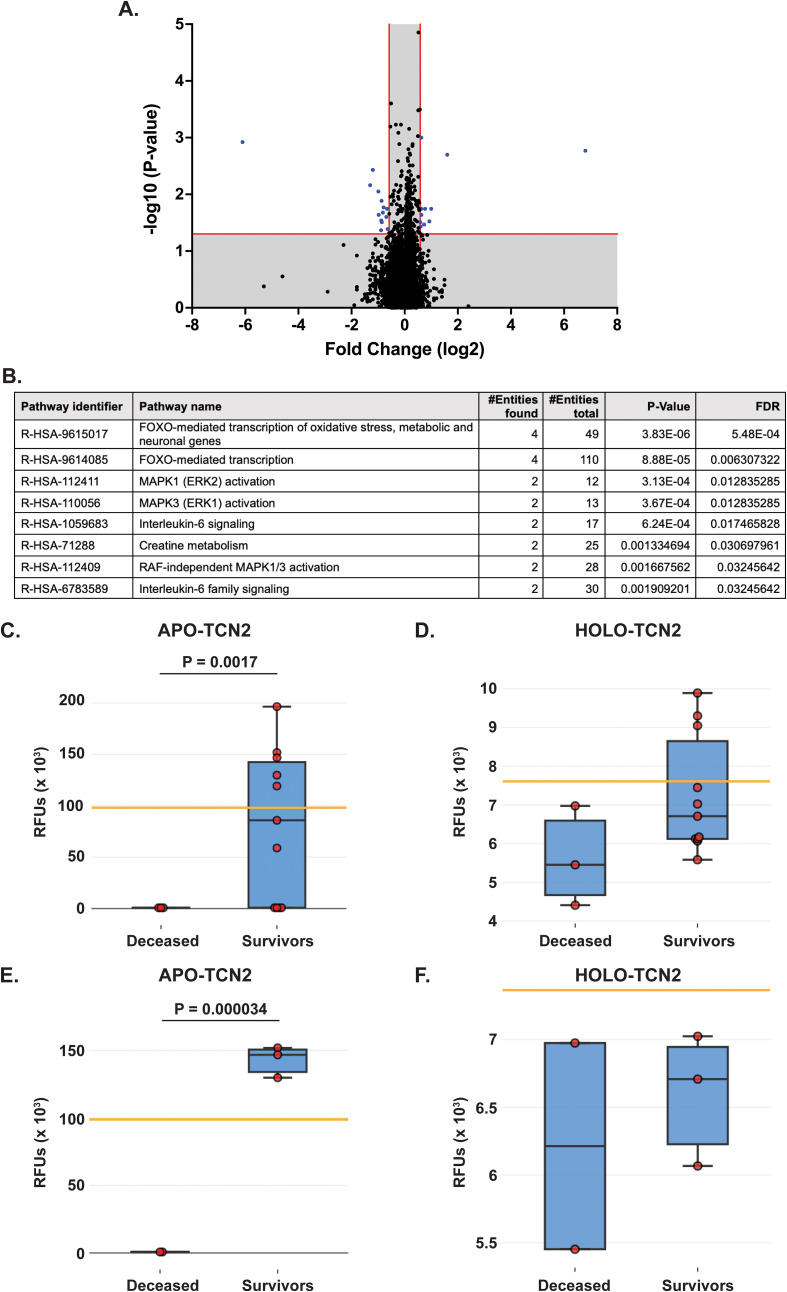
To determine novel biomarkers associated with overall survival in OSA, we deployed the SomaLogic SomaScan® 7k assay to investigate the plasma proteomic profile of naive primary, recurrent, and metastatic OSA patients. Following identification of differentially expressed proteins (DEPs) between 2-year deceased and survivor cohorts, publicly available databases including Survival Genie, TIGER, and KM Plotter Immunotherapy, among others, were utilized to investigate the significance of our proteomic findings.
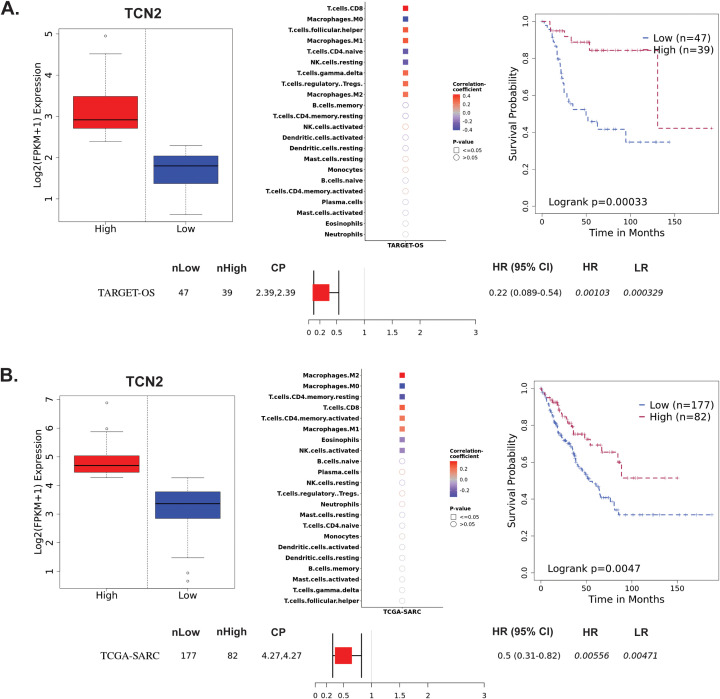
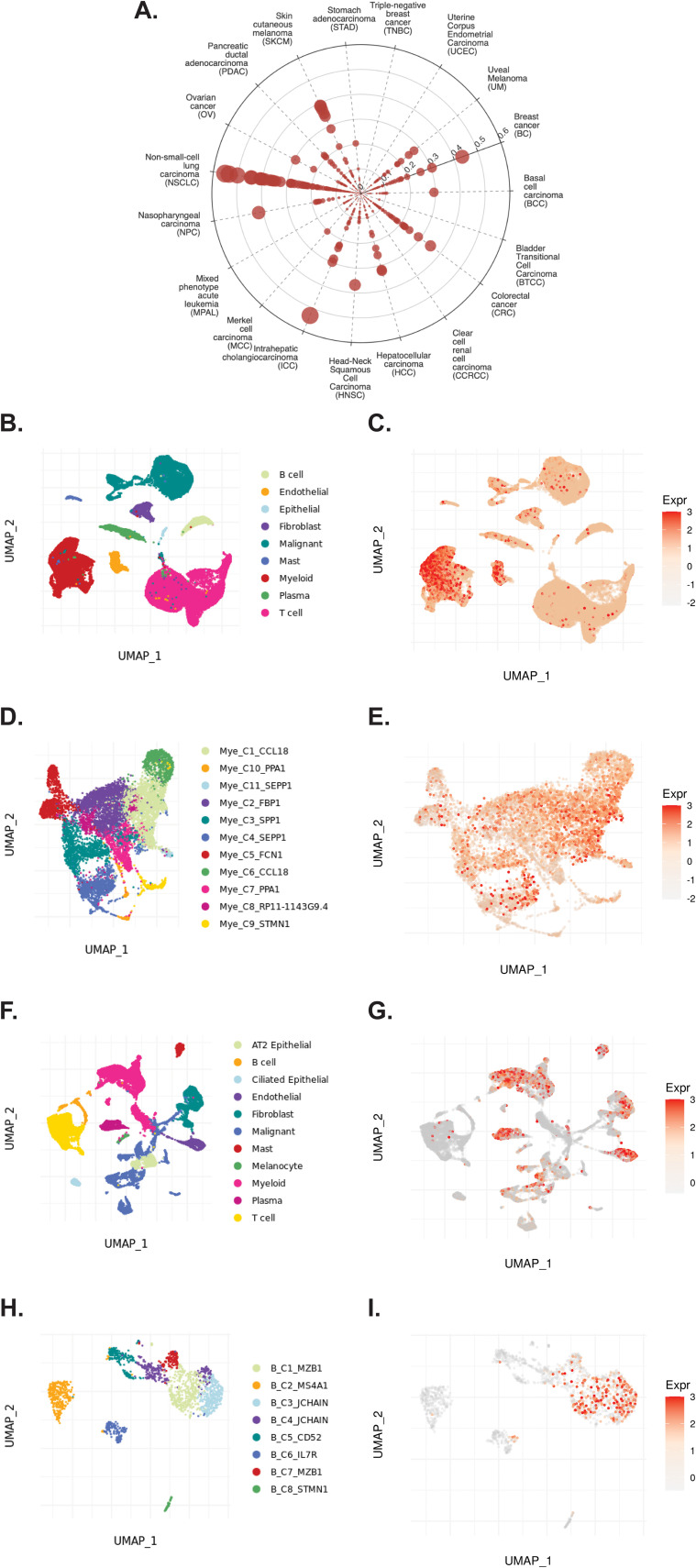
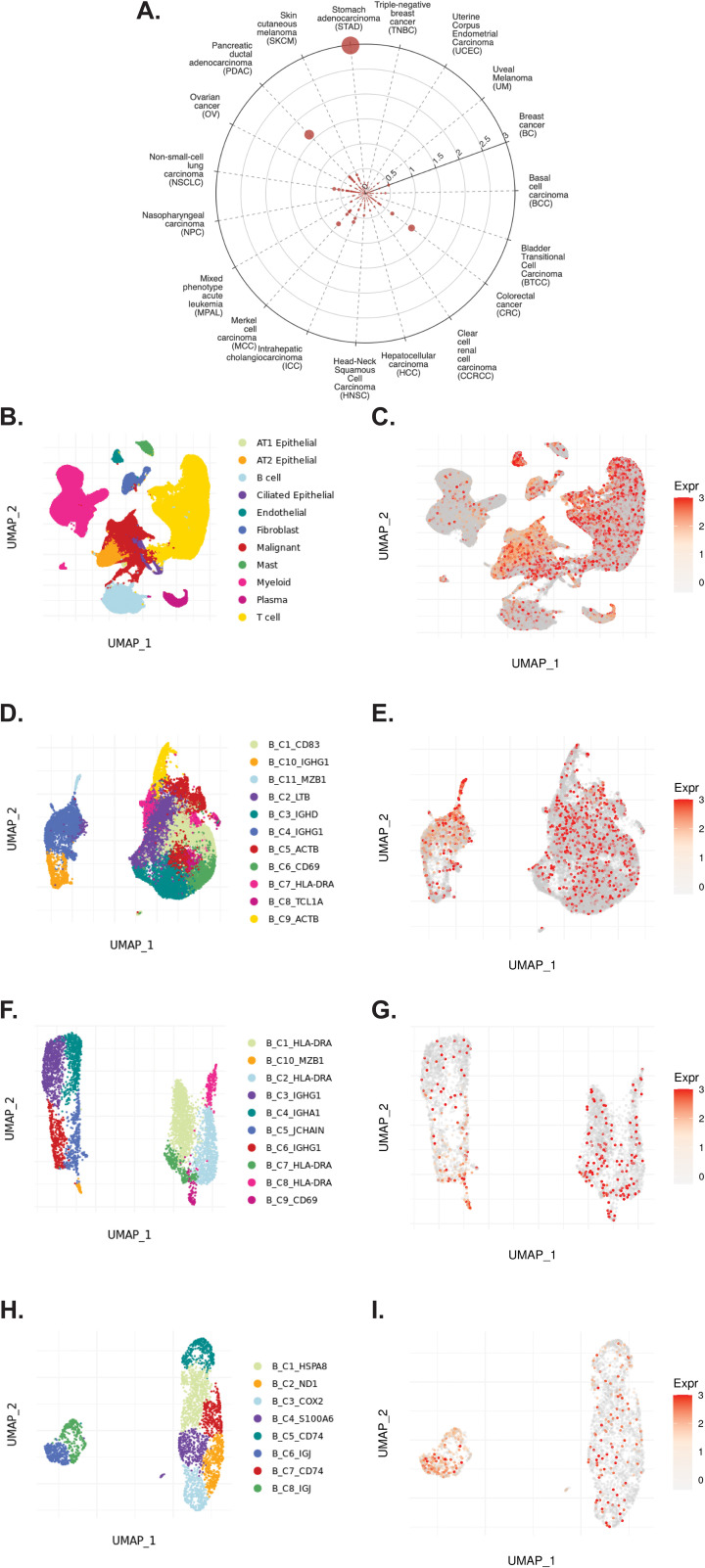
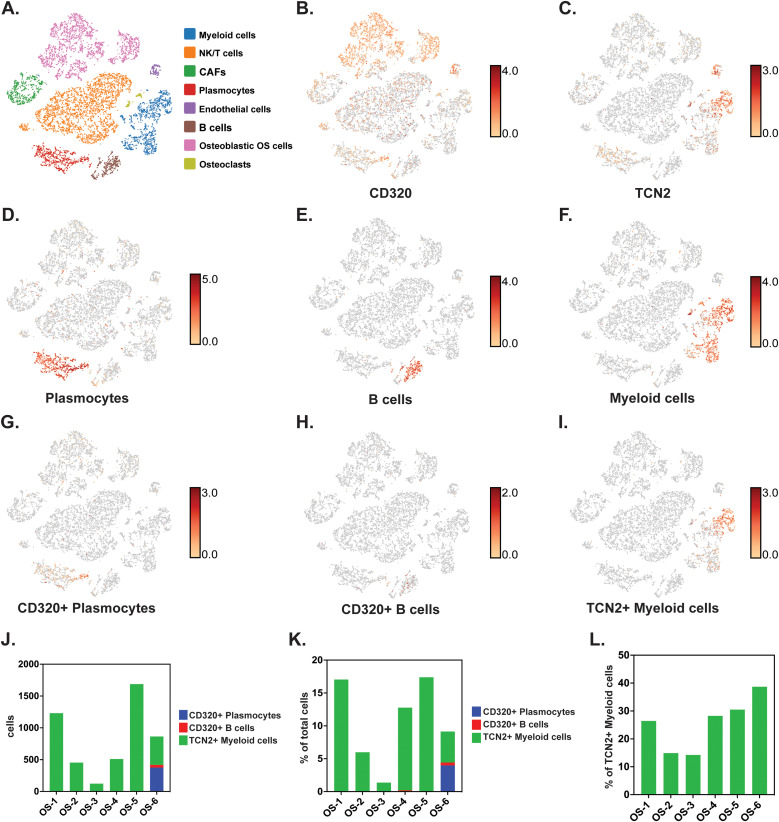
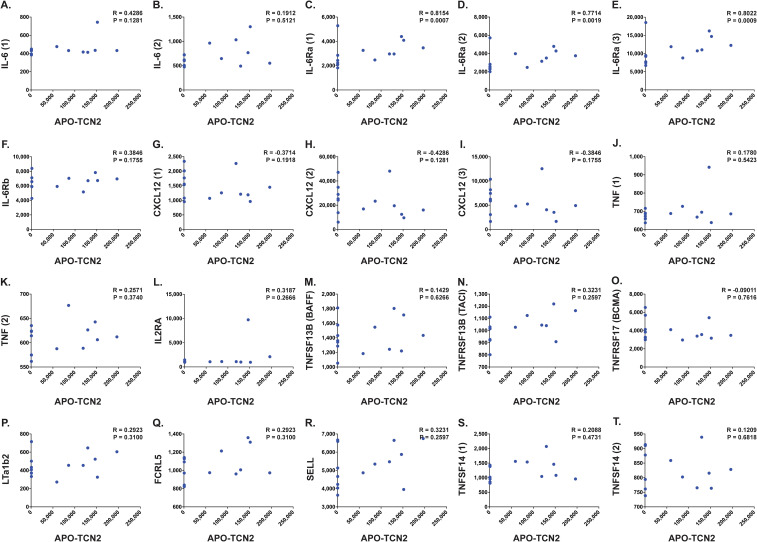
Apo-transcobalamin-II (APO-TCN2) was identified as the most DEP between 2-year deceased and survivor cohorts (Log2 fold change = 6.8, P-value = 0.0017). Survival analysis using the Survival Genie web-based platform indicated that increased intratumoral expression was associated with better overall survival in both OSA (TARGET-OS) and sarcoma (TCGA-SARC) datasets. Cell-cell communication analysis using the TIGER database suggested that + Myeloid cells likely interact with marginal zone and immunoglobin-producing B lymphocytes expressing the TCN2 receptor (CD320) to promote their proliferation and survival in both non-small cell lung cancer and melanoma tumors. Analysis of publicly available OSA scRNA-sequencing datasets identified similar populations in naive primary tumors. Furthermore, circulating APO-TCN2 levels in OSA were then associated with a plasma proteomic profile likely necessary for robust B lymphocyte proliferation, infiltration, and formation of intratumoral tertiary lymphoid structures for improved anti-tumor immunity.
Overall, APO-TCN2, a circulatory protein previously described in various lymphoproliferative disorders, was associated with 2-year survival status in patients diagnosed with OSA. The relevance of this protein and apparent immunological function (anti-tumor B lymphocyte responses) was suggested using publicly available solid tumor RNA-sequencing datasets. Further studies characterizing the biological function of APO-TCN2 and its relevance in these diseases is warranted.
名为SomaScan®检测的大规模蛋白质组学平台能够通过基于适配体的新一代多重技术同时测量患者样本中的数千种蛋白质。虽然先前的研究利用患者外周血来提示骨肉瘤(OSA)(最常见的原发性儿童骨癌)中具有预后或诊断价值的血清生物标志物,但这些研究最终在分析的稳健性方面受到限制。我们建议利用这种基于适配体的技术来描述被诊断患有这种疾病的患者的全身蛋白质组环境。
为了确定与OSA总生存相关的新型生物标志物,我们采用SomaLogic SomaScan® 7k检测来研究初发原发性、复发性和转移性OSA患者的血浆蛋白质组谱。在确定2年死亡和存活队列之间的差异表达蛋白(DEP)后,利用包括Survival Genie、TIGER和KM Plotter Immunotherapy等在内的公开可用数据库来研究我们蛋白质组学发现的意义。
脱辅基转钴胺素-II(APO-TCN2)被确定为2年死亡和存活队列之间差异最大的DEP(Log2倍数变化 = 6.8,P值 = 0.0017)。使用基于网络的Survival Genie平台进行的生存分析表明,肿瘤内APO-TCN2表达增加与OSA(TARGET-OS)和肉瘤(TCGA-SARC)数据集中更好的总生存相关。使用TIGER数据库进行的细胞间通讯分析表明,髓样细胞可能与表达TCN2受体(CD320)的边缘区和产生免疫球蛋白的B淋巴细胞相互作用,以促进它们在非小细胞肺癌和黑色素瘤肿瘤中的增殖和存活。对公开可用的OSA单细胞RNA测序数据集的分析在初发原发性肿瘤中发现了类似的细胞群体。此外,OSA患者循环中的APO-TCN2水平随后与一种可能是强大的B淋巴细胞增殖、浸润以及形成肿瘤内三级淋巴结构以改善抗肿瘤免疫所必需的血浆蛋白质组谱相关。
总体而言,APO-TCN2是一种先前在各种淋巴增殖性疾病中描述过的循环蛋白,与被诊断患有OSA的患者的2年生存状态相关。利用公开可用的实体瘤RNA测序数据集提示了这种蛋白质的相关性及其明显的免疫功能(抗肿瘤B淋巴细胞反应)。有必要进一步研究表征APO-TCN2的生物学功能及其在这些疾病中的相关性。