Alhusain Abdulelah F, Mahmoud Mohamed A, Alhamami Hussain N, Ebrahim Alobid Saad, Ansari Mushtaq A, Ahmad Sheikh F, Nadeem Ahmed, Bakheet Saleh A, Harisa Gamaleldin I, Attia Sabry M
Department of Pharmacology and Toxicology, College of Pharmacy, King Saud University, 11451 Riyadh, Saudi Arabia.
Department of Pharmaceutics, College of Pharmacy, King Saud University, 11451 Riyadh, Saudi Arabia.
Saudi Pharm J. 2024 Nov;32(11):102187. doi: 10.1016/j.jsps.2024.102187. Epub 2024 Oct 13.
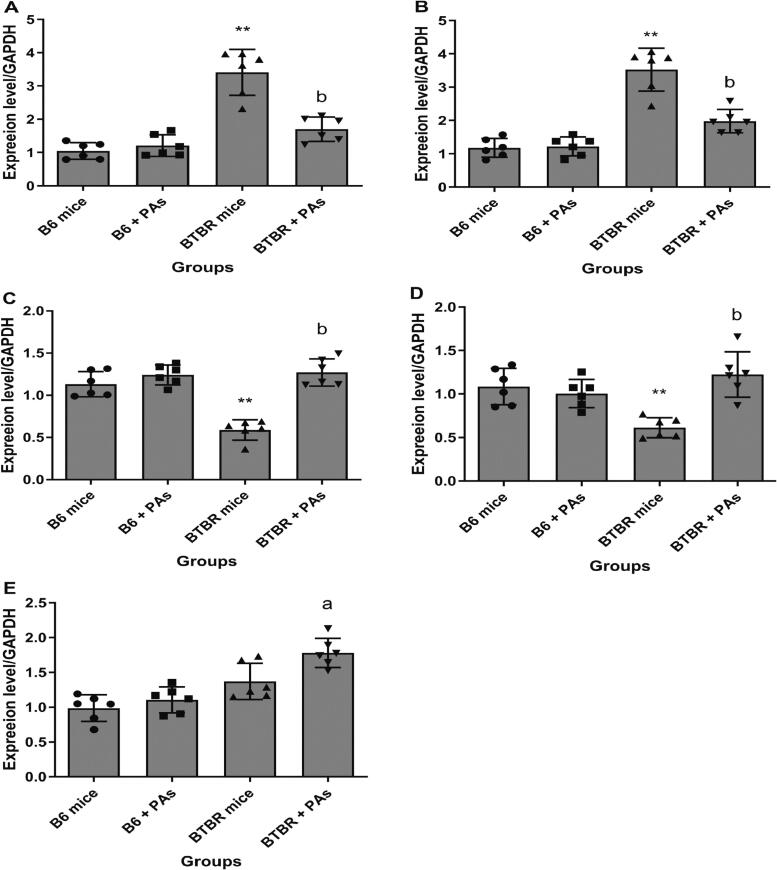
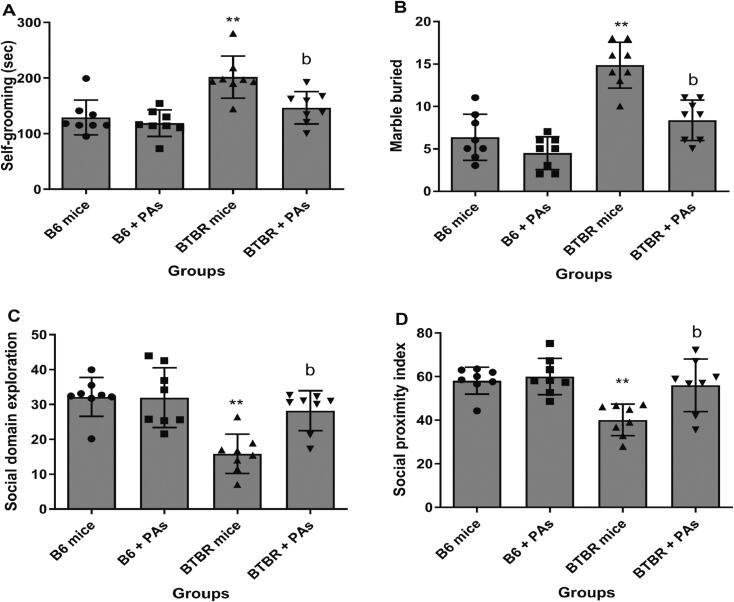
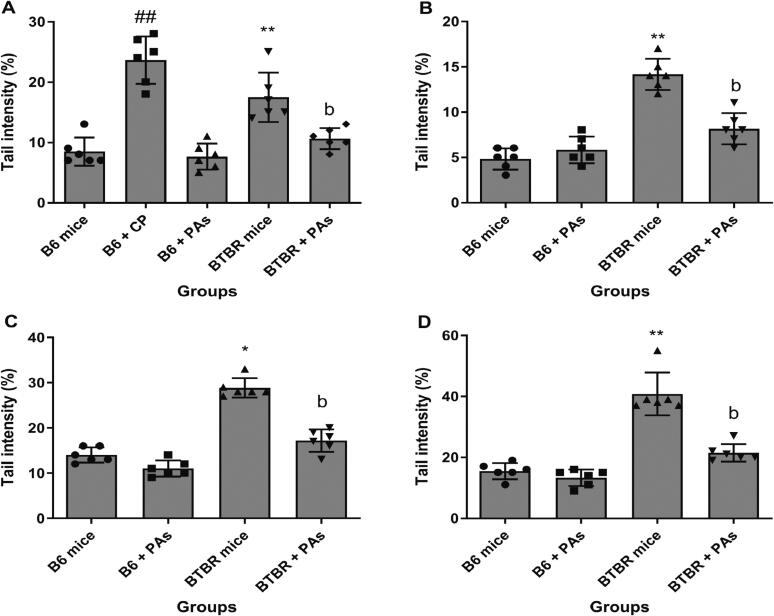
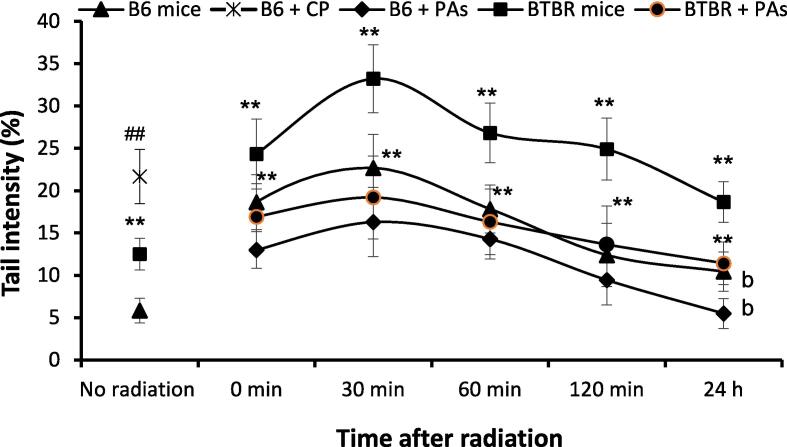
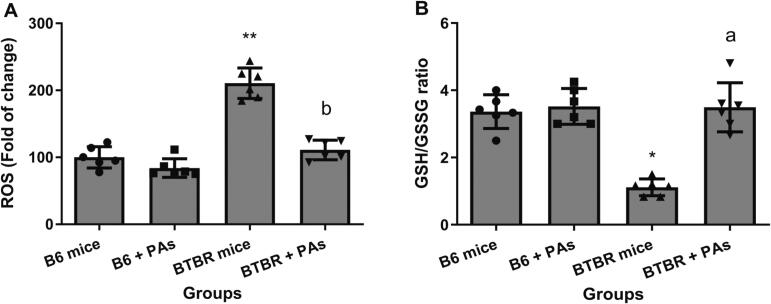
Autism is a neurodevelopmental disorder distinguished by impaired social interaction and repetitive behaviors. Global estimates indicate that autism affects approximately 1.6% of children, with the condition progressively becoming more prevalent over time. Despite noteworthy progress in autism research, the condition remains untreatable. This serves as a driving force for scientists to explore new approaches to disease management. Autism is linked to elevated levels of oxidative stress and disturbances in the DNA repair mechanism, which may potentially play a role in its comorbidities development. The current investigation aimed to evaluate the beneficial effect of the naturally occurring flavonoid proanthocyanidins on the behavioral characteristics and repair efficacy of autistic BTBR mice. Moreover, the mechanisms responsible for these effects were clarified. The present findings indicate that repeated administration of proanthocyanidins effectively reduces altered behavior in BTBR animals without altering motor function. Proanthocyanidins decreased oxidative DNA strand breaks and accelerated the rate of DNA repair in autistic animals, as evaluated by the modified comet test. In addition, proanthocyanidins reduced the elevated oxidative stress and recovered the disrupted DNA repair mechanism in the autistic animals by decreasing the expressions of and levels and enhancing the expressions of , , and genes. This indicates that proanthocyanidins have significant potential as a new therapeutic strategy for alleviating autistic features.
自闭症是一种神经发育障碍,其特征为社交互动受损和重复行为。全球估计表明,自闭症影响约1.6%的儿童,且随着时间的推移,这种情况正变得越来越普遍。尽管自闭症研究取得了显著进展,但该病症仍然无法治愈。这促使科学家探索新的疾病管理方法。自闭症与氧化应激水平升高和DNA修复机制紊乱有关,这可能在其合并症的发展中发挥作用。当前的研究旨在评估天然存在的类黄酮原花青素对自闭症BTBR小鼠行为特征和修复功效的有益作用。此外,还阐明了造成这些影响的机制。目前的研究结果表明,重复给予原花青素可有效减少BTBR动物的行为改变,而不改变运动功能。通过改良彗星试验评估,原花青素减少了自闭症动物的氧化性DNA链断裂,并加快了DNA修复速度。此外,原花青素通过降低 和 水平的表达并增强 、 和 基因的表达,降低了自闭症动物升高的氧化应激并恢复了受损的DNA修复机制。这表明原花青素作为一种缓解自闭症特征的新治疗策略具有巨大潜力。