Flores Carlos C, Pasetto Nickolas A, Wang Hongyang, Dimitrov Alexander G, Davis Jon F, Jiang Zhihua, Davis Christopher J, Gerstner Jason R
Department of Translational Medicine and Physiology, Elson S. Floyd College of Medicine, Washington State University, Spokane, WA USA.
Elson S. Floyd College of Medicine, Washington State University, Spokane, WA USA.
NPJ Biol Timing Sleep. 2024;1(1):11. doi: 10.1038/s44323-024-00012-2. Epub 2024 Nov 1.
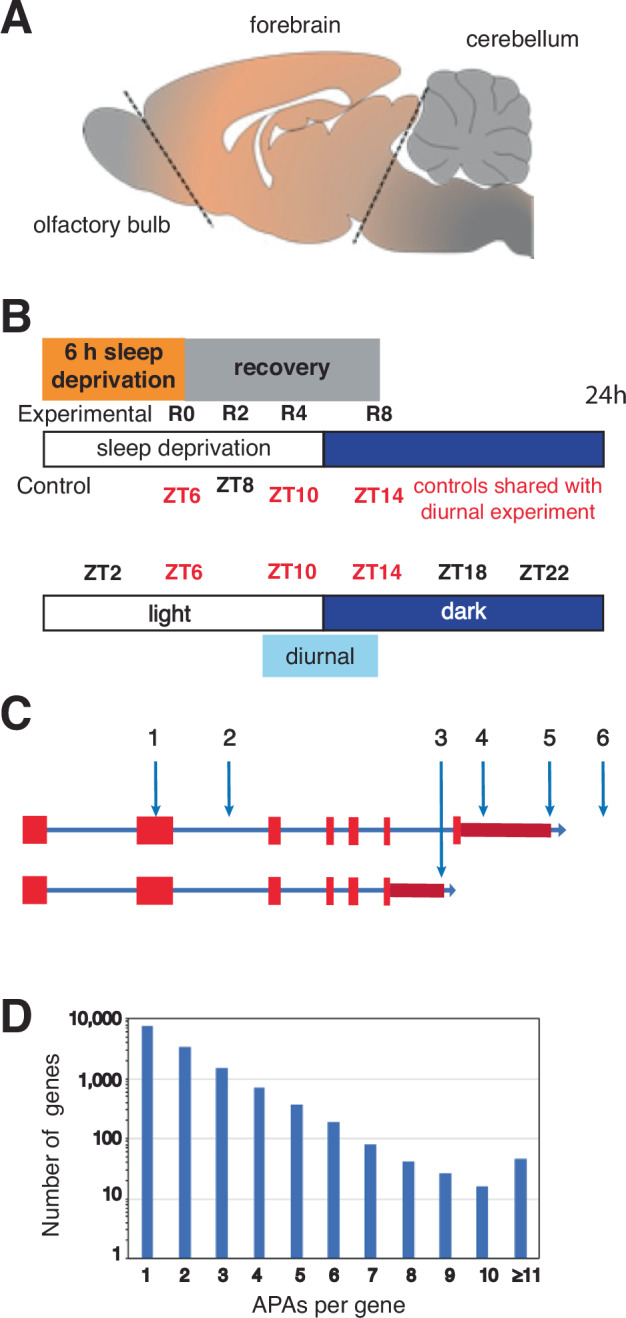
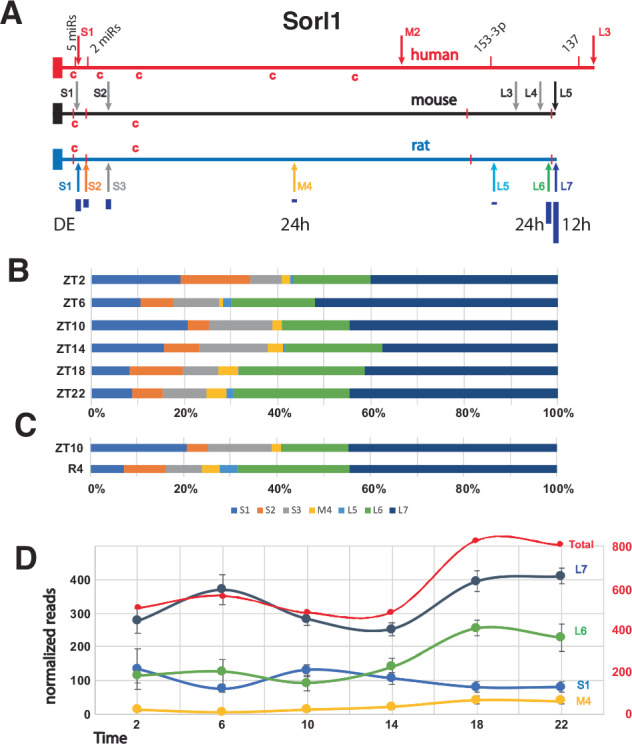
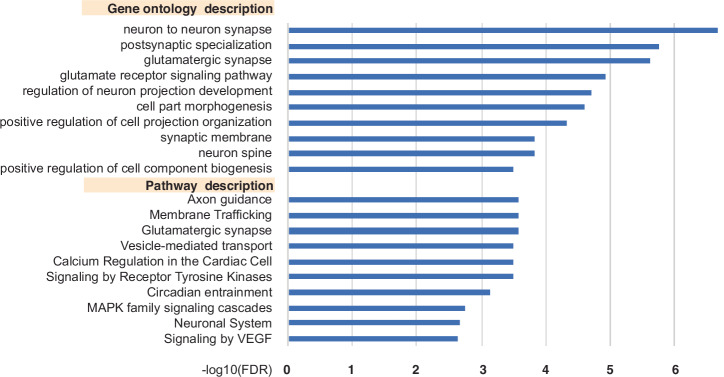
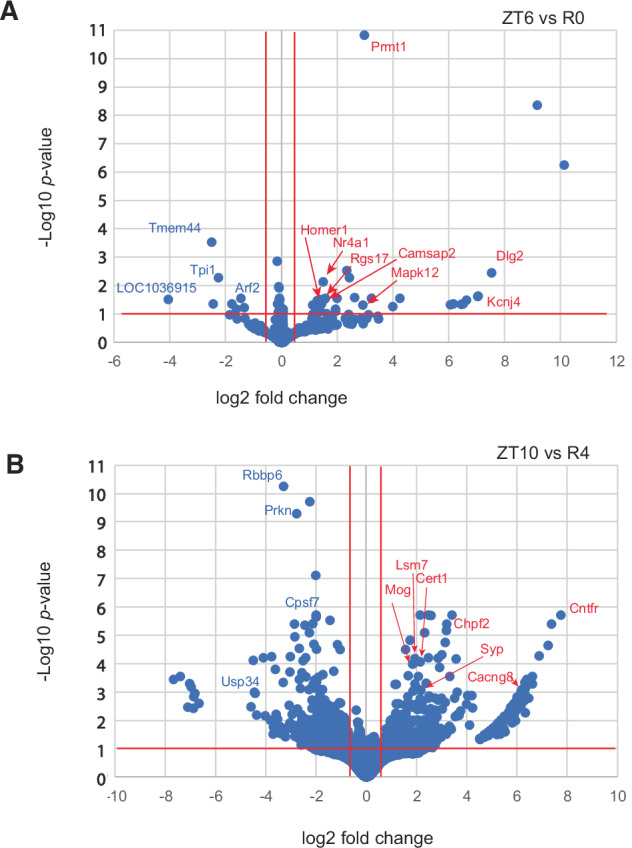
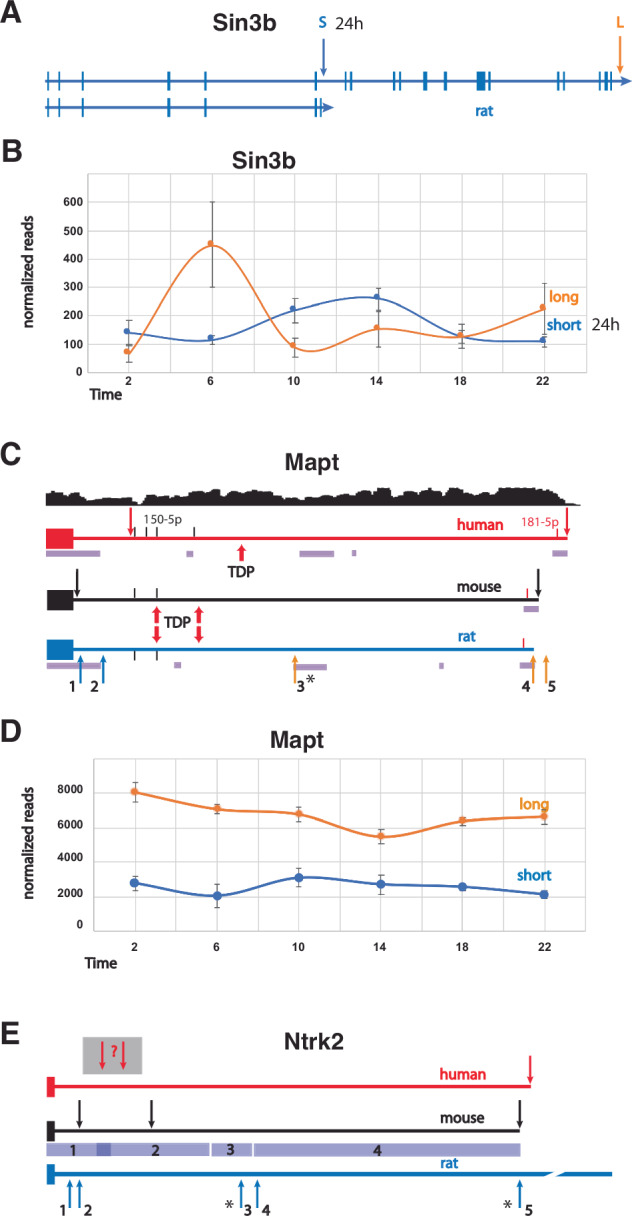
Disruption of sleep and circadian rhythms are a comorbid feature of many pathologies, and can negatively influence many health conditions, including neurodegenerative disease, metabolic illness, cancer, and various neurological disorders. Genetic association studies linking sleep and circadian disturbances with disease susceptibility have mainly focused on changes in gene expression due to mutations, such as single-nucleotide polymorphisms. The interaction between sleep and/or circadian rhythms with the use of Alternative Polyadenylation (APA) has been largely undescribed, particularly in the context of other disorders. APA generates transcript isoforms by utilizing various polyadenylation sites (PASs) from the same gene affecting its mRNA translation, stability, localization, and subsequent function. Here we identified unique APAs expressed in rat brain over time-of-day, immediately following sleep deprivation, and the subsequent recovery period. From these data, we performed a secondary analysis of these sleep- or time-of-day associated PASs with recently described APA-linked human brain disorder susceptibility genes.
睡眠和昼夜节律紊乱是许多疾病的共同特征,并且会对包括神经退行性疾病、代谢性疾病、癌症和各种神经障碍在内的许多健康状况产生负面影响。将睡眠和昼夜节律紊乱与疾病易感性联系起来的基因关联研究主要集中在由于突变(如单核苷酸多态性)导致的基因表达变化上。睡眠和/或昼夜节律与可变聚腺苷酸化(APA)的相互作用在很大程度上尚未得到描述,尤其是在其他疾病的背景下。APA通过利用同一基因的各种聚腺苷酸化位点(PAS)产生转录本异构体,从而影响其mRNA的翻译、稳定性、定位及后续功能。在这里,我们确定了大鼠大脑在一天中的不同时间、睡眠剥夺后立即以及随后的恢复期所表达的独特APA。基于这些数据,我们对这些与睡眠或一天中的时间相关的PAS与最近描述的与APA相关的人类脑部疾病易感性基因进行了二次分析。