Mokhtari Behnaz, Jessri Amirhossein, Ghaffari Samad, Badalzadeh Reza
Aging Research Institute, Tabriz University of Medical Sciences, Tabriz, Iran.
Student Research Committee, Tabriz University of Medical Sciences, Tabriz, Iran.
Adv Pharm Bull. 2024 Oct;14(3):686-695. doi: 10.34172/apb.2024.044. Epub 2024 Apr 15.
Lethal ventricular arrhythmias are a significant clinical concern following reperfusion therapies in elderly patients with myocardial infarction. The combination of multi-target therapies to achieve optimal anti-arrhythmogenesis and improve the chances of successful translation for patient benefit has prompted considerable interest. This study examined the anti-arrhythmic effect of nicotinamide mononucleotide (NMN)/ubiquinol combination treatment following myocardial ischemia/reperfusion (IR) injury in aged rats, with an emphasis on the role of oxidative stress and nitric oxide (NO).
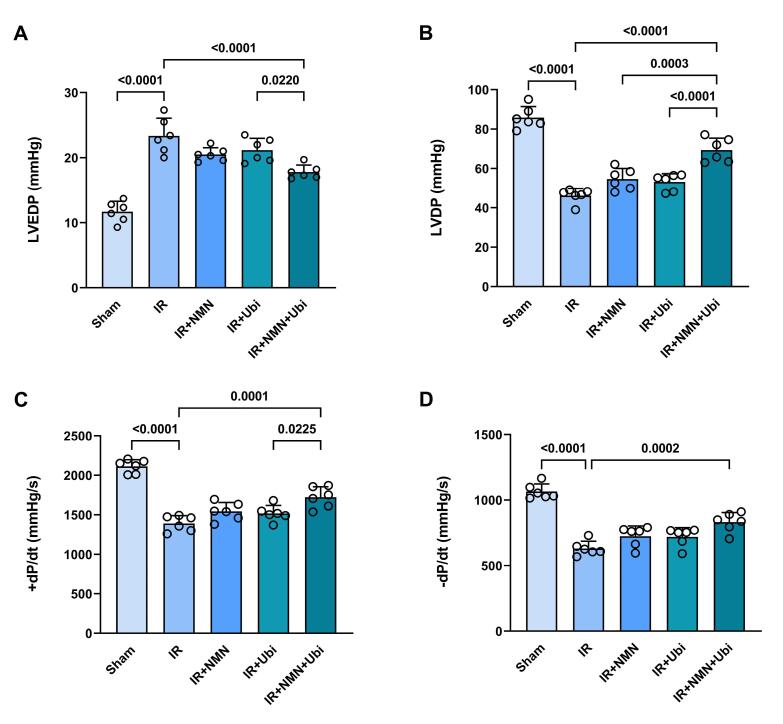
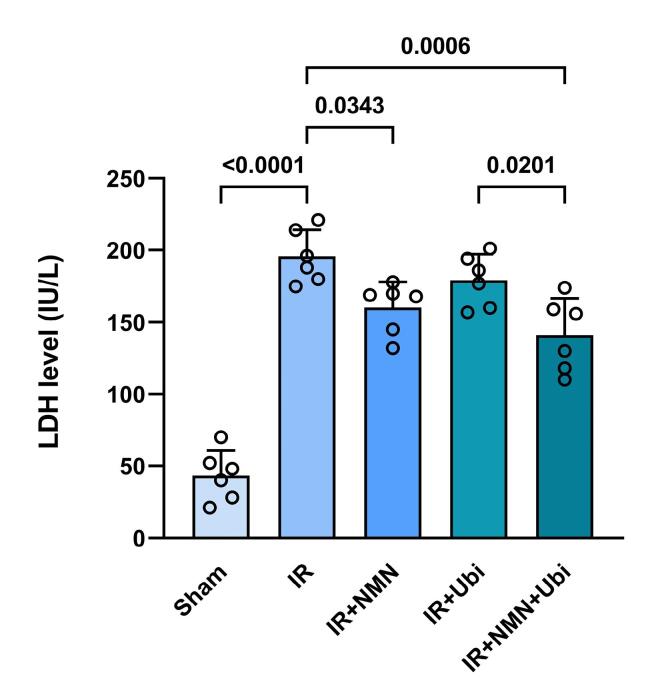
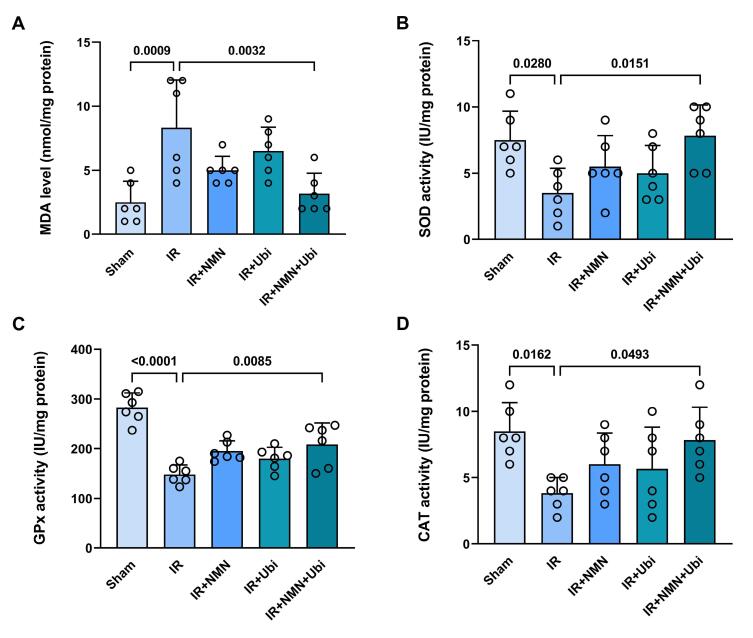
Male Wistar rats (n=30, 22-24 months old, 400-450 g) were randomized into five groups with or without IR and/or NMN and ubiquinol, either alone or in combination. NMN (100 mg/kg/48 hours) was administered intraperitoneally for 28 days before IR, and ubiquinol (30 mg/kg) was injected intravenously at early reperfusion. Electrocardiographic signals were recorded during the ischemia and the first 30 minutes of reperfusion. Two hours after reperfusion, myocardial hemodynamic and LDH release were measured, and the left ventricle samples were obtained to evaluate oxidative stress markers and NO levels.
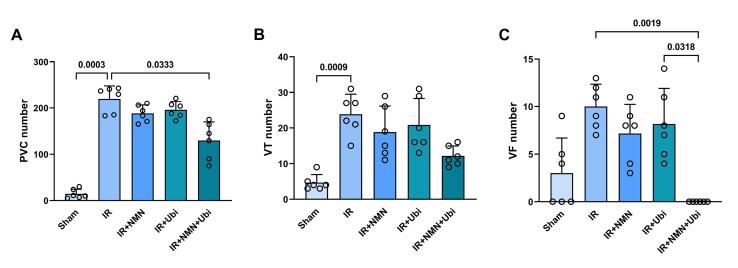
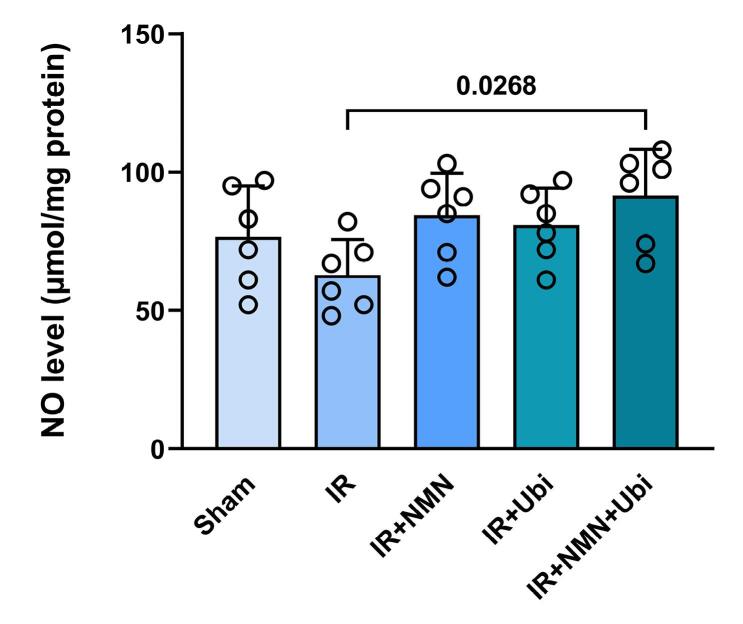
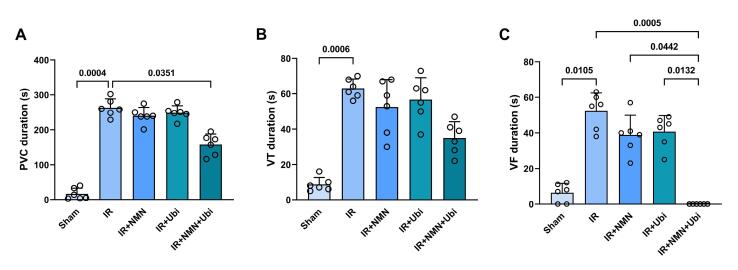
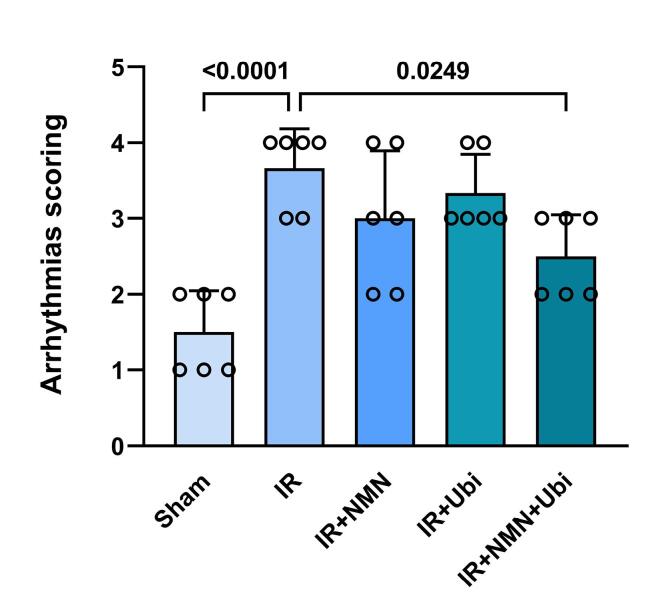
NMN/ubiquinol combination treatment significantly minimized the occurrence and severity of IR-induced arrhythmias, improved myocardial function, and reduced LDH release (<0.05). It also decreased MDA content, increased superoxide dismutase (SOD), glutathione peroxidase (GP), and catalase (CAT) activities, and enhanced NO formation (<0.05). This combined treatment showed greater efficacy than the single treatments.
This study revealed the anti-arrhythmic effect of NMN/ubiquinol combination treatment in IR-treated aged rats, which may be associated with reduced oxidative stress and increased NO formation. This combinational approach deserves more investigation due to its potential to confer better anti-arrhythmic effect during aging.
在老年心肌梗死患者接受再灌注治疗后,致命性室性心律失常是一个重大的临床问题。采用多靶点疗法以实现最佳的抗心律失常作用并提高成功转化以造福患者的几率,已引起了广泛关注。本研究检测了烟酰胺单核苷酸(NMN)/泛醇联合治疗对老年大鼠心肌缺血/再灌注(IR)损伤后的抗心律失常作用,重点关注氧化应激和一氧化氮(NO)的作用。
将雄性Wistar大鼠(n = 30,22 - 24月龄,400 - 450 g)随机分为五组,分别接受或不接受IR和/或NMN及泛醇,单独或联合使用。在IR前28天腹腔注射NMN(100 mg/kg/48小时),在再灌注早期静脉注射泛醇(30 mg/kg)。在缺血期间和再灌注的前30分钟记录心电图信号。再灌注2小时后,测量心肌血流动力学和乳酸脱氢酶(LDH)释放,并获取左心室样本以评估氧化应激标志物和NO水平。
NMN/泛醇联合治疗显著降低了IR诱导的心律失常的发生率和严重程度,改善了心肌功能,并减少了LDH释放(<0.05)。它还降低了丙二醛(MDA)含量,增加了超氧化物歧化酶(SOD)、谷胱甘肽过氧化物酶(GP)和过氧化氢酶(CAT)的活性,并增强了NO的生成(<0.05)。这种联合治疗比单一治疗显示出更大的疗效。
本研究揭示了NMN/泛醇联合治疗对接受IR治疗的老年大鼠的抗心律失常作用,这可能与氧化应激降低和NO生成增加有关。由于其在衰老过程中具有更好的抗心律失常作用的潜力,这种联合方法值得进一步研究。