Rahdan Fereshteh, Saberi Alihossein, Saraygord-Afshari Neda, Hadizadeh Morteza, Fayeghi Tahura, Ghanbari Elham, Dianat-Moghadam Hassan, Alizadeh Effat
Department of Medical Biotechnology, Faculty of Advanced Medical Sciences, Tabriz University of Medical Sciences, Tabriz, Iran.
Department of Medical Genetics, Faculty of Medicine, Ahvaz Jundishapur University of Medical Sciences, Ahvaz, Iran.
Heliyon. 2024 Oct 18;10(20):e39489. doi: 10.1016/j.heliyon.2024.e39489. eCollection 2024 Oct 30.
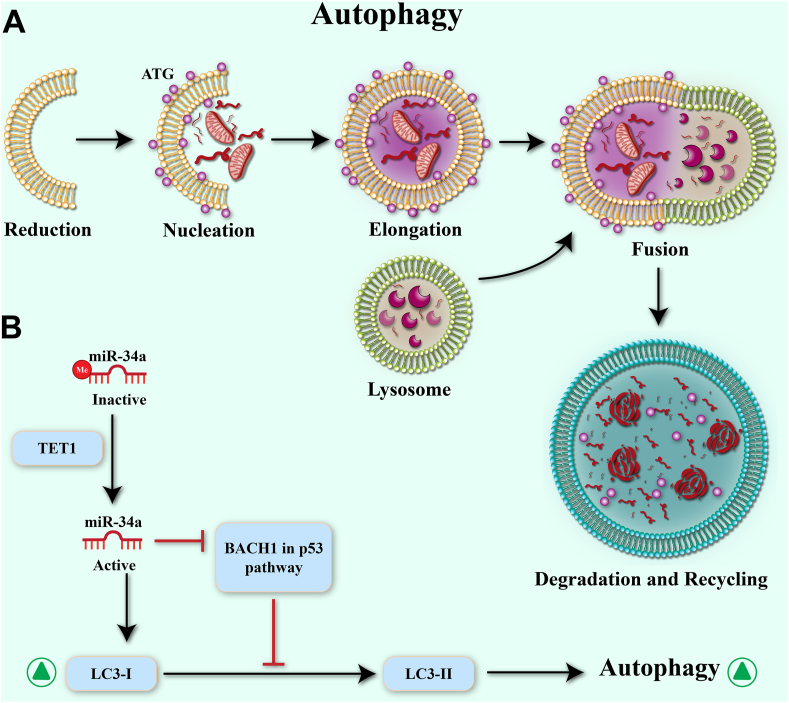
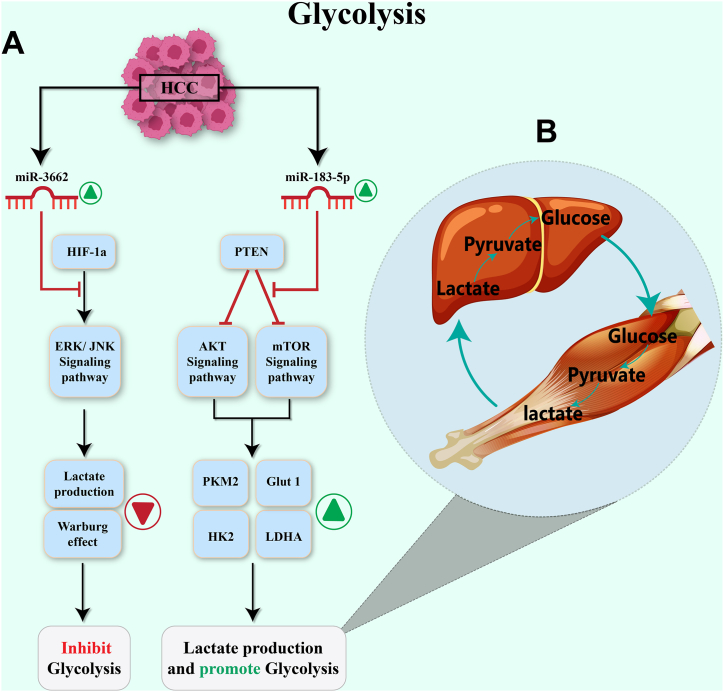
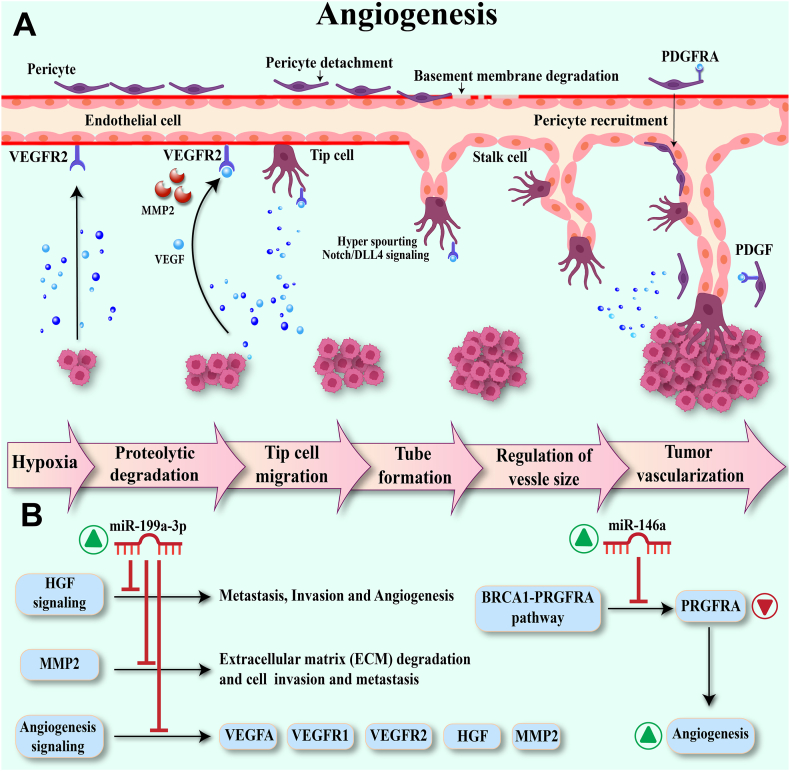
Hepatocellular carcinoma (HCC) poses a significant global health challenge, necessitating innovative therapeutic strategies. MicroRNAs (miRNAs) have emerged as pivotal regulators of HCC pathogenesis, influencing key processes such as self-renewal, angiogenesis, glycolysis, autophagy, and metastasis. This article integrates findings from a comprehensive literature review and bioinformatics analysis to elucidate the role of miRNAs in HCC. We discuss how dysregulation of miRNAs can drive HCC initiation, progression, and metastasis by modulating various signaling pathways and target genes. Moreover, leveraging high-throughput technology and bioinformatics tools, we identify key miRNAs involved in multiple cancer hallmarks, offering insights into potential combinatorial therapeutic strategies. Through our analysis considering p-values and signaling pathways associated with key features, we unveil miRNAs with simultaneous roles across critical cancer characteristics, providing a basis for the development of high-performance biomarkers. The microRNAs, miR-34a-5p, miR-373-3p, miR-21-5p, miR-214-5p, miR-195-5p, miR-139-5p were identified to be shared microRNAs in stemness, angiogenesis, glycolysis, autophagy, EMT, and metastasis of HCC. However, challenges such as miRNA stability and delivery hinder the translation of miRNA-based therapeutics into clinical practice. This review underscores the importance of further research to overcome existing barriers and realize the full potential of miRNA-based interventions for HCC management.
肝细胞癌(HCC)对全球健康构成了重大挑战,因此需要创新的治疗策略。微小RNA(miRNA)已成为HCC发病机制的关键调节因子,影响自我更新、血管生成、糖酵解、自噬和转移等关键过程。本文整合了全面的文献综述和生物信息学分析结果,以阐明miRNA在HCC中的作用。我们讨论了miRNA的失调如何通过调节各种信号通路和靶基因来驱动HCC的起始、进展和转移。此外,利用高通量技术和生物信息学工具,我们确定了参与多种癌症特征的关键miRNA,为潜在的联合治疗策略提供了见解。通过我们考虑与关键特征相关的p值和信号通路的分析,我们揭示了在关键癌症特征中具有同时作用的miRNA,为开发高性能生物标志物提供了基础。已确定微小RNA miR-34a-5p、miR-373-3p、miR-21-5p、miR-214-5p、miR-195-5p、miR-139-5p是HCC干性、血管生成、糖酵解、自噬、上皮-间质转化和转移中的共享微小RNA。然而,诸如miRNA稳定性和递送等挑战阻碍了基于miRNA的疗法转化为临床实践。本综述强调了进一步研究以克服现有障碍并实现基于miRNA的干预措施在HCC管理中的全部潜力的重要性。