Ishizaki Masanori, Hasumi Masaru, Muramatsu Kazumichi, Shimizu Nobuaki
Department of Urology Gunma Prefectural Cancer Center Ota Gunma Japan.
IJU Case Rep. 2024 Sep 22;7(6):491-494. doi: 10.1002/iju5.12787. eCollection 2024 Nov.
The frequency of neuroendocrine carcinoma of the prostate is low, accounting for approximately 1%-5% of all prostate cancers. Herein, we report the case of a patient who was diagnosed with prostate neuroendocrine carcinoma and successfully treated with etoposide and cisplatin.
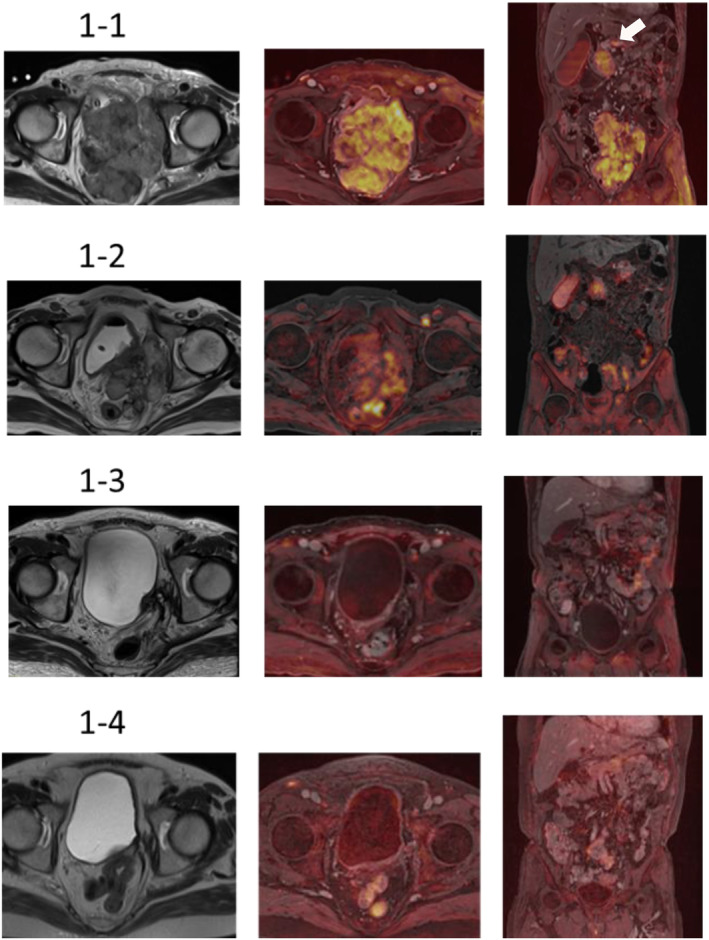
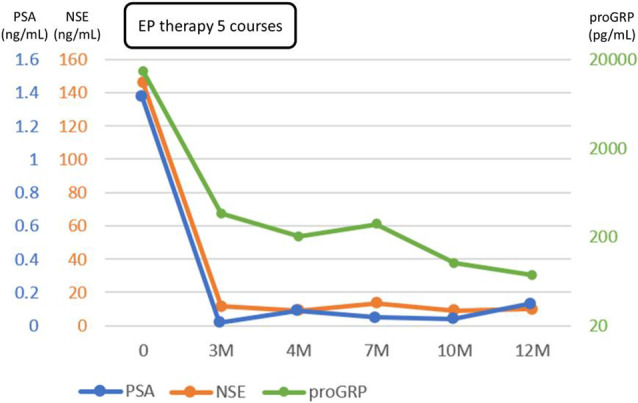
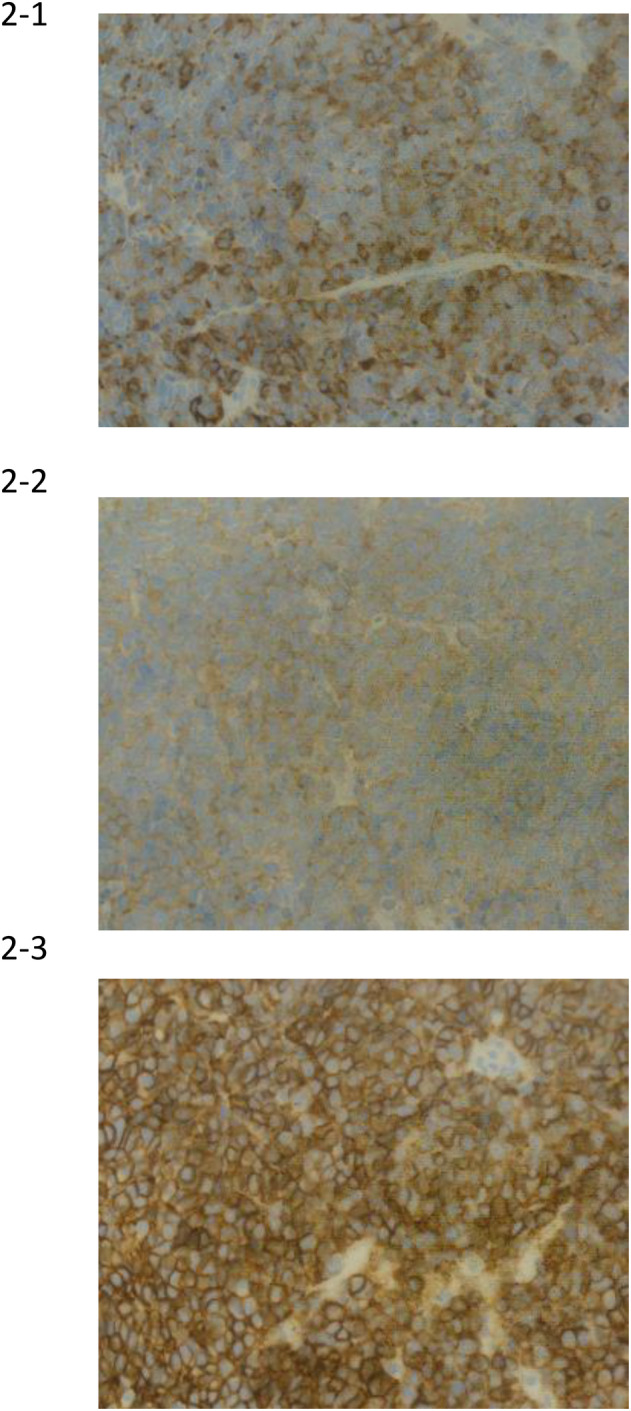
A 74-year-old man presented to the urology department with the chief complaint of urinary retention. After a thorough examination, he was diagnosed with neuroendocrine carcinoma of the prostate and treated with etoposide and cisplatin, called "EP therapy." The patient remained in remission 1 year later.
A patient with neuroendocrine carcinoma of the prostate was successfully treated with etoposide and cisplatin, and the patient remained in remission. Prostate neuroendocrine carcinomas are rare and have poor prognoses. Therefore, information regarding treatments that can improve prognosis is needed.
前列腺神经内分泌癌的发病率较低,约占所有前列腺癌的1%-5%。在此,我们报告一例被诊断为前列腺神经内分泌癌并成功接受依托泊苷和顺铂治疗的患者病例。
一名74岁男性因尿潴留为主诉就诊于泌尿外科。经过全面检查,他被诊断为前列腺神经内分泌癌,并接受了依托泊苷和顺铂治疗,即“EP疗法”。1年后患者仍处于缓解状态。
一名前列腺神经内分泌癌患者成功接受了依托泊苷和顺铂治疗,且患者仍处于缓解状态。前列腺神经内分泌癌较为罕见,预后较差。因此,需要有关可改善预后的治疗方法的信息。