Melkersson Karl-Gunnar, Li Hao, Rask-Andersen Helge
Curator of Reptiles, Kolmårdens Tropicarium AB, Kolmården, Sweden.
Department of Surgical Sciences, Otorhinolaryngology and Head and Neck Surgery, Uppsala University, Uppsala, Sweden.
Front Cell Dev Biol. 2024 Oct 23;12:1471983. doi: 10.3389/fcell.2024.1471983. eCollection 2024.
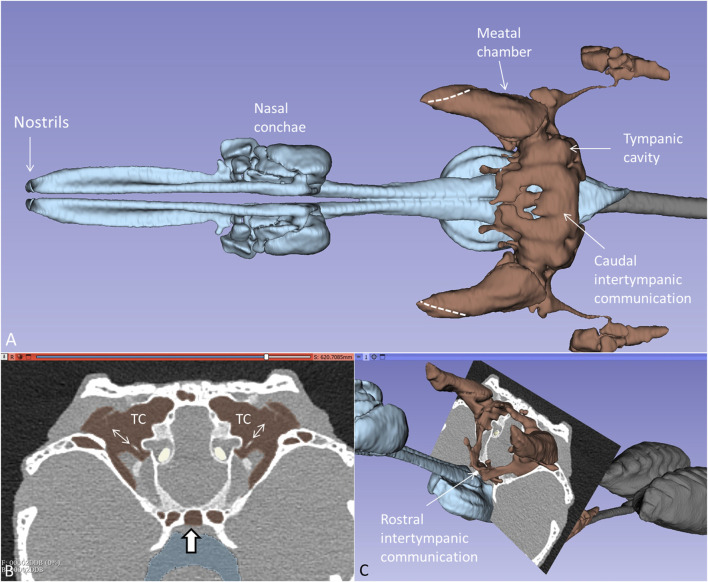
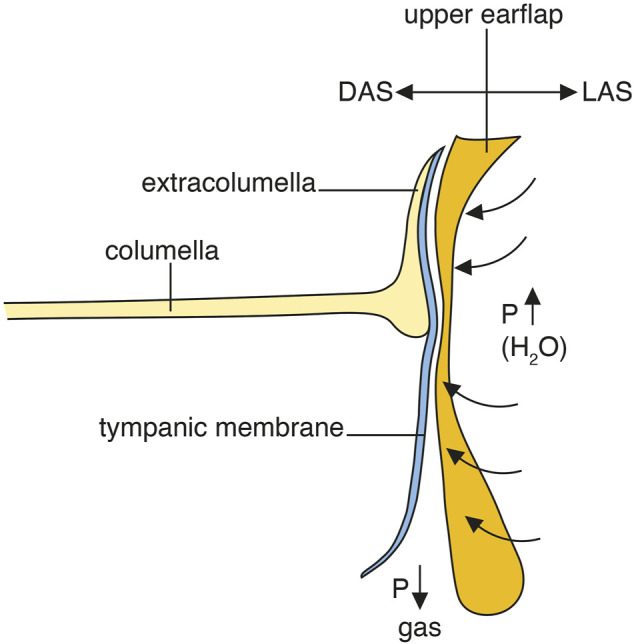
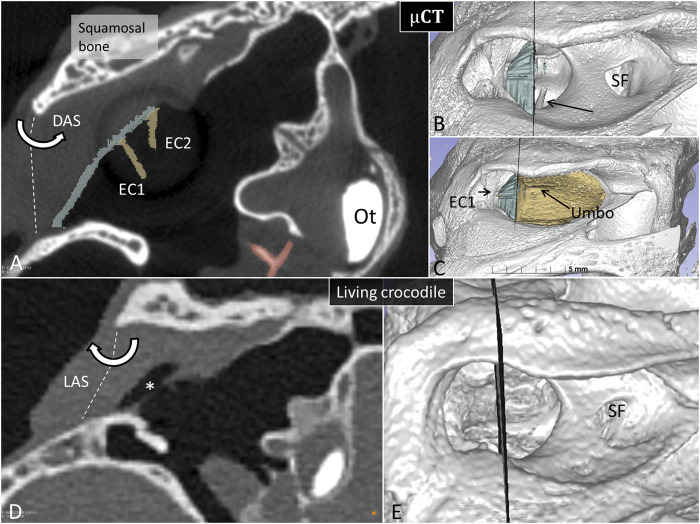
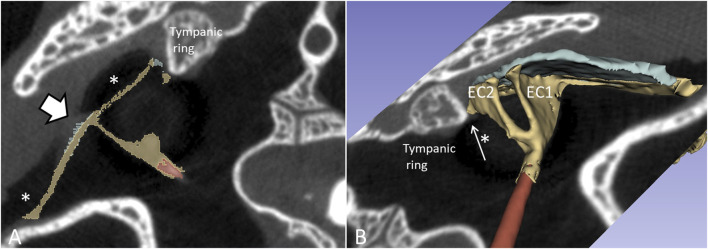
Crocodiles are semi-aquatic animals well adapted to hear both on land and under water. Currently, there is limited information on how their amphibious hearing is accomplished. Here, we describe, for the first time, the ear anatomy in the living crocodile using photon-counting detector computed tomography (PCD-CT) and 3D rendering. We speculate on how crocodiles, despite their closed ear canals, can use tympanic hearing in water that also provides directional hearing.
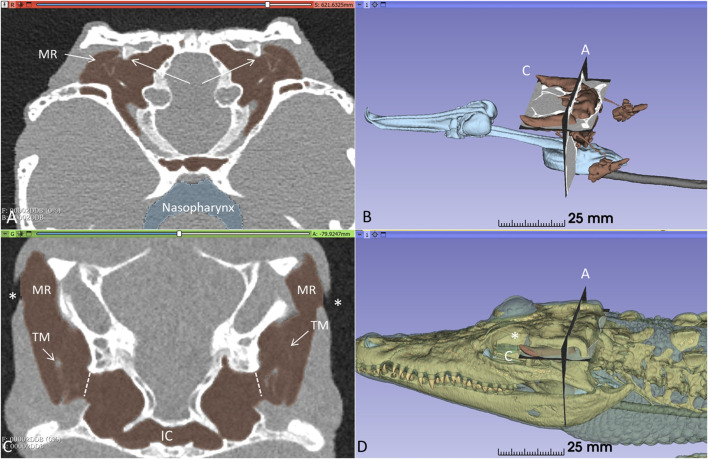
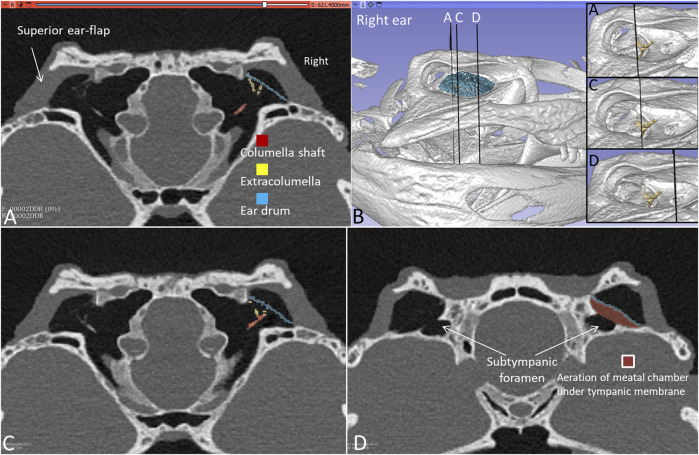
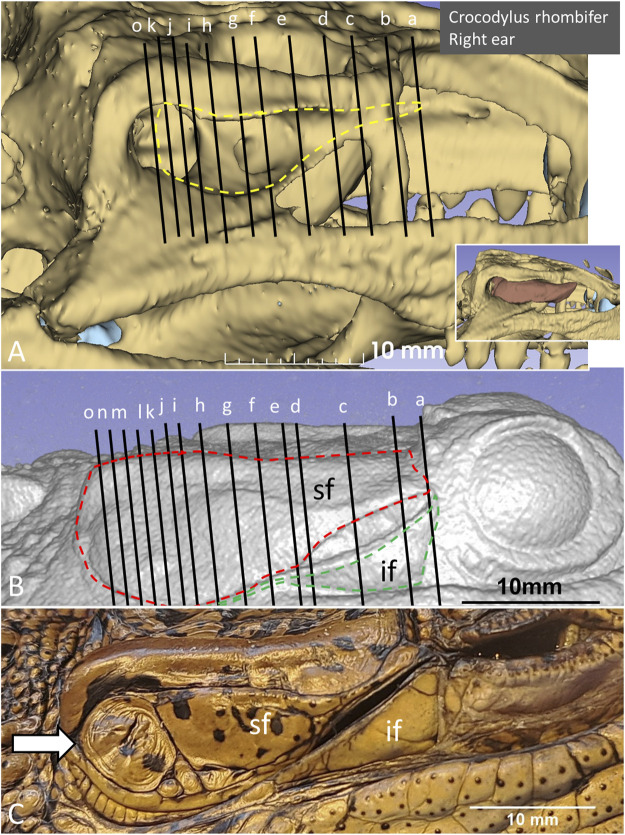
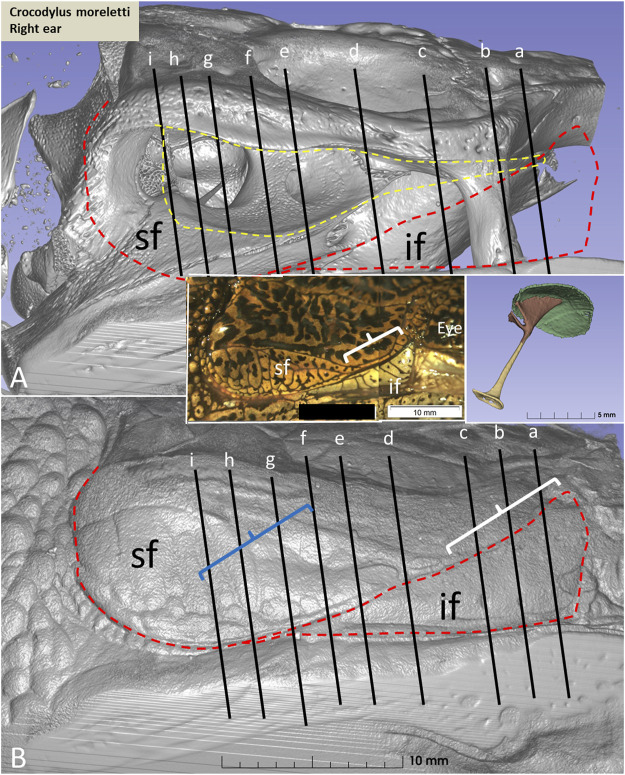
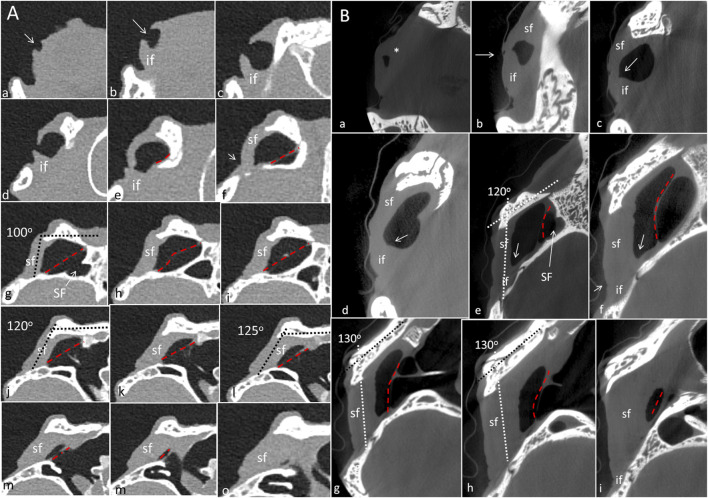
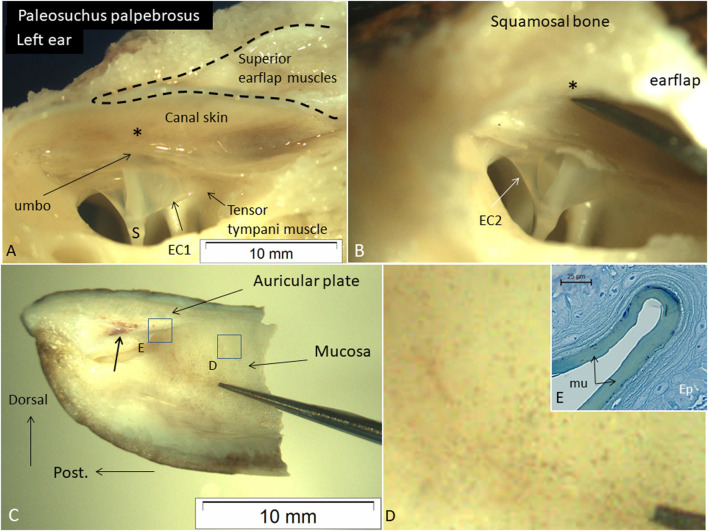
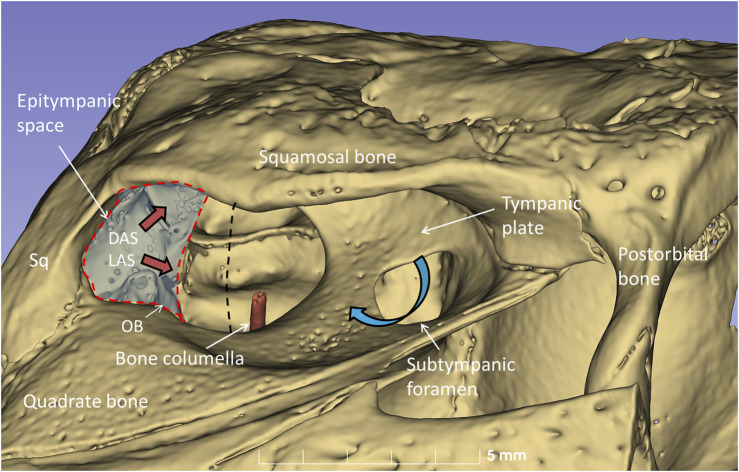
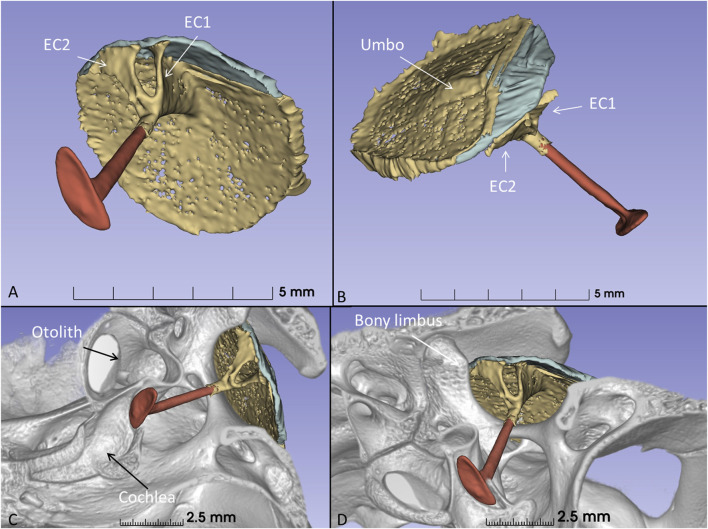
A Cuban crocodile ( underwent photon-counting detector computed tomography (PCD-CT), under anesthesia and spontaneous respiration. In addition two seven-month-old and a juvenile Morelet´s crocodile ( underwent micro-computed tomography (µCT) and endoscopy. One adult Cuviérs dwarf caiman ( was micro-dissected and video-recorded. Aeration, earflap, and middle ear morphology were evaluated and compared after 3D modeling.
PCD-CT and µCT with 3D rendering and segmentation demonstrated the anatomy of the external and middle ears with high resolution in both living and expired crocodiles. Based on the findings and comparative examinations, we suggest that the superior earflap, by modulating the meatal recess together with local bone conduction, may implement tympanic hearing in submerged crocodiles, including directional hearing.
鳄鱼是半水生动物,非常适应在陆地和水下聆听。目前,关于它们如何实现两栖听力的信息有限。在这里,我们首次使用光子计数探测器计算机断层扫描(PCD-CT)和三维渲染技术描述了活体鳄鱼的耳部解剖结构。我们推测,尽管鳄鱼的耳道是封闭的,但它们如何在水中利用鼓膜听力,同时还能实现定向听力。
一只古巴鳄鱼在麻醉和自主呼吸状态下接受了光子计数探测器计算机断层扫描(PCD-CT)。此外,两只七个月大的莫雷莱鳄幼鳄接受了微型计算机断层扫描(µCT)和内窥镜检查。对一只成年居维侏儒凯门鳄进行了显微解剖并录制了视频。在进行三维建模后,对通气、耳瓣和中耳形态进行了评估和比较。
PCD-CT和µCT结合三维渲染和分割技术,在活体和死亡鳄鱼中都以高分辨率展示了外耳和中耳的解剖结构。基于这些发现和比较研究,我们认为上耳瓣通过与局部骨传导一起调节耳道凹陷,可能在水下鳄鱼中实现鼓膜听力,包括定向听力。