
变革呼吸系统疾病管理:基于首席医疗官的医院药学服务模式
Transforming respiratory diseases management: a CMO-based hospital pharmaceutical care model.
作者信息
Zarate-Tamames Borja, Garin Noe, Calvin-Lamas Marta, Jornet Sonia, Martinez-Simon Jose J, Garcia-Gil Sara, Garcia-Rebolledo Eva M, Morillo-Verdugo Ramon
机构信息
Department of Pharmacy, Hospital de la Santa Creu i Sant Pau, Universitat Autònoma de Barcelona, Barcelona, Spain.
Department of Medicine, Universitat Autònoma de Barcelona, Barcelona, Spain.
出版信息
Front Pharmacol. 2024 Oct 23;15:1461473. doi: 10.3389/fphar.2024.1461473. eCollection 2024.
INTRODUCTION
Respiratory diseases encompass a diverse range of conditions that significantly impact global morbidity and mortality. While common diseases like asthma and COPD exhibit moderate symptoms, less prevalent conditions such as pulmonary hypertension and cystic fibrosis profoundly affect quality of life and mortality. The prevalence of these diseases has surged by approximately 40% over the past 3 decades. Despite advancements in pharmacotherapy, challenges in drug administration, adherence, and adverse effects persist. This study aimed to develop and perform an interim validation of a Capacity-Motivation-Opportunity (CMO) model tailored for respiratory outpatients to enhance pharmaceutical care, which is the direct, responsible provision of medication-related care for the purpose of achieving definite outcomes that improve a patient's quality of life, and overall wellbeing.
METHODOLOGY
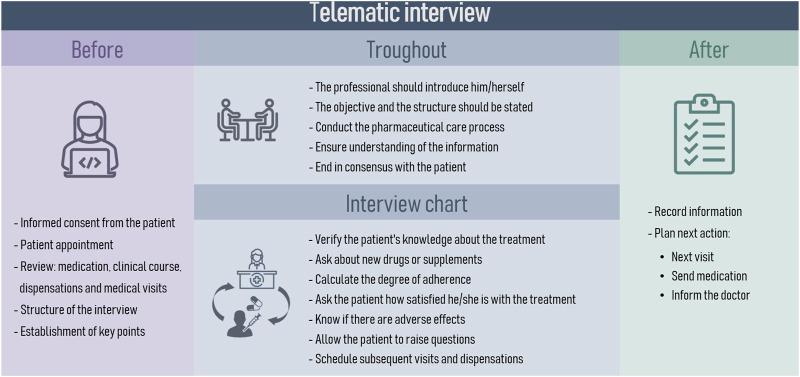
This cross-sectional, multicenter study was conducted from March 2022 to March 2023. It comprised four phases: 1) forming an expert panel of 15 hospital pharmacists, 2) selecting respiratory pathologies based on prevalence and severity, 3) developing the CMO model's pillars, and 4) integrating and conducting an interim validation of the model. The Capacity pillar focused on patient stratification and personalized care; the Motivation pillar aligned therapeutic goals through motivational interviewing; and the Opportunity pillar promoted the use of information and communication technologies (ICTs) for telemedicine.
RESULTS
The model included eight respiratory diseases based on expert assessment. For the Capacity pillar, 22 variables were defined for patient stratification, leading to three priority levels for personalized pharmaceutical care. In a preliminary test involving 201 patients across six hospitals, the stratification tool effectively classified patients according to their needs. The Motivation pillar adapted motivational interviewing techniques to support patient adherence and behavior change. The Opportunity pillar established teleconsultation protocols and ICT tools to enhance patient monitoring and care coordination.
CONCLUSION
The CMO model, tailored for respiratory patients, provides a comprehensive framework for improving pharmaceutical care. By focusing on patient-centered care, aligning therapeutic goals, and leveraging technology, this model addresses the multifaceted needs of individuals with respiratory conditions. Future studies are necessary to validate this model in other healthcare systems and ensure its broad applicability.
引言
呼吸系统疾病涵盖了多种病症,对全球发病率和死亡率有重大影响。虽然哮喘和慢性阻塞性肺疾病等常见疾病症状较为温和,但肺动脉高压和囊性纤维化等不太常见的病症却严重影响生活质量和死亡率。在过去三十年中,这些疾病的患病率激增了约40%。尽管药物治疗取得了进展,但药物管理、依从性和不良反应方面的挑战依然存在。本研究旨在开发并进行一项针对呼吸科门诊患者的能力-动机-机会(CMO)模型的中期验证,以加强药学服务,药学服务是为实现明确结果以改善患者生活质量和整体健康状况而直接、负责地提供与药物相关的护理。
方法
本横断面、多中心研究于2022年3月至2023年3月进行。它包括四个阶段:1)组建由15名医院药剂师组成的专家小组;2)根据患病率和严重程度选择呼吸道疾病;3)构建CMO模型的支柱;4)整合并进行模型的中期验证。能力支柱侧重于患者分层和个性化护理;动机支柱通过动机访谈使治疗目标保持一致;机会支柱促进使用信息通信技术(ICT)进行远程医疗。
结果
根据专家评估,该模型纳入了八种呼吸道疾病。对于能力支柱,为患者分层定义了22个变量,从而确定了个性化药学护理的三个优先级别。在一项涉及六家医院201名患者的初步测试中,分层工具根据患者需求有效地对他们进行了分类。动机支柱采用动机访谈技术来支持患者的依从性和行为改变。机会支柱建立了远程会诊协议和ICT工具,以加强患者监测和护理协调。
结论
针对呼吸科患者量身定制的CMO模型为改善药学服务提供了一个全面的框架。通过关注以患者为中心的护理、使治疗目标保持一致以及利用技术,该模型满足了呼吸系统疾病患者的多方面需求。未来有必要在其他医疗系统中验证该模型,并确保其广泛适用性。


 Zotero 插件