Parrilla Jesús, Segundo Inalmar Dantas Barbosa, Marchante Carmen María Fernández, Santos Elisama Vieira Dos, Lobato Justo, Castro Suely S L, Martínez-Huitle Carlos Alberto, Rodrigo Manuel Andrés
Chemical Engineering Department, University of Castilla-La Mancha, Ed. Enrique Costa Novella, Campus Universitario s/n, Ciudad Real 13005, Spain.
School of Science and Technology, Federal University of Rio Grande do Norte, Campus Universitário, Av.Salgado Filho 3000, Lagoa Nova, Natal, RN CEP 59078-970, Brazil.
Ind Eng Chem Res. 2024 Oct 22;63(44):18734-18745. doi: 10.1021/acs.iecr.4c02235. eCollection 2024 Nov 6.
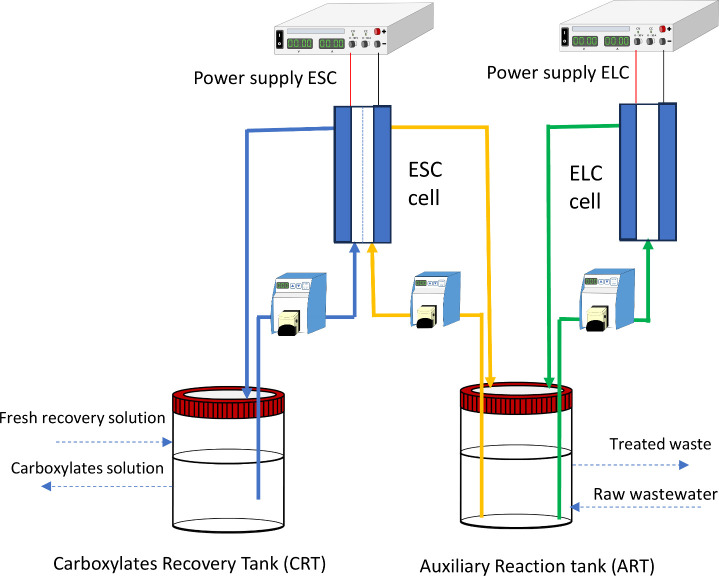
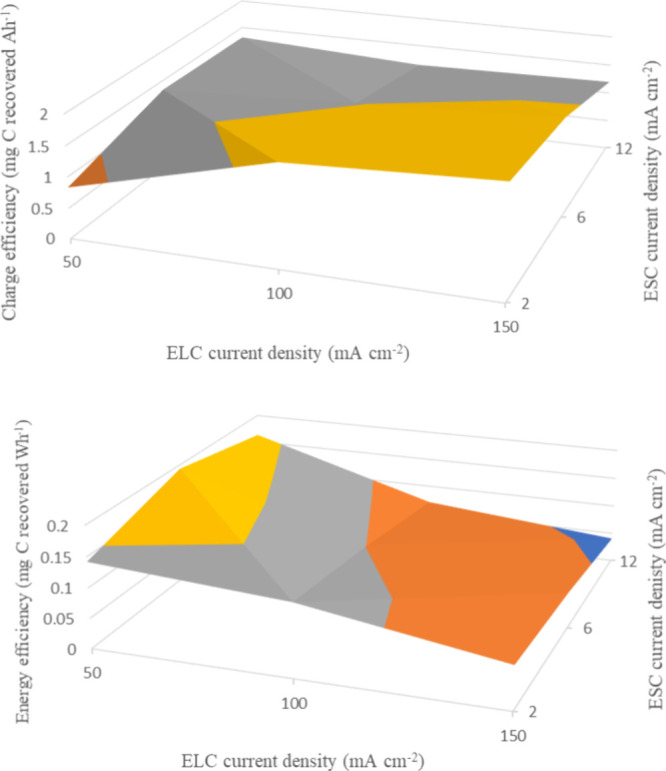
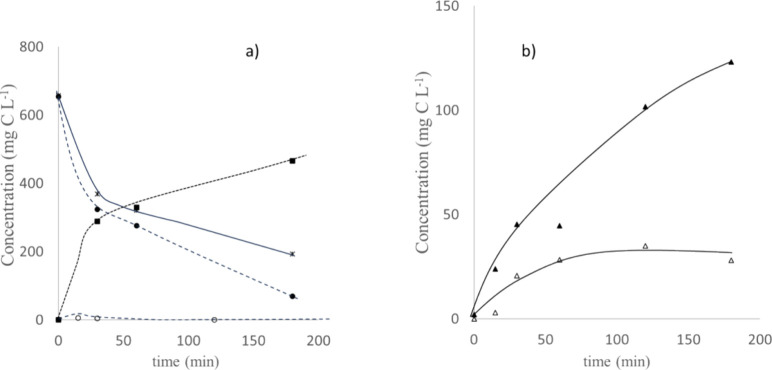
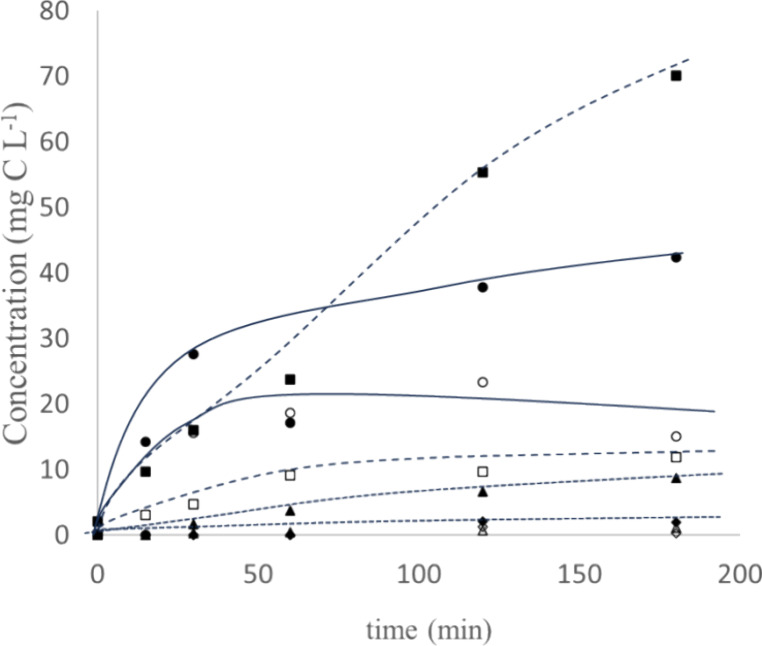
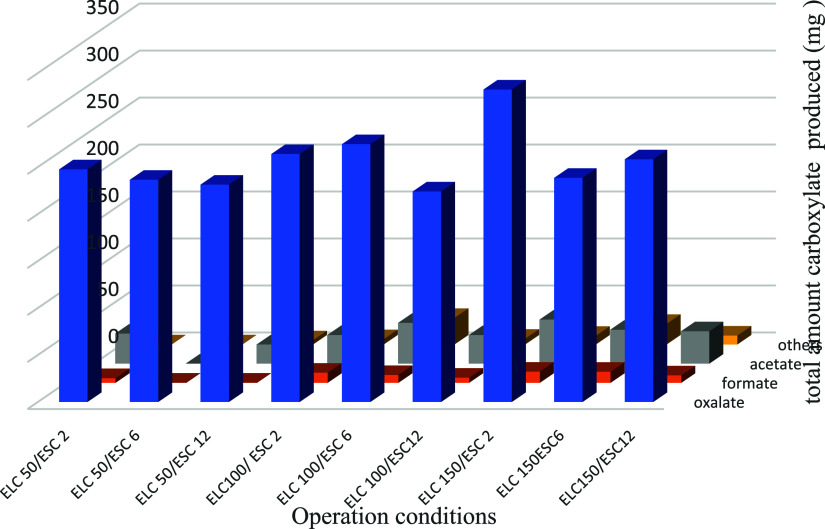
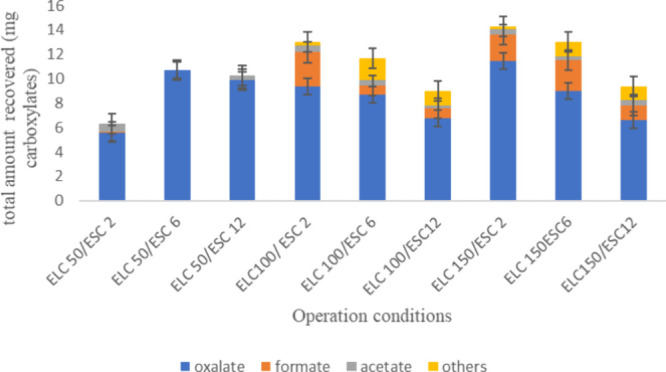
This work describes results of a first proof of the concept of electrorefinery with a real waste obtained from a cashew nut factory, and it shows the effect of the current densities of both the anodic oxidation and electrochemically assisted separation processes on the performance of the system. Results obtained demonstrate that electrorefinery is a promising option to minimize the carbon fingerprint, worth studying for increasing the sustainability of the environmental remediation of wastes, because valuable species can be obtained from the destruction of pollutants and recovered within the same integrated process. They also point out that there is still a long way to reach an optimum solution for this technology, but it is worth the effort to be made. Many different carboxylates were detected, but oxalate was the primary product both in the reaction tank and in the recovery tank. The production is almost linear during the electrolysis, with a reaction rate of 23.3 mg C h in the case of oxalate and a separation ration of around 20% in the electrodialysis stage. There is a negligible crossover of aromatic species into the recovery solution, which becomes an important advantage for further processing of the carboxylate solutions in the search to valorize these species in terms of circular economy principles. Energy efficiencies in the range of 0.04-0.21 mg C-carboxylates (Wh) and Coulombic efficiencies in the range 0.92-2.03 mg C-carboxylates (Ah) were obtained in this work. A life cycle assessment indicated carbon dioxide and water footprints as low as 0.31 g of CO mg C and 30 mL of HO mg C recovered in the products obtained, respectively.
这项工作描述了利用从腰果工厂获得的实际废料进行电精炼概念首次验证的结果,并展示了阳极氧化和电化学辅助分离过程的电流密度对系统性能的影响。所获得的结果表明,电精炼是一种有前景的选择,可将碳足迹降至最低,值得研究以提高废物环境修复的可持续性,因为可以通过污染物的分解获得有价值的物质,并在同一集成过程中回收。他们还指出,要为这项技术找到最佳解决方案仍有很长的路要走,但值得付出努力。检测到了许多不同的羧酸盐,但草酸盐是反应槽和回收槽中的主要产物。电解过程中产量几乎呈线性,草酸盐的反应速率为23.3毫克碳/小时,电渗析阶段的分离率约为20%。芳香族物质进入回收溶液的交叉现象可忽略不计,这对于根据循环经济原则对羧酸盐溶液进行进一步加工以实现这些物质的增值而言是一个重要优势。在这项工作中获得的能量效率范围为0.04 - 0.21毫克碳 - 羧酸盐/瓦时,库仑效率范围为0.92 - 2.03毫克碳 - 羧酸盐/安时。生命周期评估表明,在所得产品中回收的二氧化碳和水足迹分别低至0.31克二氧化碳/毫克碳和30毫升水/毫克碳。