Niu Hong, Liu Zhongting, Guan Ya, Wen Jiaxing, Dang Yu, Guan Jianjun
Department of Mechanical Engineering and Materials Science, Washington University in St. Louis, St. Louis, MO 63130, USA; Center of Regenerative Medicine, School of Medicine, Washington University in St. Louis, St. Louis, MO 63110, USA.
Department of Mechanical Engineering and Materials Science, Washington University in St. Louis, St. Louis, MO 63130, USA; Institute of Materials Science and Engineering, Washington University in St. Louis, St. Louis, MO 63130, USA.
Acta Biomater. 2025 Jan 1;191:189-204. doi: 10.1016/j.actbio.2024.10.050. Epub 2024 Nov 12.
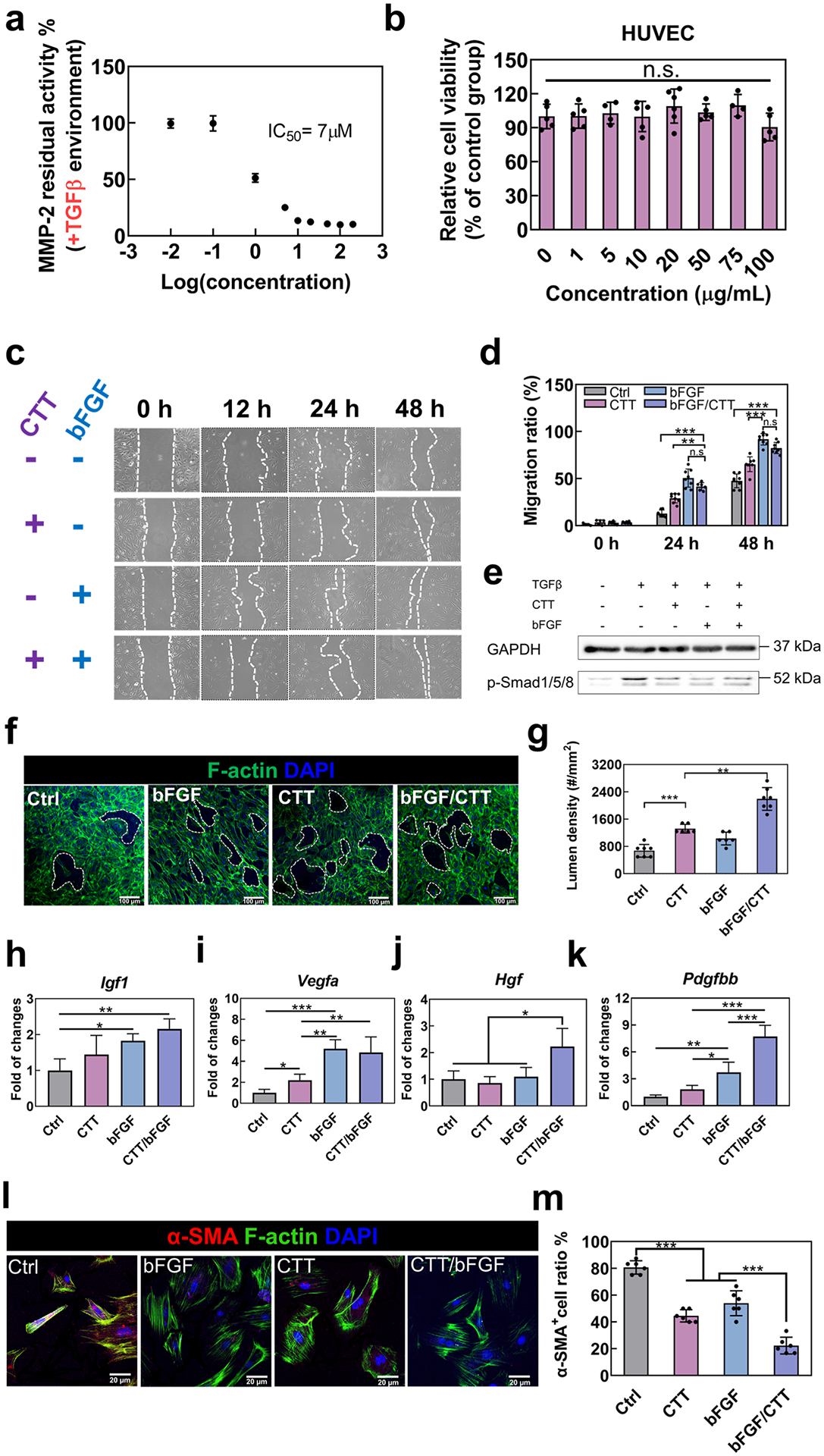
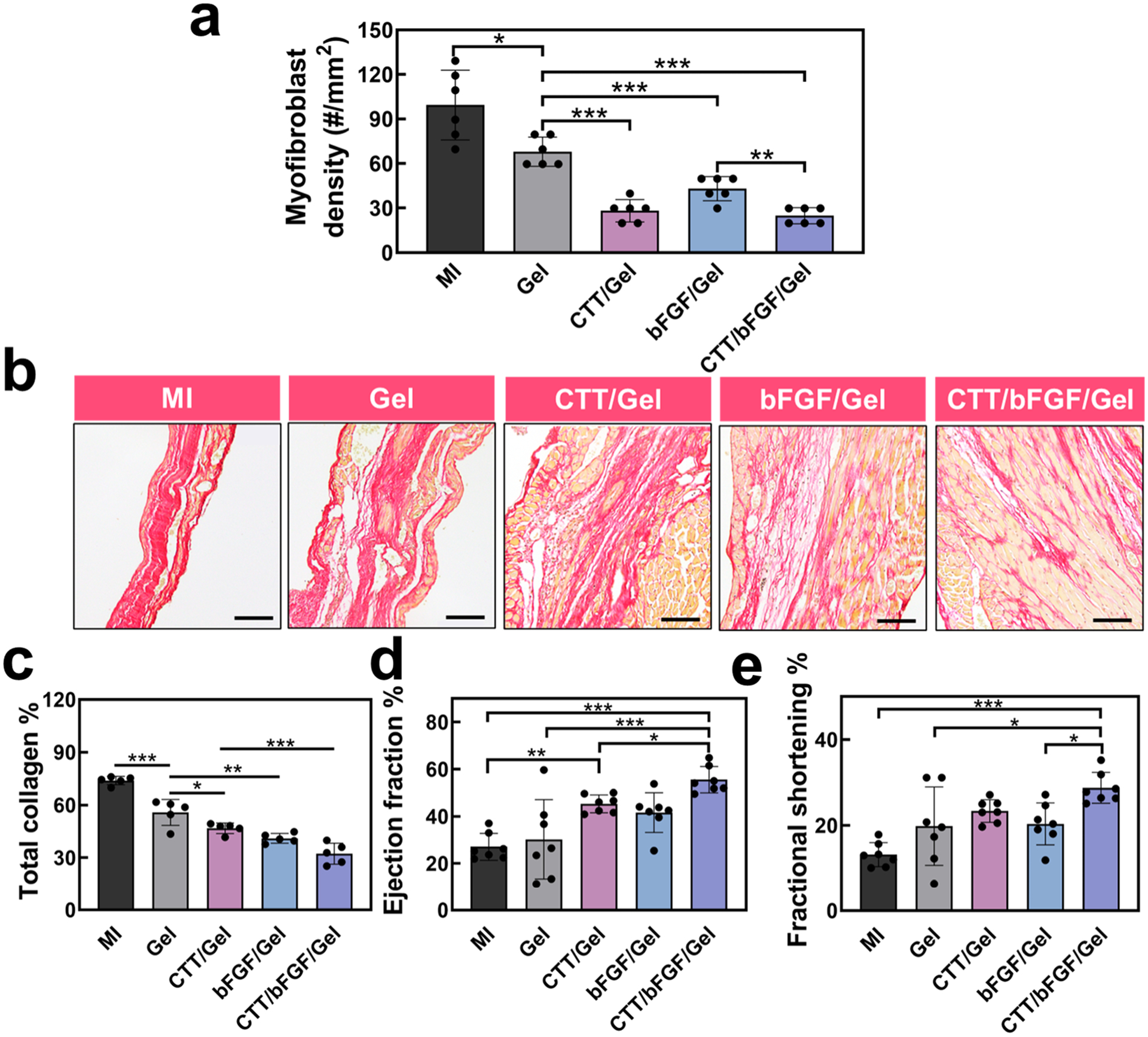
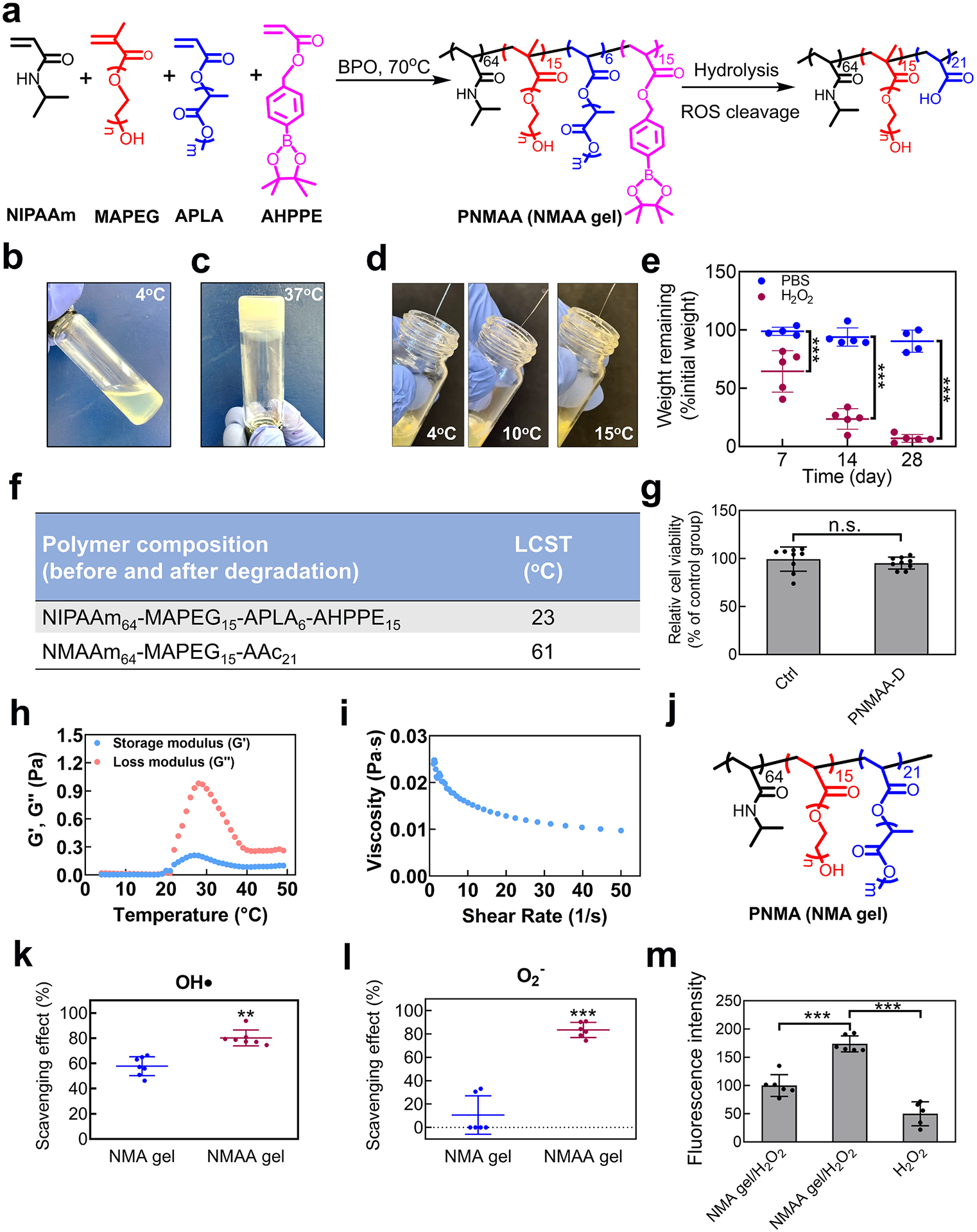
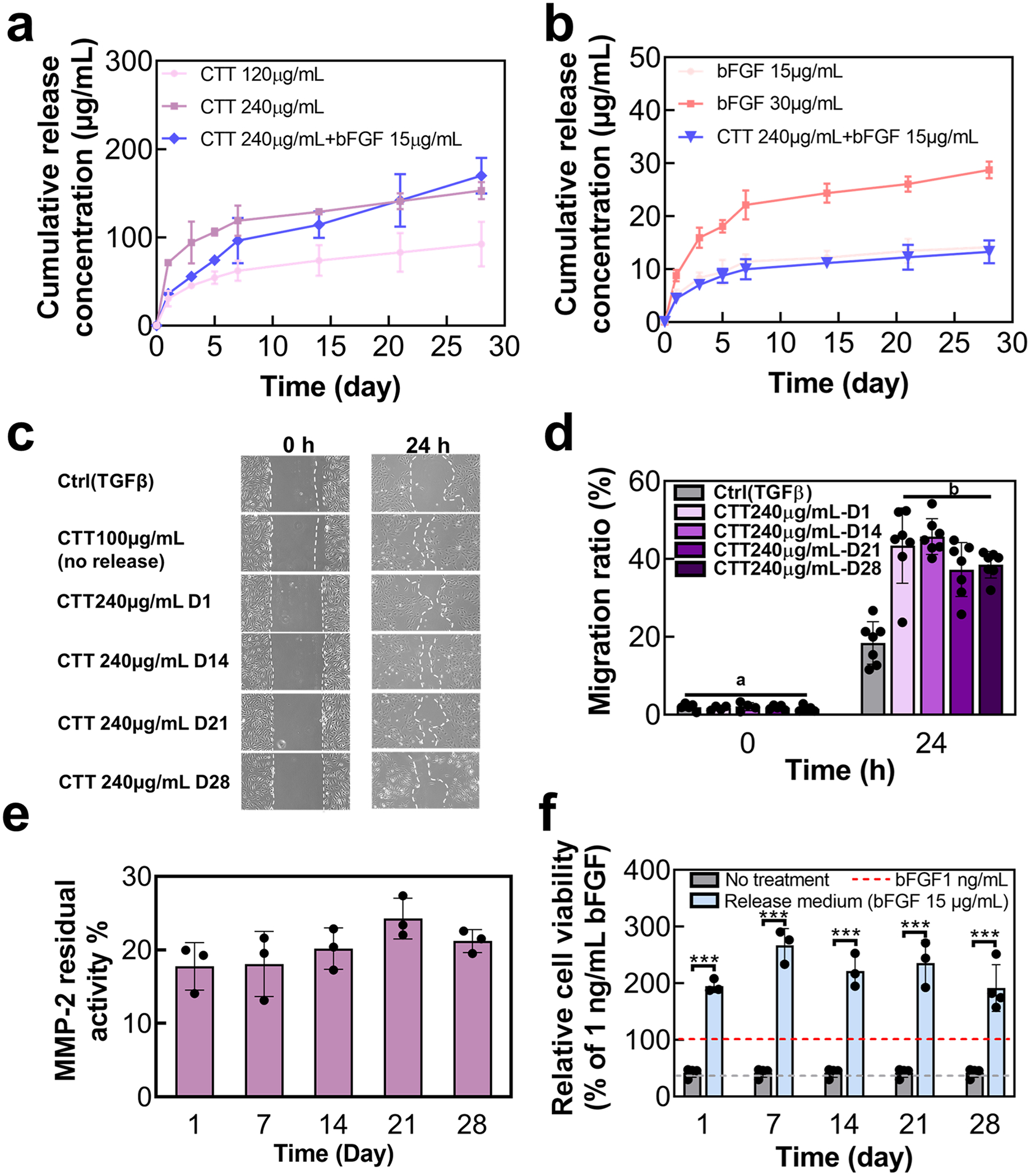
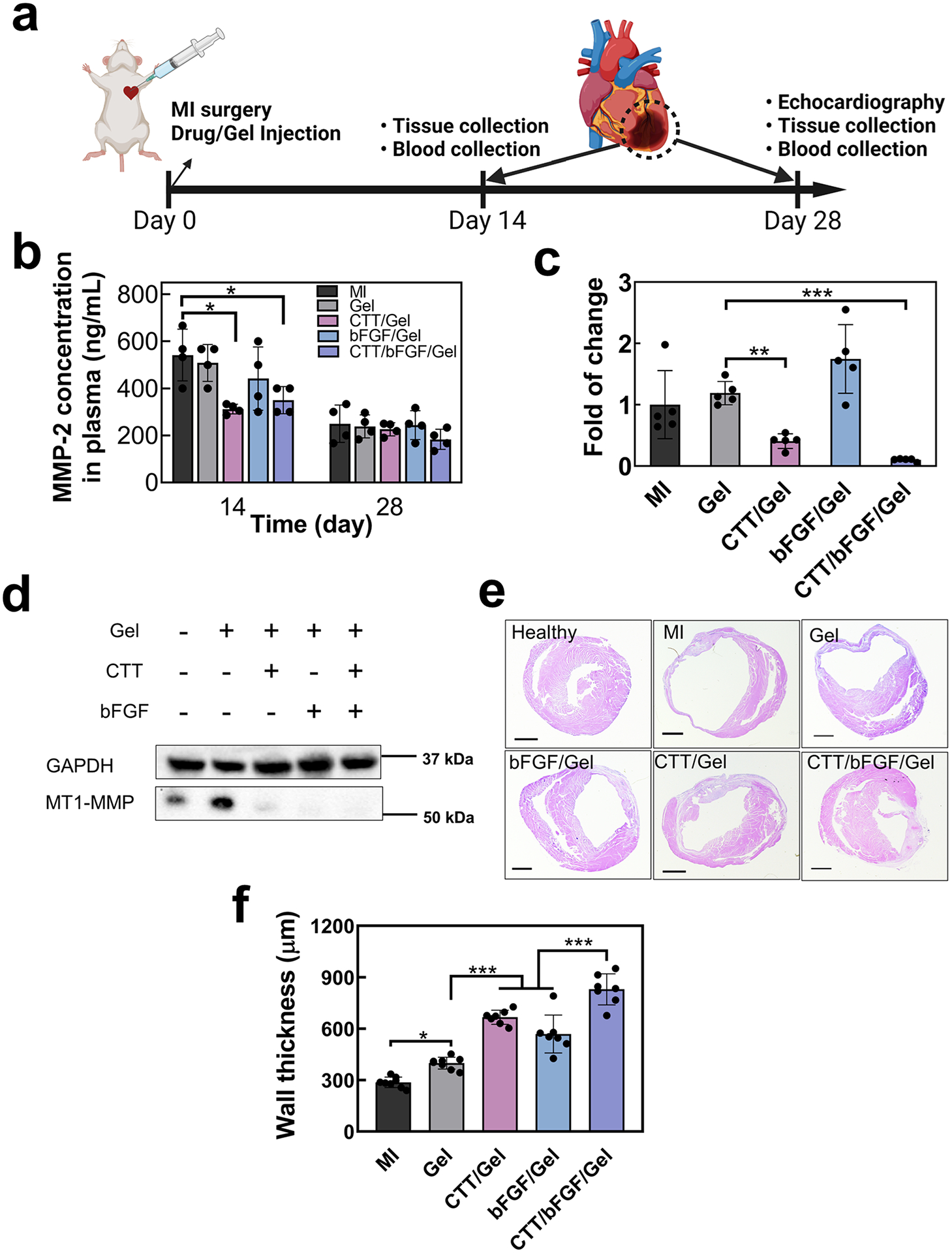
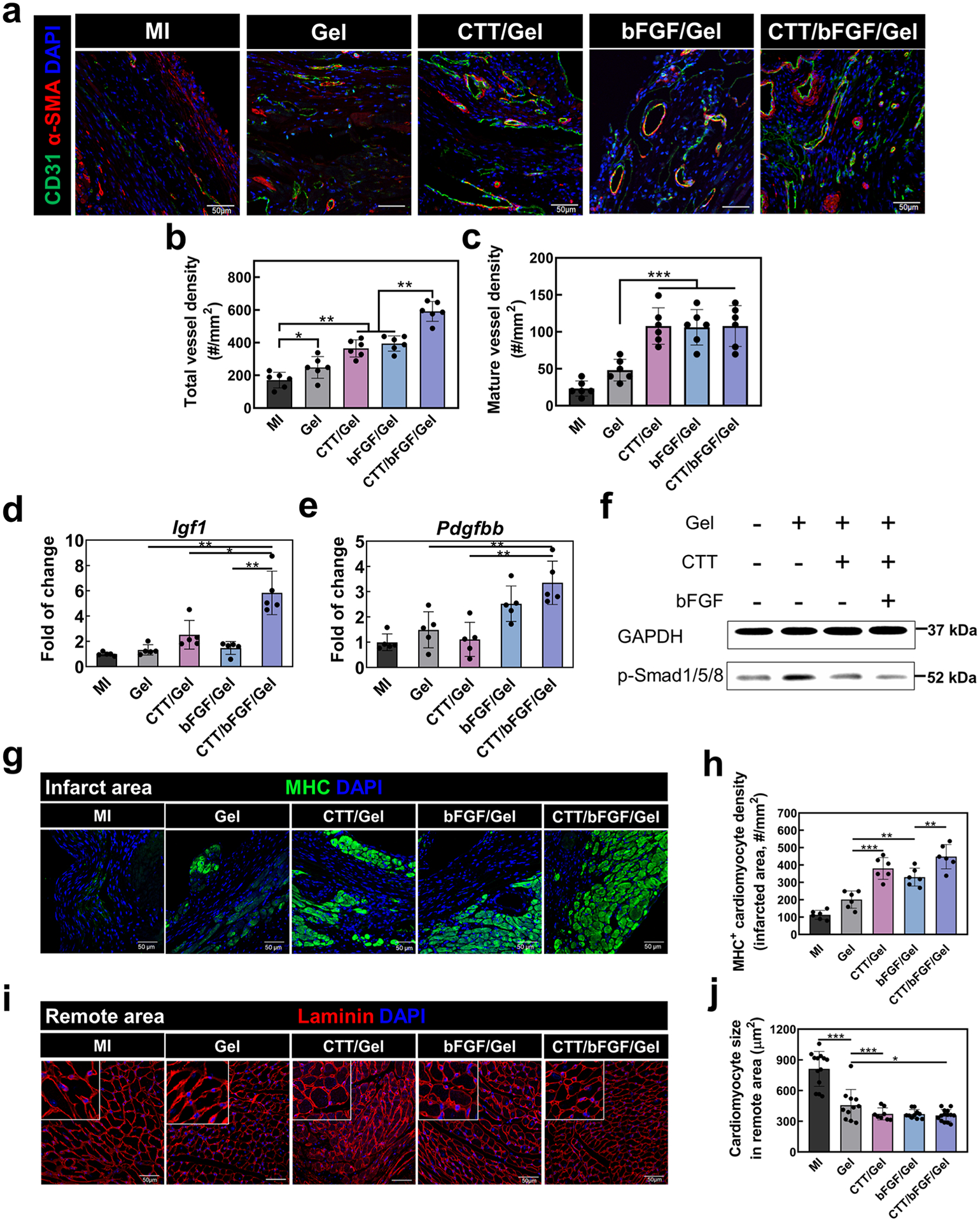
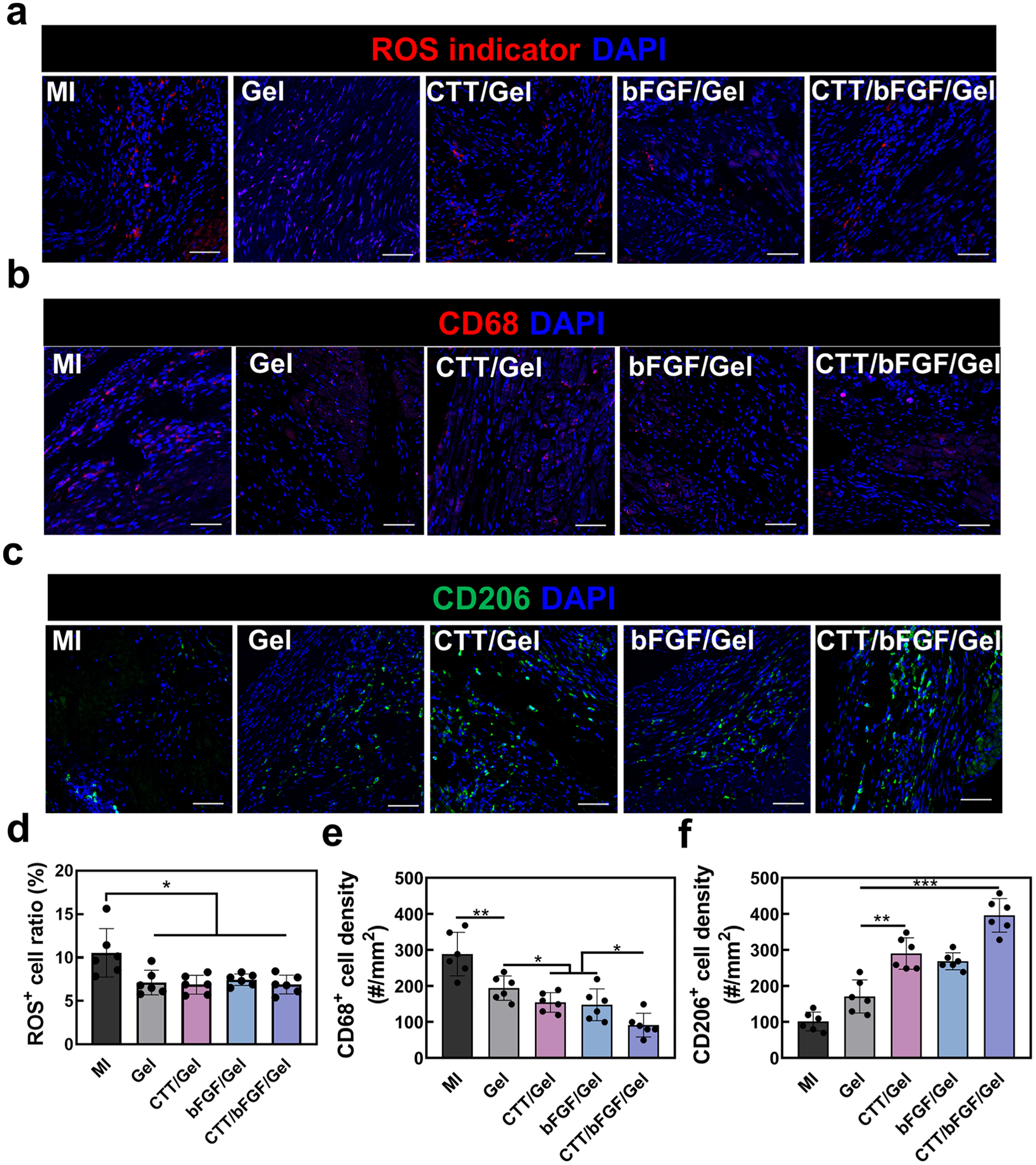
Myocardial infarction (MI) leads to cardiac extracellular matrix (ECM) degradation and fibrosis, reducing heart function. Consequently, simultaneously addressing ECM degradation and inhibiting cardiac fibrosis is essential for preserving heart function and mitigating adverse remodeling. However, the preserved ECM becomes unstable if not vascularized, as its structure and composition undergo changes over time. ECM vascularization is crucial to improve cardiac function. Presently, there is no clinically approved therapy that can simultaneously preserve and vascularize the ECM, and inhibit cardiac fibrosis. Our study develops a drug delivery system aiming to achieve these goals. It includes the peptide CTTHWGFTLC (CTT), a specific MMP-2 inhibitor, and basic fibroblast growth factor (bFGF), a potent factor with pro-angiogenic and anti-fibrotic properties. An injectable hydrogel serves as the carrier, featuring a rapid gelation that allows for the substantial retention of drugs. Additionally, the hydrogel has the capability to scavenge upregulated reactive oxygen species (ROS), thereby reducing tissue inflammation. Our findings indicate that CTT and bFGF synergistically enhance endothelial cell migration and tube formation while inhibiting the differentiation of fibroblasts into myofibroblasts. Upon delivery into hearts, the system significantly decreases MMP-2 level, promotes angiogenesis, attenuates cardiac fibrosis, and alleviates inflammation, resulting in a noteworthy cardiac function improvement. STATEMENT OF SIGNIFICANCE: 1) This work addresses key challenges in cardiac repair after myocardial infarction (MI), including extracellular matrix (ECM) degradation, vascularization, and fibrosis. 2) We combined an MMP-2/9 inhibitor (CTT) with bFGF to prevent ECM degradation, enhance vascularization, and inhibit fibrosis, providing a comprehensive strategy to improve cardiac function. 3) An injectable hydrogel was developed with rapid gelation and mechanical properties similar to heart tissue, ensuring efficient drug retention and reducing tissue stress. 4) The hydrogel enabled controlled, spatiotemporal release of CTT to dynamically reduce MMP-2/9 activity, and gradually released bFGF to promote angiogenesis and inhibit fibrosis.
心肌梗死(MI)会导致心脏细胞外基质(ECM)降解和纤维化,从而降低心脏功能。因此,同时解决ECM降解和抑制心脏纤维化对于维持心脏功能和减轻不良重塑至关重要。然而,如果未进行血管化,保留的ECM会变得不稳定,因为其结构和组成会随时间发生变化。ECM血管化对于改善心脏功能至关重要。目前,尚无临床批准的疗法能够同时保留ECM并使其血管化,以及抑制心脏纤维化。我们的研究开发了一种旨在实现这些目标的药物递送系统。它包括肽CTTHWGFTLC(CTT),一种特异性MMP-2抑制剂,以及碱性成纤维细胞生长因子(bFGF),一种具有促血管生成和抗纤维化特性的强效因子。一种可注射水凝胶用作载体,其具有快速凝胶化特性,可大量保留药物。此外,该水凝胶能够清除上调的活性氧(ROS),从而减轻组织炎症。我们的研究结果表明,CTT和bFGF协同增强内皮细胞迁移和管腔形成,同时抑制成纤维细胞向肌成纤维细胞的分化。将该系统递送至心脏后,可显著降低MMP-2水平,促进血管生成,减轻心脏纤维化,并减轻炎症,从而显著改善心脏功能。重要意义声明:1)本研究解决了心肌梗死(MI)后心脏修复中的关键挑战,包括细胞外基质(ECM)降解、血管化和纤维化。2)我们将MMP-2/9抑制剂(CTT)与bFGF联合使用,以防止ECM降解,增强血管化,并抑制纤维化,提供了一种改善心脏功能的综合策略。3)开发了一种具有快速凝胶化且机械性能类似于心脏组织的可注射水凝胶,确保了药物的有效保留并减轻了组织应力。4)该水凝胶能够实现CTT的可控、时空释放,以动态降低MMP-2/9活性,并逐渐释放bFGF以促进血管生成和抑制纤维化。