Department of Chemical, Polymer, and Composite Materials Engineering, UET Lahore, Kala Shah Kaku, Pakistan.
Department of Chemical Engineering, UET Lahore, Lahore, Pakistan.
PLoS One. 2024 Nov 15;19(11):e0309128. doi: 10.1371/journal.pone.0309128. eCollection 2024.
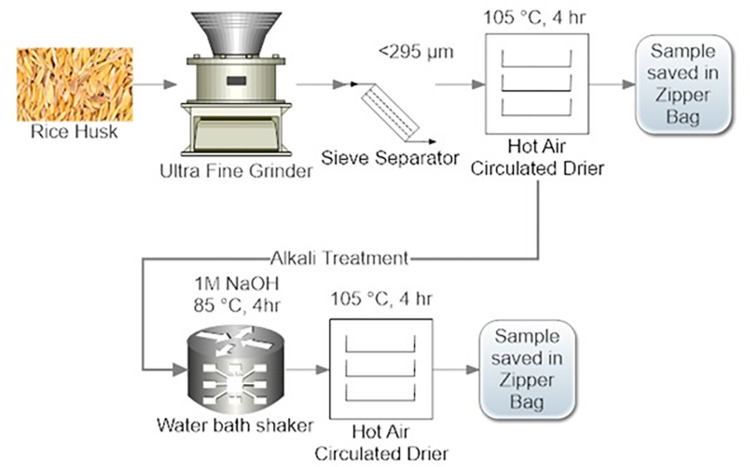
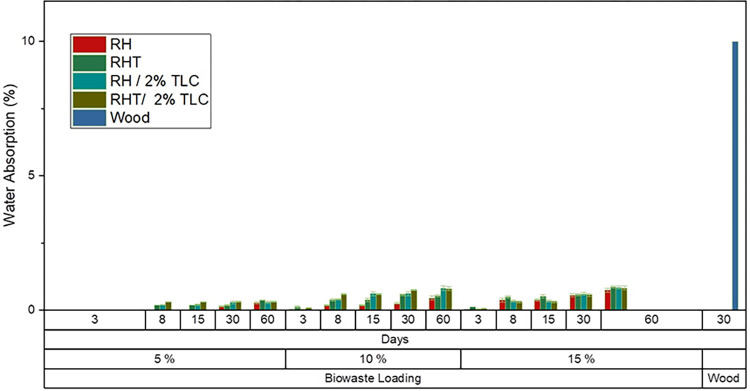
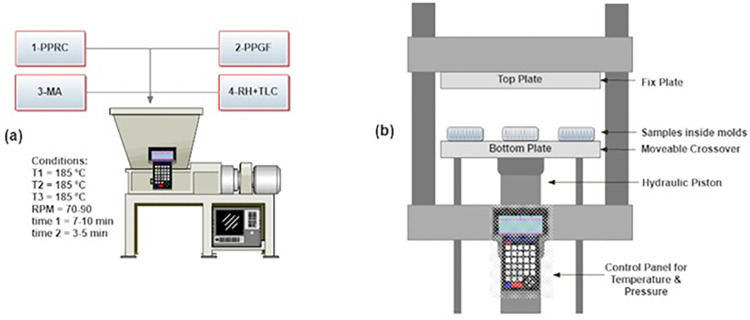
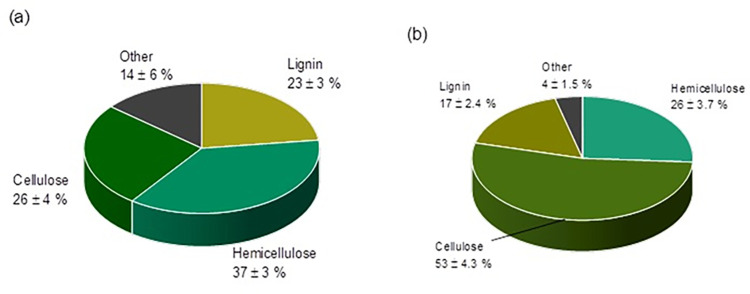
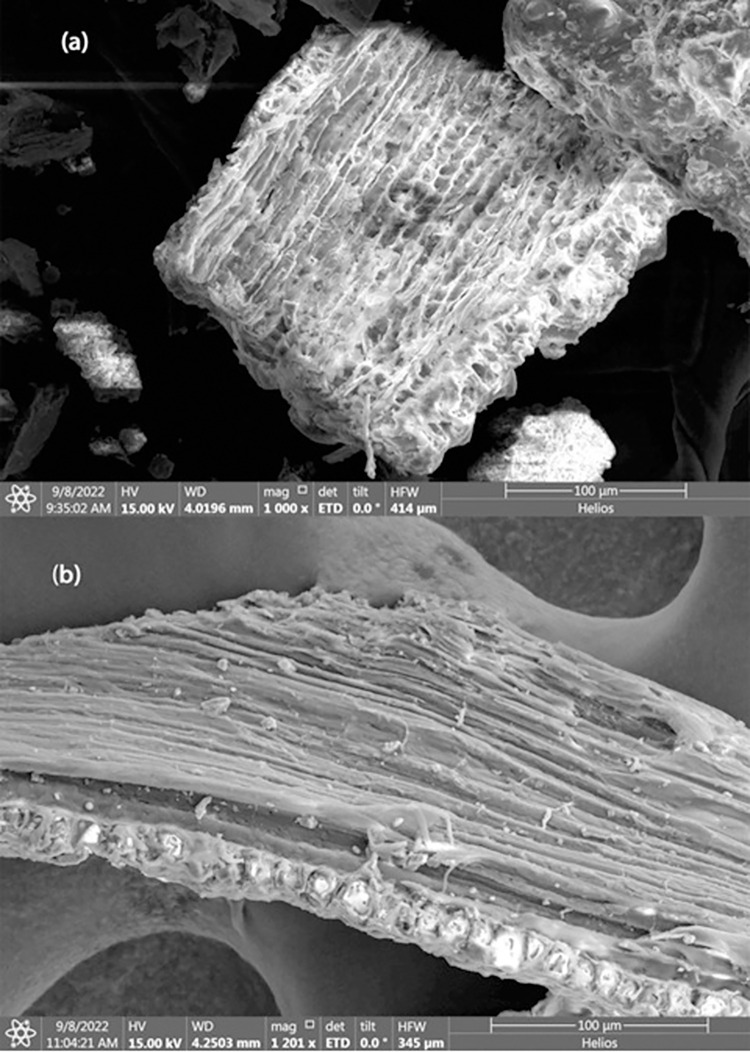
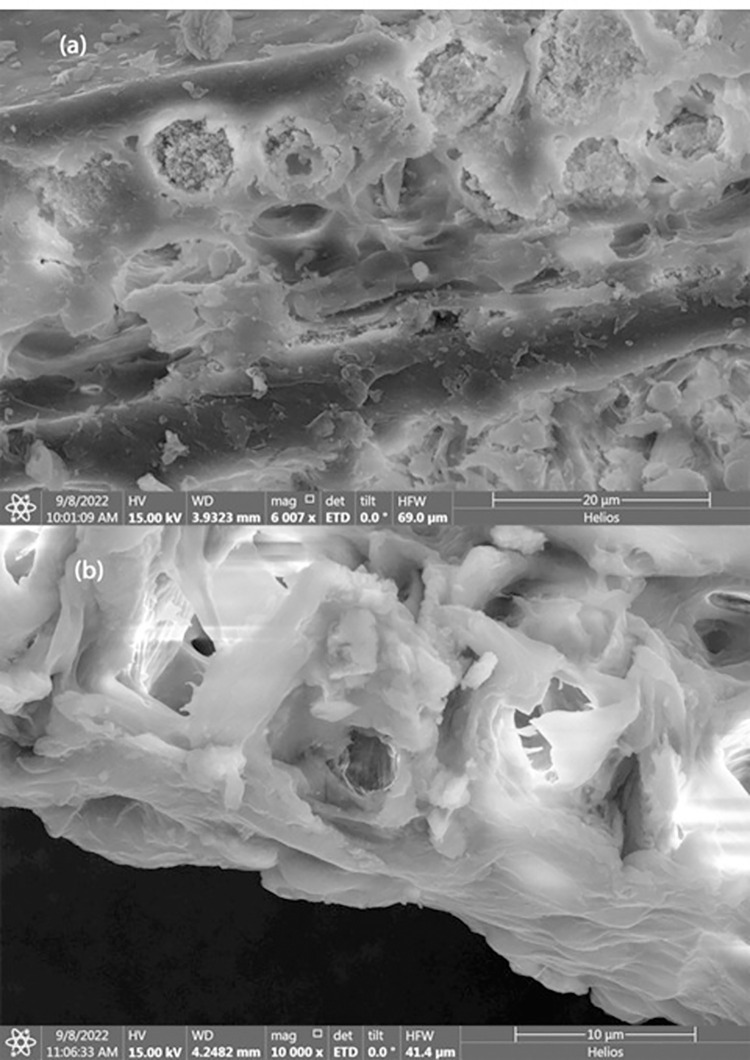
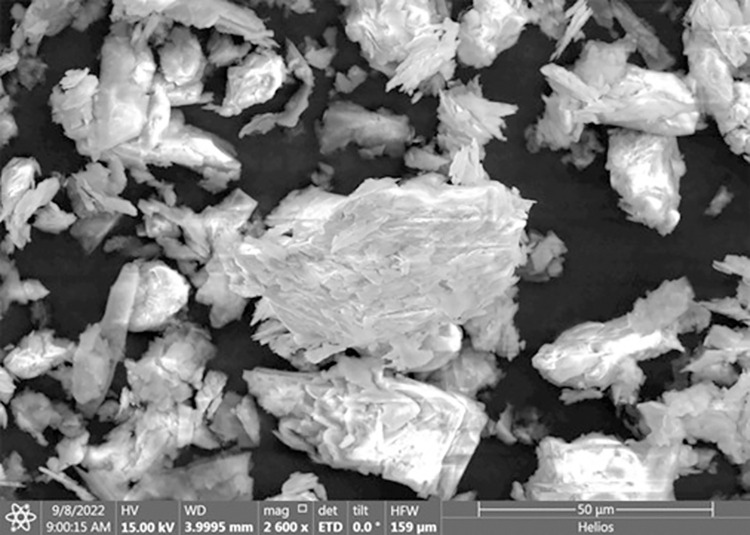
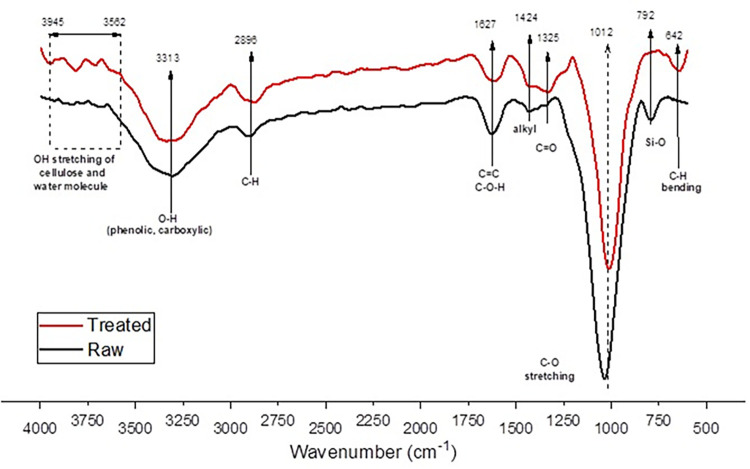
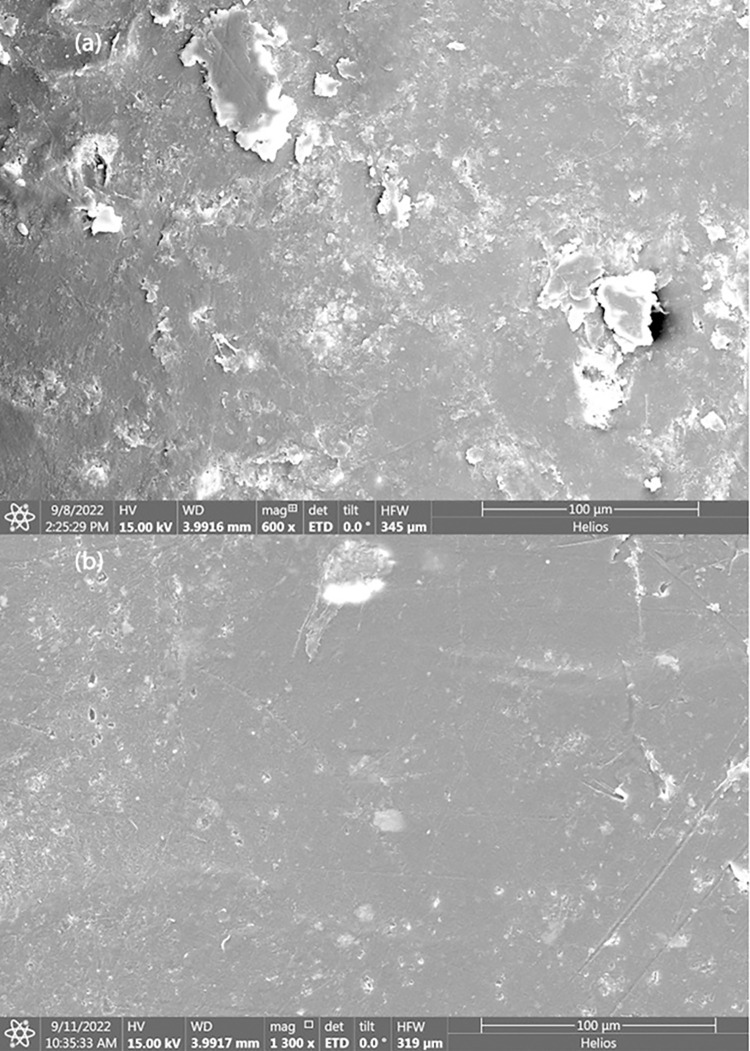
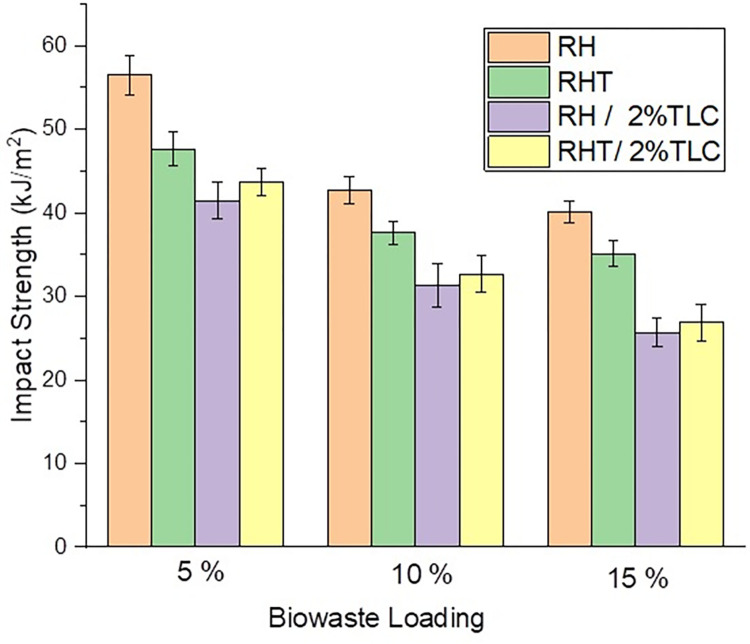
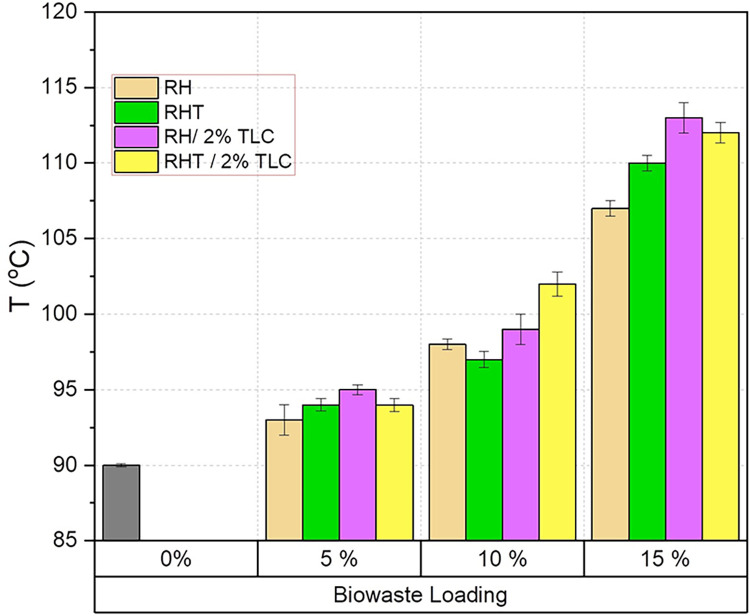
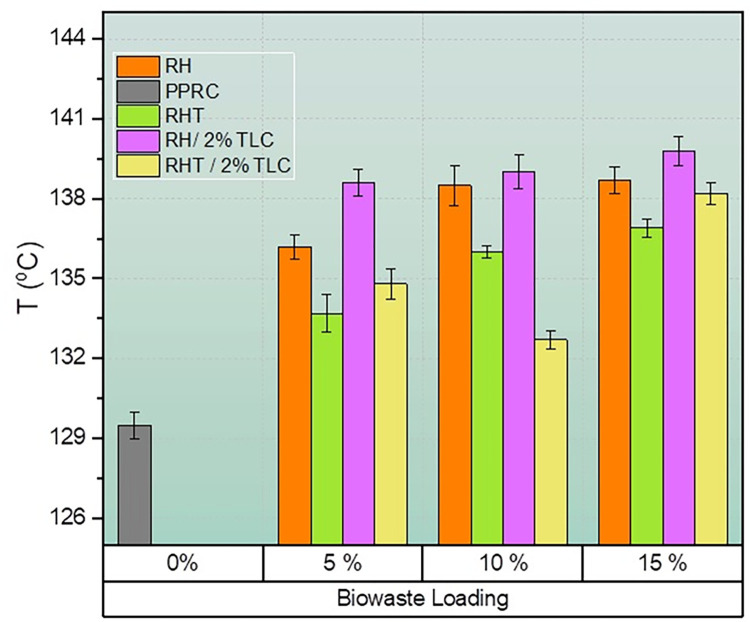
This study investigates the fabrication process of biocomposites and their resultant mechanical and thermal properties, essential for evaluating the performance of finished products. Polypropylene random copolymer (PPRC) was employed as the matrix phase, while rice husk (RH), a biowaste filler, was incorporated in varying concentrations. The rice husk fiber was treated with alkali (RHT) to enhance its lignocellulosic content. To improve interfacial bonding, maleic anhydride and NaOH treatment were utilized. Glass fiber grafted on polypropylene (PPGF) and talc powder functioned as additives. Both raw and treated rice husk fibers were characterized using Fourier-transform infrared spectroscopy (FTIR), field emission scanning electron microscopy (FESEM), and analytical methods to quantify the composition of lignin, cellulose, hemicellulose, and ash. Significant structural changes were observed, with cellulose content increasing from 26% to 53%. Wood polymer composites (WPC) produced from raw and treated rice husk were evaluated based on morphological studies, Izod impact testing, water absorption, heat distortion temperature (HDT), and VICAT softening temperature (VST). The results demonstrated that the HDT and VST of WPC improved by 24% and 7%, respectively, compared to PPRC, indicating enhanced structural and thermal properties. Additionally, impact strength and water absorption were found to be dependent on cellulose concentrations in the biocomposite. This study underscores the environmental benefits of utilizing biowaste rice husk in biocomposites, promoting sustainability by converting agricultural waste into valuable materials with enhanced properties for various industrial applications.
本研究探讨了生物复合材料的制造工艺及其力学和热学性能,这对于评估成品的性能至关重要。采用无规共聚聚丙烯(PPRC)作为基体相,同时以稻壳(RH)作为生物废料填料,以不同浓度掺入。稻壳纤维经过碱处理(RHT)以提高其木质纤维素含量。为了改善界面结合,采用马来酸酐和 NaOH 处理。玻璃纤维接枝聚丙烯(PPGF)和滑石粉作为添加剂。使用傅里叶变换红外光谱(FTIR)、场发射扫描电子显微镜(FESEM)和分析方法对原始和处理后的稻壳纤维进行了表征,以定量木质素、纤维素、半纤维素和灰分的组成。观察到明显的结构变化,纤维素含量从 26%增加到 53%。对原始和处理后的稻壳纤维制备的木塑复合材料(WPC)进行了形态研究、Izod 冲击试验、吸水率、热变形温度(HDT)和 Vicat 软化温度(VST)评估。结果表明,与 PPRC 相比,WPC 的 HDT 和 VST 分别提高了 24%和 7%,表明结构和热性能得到了增强。此外,冲击强度和吸水率取决于生物复合材料中纤维素的浓度。本研究强调了在生物复合材料中利用生物废料稻壳的环境效益,通过将农业废弃物转化为具有增强性能的有价值材料,促进了可持续性发展,可用于各种工业应用。