Department of Chronic Diseases and Metabolism (CHROMETA), Laboratory of Respiratory Diseases and Thoracic Surgery (BREATHE), KU Leuven, Leuven, Belgium.
Department of Thoracic Surgery, University Hospitals Leuven, Leuven, Belgium.
Transpl Int. 2024 Oct 30;37:12822. doi: 10.3389/ti.2024.12822. eCollection 2024.
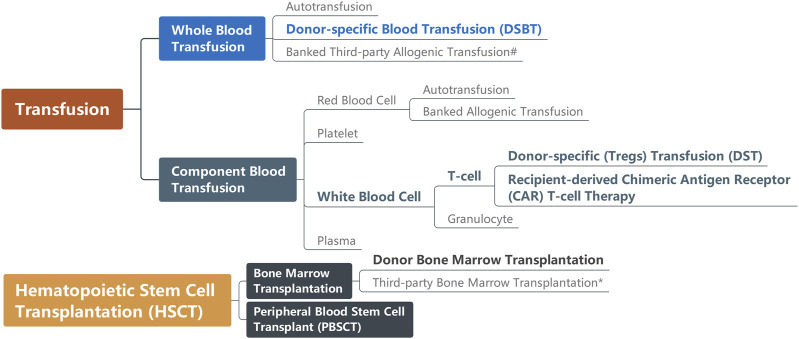
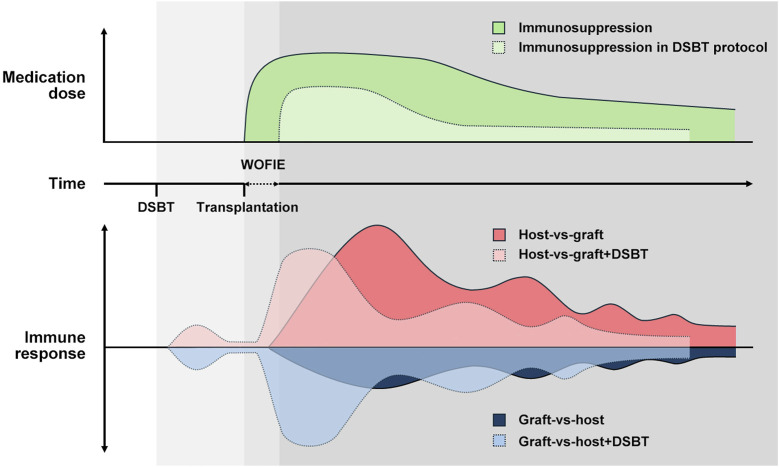
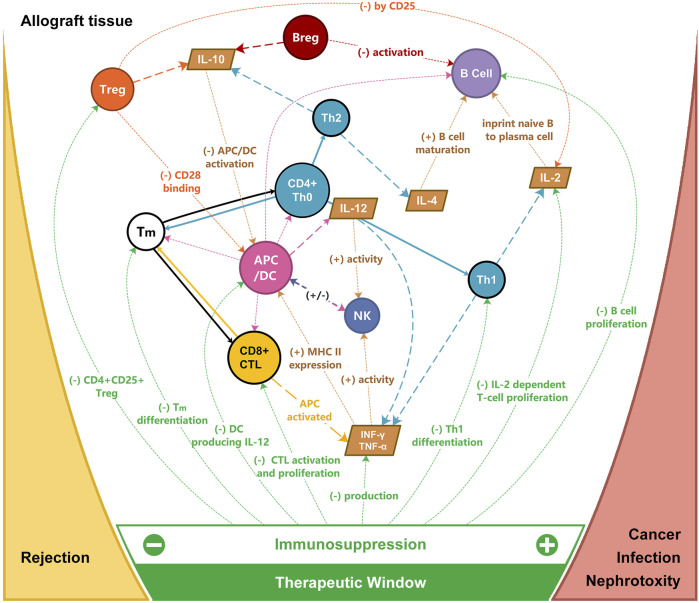
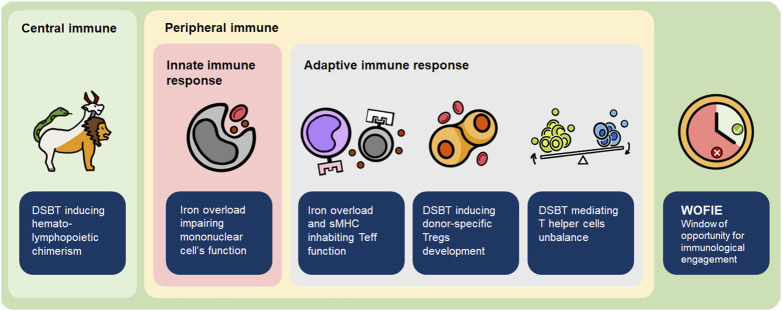
Lung transplantation is still hindered by a high rate of chronic rejection necessitating profound immunosuppression with its associated complications. Donor-specific blood transfusion is a pre-transplant strategy aimed at improving graft acceptance. In contrast with standard stored blood or donor-specific regulatory T cells transfusions, this approach utilizes fresh whole blood from the donor prior to allograft transplantation, encompassing all cell types and plasma. The precise mechanisms underlying donor-specific blood transfusion-induced tolerance remain incompletely understood. Associations with regulatory/helper T cells, modulation of mononuclear phagocytic cells or microchimerism have been suggested. While numerous (pre-)clinical studies have explored its application in solid organ transplants like liver, kidney, and intestine, limited attention has been given to the setting of lung transplantation. This comprehensive review summarizes existing knowledge on the mechanisms and outcomes of donor-specific blood transfusion in solid organ transplants both in preclinical and clinical settings. We also address the potential benefits and risks associated with donor-specific blood transfusion in the field of lung transplantation, offering insights into future research directions.
肺移植仍然受到慢性排斥反应高发生率的阻碍,需要进行深度免疫抑制治疗,而这会带来相关并发症。供者特异性输血是一种移植前策略,旨在提高移植物的接受度。与标准储存血液或供者特异性调节性 T 细胞输注不同,该方法在同种异体移植前使用供者的新鲜全血,包括所有细胞类型和血浆。供者特异性输血诱导耐受的确切机制尚不完全清楚。有人提出与调节性/辅助性 T 细胞有关,也有人提出与单核吞噬细胞或微嵌合体的调节有关。虽然许多(临床前)研究已经探索了其在肝、肾和肠等实体器官移植中的应用,但对肺移植的研究关注较少。这篇综述总结了供者特异性输血在临床前和临床实体器官移植中的机制和结果的现有知识。我们还讨论了供者特异性输血在肺移植领域的潜在益处和风险,为未来的研究方向提供了思路。