Department of Veterinary Pathology, Faculty of Veterinary Medicine, University of Ibadan, Ibadan, Nigeria.
Department of Veterinary Pathology, Faculty of Veterinary Medicine, University of Ilorin, Ilorin, Nigeria.
Open Vet J. 2024 Sep;14(9):2381-2391. doi: 10.5455/OVJ.2024.v14.i9.26. Epub 2024 Sep 30.
After the first Avian Influenza H5N1 outbreak in Nigerian poultry in 2006, subsequent waves of outbreaks occurred, causing substantial losses. Despite effective control measures by 2008, a resurgence in 2015 led to further losses and required depopulation efforts.
The aim of this study was to do pathology and molecular detection of influenza A subtype H9N2 virus in commercial poultry in Nigeria during 2024.
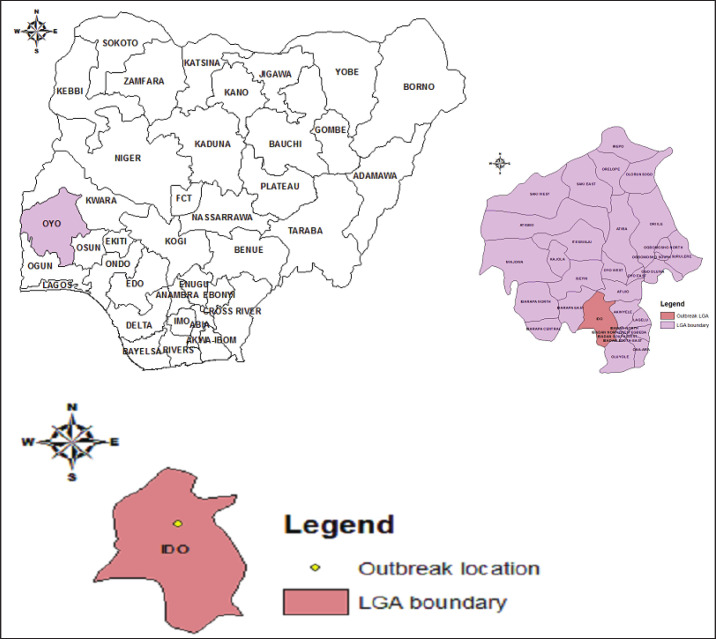
In February 2024, a poultry farmer reported high mortality in his mixed commercial poultry flock in Ibadan, Nigeria, submitting carcasses to the University of Ibadan's V.T.H. and the FAO Regional Laboratory at National Veterinary Research Institute (NVRI), Vom.
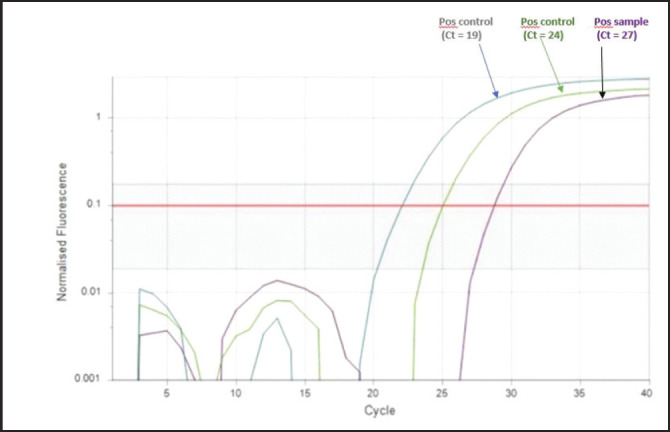
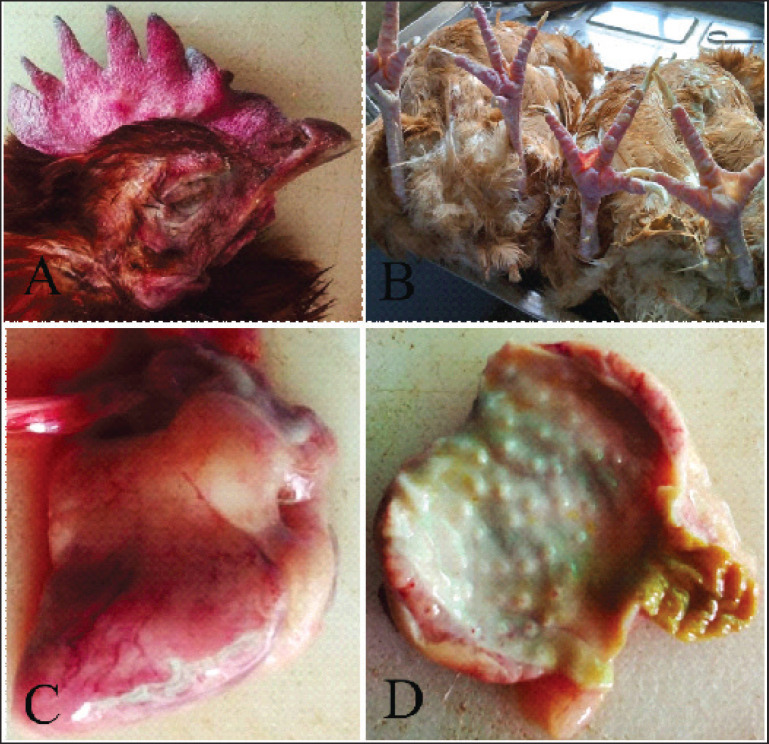
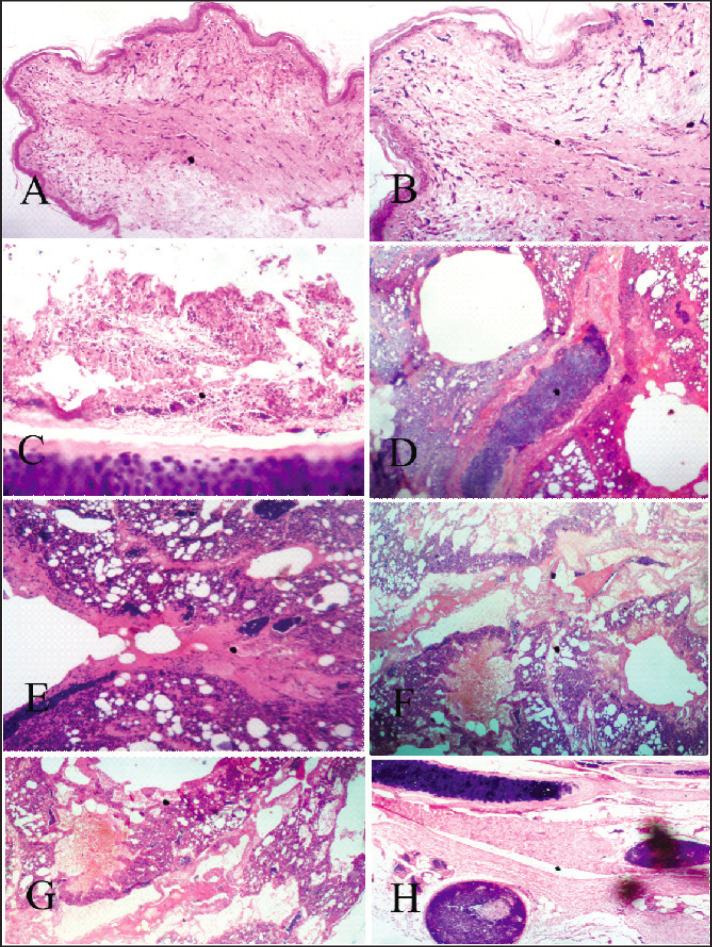
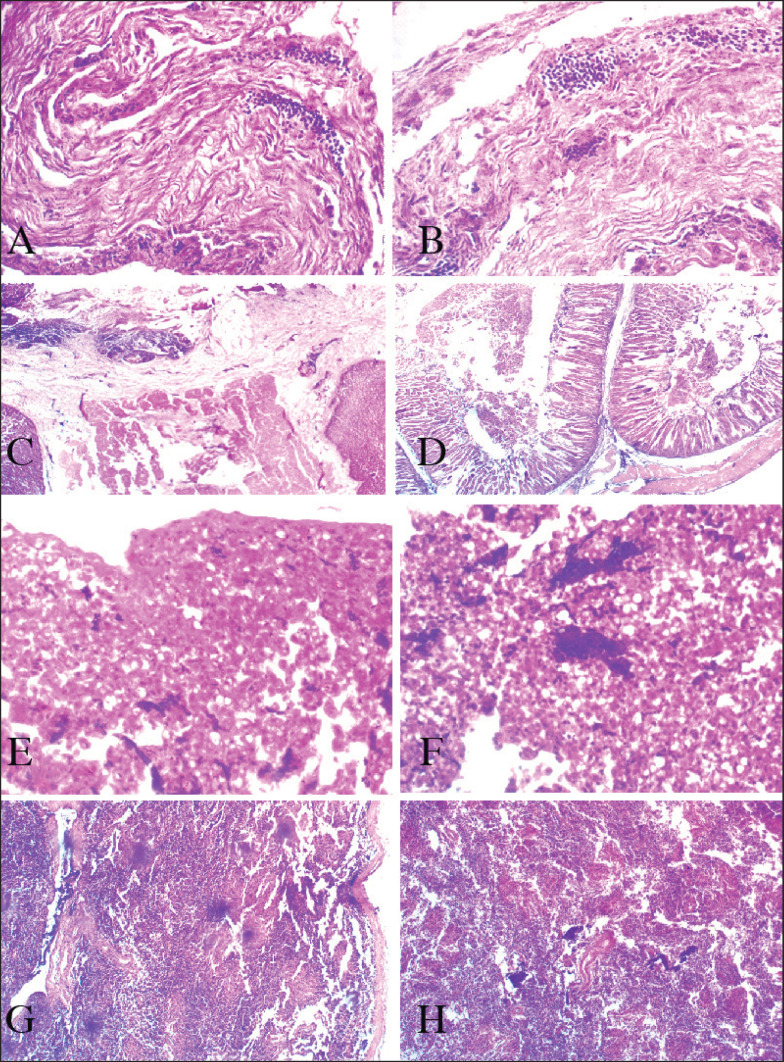
Necropsy of nine Isa Brown layers and three Abor Acre broilers revealed cyanosis of comb and wattles, generalized petechial and ecchymotic hemorrhages including shank hemorrhages with sinusitis, pneumonia, and severe greenish fecal pasting also observed. At histopathology, denudation of the tracheal epithelia and parabronchial epithelial necrosis, obliteration, with airsac edema and emphysema were observed. At NVRI, qPCR detected an Influenza A H9N2 virus in several pooled organ samples of layers, and broilers and eliminating the avian infectious bronchitis and Newcastle disease viruses.
This is the first report of an H9N2 outbreak in commercial poultry in Southern Nigeria. The high pathogenicity shown in commercial poultry in this outbreak and the risk of dispersal of infected live poultry in Nigeria as previously seen in H5N1 require stakeholders' intervention.
2006 年尼日利亚家禽首次爆发 H5N1 禽流感后,随后又爆发了几波疫情,造成了巨大的损失。尽管 2008 年采取了有效的控制措施,但 2015 年的疫情再次爆发,导致了进一步的损失,并需要进行扑杀。
本研究旨在 2024 年对尼日利亚商业家禽中的甲型流感 H9N2 病毒进行病理学和分子检测。
2024 年 2 月,一名家禽饲养员报告称,他在尼日利亚伊巴丹的混合商业家禽养殖场死亡率很高,将尸体送到了伊巴丹大学的兽医教学医院和粮农组织区域实验室在国家兽医研究所(NVRI),沃姆。
对 9 只 Isa Brown 层鸡和 3 只 Abor Acre 肉鸡的剖检显示鸡冠和肉垂发绀,广泛出现瘀点和瘀斑出血,包括小腿出血伴窦炎、肺炎和严重的绿色粪便粘贴,也观察到。在组织病理学上,观察到气管上皮和副支气管上皮的剥脱和坏死,闭塞,伴有气囊水肿和肺气肿。在 NVRI,qPCR 在层鸡和肉鸡的几个混合器官样本中检测到甲型流感 H9N2 病毒,排除了禽传染性支气管炎和新城疫病毒。
这是尼日利亚南部商业家禽中首次报告 H9N2 疫情。此次疫情中商业家禽表现出的高致病性以及尼日利亚此前 H5N1 疫情中感染活禽传播的风险,需要利益相关者的干预。