Aluru Neelakanteswar, Venkataraman Yaamini R, Murray Christopher S, DePascuale Veronica
Biology Department, Woods Hole, Massachusetts 02543.
Woods Hole Center for Oceans and Human Health Woods Hole Oceanographic Institution, Woods Hole, Massachusetts 02543.
bioRxiv. 2024 Nov 2:2024.11.01.620405. doi: 10.1101/2024.11.01.620405.
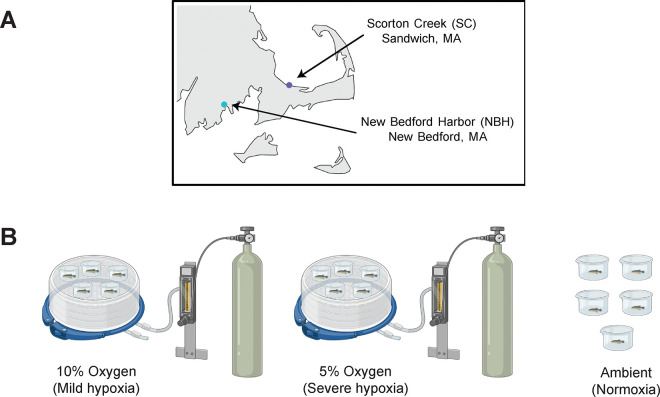
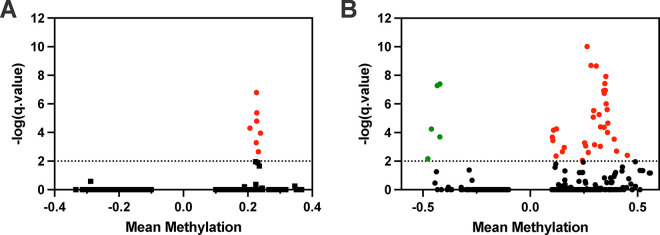
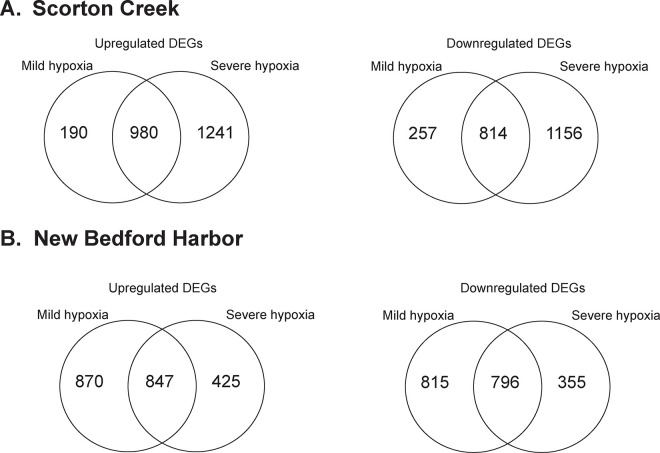
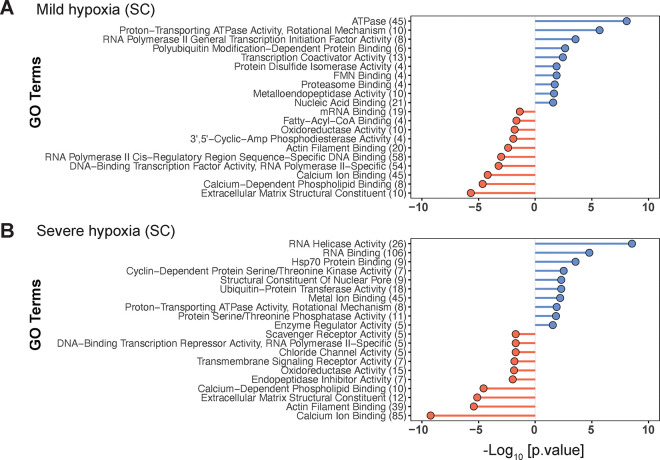
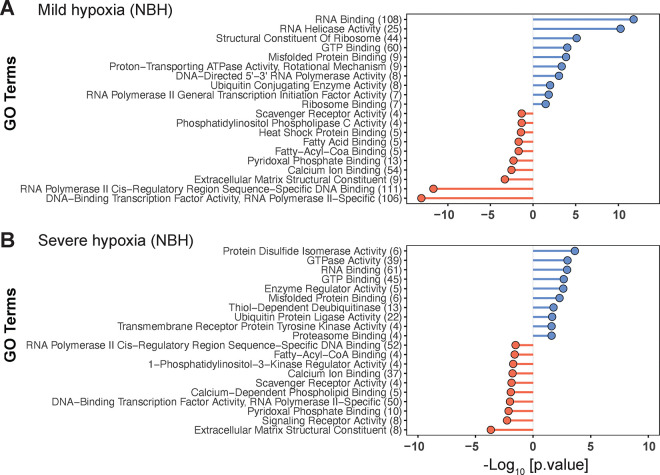
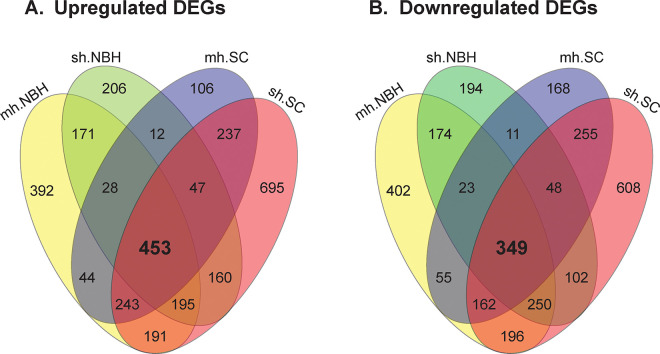
Coastal fish populations are threatened by multiple anthropogenic impacts, including the accumulation of industrial contaminants and the increasing frequency of hypoxia. Some populations of the Atlantic killifish (), like those in New Bedford Harbor (NBH), Massachusetts, have evolved a resistance to dioxin-like polychlorinated biphenyls (PCBs) that may influence their ability to cope with secondary stressors. To address this question, we compared hepatic gene expression and DNA methylation patterns in response to mild or severe hypoxia in killifish from NBH and Scorton Creek (SC), a reference population from a relatively pristine environment. We hypothesized that NBH fish would show altered responses to hypoxia due to trade-offs linked to toxicant resistance. Our results revealed substantial differences between populations. SC fish demonstrated a dose-dependent changes in gene expression in response to hypoxia, while NBH fish exhibited a muted transcriptional response to severe hypoxia. Interestingly, NBH fish showed significant DNA methylation changes in response to hypoxia, while SC fish did not exhibit notable epigenetic alterations. These findings suggest that toxicant-adapted killifish may face trade-offs in their molecular response to environmental stress, potentially impacting their ability to survive severe hypoxia in coastal habitats. Further research is needed to elucidate the functional implications of these epigenetic modifications and their role in adaptive stress responses.
沿海鱼类种群受到多种人为影响的威胁,包括工业污染物的积累和缺氧频率的增加。一些大西洋鳉鱼种群,比如马萨诸塞州新贝德福德港(NBH)的种群,已经进化出对二噁英类多氯联苯(PCBs)的抗性,这可能会影响它们应对次生应激源的能力。为了解决这个问题,我们比较了来自NBH和斯科顿溪(SC)(一个相对原始环境的参照种群)的鳉鱼在轻度或重度缺氧情况下的肝脏基因表达和DNA甲基化模式。我们假设NBH的鱼类由于与毒物抗性相关的权衡,对缺氧会表现出不同的反应。我们的结果揭示了种群之间的显著差异。SC的鱼类在缺氧时表现出基因表达的剂量依赖性变化,而NBH的鱼类对严重缺氧表现出微弱的转录反应。有趣的是,NBH的鱼类在缺氧时表现出显著的DNA甲基化变化,而SC的鱼类没有表现出明显的表观遗传改变。这些发现表明,适应毒物的鳉鱼在对环境应激的分子反应中可能面临权衡,这可能会影响它们在沿海栖息地中在严重缺氧情况下生存的能力。需要进一步的研究来阐明这些表观遗传修饰的功能意义及其在适应性应激反应中的作用。