Heo Dongeun, Kim Anya A, Neumann Björn, Doze Valerie N, Xu Yu Kang T, Mironova Yevgeniya A, Slosberg Jared, Goff Loyal A, Franklin Robin J M, Bergles Dwight E
The Solomon H. Snyder Department of Neuroscience, Johns Hopkins University, Baltimore, MD 21205, USA.
Wellcome-Medical Research Council Cambridge Stem Cell Institute, University of Cambridge, Cambridge, UK.
bioRxiv. 2024 Oct 28:2024.10.27.620502. doi: 10.1101/2024.10.27.620502.
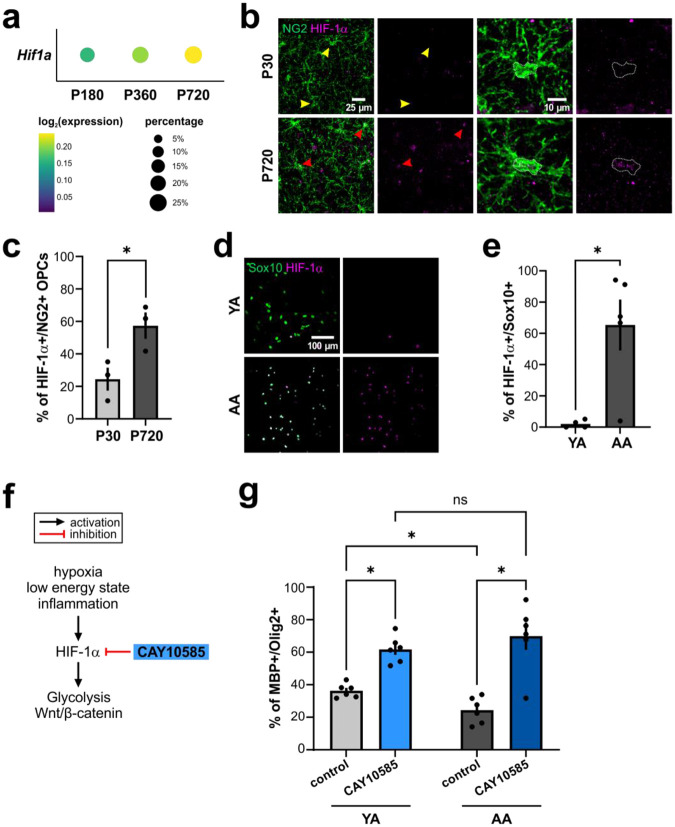
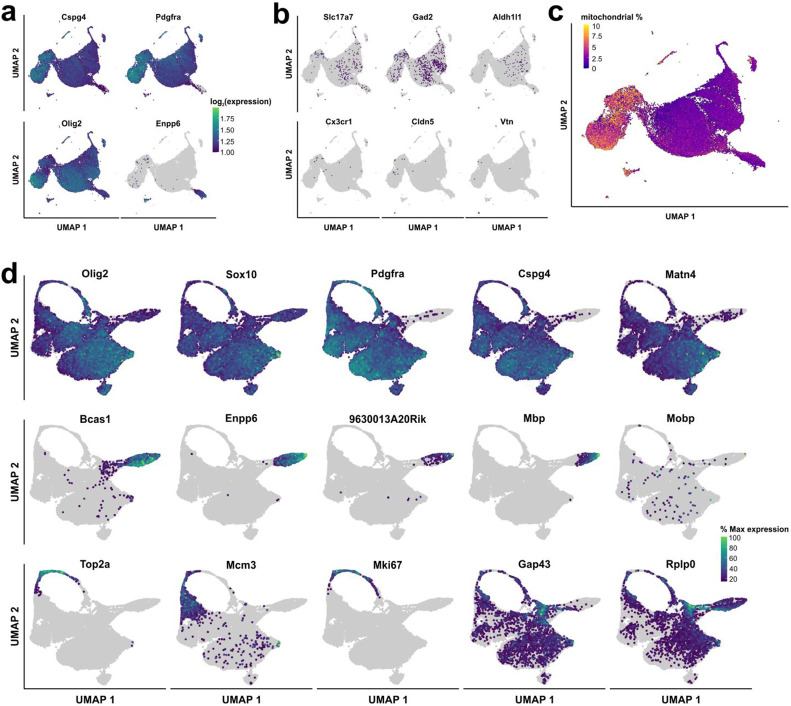
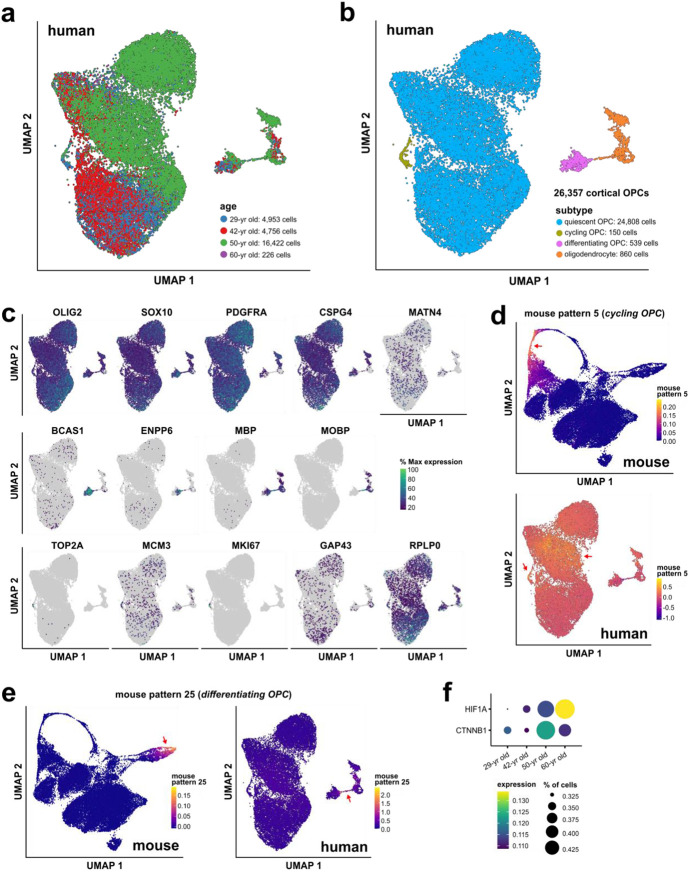
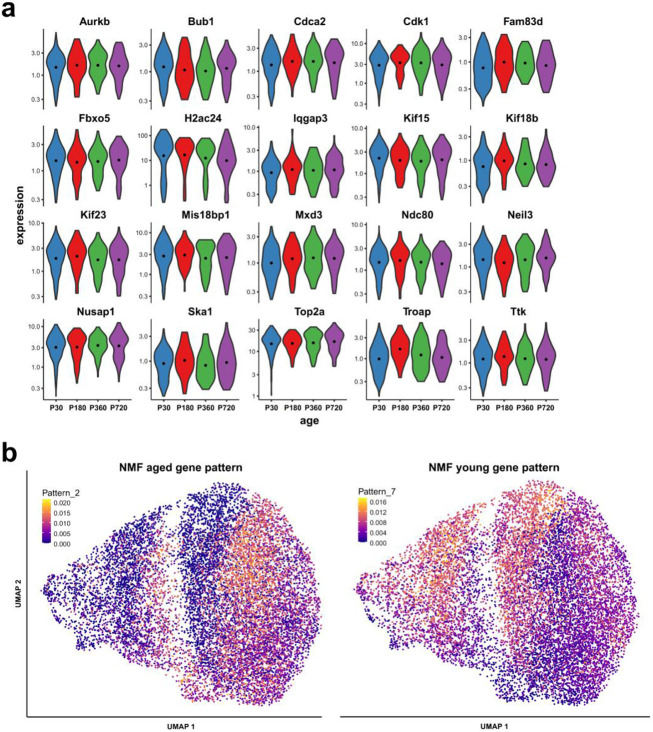
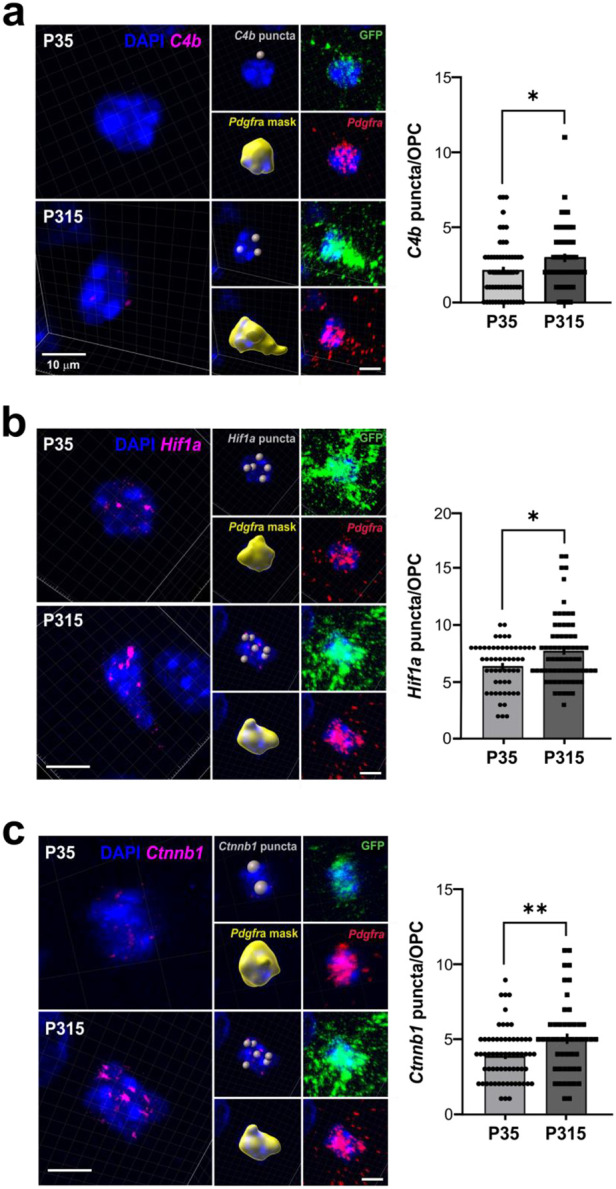
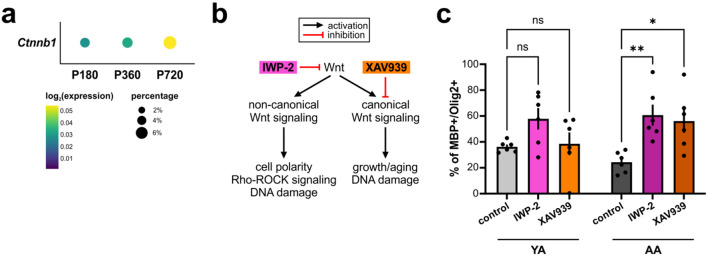
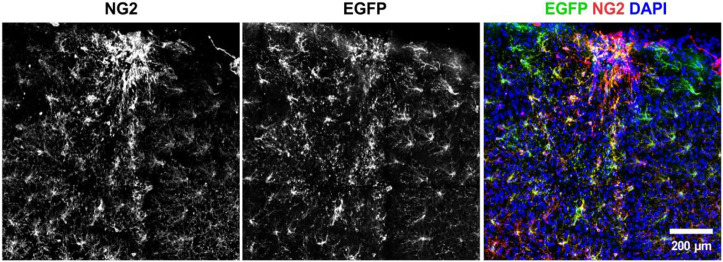
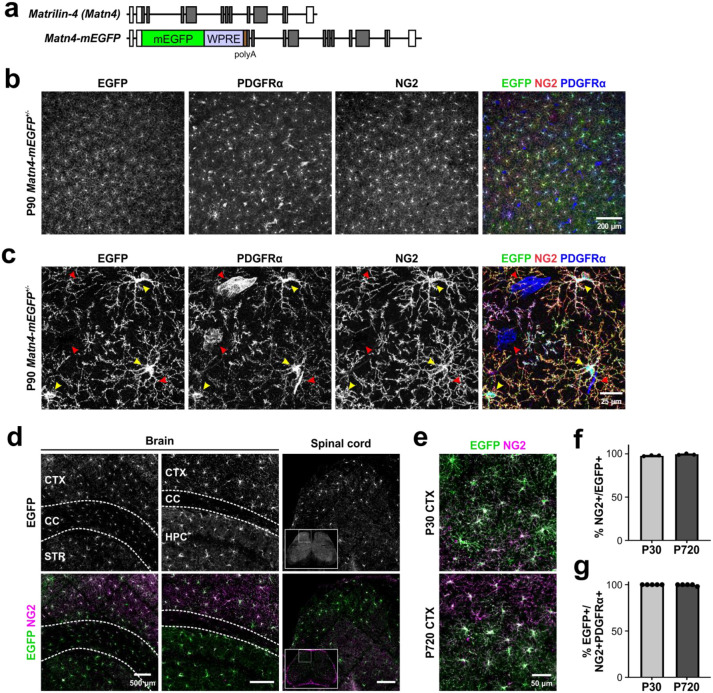
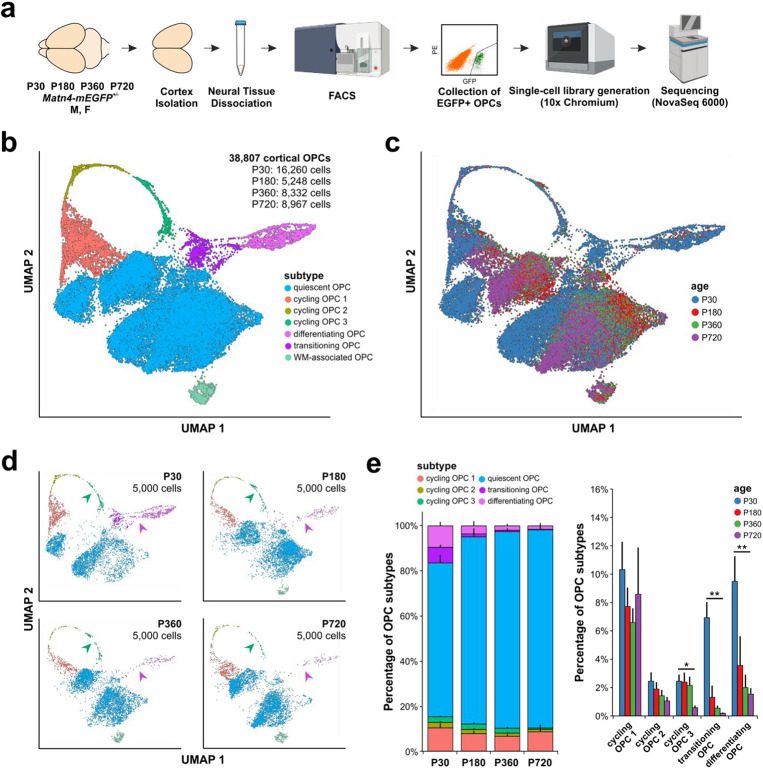
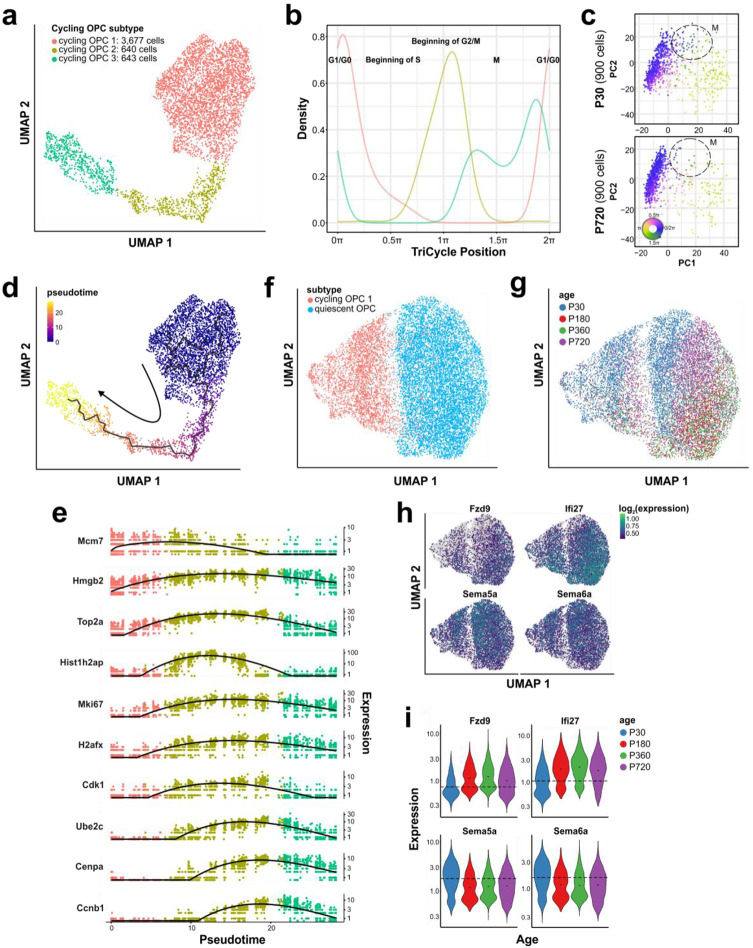
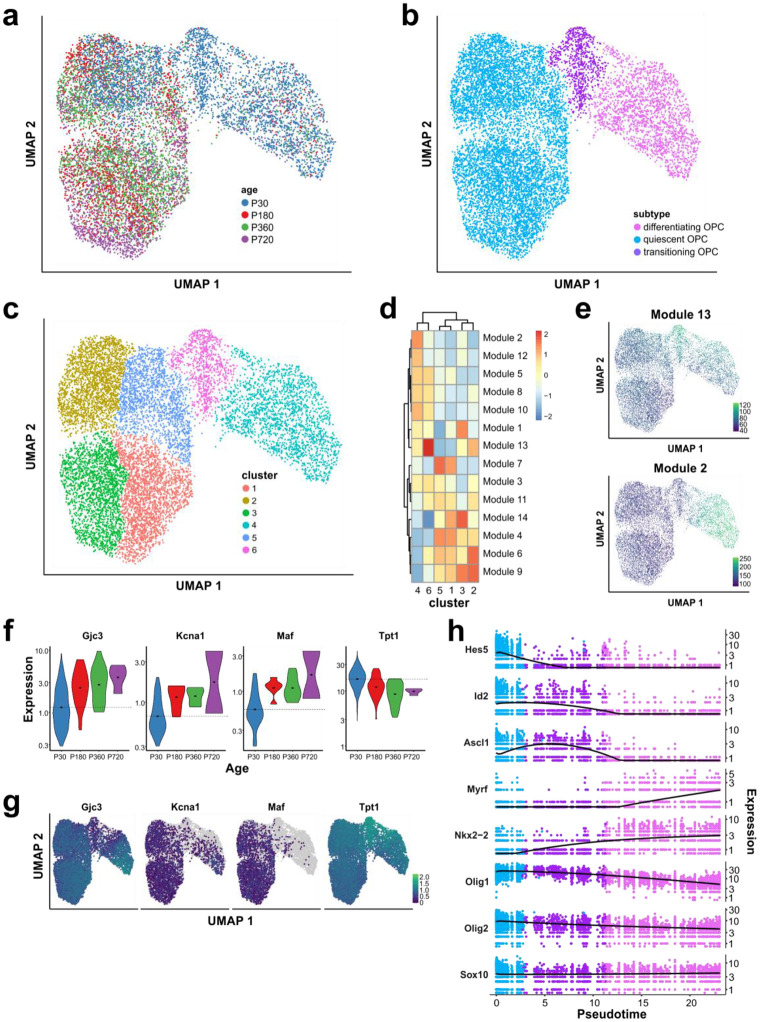
Oligodendrocyte progenitor cells (OPCs) are highly dynamic, widely distributed glial cells of the central nervous system (CNS) that are responsible for generating myelinating oligodendrocytes during development. By also generating new oligodendrocytes in the adult CNS, OPCs allow formation of new myelin sheaths in response to environmental and behavioral changes and play a crucial role in regenerating myelin following demyelination (remyelination). However, the rates of OPC proliferation and differentiation decline dramatically with aging, which may impair homeostasis, remyelination, and adaptive myelination during learning. To determine how aging influences OPCs, we generated a novel transgenic mouse line that expresses membrane-anchored EGFP under the endogenous promoter/enhancer of Matrilin-4 () and performed high-throughput single-cell RNA sequencing, providing enhanced resolution of transcriptional changes during key transitions from quiescence to proliferation and differentiation across the lifespan. Comparative analysis of OPCs isolated from mice aged 30 to 720 days, revealed that aging induces distinct inflammatory transcriptomic changes in OPCs in different states, including enhanced activation of HIF-1α and Wnt pathways. Inhibition of these pathways in acutely isolated OPCs from aged animals restored their ability to differentiate, suggesting that this enhanced signaling may contribute to the decreased regenerative potential of OPCs with aging. This mouse line and single-cell mRNA datasets of cortical OPCs across ages help to define the molecular changes guiding their behavior in various physiological and pathological contexts.
少突胶质前体细胞(OPCs)是中枢神经系统(CNS)中高度动态、广泛分布的神经胶质细胞,在发育过程中负责生成髓鞘少突胶质细胞。通过在成年中枢神经系统中也产生新的少突胶质细胞,OPCs能够响应环境和行为变化形成新的髓鞘,并在脱髓鞘后的髓鞘再生(再髓鞘化)中发挥关键作用。然而,随着年龄的增长,OPCs的增殖和分化速率急剧下降,这可能会损害学习过程中的稳态、再髓鞘化和适应性髓鞘形成。为了确定衰老如何影响OPCs,我们构建了一种新型转基因小鼠品系,该品系在Matrilin-4()的内源性启动子/增强子下表达膜锚定的EGFP,并进行了高通量单细胞RNA测序,从而在从静止到增殖和分化的关键转变过程中,跨生命周期提供了更高分辨率的转录变化。对30至720天龄小鼠分离出的OPCs进行比较分析,发现衰老会在不同状态的OPCs中诱导明显的炎症转录组变化,包括HIF-1α和Wnt信号通路的激活增强。抑制老龄动物急性分离的OPCs中的这些信号通路可恢复其分化能力,这表明这种增强的信号传导可能导致随着年龄增长OPCs再生潜力下降。这种小鼠品系以及不同年龄段皮质OPCs的单细胞mRNA数据集有助于确定在各种生理和病理背景下指导其行为的分子变化。