Hu Jiangting, Nieminen Anna-Liisa, Zhong Zhi, Lemasters John J
Center for Cell Death, Injury & Regeneration, Medical University of South Carolina, Charleston, SC 29425, USA.
Department of Drug Discovery & Biomedical Sciences, Medical University of South Carolina, Charleston, SC 29425, USA.
Livers. 2024 Sep;4(3):333-351. doi: 10.3390/livers4030024. Epub 2024 Jul 30.
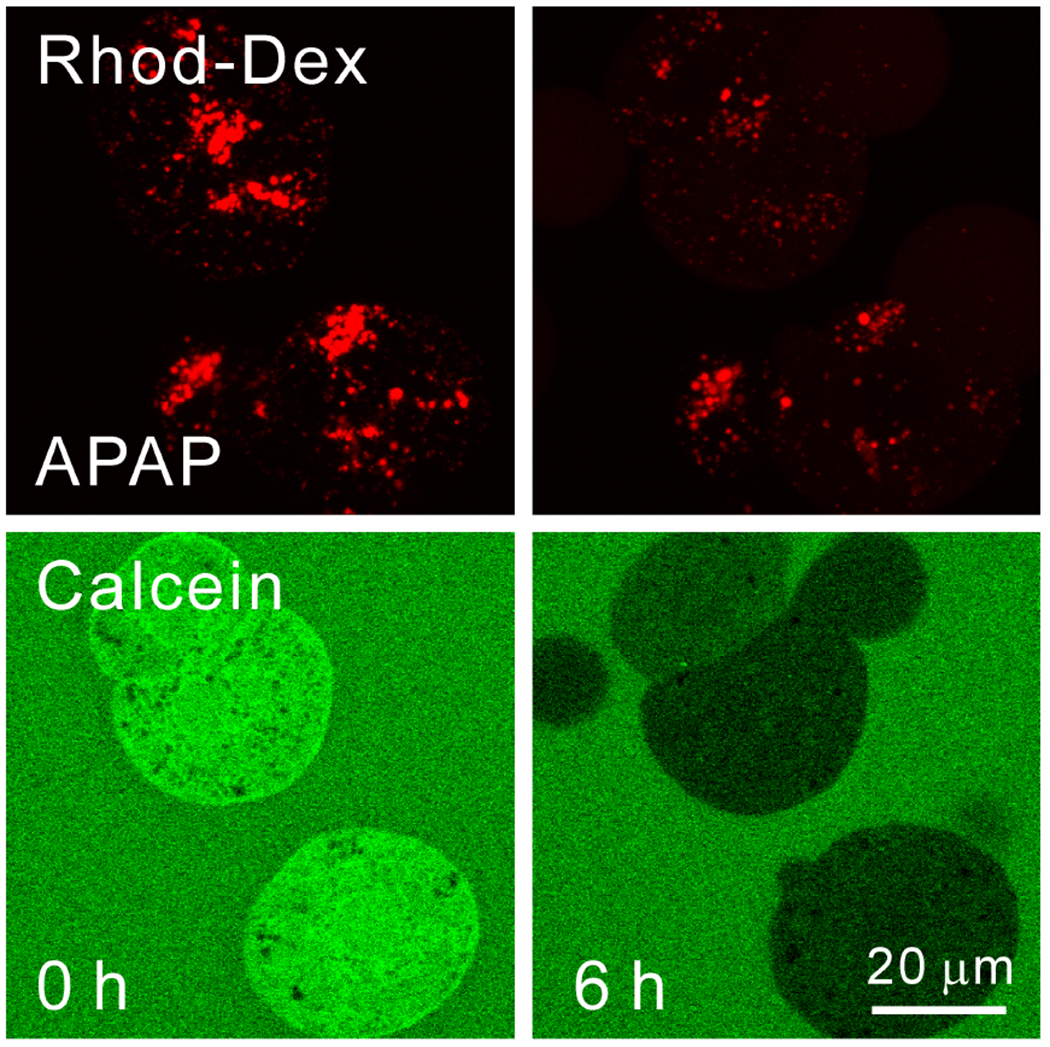
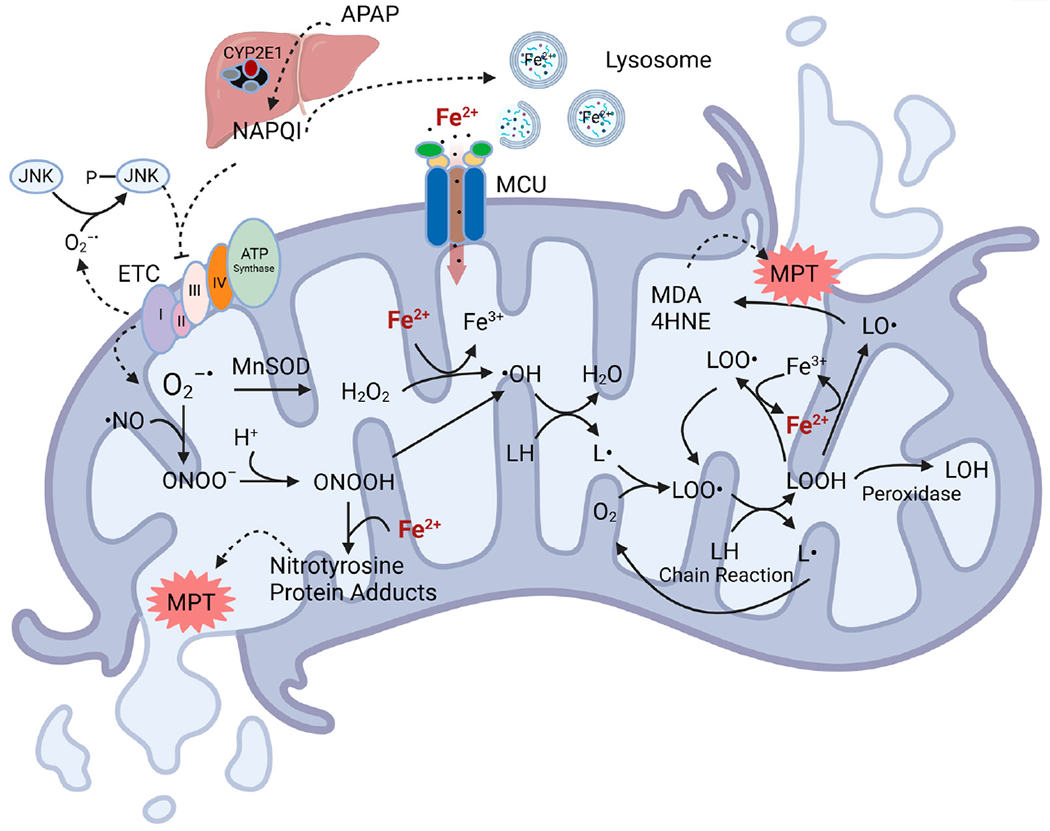
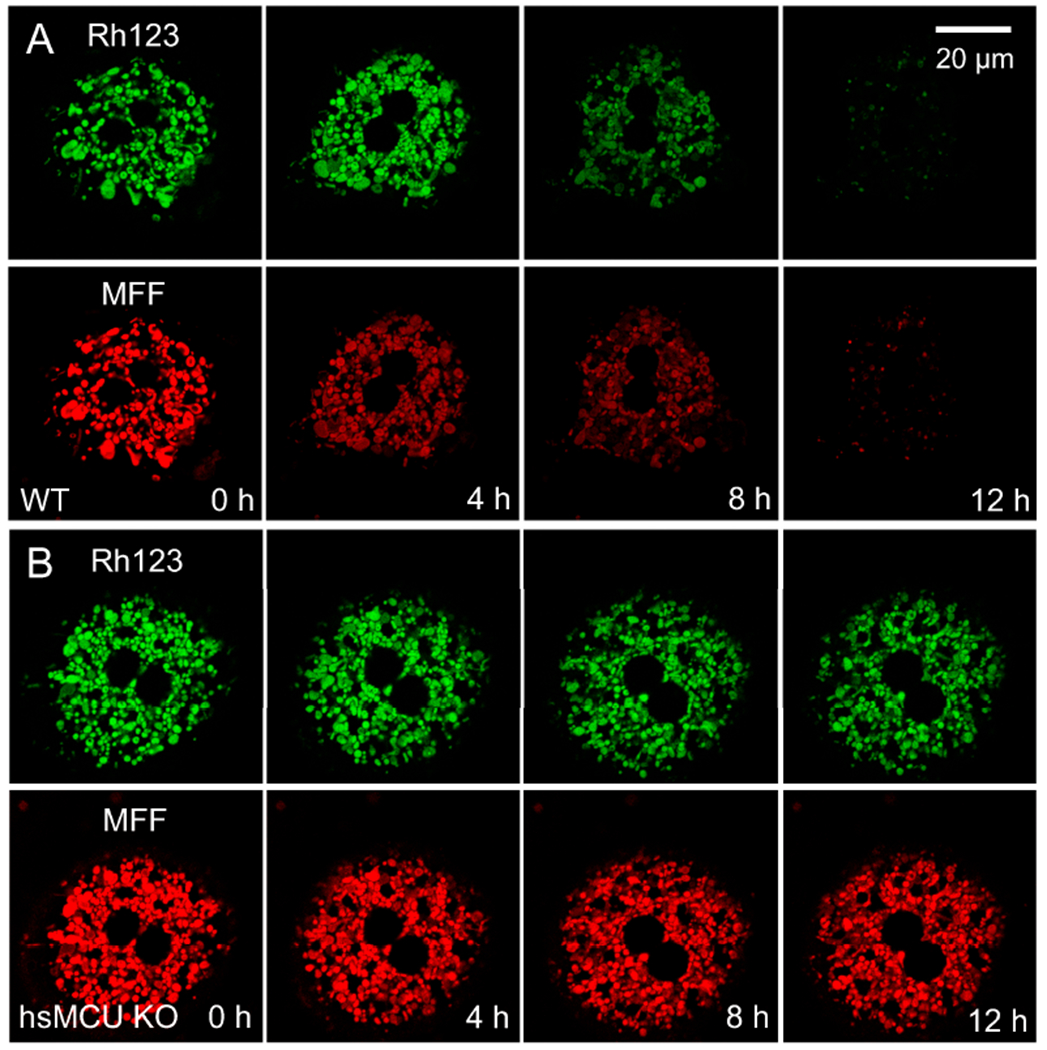
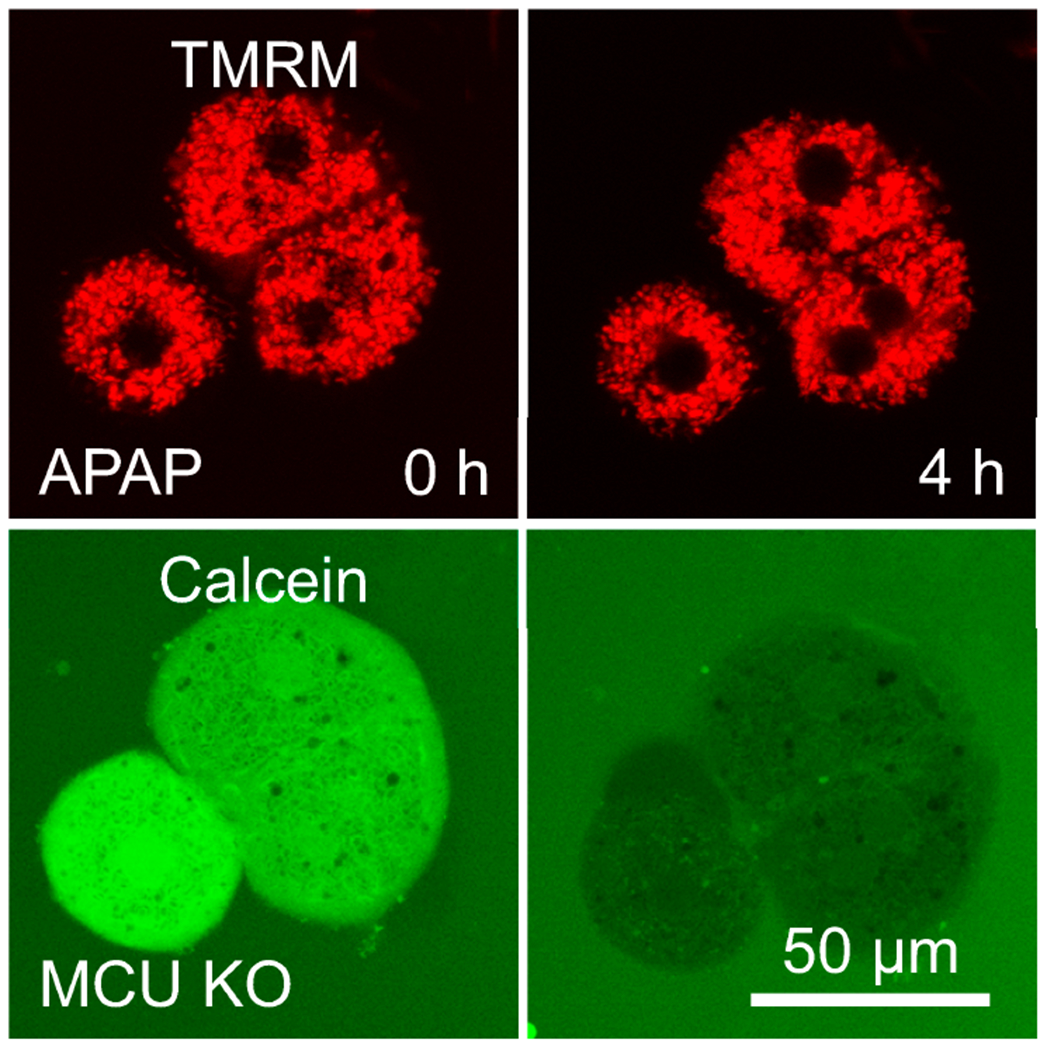
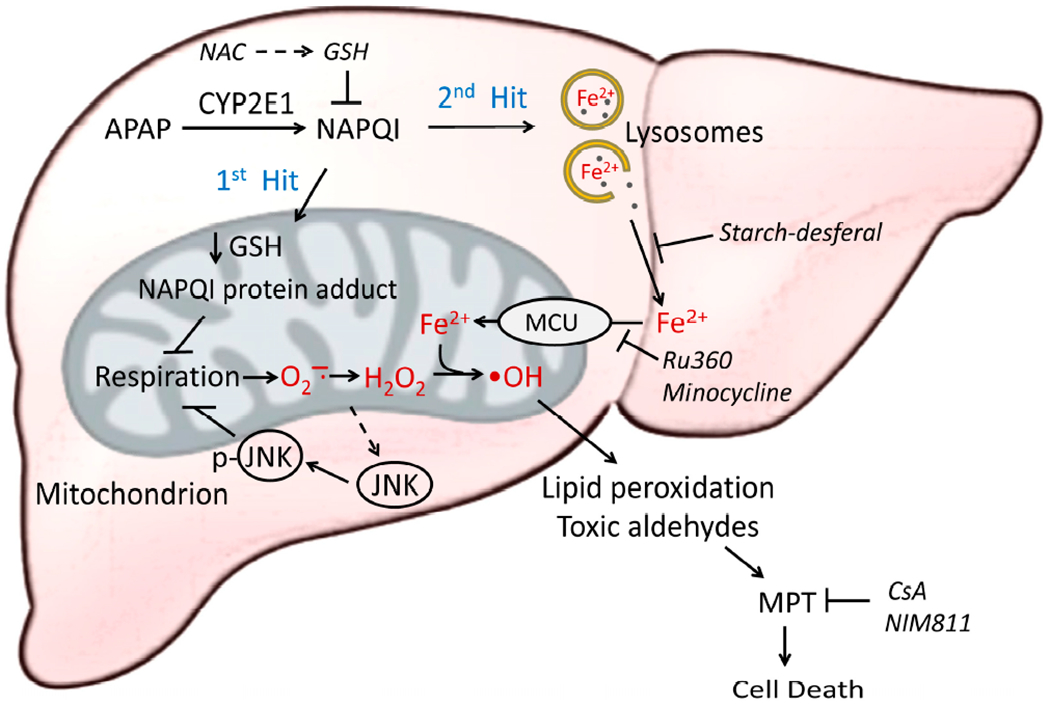
Overdose of acetaminophen (APAP) produces fulminant hepatic necrosis. The underlying mechanism of APAP hepatotoxicity involves mitochondrial dysfunction, including mitochondrial oxidant stress and the onset of mitochondrial permeability transition (MPT). Reactive oxygen species (ROS) play an important role in APAP-induced hepatotoxicity, and iron is a critical catalyst for ROS formation. This review summarizes the role of mitochondrial ROS formation in APAP hepatotoxicity and further focuses on the role of iron. Normally, hepatocytes take up Fe-transferrin bound to transferrin receptors via endocytosis. Concentrated into lysosomes, the controlled release of iron is required for the mitochondrial biosynthesis of heme and non-heme iron-sulfur clusters. After APAP overdose, the toxic metabolite, NAPQI, damages lysosomes, causing excess iron release and the mitochondrial uptake of Fe by the mitochondrial calcium uniporter (MCU). NAPQI also inhibits mitochondrial respiration to promote ROS formation, including HO, with which Fe reacts to form highly reactive •OH through the Fenton reaction. •OH, in turn, causes lipid peroxidation, the formation of toxic aldehydes, induction of the MPT, and ultimately, cell death. Fe also facilitates protein nitration. Targeting pathways of mitochondrial iron movement and consequent iron-dependent mitochondrial ROS formation is a promising strategy to intervene against APAP hepatotoxicity in a clinical setting.
对乙酰氨基酚(APAP)过量会导致暴发性肝坏死。APAP肝毒性的潜在机制涉及线粒体功能障碍,包括线粒体氧化应激和线粒体通透性转换(MPT)的发生。活性氧(ROS)在APAP诱导的肝毒性中起重要作用,而铁是ROS形成的关键催化剂。本综述总结了线粒体ROS形成在APAP肝毒性中的作用,并进一步聚焦于铁的作用。正常情况下,肝细胞通过内吞作用摄取与转铁蛋白受体结合的转铁蛋白铁。铁被浓缩到溶酶体中,血红素和非血红素铁硫簇的线粒体生物合成需要铁的可控释放。APAP过量后,有毒代谢产物NAPQI会损伤溶酶体,导致铁过量释放,线粒体通过线粒体钙单向转运体(MCU)摄取铁。NAPQI还会抑制线粒体呼吸以促进ROS形成,包括HO,铁与HO通过芬顿反应反应形成高活性的•OH。•OH进而导致脂质过氧化、有毒醛类的形成、MPT的诱导,最终导致细胞死亡。铁还会促进蛋白质硝化。针对线粒体铁转运途径以及随之而来的铁依赖性线粒体ROS形成的靶向治疗,是在临床环境中干预APAP肝毒性的一种有前景的策略。