Laboratory of Proteolysis and Post-translational Modification of Proteins, Malopolska Centre of Biotechnology, Jagiellonian University, Gronostajowa 7a, Krakow, 30-387, Poland.
Department of Microbiology, Faculty of Biochemistry, Biophysics and Biotechnology, Jagiellonian University, Gronostajowa 7, Krakow, 30-387, Poland.
Sci Rep. 2024 Nov 19;14(1):28652. doi: 10.1038/s41598-024-74891-7.
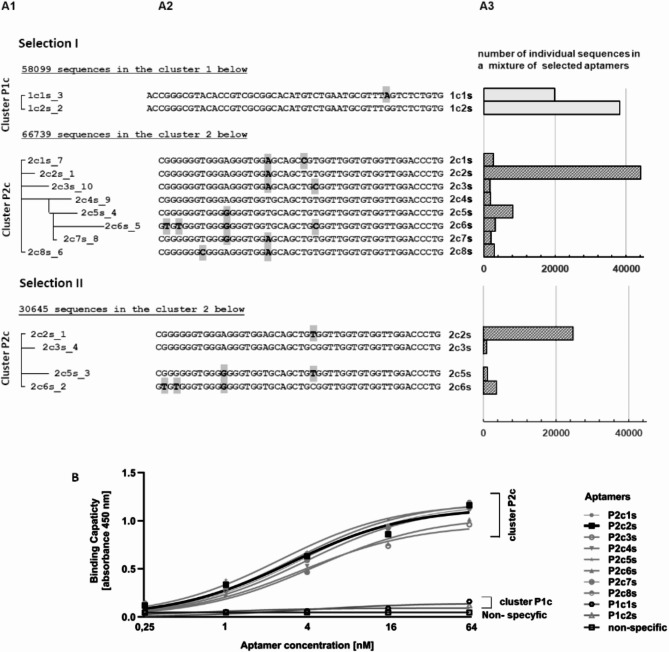
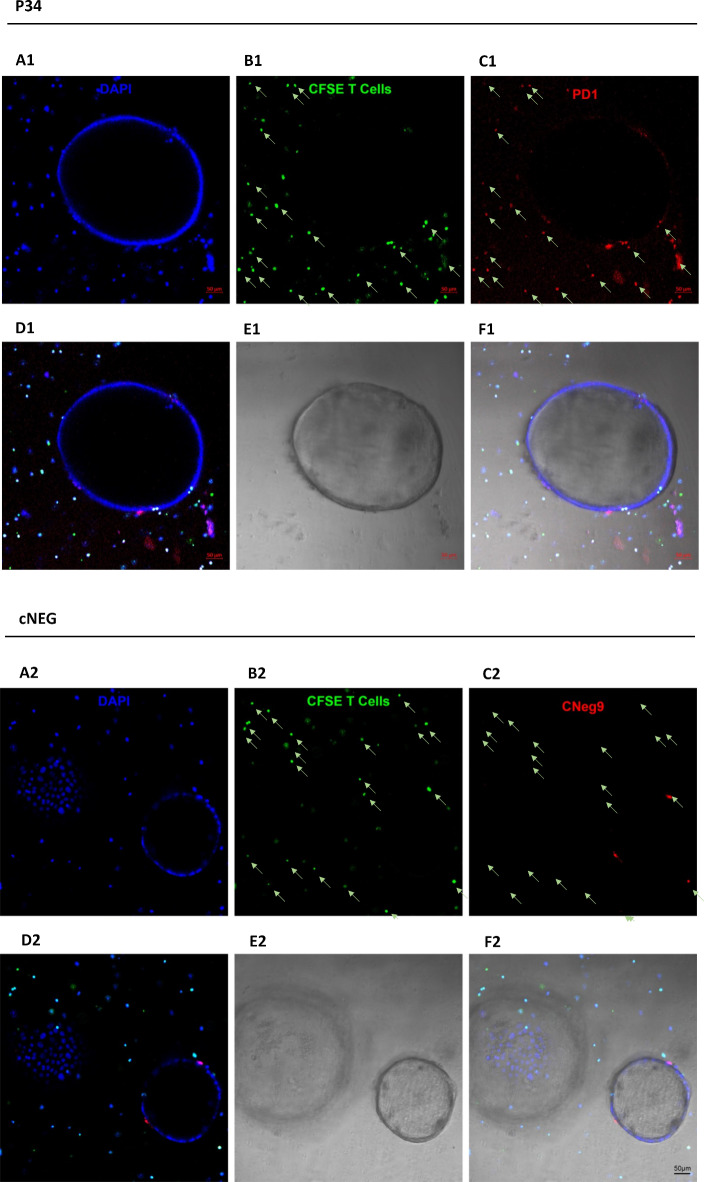
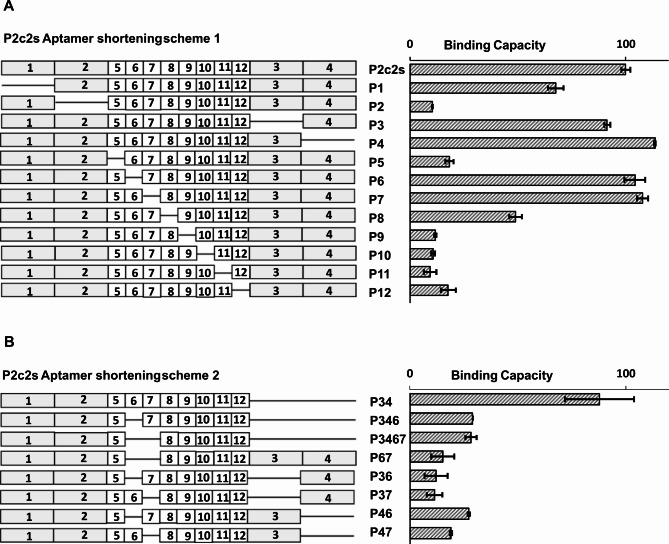
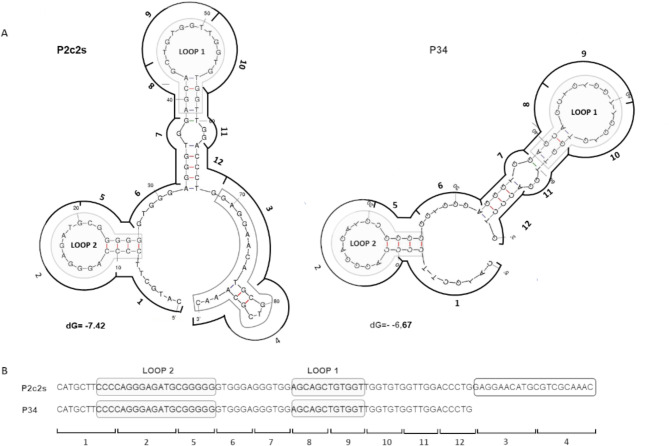
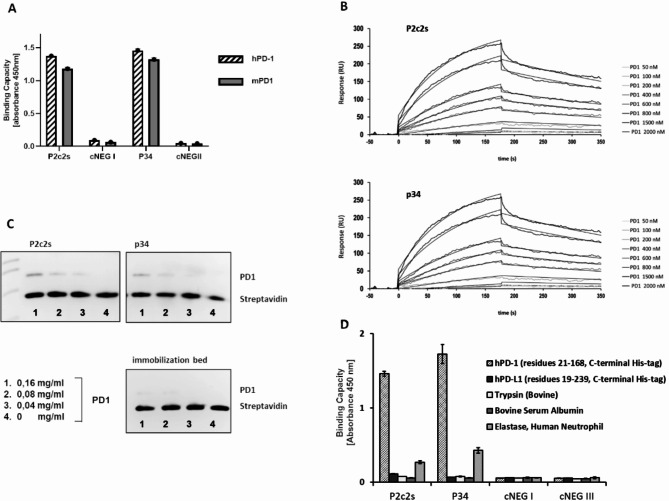
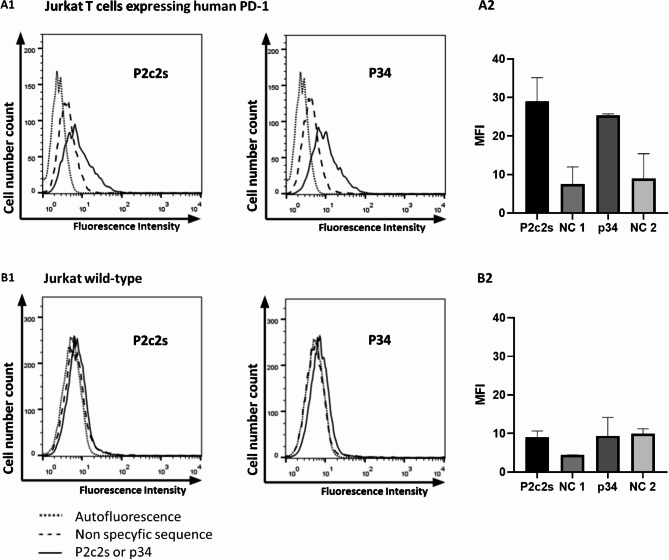
Programmed death receptor 1, PD1, modulates the function of immune cells by providing inhibitory signals and constitutes the marker of immune exhaustion. Monitoring the level of PD1 promises a useful diagnostic approach in autoimmune diseases and cancer. Here we describe the development of an ssDNA aptamer-based molecular probe capable of specific recognition of human PD1 receptor. The aptamer was selected using SELEX, its sequence was further optimized, and the affinity and specificity were determined in biochemical assays. The aptamer was converted into a fluorescent probe and its potential in molecular imaging was demonstrated in a culture of human cells overexpressing PD1 and murine pancreatic organoids / immune cells mixed co-culture model. We conclude that the provided aptamers are suitable probes for imaging of PD1 expressing immune cells even in complex cellular models and may find future utility as diagnostic tools.
程序性死亡受体 1(PD1)通过提供抑制信号来调节免疫细胞的功能,是免疫衰竭的标志物。监测 PD1 的水平有望成为自身免疫性疾病和癌症的一种有用的诊断方法。在这里,我们描述了一种基于单链 DNA(ssDNA)适体的分子探针的开发,该探针能够特异性识别人 PD1 受体。该适体通过 SELEX 筛选得到,其序列进一步优化,并在生化测定中确定了亲和力和特异性。将适体转化为荧光探针,并在过表达 PD1 的人细胞培养物和混合共培养的小鼠胰腺类器官/免疫细胞模型中证明了其在分子成像中的应用潜力。我们得出结论,所提供的适体是用于成像表达 PD1 的免疫细胞的合适探针,即使在复杂的细胞模型中也是如此,并且可能作为诊断工具具有未来的应用价值。