Department of Pharmacology, Vanderbilt University, Nashville, TN, USA.
Vanderbilt Brain Institute, Vanderbilt University, Nashville, TN, USA.
Nat Commun. 2024 Nov 21;15(1):10103. doi: 10.1038/s41467-024-54423-7.
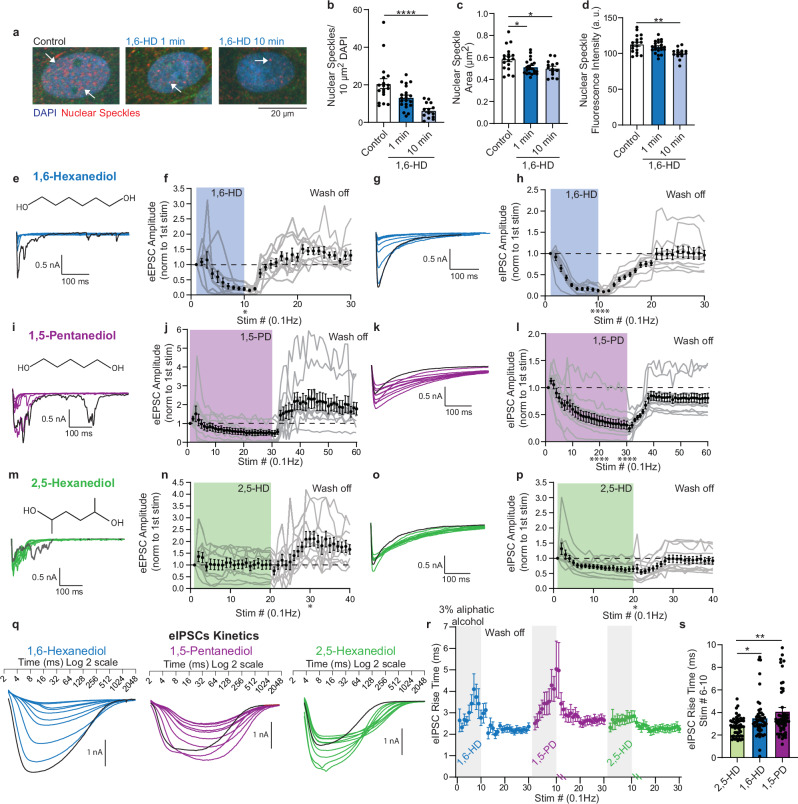
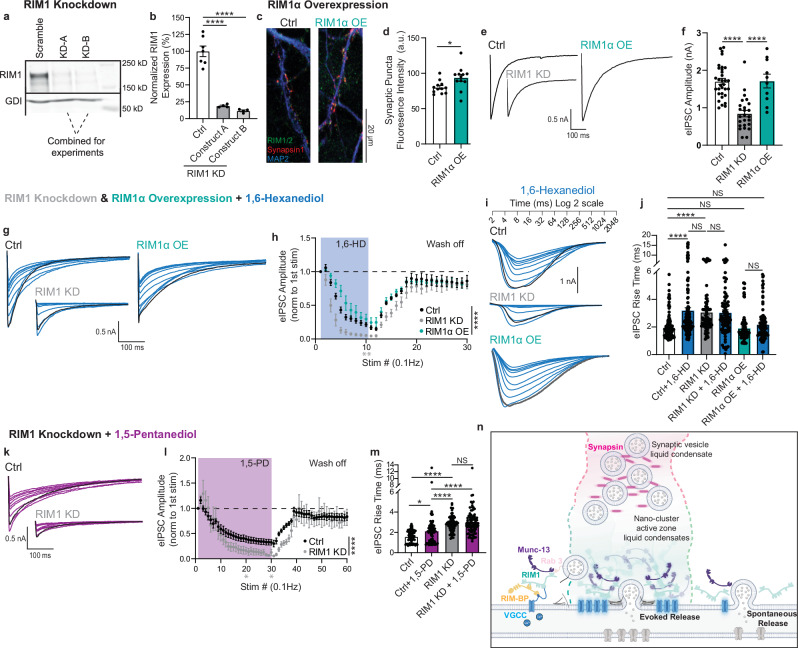
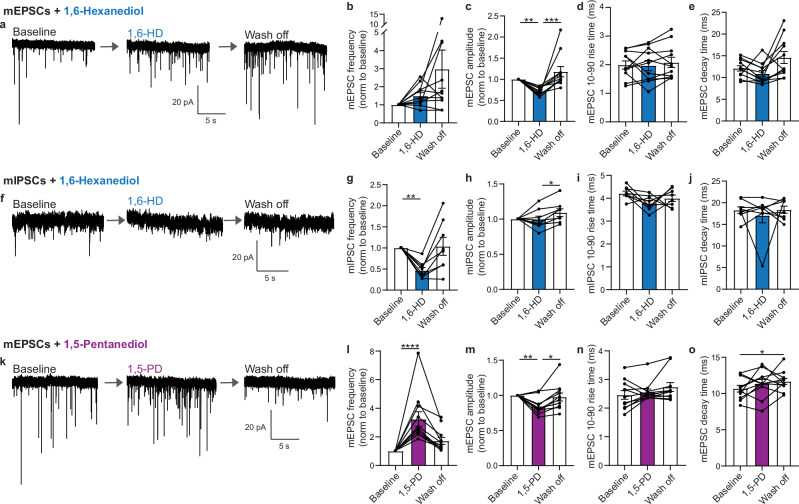
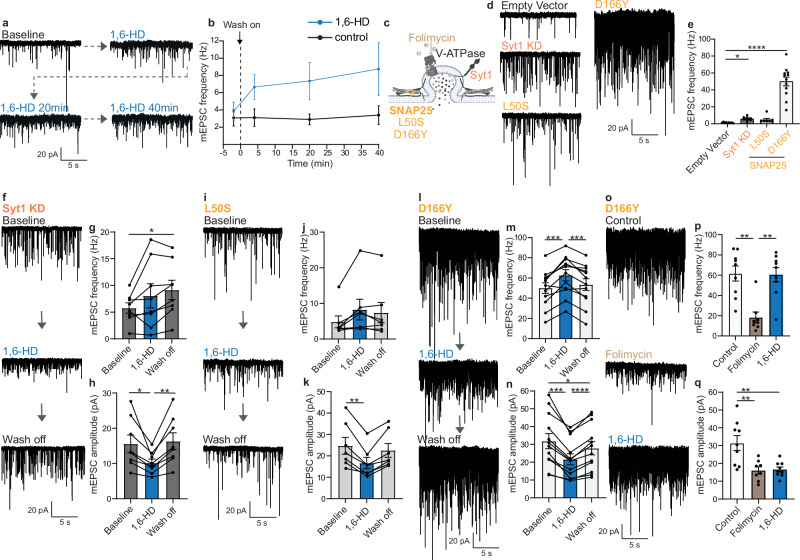
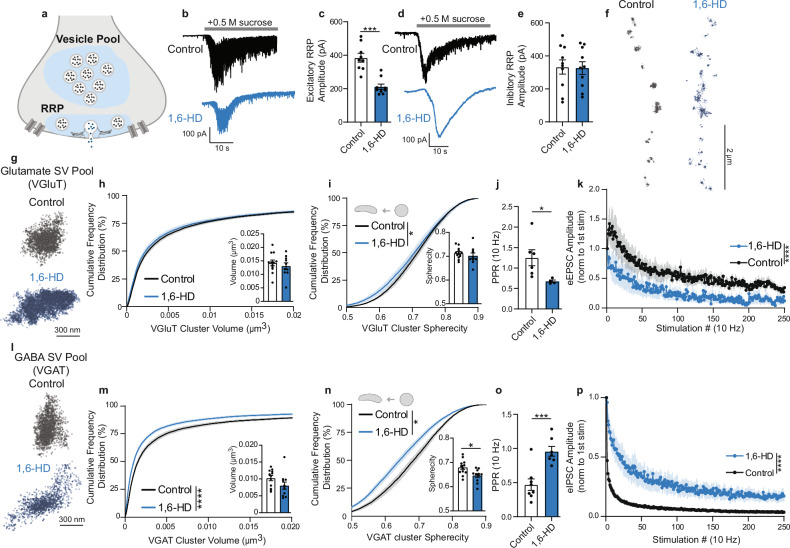
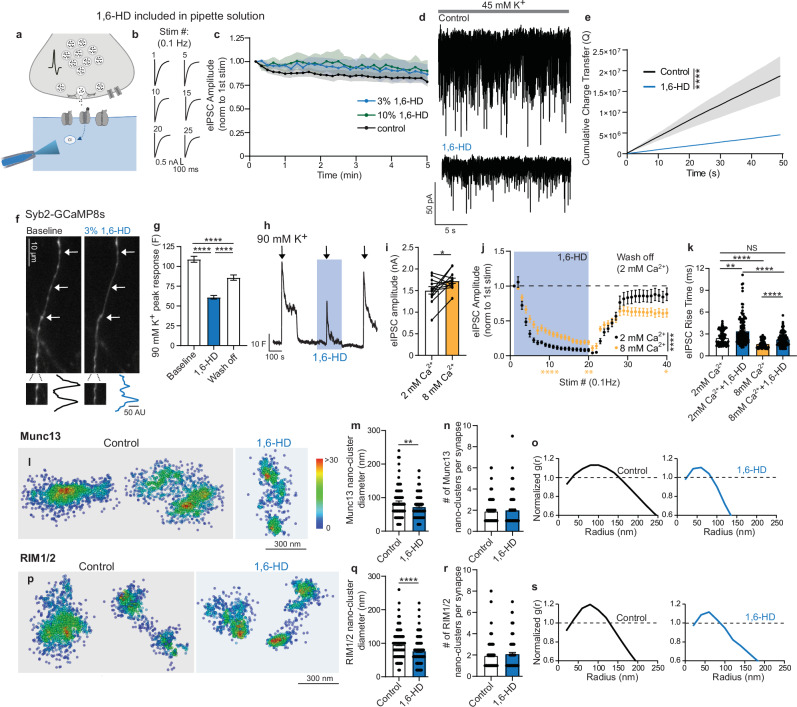
The mechanisms that enable synapses to achieve temporally and spatially precise signaling at nano-scale while being fluid with the cytosol are poorly understood. Liquid-liquid phase separation (LLPS) is emerging as a key principle governing subcellular organization; however, the impact of synaptic LLPS on neurotransmission is unclear. Here, using rat primary hippocampal cultures, we show that robust disruption of neuronal LLPS with aliphatic alcohols severely dysregulates action potential-dependent neurotransmission, while spontaneous neurotransmission persists. Synaptic LLPS maintains synaptic vesicle pool clustering and recycling as well as the precise organization of active zone RIM1/2 and Munc13 nanoclusters, thus supporting fast evoked Ca-dependent release. These results indicate although LLPS is necessary within the nanodomain of the synapse, the disruption of this nano-organization largely spares spontaneous neurotransmission. Therefore, properties of in vitro micron sized liquid condensates translate to the nano-structure of the synapse in a functionally specific manner regulating action potential-evoked release.
目前对于能够使突触在纳米尺度上实现时空精确信号传递,同时与细胞质保持流动性的机制还知之甚少。液-液相分离(LLPS)正成为控制亚细胞结构的关键原则;然而,突触 LLPS 对神经递质传递的影响尚不清楚。在这里,我们使用大鼠原代海马培养物表明,用脂肪醇强烈破坏神经元 LLPS 会严重扰乱动作电位依赖性神经递质传递,而自发性神经递质传递仍然存在。突触 LLPS 维持突触囊泡池聚类和再循环以及活性区 RIM1/2 和 Munc13 纳米簇的精确组织,从而支持快速的 Ca2+依赖性释放。这些结果表明,尽管 LLPS 在突触的纳米域内是必需的,但这种纳米组织的破坏在很大程度上避免了自发性神经递质传递。因此,体外微米大小的液体凝聚物的性质以功能特异性的方式转化为突触的纳米结构,调节动作电位诱发的释放。