Cheng Lin, Liu Xiaoyong, Ma Yan, Huang Xianqing, Zhang Xinru, Liu Jinrui, Song Lianjun, Qiao Mingwu, Li Tiange, Wang Tianlin
College of Food Science and Technology, Henan Agricultural University, Henan Engineering Technology Research Center of Food Processing and Circulation Safety Control, Zhengzhou 450002, China.
Food Chem X. 2024 Nov 1;24:101934. doi: 10.1016/j.fochx.2024.101934. eCollection 2024 Dec 30.
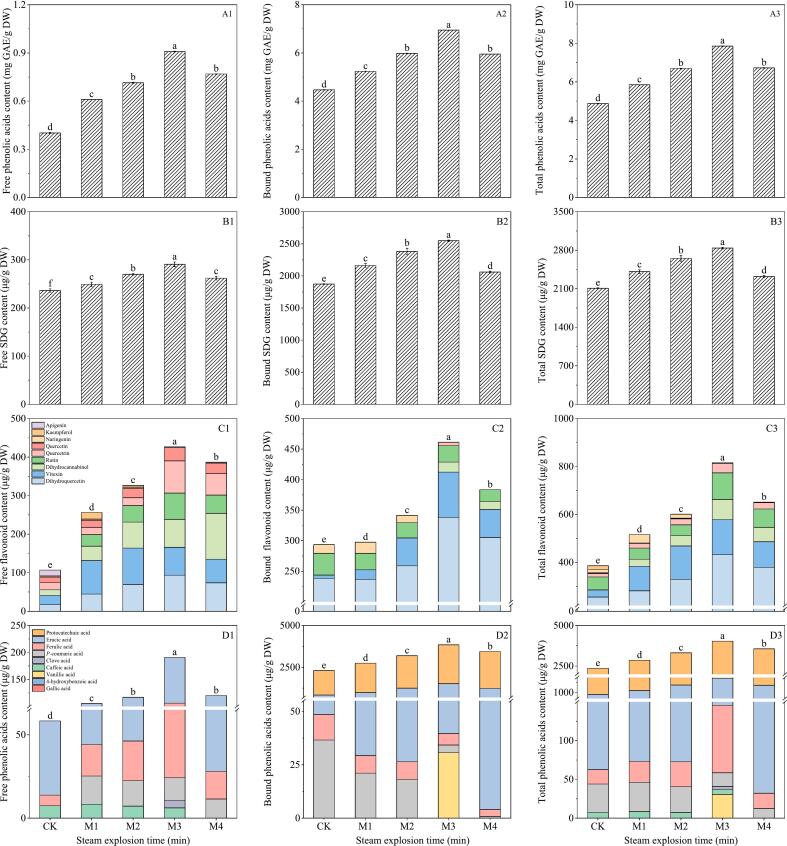
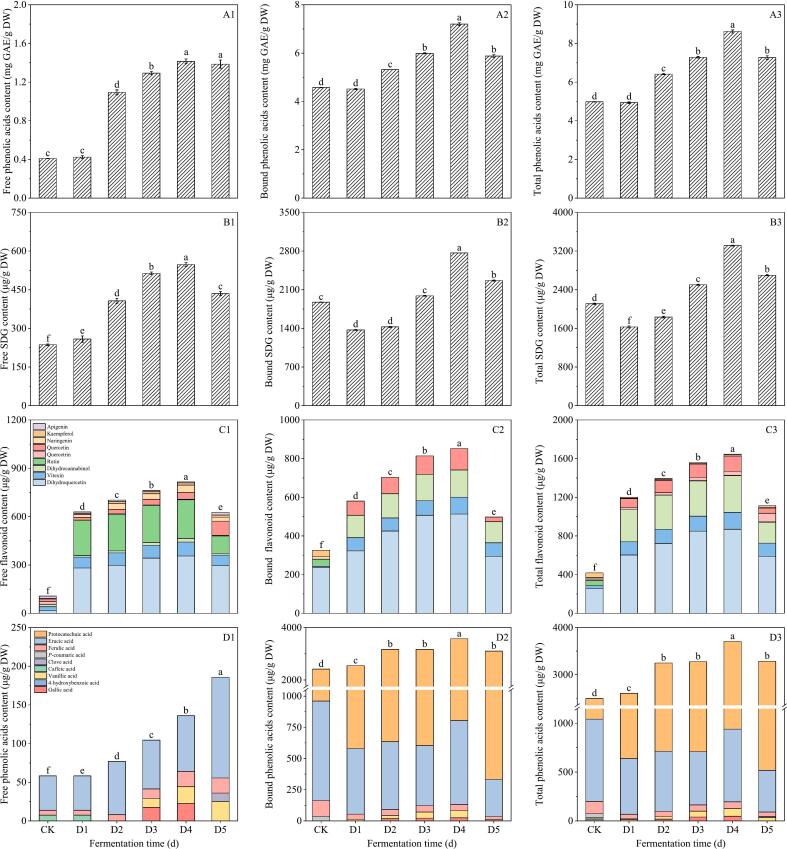
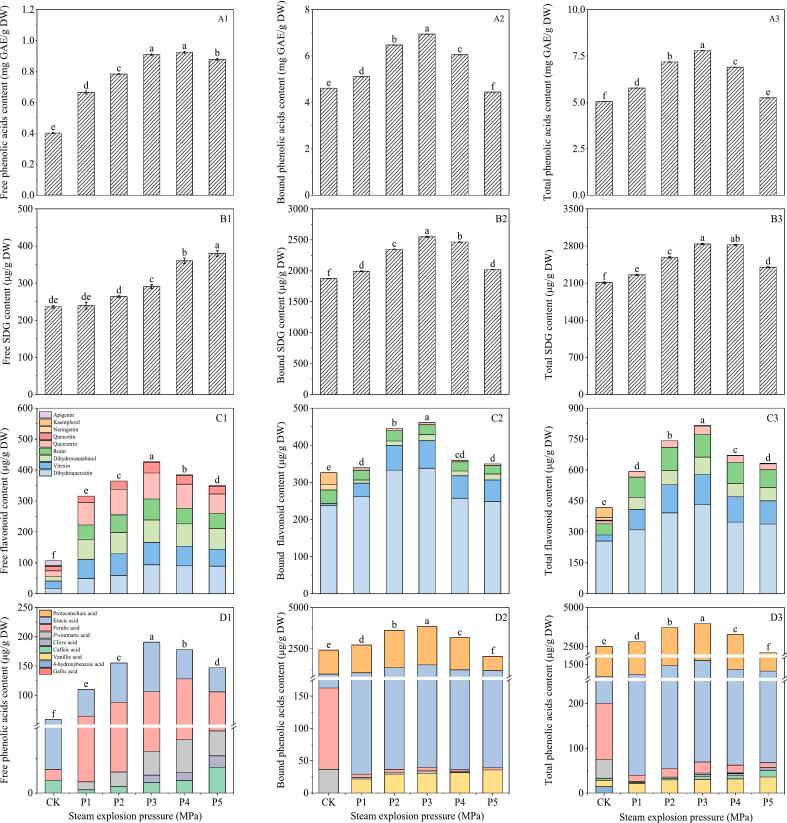
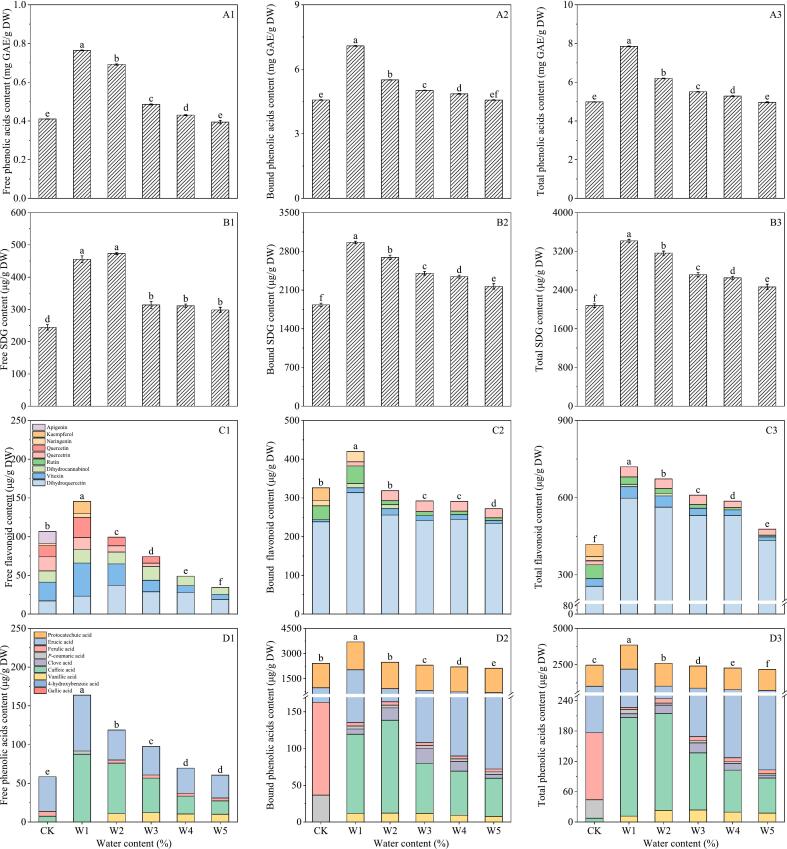
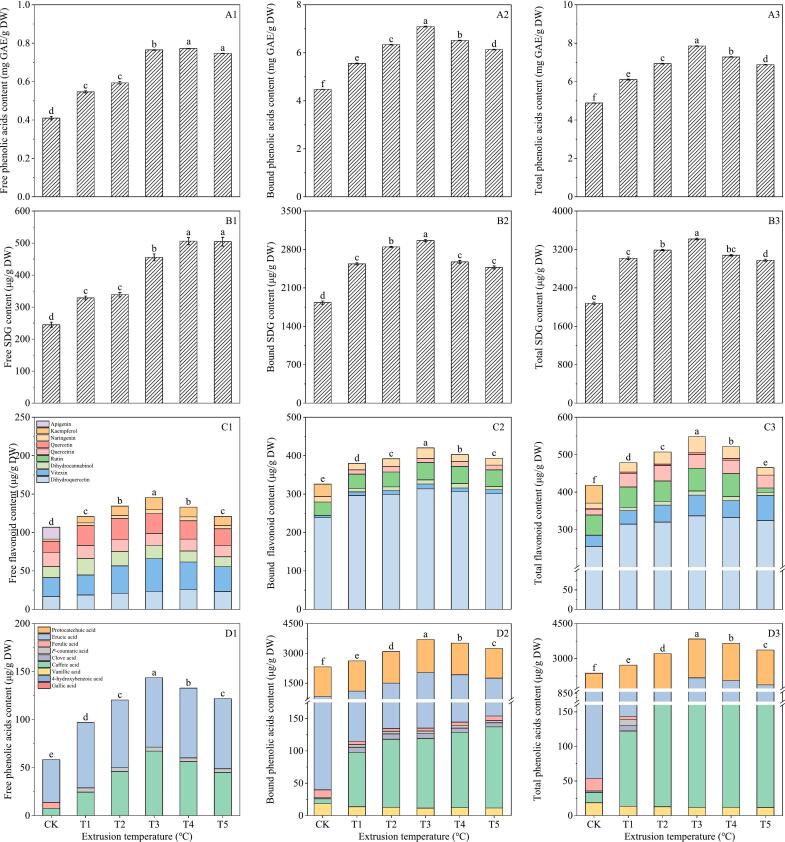
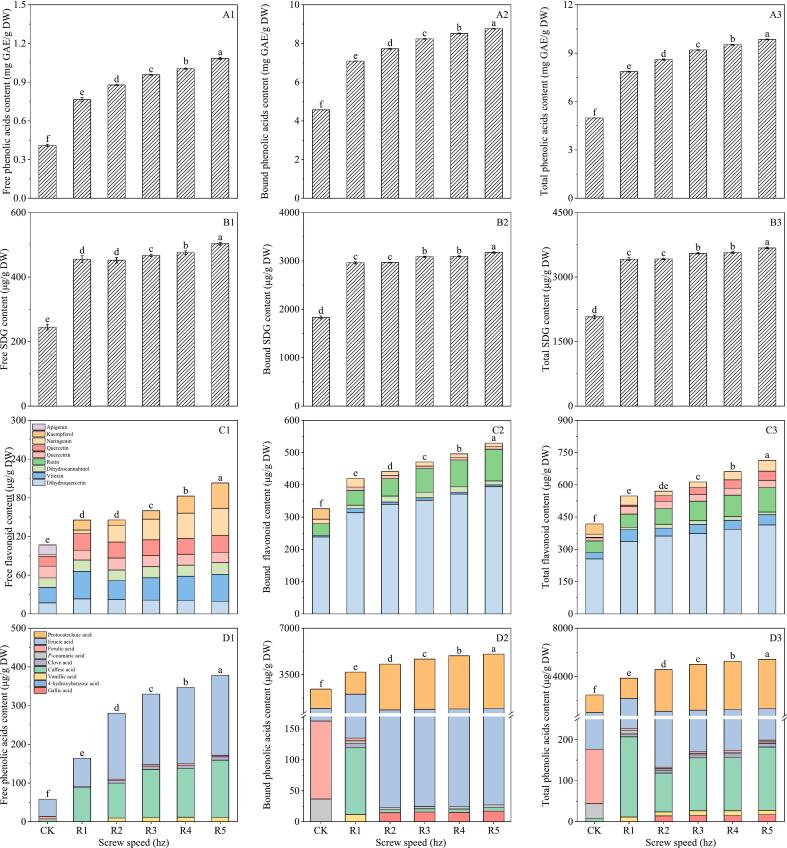
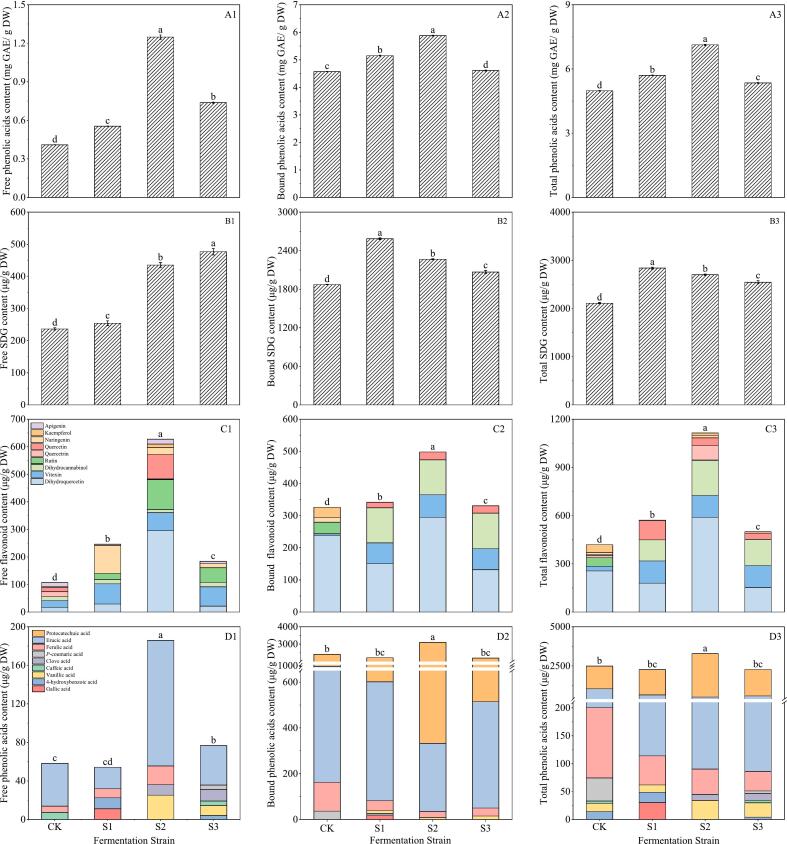
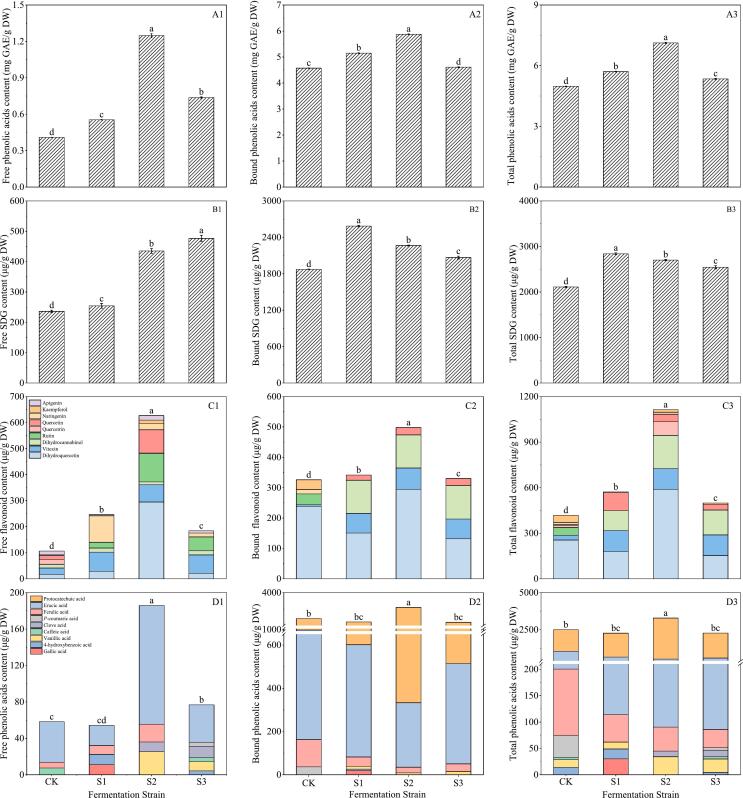
This study examined effects of different processing methods on phenolic compounds in flaxseed meal. The optimal SE treatment was 1.0 MPa for 3 min, and the contents of total flavonoids and phenolic acid were 2.26 times and 1.63 times of the control group, respectively. Notably, erucic acid increased 85.76 %. Optimal extrusion conditions (15 % moisture content, 140 °C, 29 hz) led to the presence of rutin and a 2.81 times increase in protocatechuic acid content over the control. Fermenting with 3 % for 4 days yielded gallic acid in bound form and vanillic acid in free form, with protocatechuic acid increasing 40.65 % compared to the control. Among all the treatments, extrusion produced the highest levels of phenolic compounds in flaxseed meal. Each treatment significantly increased the open ring isomer ester phenol (SDG) compared to the control. Overall, various processing methods impacted the phenolic content and composition in flaxseed meal differently.
本研究考察了不同加工方法对亚麻籽粕中酚类化合物的影响。最佳超高压处理条件为1.0兆帕、3分钟,此时总黄酮和酚酸含量分别是对照组的2.26倍和1.63倍。值得注意的是,芥酸增加了85.76%。最佳挤压条件(含水量15%、140℃、29赫兹)导致芦丁的存在,原儿茶酸含量比对照组增加了2.81倍。用3%(此处信息不完整,推测可能是某种发酵剂之类)发酵4天产生了结合态的没食子酸和游离态的香草酸,原儿茶酸比对照组增加了40.65%。在所有处理中,挤压处理使亚麻籽粕中的酚类化合物含量最高。与对照组相比,各处理均显著增加了开环异构体酯型酚(木脂素)的含量。总体而言,不同的加工方法对亚麻籽粕中酚类物质的含量和组成有不同的影响。