Jadoon Ismail, Khattak Mudassir, Mughal Khoula S, Mughal Umair S, Khan Majid, Abdulsamad Saud A, Naeem Abdulghani A
Pharmacy, COMSATS University Islamabad, Abbottabad, PAK.
Pharmacy, Abasyn University, Peshawar, PAK.
Cureus. 2024 Oct 24;16(10):e72333. doi: 10.7759/cureus.72333. eCollection 2024 Oct.
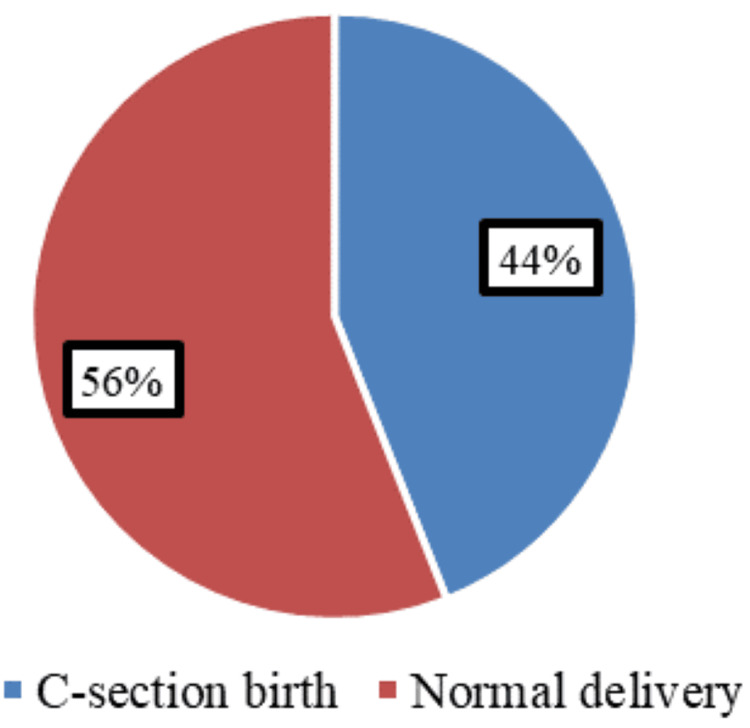
The increasing frequency of cesarean sections (CS) has emerged as a significant public health concern, particularly in Pakistan. This cross-sectional study aimed to assess the prevalence of CS and its contributing factors among mothers in an underdeveloped region of the country. Data were collected from 250 delivery cases using a self-developed questionnaire. Among the participants, 110 (44%) had undergone CS, with 67 (60.9%) being emergency procedures and 43 (39.1%) elective. Statistical analysis revealed that younger maternal age (p = 0.04), type of CS (p = 0.05), and education level (p = 0.04) were significantly associated with higher rates of CS. Major medical risk factors contributing to CS included preeclampsia/eclampsia, vaginal hemorrhage, gestational diabetes, and hypertension (p < 0.001). Furthermore, urban residence, younger maternal age (20-24 years), and preterm gestational age were also identified as significant contributors. The findings suggest that the high rate of CS (44%) in the study population is influenced not only by physiological and medical factors but also by demographic elements such as education, income, and type of delivery. To mitigate unnecessary CS, community-focused educational interventions targeting at-risk populations should be implemented during pregnancy. Effective measures are essential to reduce the rising CS rates in Pakistan.
剖宫产(CS)频率的不断增加已成为一个重大的公共卫生问题,在巴基斯坦尤为如此。这项横断面研究旨在评估该国一个欠发达地区母亲中剖宫产的患病率及其影响因素。使用自行编制的问卷从250例分娩病例中收集数据。在参与者中,110例(44%)接受了剖宫产,其中67例(60.9%)为急诊手术,43例(39.1%)为择期手术。统计分析显示,产妇年龄较小(p = 0.04)、剖宫产类型(p = 0.05)和教育水平(p = 0.04)与较高的剖宫产率显著相关。导致剖宫产的主要医学风险因素包括先兆子痫/子痫、阴道出血、妊娠期糖尿病和高血压(p < 0.001)。此外,城市居住、产妇年龄较小(20 - 24岁)和早产孕周也被确定为重要因素。研究结果表明,研究人群中较高的剖宫产率(44%)不仅受到生理和医学因素的影响,还受到教育、收入和分娩类型等人口因素的影响。为减少不必要的剖宫产,应在孕期针对高危人群实施以社区为重点的教育干预措施。采取有效措施对于降低巴基斯坦不断上升的剖宫产率至关重要。