Preinl Maciej, Osiowski Aleksander, Stolarz Kacper, Osiowski Maksymilian, Taterra Dominik
Faculty of Medicine, Jagiellonian University Medical College, Sw. Anny 12, 31-008, Krakow, Poland.
Ortho and Spine Research Group, Zakopane, Poland.
Anat Sci Int. 2025 Jun;100(3):287-297. doi: 10.1007/s12565-024-00811-4. Epub 2024 Nov 26.
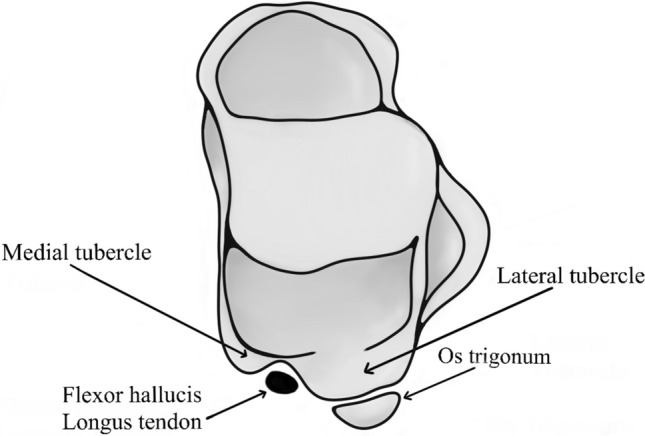
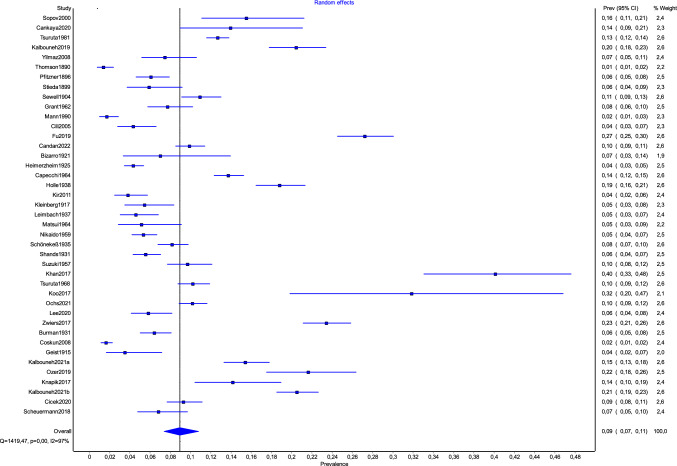
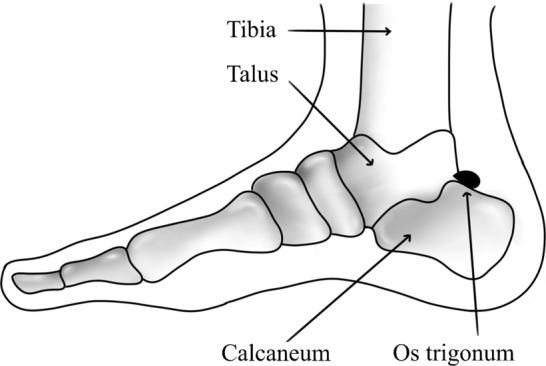
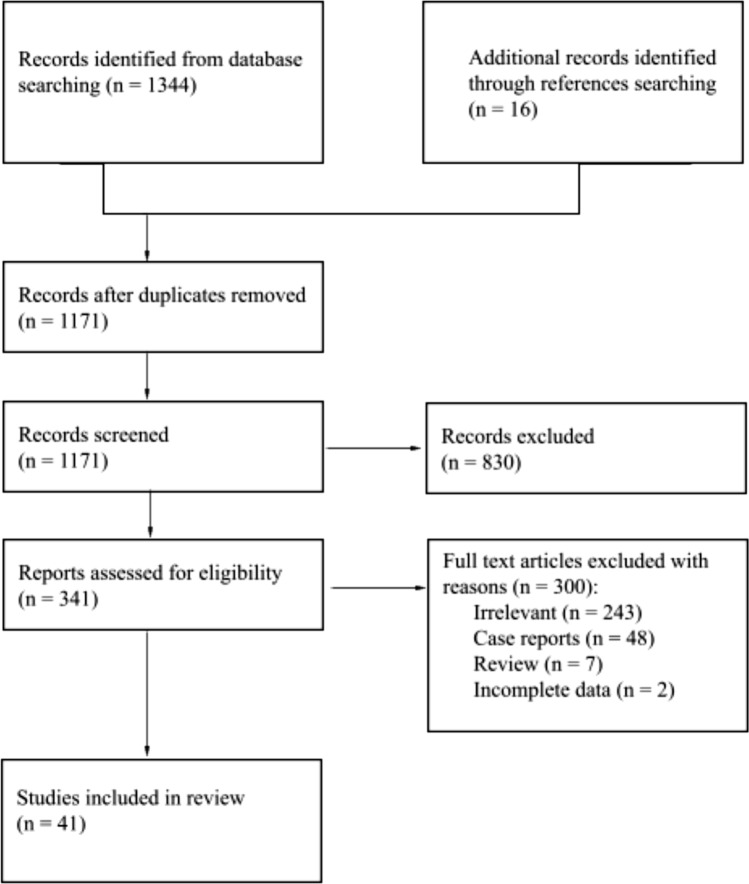
Os trigonum (OT) is one of the most common accessory ossicles in the foot and ankle region. It is believed that OT was first described by Rosenmuller in 1804, but von Bardeleben is the one who coined the nomenclature for this anatomical variation in 1883. The literature indicates that OT is extremely variable in prevalence, with reported rates ranging from 1.7% to 32.5%. In clinical practice, OT is a considerable factor that may predispose patients to posterior ankle impingement syndrome (PAIS). The aim of this study was to provide comprehensive data on the prevalence and anatomical characteristics of OT. We conducted a comprehensive search of the main electronic databases to find the relevant research. Information concerning geographical origin, prevalence, gender distribution, imaging modality, and morphometry of OT was extracted. The PRISMA guidelines were strictly followed throughout the study. The reliability of the included studies was assessed using the AQUA tool. A total of 41 studies (n = 36,612 feet) were included in this meta-analysis. This meta-analysis showed that OT was present in 9.0% (95% CI: 7.4-10.8) of the feet, and was present bilaterally in 32.7% (95% CI: 23.3-43.7) of cases. Regarding the types of imaging modality used in the evaluation of OT by the included studies, prevalence assessed by X-rays was 8.2% (95% CI: 6.8-9.9), MRI was 24.2% (95% CI: 14.6-37.3), CT was 21.0% (95% CI: 12.8-32.5), and cadaveric dissection was 5.0% (95% CI: 3.4-7.4). OT was most commonly found in East Asia (11.0%, 95% CI: 7.1-16.8). Two studies provided enough data to calculate the odds ratio linking PAIS with OT. The analysis showed that patients with PAIS are almost 16 times more likely to have OT compared to those without PAIS (OR = 15.98, 95% CI = 0.255-1002.8). OT is a very common accessory ossicle and is present in nearly one in 10 feet. The highest prevalence is noted in the East Asian population. MRI and CT show the highest prevalence of OT. It is important to keep in mind the possible presence of OT when a patient is diagnosed with PAIS.
跗三角骨(OT)是足踝区域最常见的副骨之一。据信,OT最早由罗森米勒于1804年描述,但冯·巴尔德勒本在1883年为这种解剖变异创造了这个命名法。文献表明,OT的患病率差异极大,报告的发生率从1.7%到32.5%不等。在临床实践中,OT是一个重要因素,可能使患者易患后踝撞击综合征(PAIS)。本研究的目的是提供关于OT患病率和解剖特征的全面数据。我们对主要电子数据库进行了全面检索以查找相关研究。提取了有关OT的地理来源、患病率、性别分布、成像方式和形态测量的信息。在整个研究过程中严格遵循PRISMA指南。使用AQUA工具评估纳入研究的可靠性。本荟萃分析共纳入41项研究(n = 36,612只足)。该荟萃分析表明,9.0%(95%CI:7.4 - 10.8)的足存在OT,32.7%(95%CI:23.3 - 43.7)的病例双侧存在OT。关于纳入研究在评估OT时使用的成像方式类型,X线评估的患病率为8.2%(95%CI:6.8 - 9.9),MRI为24.2%(95%CI:14.6 - 37.3),CT为21.0%(95%CI:12.8 - 32.5),尸体解剖为5.0%(95%CI:3.4 - 7.4)。OT在东亚最为常见(11.0%,95%CI:7.1 - 16.8)。两项研究提供了足够的数据来计算PAIS与OT相关的优势比。分析表明,与无PAIS的患者相比,患有PAIS的患者出现OT的可能性几乎高16倍(OR = 15.98,95%CI = 0.255 - 1002.8)。OT是一种非常常见的副骨,近十分之一的足中存在。东亚人群中患病率最高。MRI和CT显示OT的患病率最高。当诊断患者患有PAIS时,务必牢记可能存在OT。