Key Laboratory of Sichuan Province for Bamboo Pests Control and Resource Development, Leshan Normal University, Leshan, China.
College of Agronomy and Biotechnology, Southwest University, Chongqing, China.
BMC Genomics. 2024 Nov 25;25(1):1138. doi: 10.1186/s12864-024-11065-9.
Bamboo is an important nontimber forestry product worldwide, while growth, development and geographic distribution of bamboo are often affected by abiotic stresses. Fatty acid desaturases have important roles in regulating plant abiotic stress tolerance, especially low-temperature. However, there is no report on genome-wide of FAD genes in bamboo under abiotic stresses.
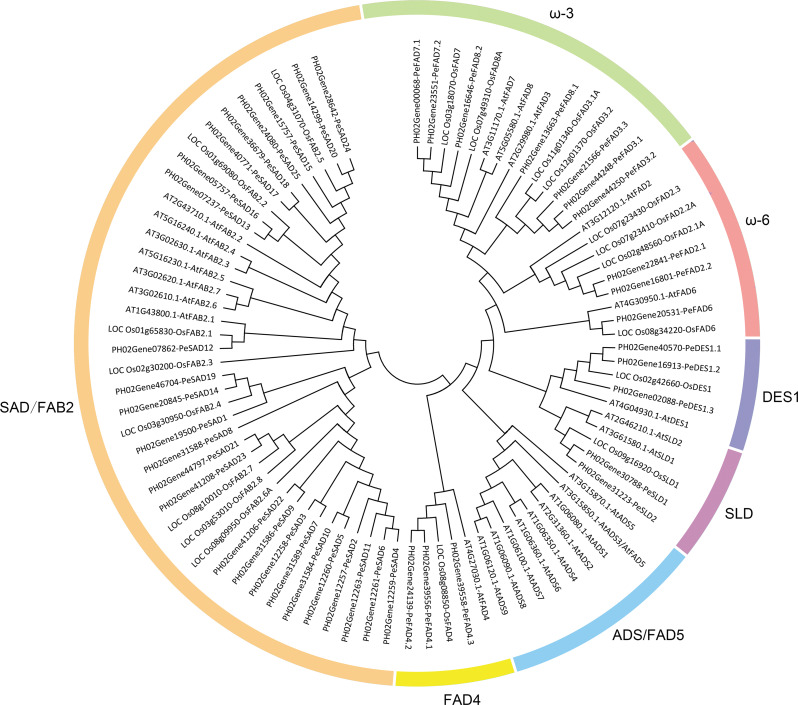
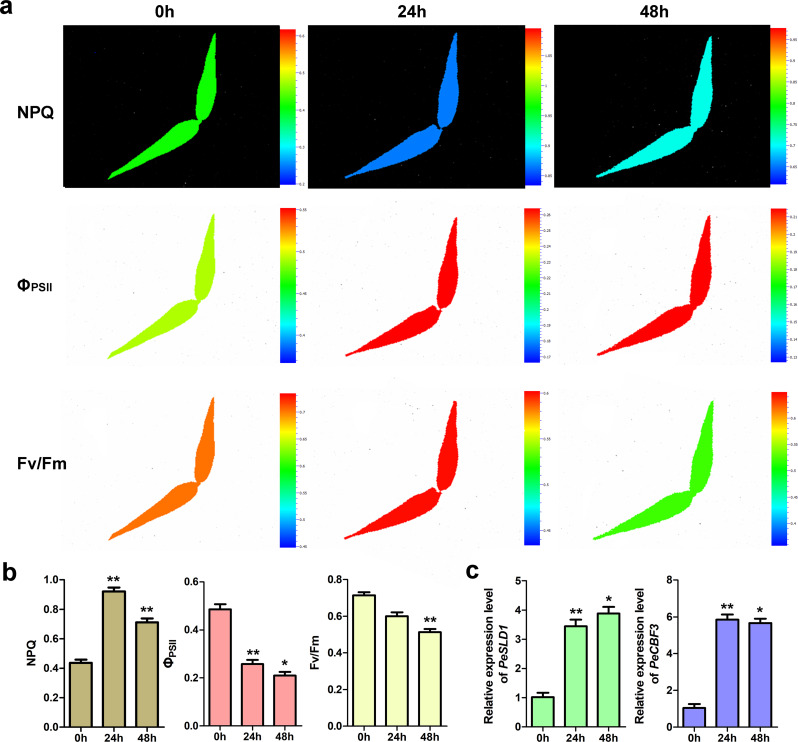
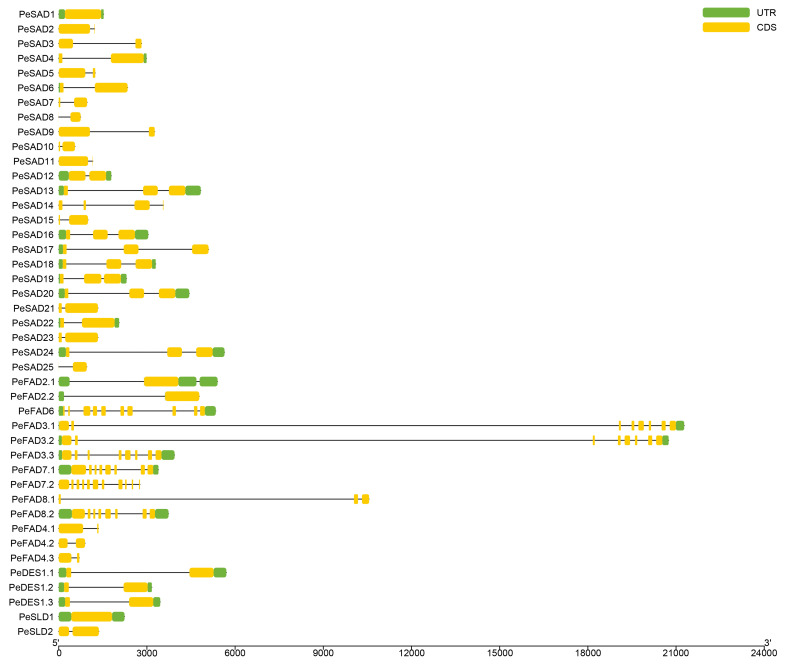
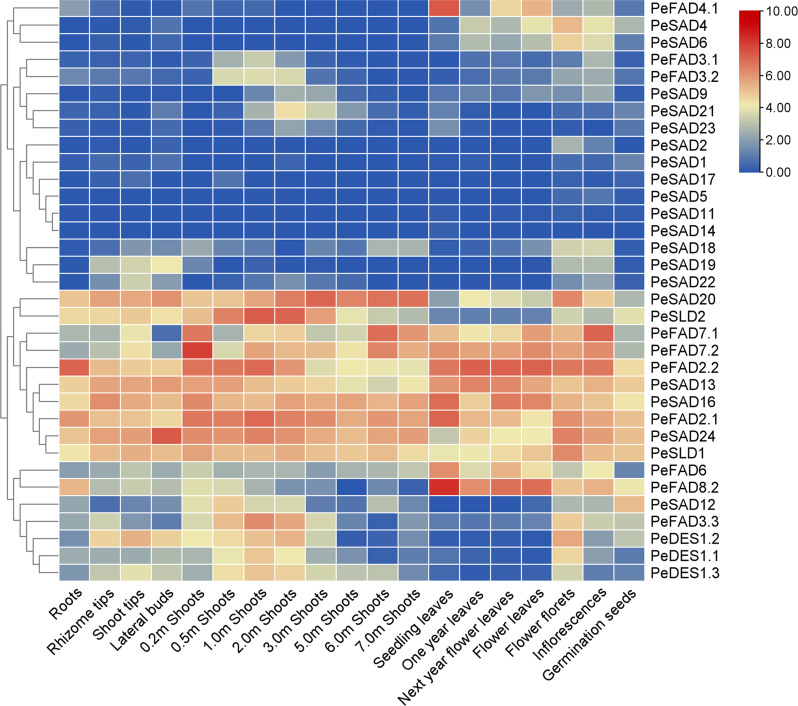
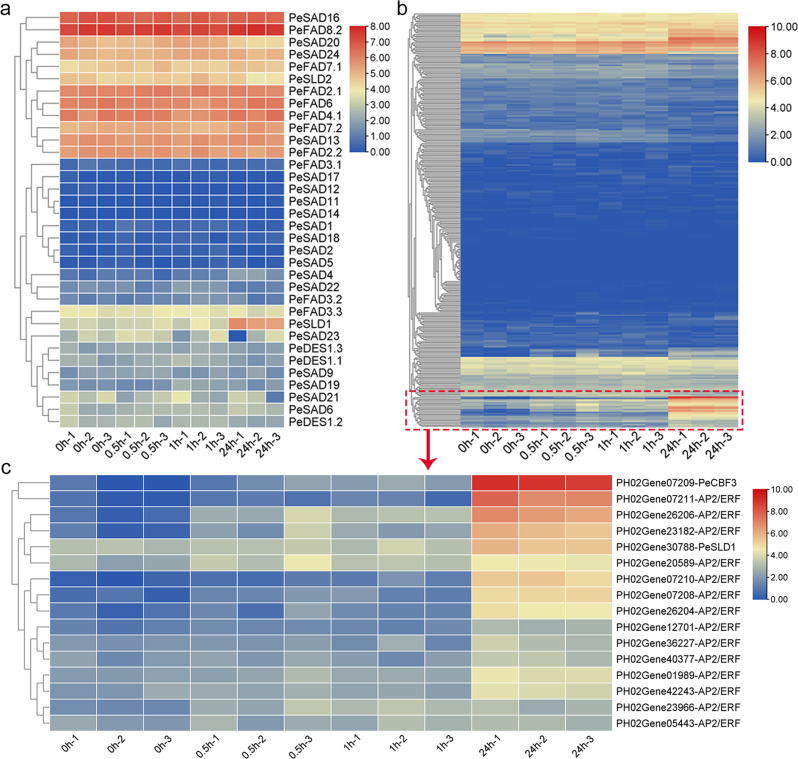
A toltal of 43 PeFAD genes were identified in moso bamboo genome, which were unevenly located in 17 scaffolds. Phylogenetic analysis indicated that PeFAD genes were divided into 6 groups and ADS/FAD5 group was absence in momo bamboo, and gene structure and histidine-motifs remained highly conserved in each group. The expansion of PeFAD genes was mainly caused by tandem and segmental duplications of SAD/FAB2 group. We also identified 59 types of miRNAs targeting PeFAD genes. RNA-seq data indicated that PeFAD genes were transcribed in various organs/tissues with different degrees, and responded to abiotic stresses and hormone treatments, including cold, salt, drought, SA, ABA, BR, NAA and GA. Co-expression analysis under cold stress showed that PeCBF3 might directly bind the promoter of top cold-responsive PeSLD1 gene that contained LTR cis-element and DRE core element. The qRT-PCR assay also validated the expression pattern of PeSLD1 and its upstream regulatory gene PeCBF3.
In this study, we performed comprehensive genome-wide survey of PeFAD genes in moso bamboo and analyzed their expression patterns in various tissues and organs, and under abiotic stresses and phytohormones treatment. The qRT-PCR assay validated the cold inducibility of PeSLD1 and PeCBF3. This work showed critical roles of PeFAD genes in abiotic stresses responses. This is the first report on genome-wide analysis of PeFAD genes in moso bamboo, which will provide critical gene resources for molecular breeding of stress-toleranct moso bamboo.
竹子是全球重要的非木材林产品,但其生长、发育和地理分布常受到非生物胁迫的影响。脂肪酸去饱和酶在调控植物非生物胁迫耐受性方面具有重要作用,特别是低温。然而,在竹子中,关于非生物胁迫下脂肪酸去饱和酶基因的全基因组研究尚未见报道。
在毛竹基因组中鉴定出 43 个 PeFAD 基因,这些基因不均匀地分布在 17 个支架上。系统发育分析表明,PeFAD 基因分为 6 组,而在 momo 竹子中不存在 ADS/FAD5 组,并且每个组中的基因结构和组氨酸基序保持高度保守。PeFAD 基因的扩张主要是由于 SAD/FAB2 组的串联和片段重复引起的。我们还鉴定了 59 种针对 PeFAD 基因的 miRNA。RNA-seq 数据表明,PeFAD 基因在不同程度的各种器官/组织中转录,并对非生物胁迫和激素处理(包括冷胁迫、盐胁迫、干旱胁迫、SA、ABA、BR、NAA 和 GA)做出响应。冷胁迫下的共表达分析表明,PeCBF3 可能直接结合含有 LTR 顺式元件和 DRE 核心元件的冷响应 PeSLD1 基因的启动子。qRT-PCR 分析也验证了 PeSLD1 及其上游调控基因 PeCBF3 的表达模式。
本研究对毛竹 PeFAD 基因进行了全基因组分析,并分析了它们在不同组织和器官以及非生物胁迫和植物激素处理下的表达模式。qRT-PCR 分析验证了 PeSLD1 和 PeCBF3 的冷诱导。本研究表明 PeFAD 基因在非生物胁迫响应中起关键作用。这是首次对毛竹 PeFAD 基因进行全基因组分析的研究,为培育耐胁迫毛竹提供了重要的基因资源。