State Key Laboratory of Subtropical Silviculture, Zhejiang A&F University, Lin'an, Hangzhou, 311300, Zhejiang Province, People's Republic of China.
Zhejiang Provincial Collaborative Innovation Centre for Bamboo Resources and High efficiency Utilization, Zhejiang A&F University, Zhejiang, China.
BMC Plant Biol. 2021 Jun 28;21(1):296. doi: 10.1186/s12870-021-03078-3.
Moso bamboo, the fastest growing plant on earth, is an important source for income in large areas of Asia, mainly cultivated in China. Lateral organ boundaries domain (LBD) proteins, a family of transcription factors unique to plants, are involved in multiple transcriptional regulatory pathways and play important roles in lateral organ development, pathogen response, secondary growth, and hormone response. The LBD gene family has not previously been characterized in moso bamboo (Phyllostachys edulis).
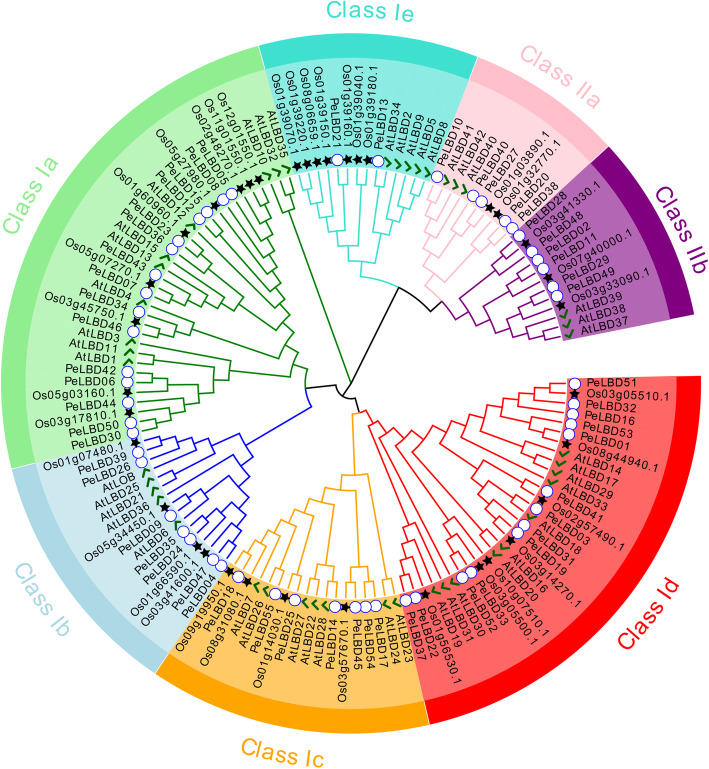
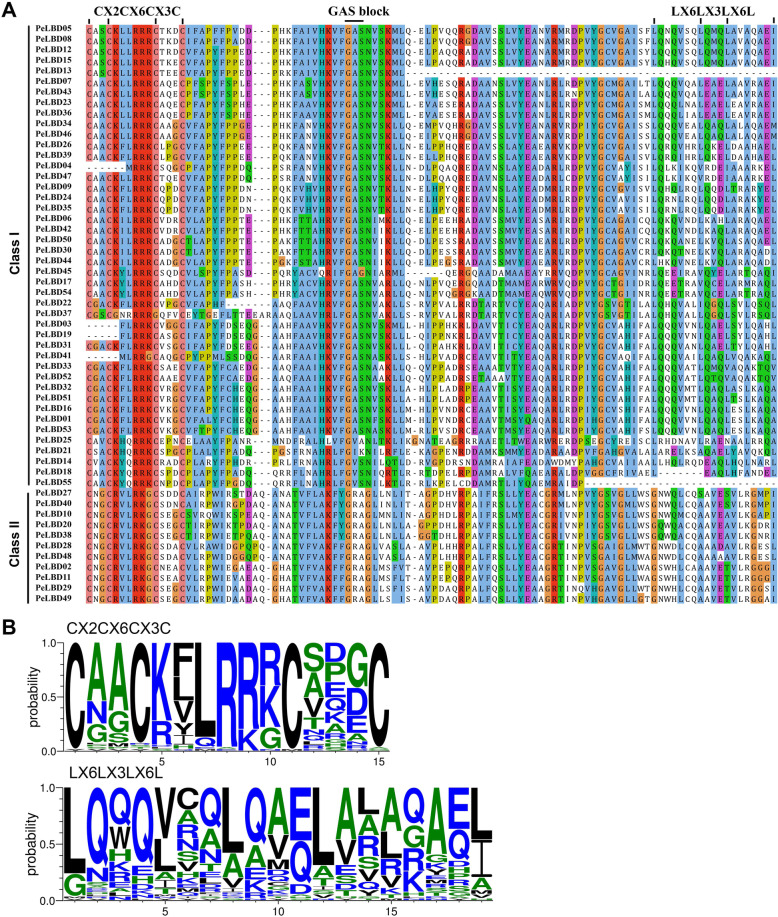
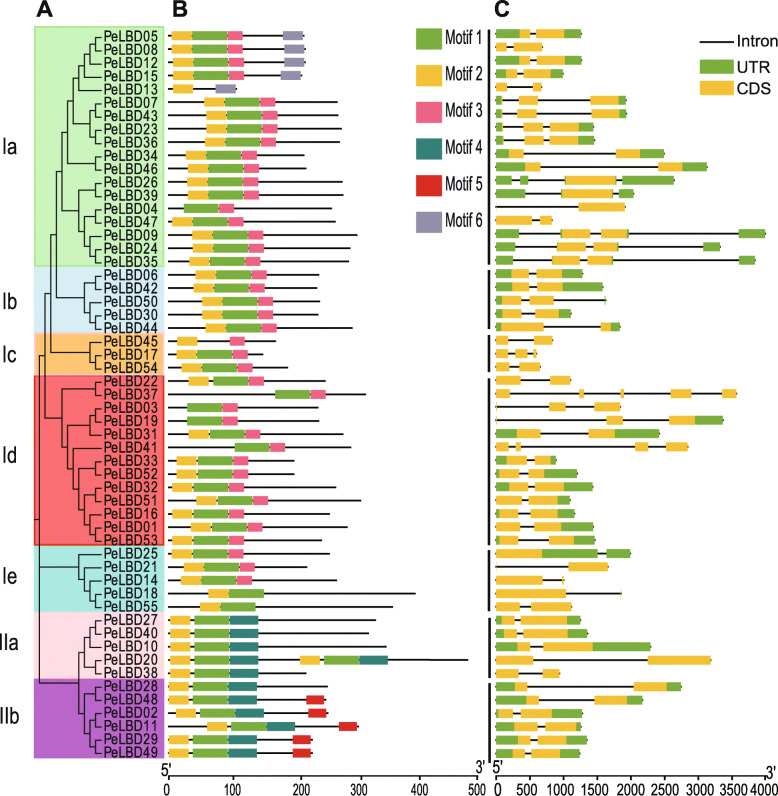
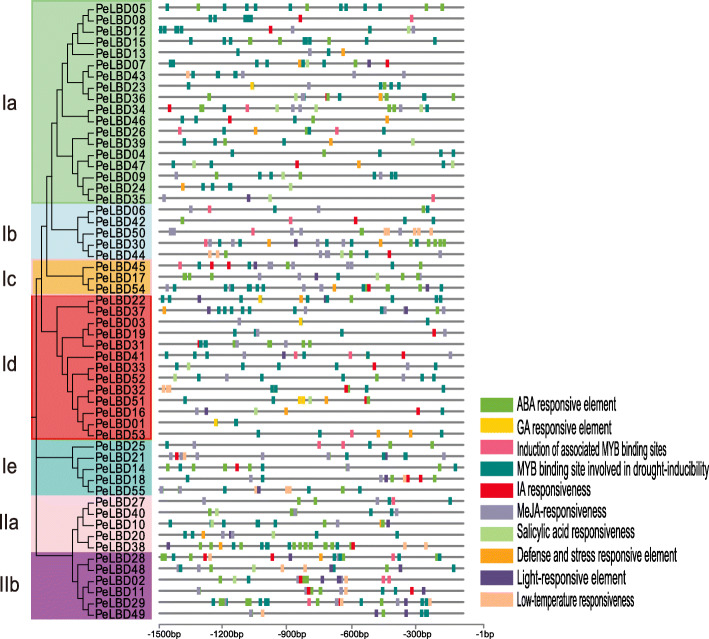
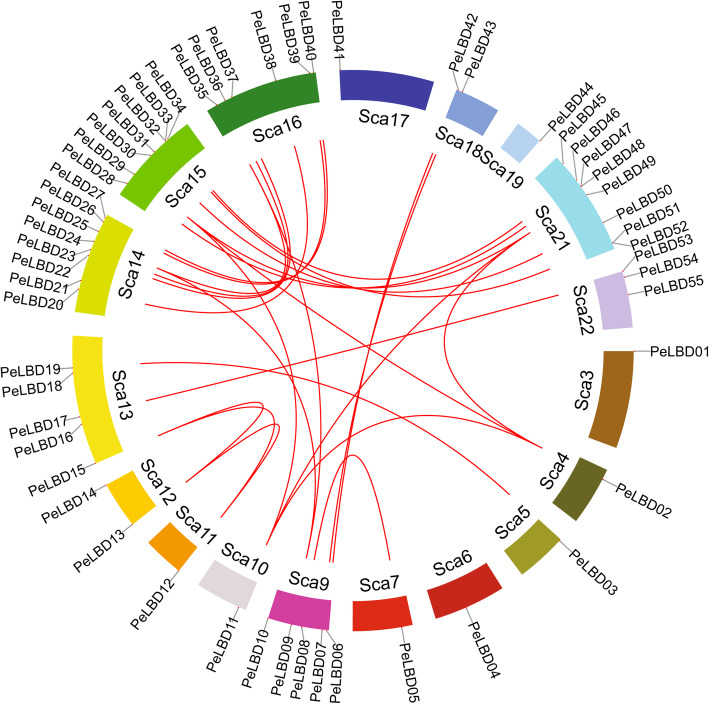
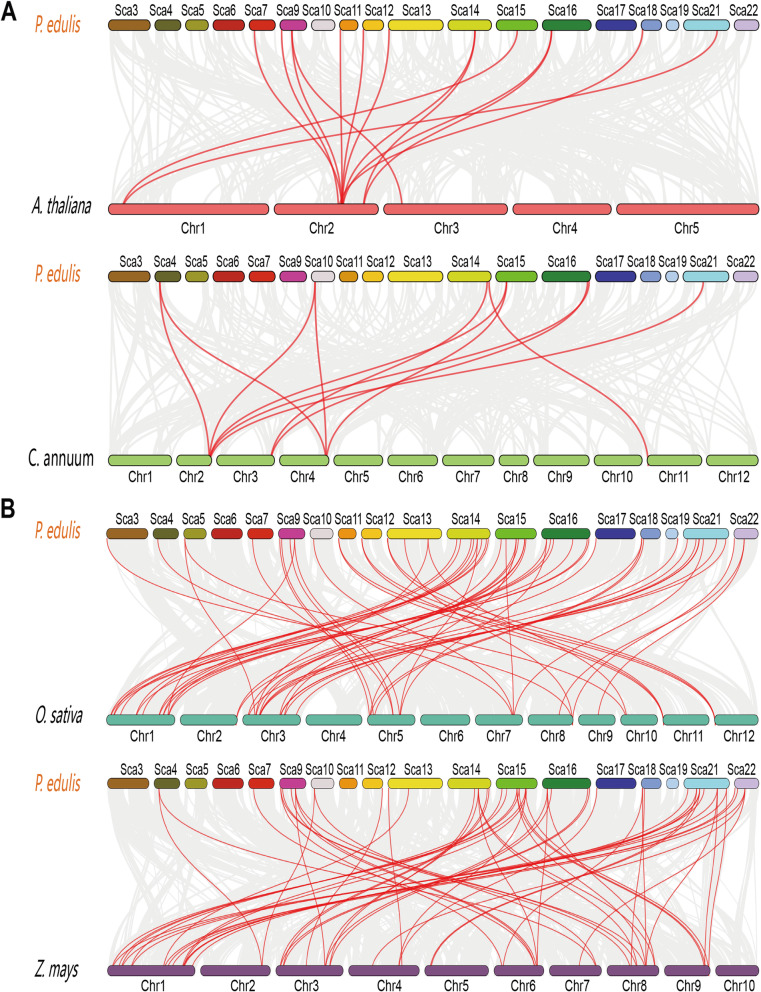
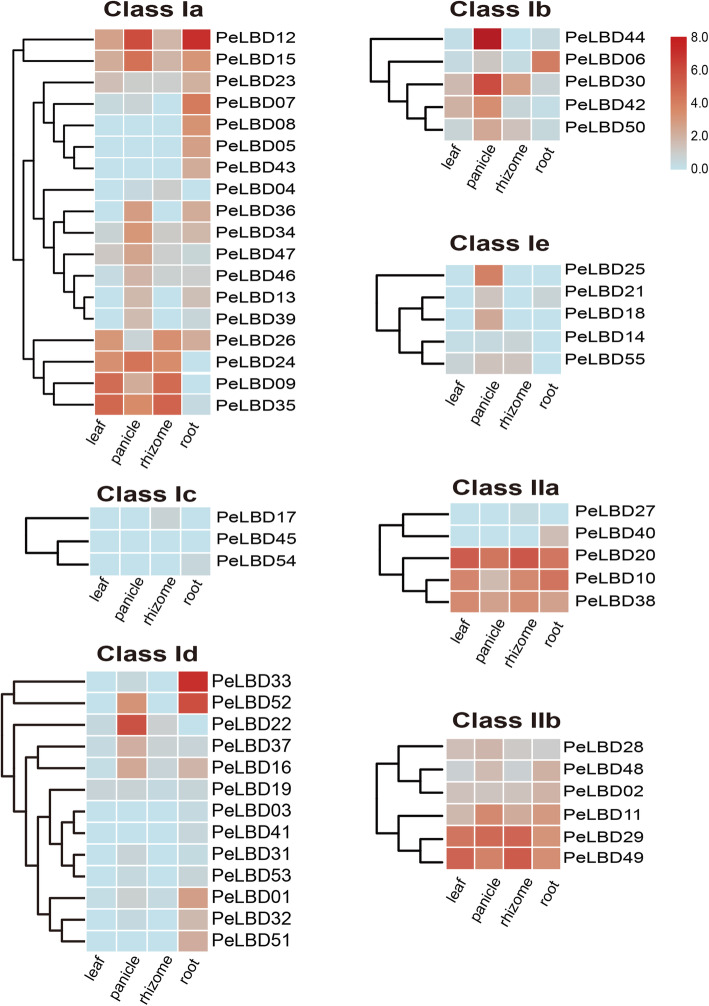
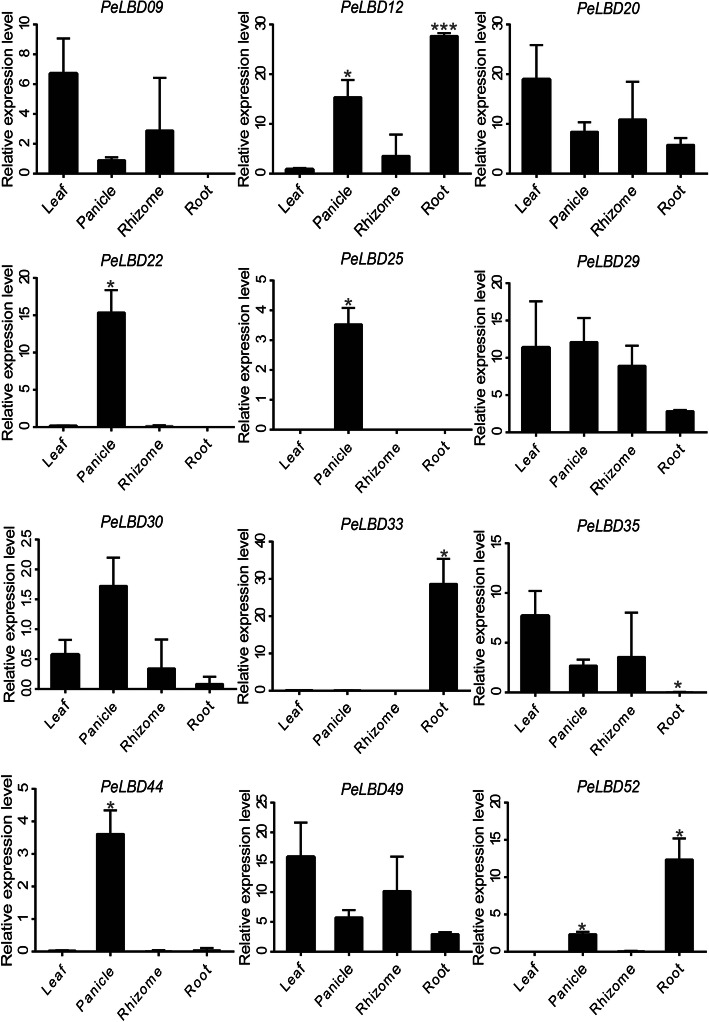
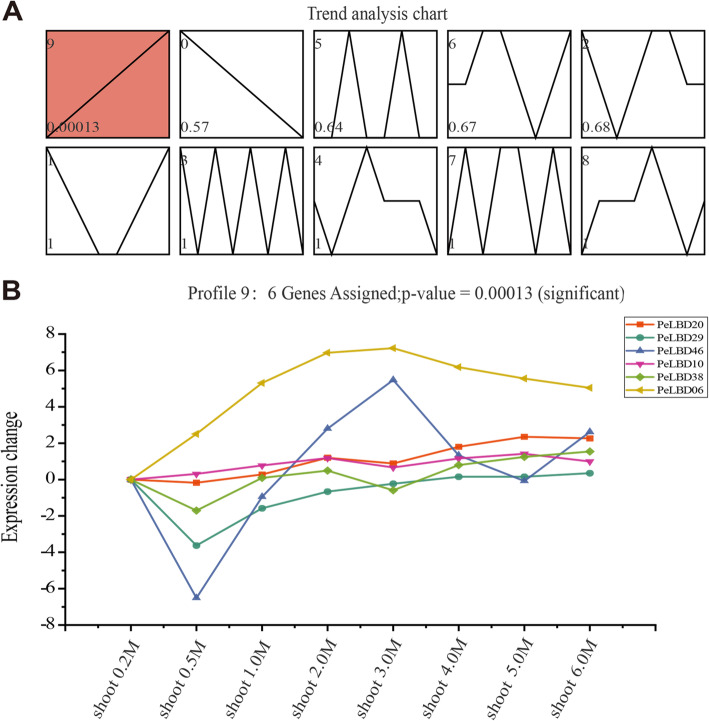
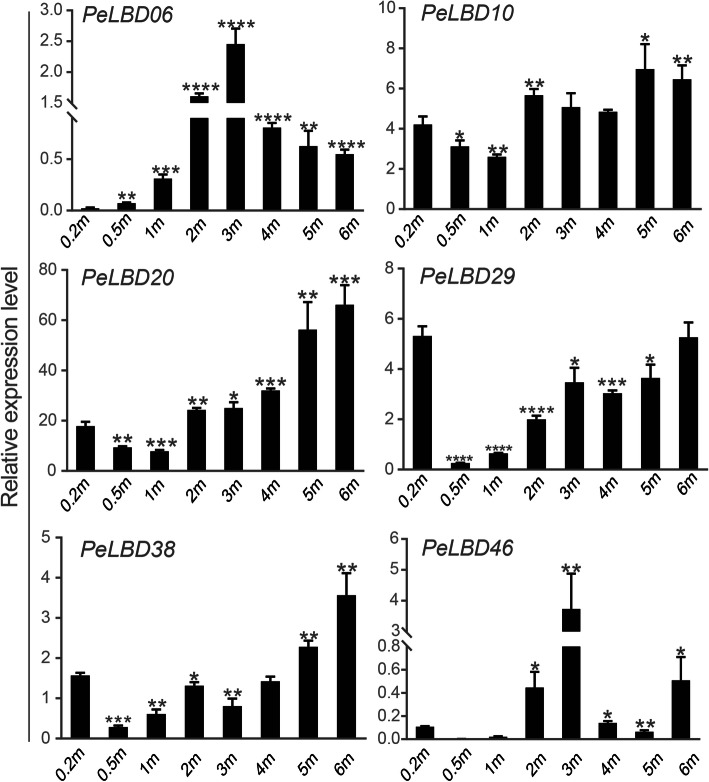
In this study, we identified 55 members of the LBD gene family from moso bamboo and found that they were distributed non-uniformly across its 18 chromosomes. Phylogenetic analysis showed that the moso bamboo LBD genes could be divided into two classes. LBDs from the same class share relatively conserved gene structures and sequences encoding similar amino acids. A large number of hormone response-associated cis-regulatory elements were identified in the LBD upstream promoter sequences. Synteny analysis indicated that LBDs in the moso bamboo genome showed greater collinearity with those of O. sativa (rice) and Zea mays (maize) than with those of Arabidopsis and Capsicum annuum (pepper). Numerous segmental duplicates were found in the moso bamboo LBD gene family. Gene expression profiles in four tissues showed that the LBD genes had different spatial expression patterns. qRT-PCR assays with the Short Time-series Expression Miner (STEM) temporal expression analysis demonstrated that six genes (PeLBD20, PeLBD29, PeLBD46, PeLBD10, PeLBD38, and PeLBD06) were consistently up-regulated during the rapid growth and development of bamboo shoots. In addition, 248 candidate target genes that function in a variety of pathways were identified based on consensus LBD binding motifs.
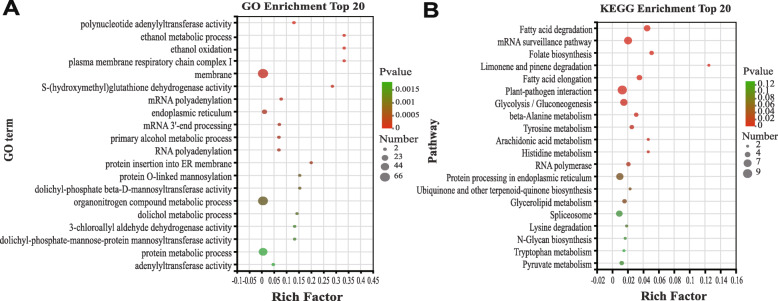
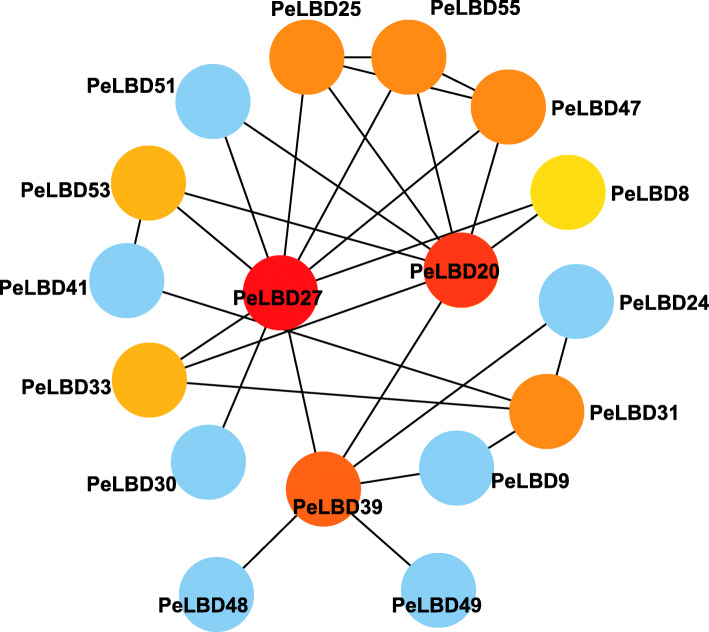
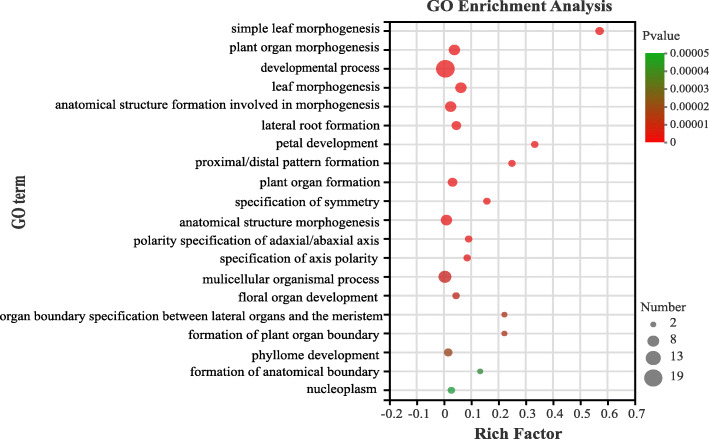
In the current study, we identified 55 members of the moso bamboo transcription factor LBD and characterized for the first time. Based on the short-time sequence expression software and RNA-seq data, the PeLBD gene expression was analyzed. We also investigated the functional annotation of all PeLBDs, including PPI network, GO, and KEGG enrichment based on String database. These results provide a theoretical basis and candidate genes for studying the molecular breeding mechanism of rapid growth of moso bamboo.
毛竹是地球上生长最快的植物,是亚洲大部分地区收入的重要来源,主要在中国种植。侧生器官边界域(LBD)蛋白是植物特有的一类转录因子,参与多个转录调控途径,在侧生器官发育、病原体反应、次生生长和激素反应中发挥重要作用。LBD 基因家族在毛竹(Phyllostachys edulis)中尚未被描述。
本研究从毛竹中鉴定了 55 个 LBD 基因家族成员,并发现它们在其 18 条染色体上的分布不均匀。系统发育分析表明,毛竹 LBD 基因可分为两类。同一类的 LBD 具有相对保守的基因结构和编码相似氨基酸的序列。在 LBD 上游启动子序列中鉴定到大量与激素反应相关的顺式调控元件。共线性分析表明,毛竹基因组中的 LBD 与水稻(Oryza sativa)和玉米(Zea mays)的 LBD 比与拟南芥(Arabidopsis)和辣椒(Capsicum annuum)的 LBD 具有更大的共线性。在毛竹 LBD 基因家族中发现了许多片段重复。四个组织的基因表达谱显示,LBD 基因具有不同的空间表达模式。使用短期时间序列表达挖掘器(STEM)时间表达分析的 qRT-PCR 检测表明,在竹笋快速生长和发育过程中,有 6 个基因(PeLBD20、PeLBD29、PeLBD46、PeLBD10、PeLBD38 和 PeLBD06)持续上调。此外,基于共识 LBD 结合基序,鉴定了 248 个在多种途径中起作用的候选靶基因。
本研究首次鉴定和描述了毛竹转录因子 LBD 的 55 个成员。基于短时间序列表达软件和 RNA-seq 数据,分析了 PeLBD 基因的表达。我们还研究了所有 PeLBD 的功能注释,包括基于 String 数据库的 PPI 网络、GO 和 KEGG 富集。这些结果为研究毛竹快速生长的分子育种机制提供了理论基础和候选基因。