Medical School, University of Crete, 13 Andrea Kalokairinoy Ave., 715 00 Giofirakia, Greece.
Breast Unit, Rea Maternity Hospital, 383 Andrea Siggrou Ave., 175 64 Paleo Faliro, Greece.
Medicina (Kaunas). 2024 Nov 18;60(11):1889. doi: 10.3390/medicina60111889.
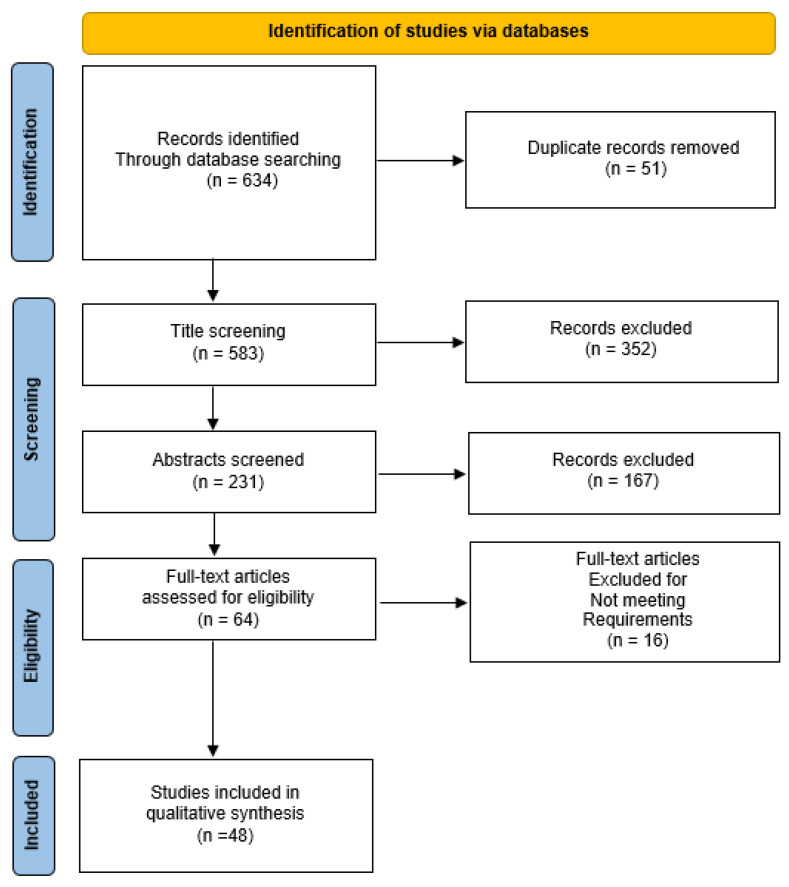
This article investigates the transformative impact of 3D and bio 3D printing technologies in assisted reproductive technology (ART), offering a comprehensive review of their applications in improving reproductive outcomes. Following PRISMA guidelines, we conducted a thorough literature search focusing on the intersection of ART and additive manufacturing, resulting in the inclusion of 48 research papers. The study highlights bio 3D printing's potential in revolutionizing female infertility treatments, especially in follicle complex culture and ovary printing. We explore the use of decellularized extracellular matrix (dECM) as bioink, demonstrating its efficacy in replicating the ovarian microenvironment for in vitro maturation of primordial oocytes. Furthermore, advancements in endometrial cavity interventions are discussed, including the application of sustained-release systems for growth factors and stem cell integration for endometrial regeneration, showing promise in addressing conditions like Asherman's syndrome and thin endometrium. We also examine the role of conventional 3D printing in reproductive medicine, including its use in educational simulators, personalized IVF instruments, and microfluidic platforms, enhancing training and precision in reproductive procedures. Our review underscores both 3D printing technologies' contribution to the dynamic landscape of reproductive medicine. They offer innovative solutions for individualized patient care, augmenting success rates in fertility treatments. This research not only presents current achievements but also anticipates future advancements in these domains, promising to expand the horizons for individuals and families seeking assistance in their reproductive journeys.
本文探讨了 3D 和生物 3D 打印技术在辅助生殖技术 (ART) 中的变革性影响,全面回顾了它们在改善生殖结局方面的应用。我们遵循 PRISMA 指南,对 ART 和增材制造的交叉领域进行了全面的文献检索,共纳入 48 篇研究论文。该研究强调了生物 3D 打印在颠覆女性不孕治疗方面的潜力,特别是在卵泡复合体培养和卵巢打印方面。我们探讨了使用去细胞细胞外基质 (dECM) 作为生物墨水的方法,证明其在复制卵巢微环境以体外成熟原始卵母细胞方面的有效性。此外,还讨论了子宫内膜腔干预的进展,包括生长因子的缓释系统和干细胞整合用于子宫内膜再生的应用,为解决 Asherman 综合征和薄型子宫内膜等疾病提供了希望。我们还研究了传统 3D 打印在生殖医学中的作用,包括其在教育模拟器、个性化 IVF 仪器和微流控平台中的应用,提高了生殖手术的培训和精度。本综述不仅强调了 3D 打印技术对生殖医学动态领域的贡献,还为个体化患者护理提供了创新解决方案,提高了生育治疗的成功率。这项研究不仅展示了当前的成就,还预测了这些领域的未来进展,有望为寻求生殖帮助的个人和家庭拓展视野。